Russia's war on Ukraine: the new, the old, and the immutable
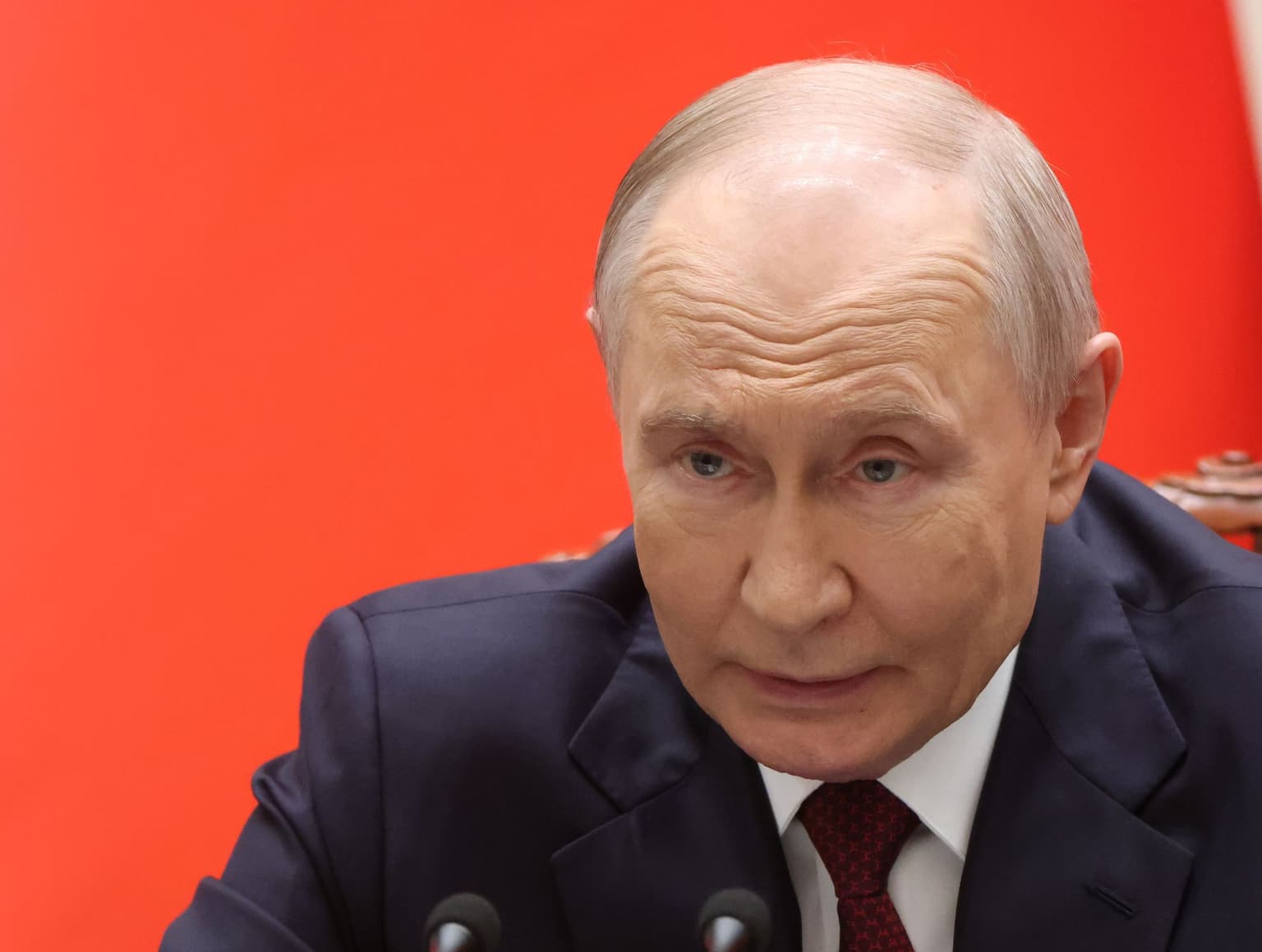
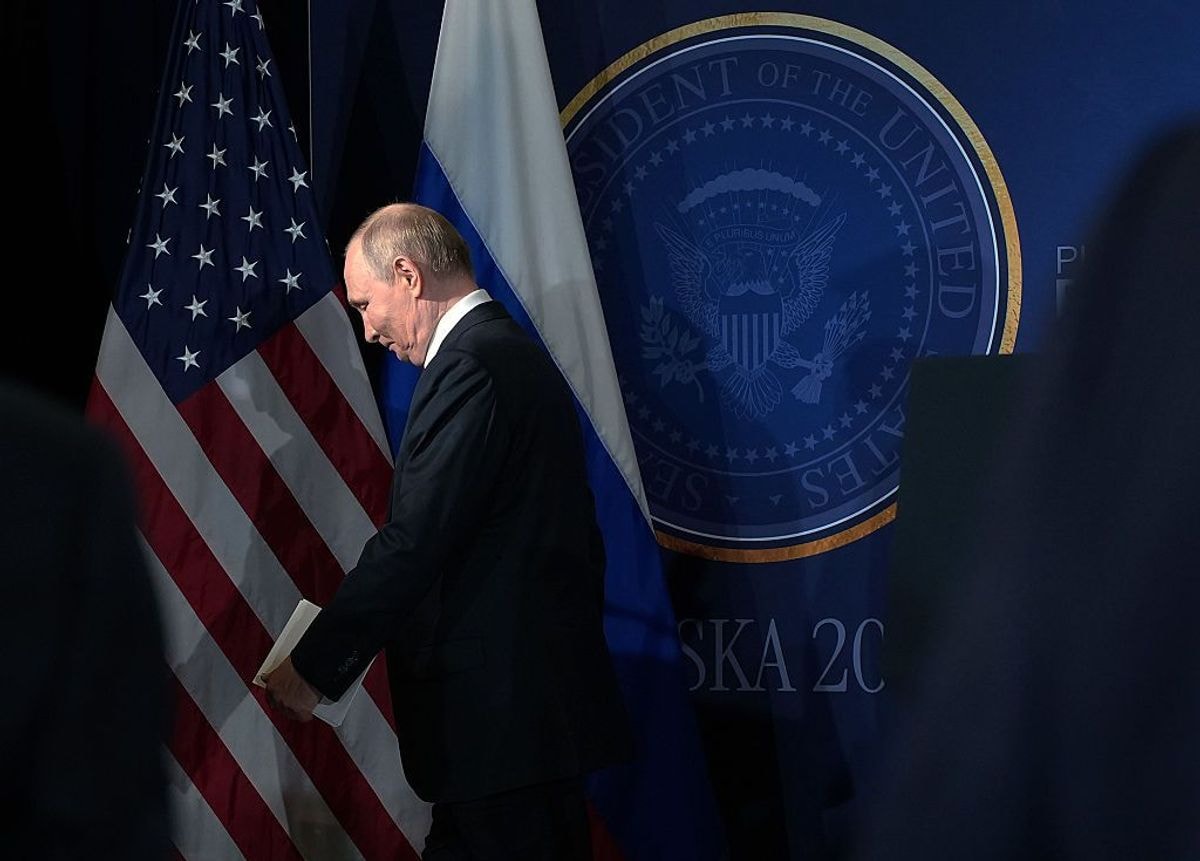
Russian President Vladimir Putin speaks during a signing ceremony in Beijing, China, on May 20, 2026. (Contributor / Getty Images)
 on Google
Andrew Chakhoyan
Academic director at the University of Amsterdam
At the Trump-Xi summit in May 2026 in Beijing, China's President allegedly told his American counterpart that Vladimir Putin "might end up regretting" his invasion of Ukraine. This revelation is both encouraging and disheartening.
China's backing of Russia has been a major factor in sustaining the war, and a change of tune in Beijing, if it actually materializes, will have wide-ranging implications. The daunting part is that this is not the stated policy of Europe, where "might" should've been substituted with "will" and acted upon back in 2022, if not 2014, when Russia first invaded Ukraine.
Every informed and honest observer of the war knows that Moscow is the only party responsible for it. Not Ukrainian sovereignty. Not the imagined provocations. And most certainly, not the so-called "NATO enlargement."
This poisonous phrase was invented in the Kremlin and falsely attributes the initiative to a defensive alliance, notoriously reluctant to admit new members, rather than to the sovereign states that rushed to join it because they understood, painfully through their own history, the threat from Moscow.
Russian imperial ethos chose war – more on this later – and Putin happened to be at the helm to wage it.
For Ukraine, this war was never a choice. Russia wants to control Ukraine, and if its people resist, it needs to kill them. Defending their homes, families, and right to exist is the only option left. Ukraine accepted an unconditional ceasefire in March 2025. Russia keeps choosing war. It is both grotesque and bewildering that people in positions of power still refuse to acknowledge this basic reality.
For the rest of Europe, to the west of Ukraine, the war has been something else entirely: a long exercise in abdication, a refusal to remember that unpunished aggression is how small wars grow to engulf the continent. Old Europe (by which I mean the European states west of Ukraine) now laments abandonment by Washington, conveniently forgetting how many times it has forsaken Georgia, Moldova, and Ukraine.
To understand what it would take to end Russia's war for good, let us separate what is new from what is old, and both from what has been immutable from the start.
The new
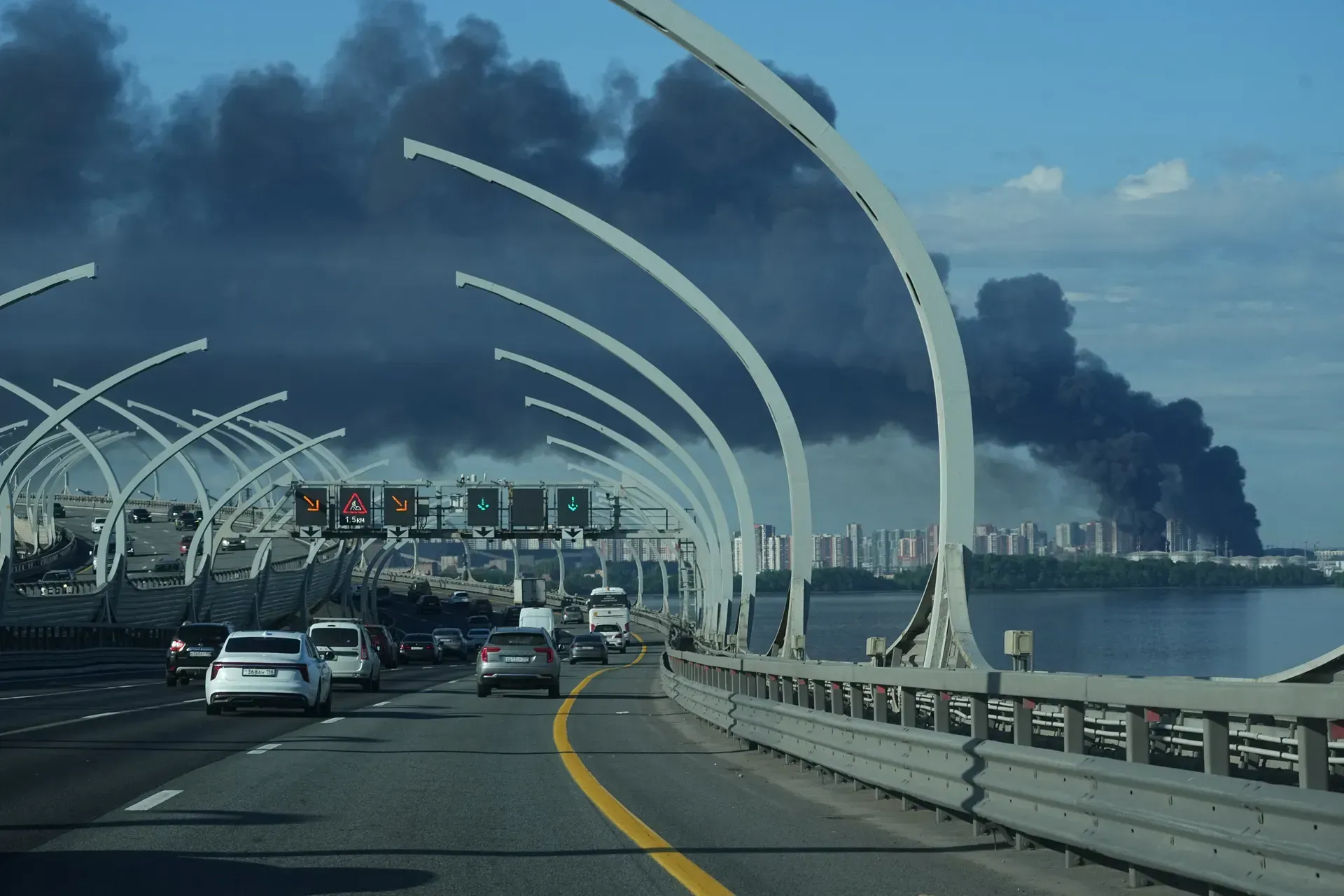
Having mastered autonomous weaponry and battlefield tactics that few in NATO can grasp, never mind match, Kyiv has become Europe's security provider. Ukrainian drones now reach oil refineries near Moscow, bomb-making facilities deep into Siberia, and a multitude of targets across the front line.
In 2022, Germany's then-Finance Minister Christian Lindner reportedly opposed weapons deliveries because he thought Kyiv would fall within hours. Predictions of Ukraine's imminent defeat then gave way to talk of Russia's inevitable victory, and later to hand-wringing about a war of attrition that, of course, favors Russia. Ukrainians have proven each of these wrong.
In 2026, Russia is suffering small but sustained territorial losses and, in the words of the Finnish President, "the tide has turned."
New things are happening in Europe, though at a pace that flatters no one. Rearmament budgets are growing. Orban is out, along with his veto. Frozen Russian assets are inching closer to being used for their only morally coherent and security-conscious purpose. Merz has proposed to admit Ukraine immediately into the EU as an "associate member." The awakening is real but too slow and constantly undermined by the urge to self-deter.
And then there is the wider world. The wars in the Middle East, the Trump-Xi summit, and the wholesale reordering of the transatlantic relationship all of it sucks oxygen out of every room where Ukraine should be top of the agenda. In the complex system of international relations, each such development has the potential to drastically change Moscow's calculus for better or worse.
The old
Ukraine's refusal to capitulate is old news, and yet, it remains the single most important fact of the war. The "peace process" of the last 14 months can be best described as a theater of the absurd. Russia uses negotiations to consolidate gains and humiliate anyone credulous enough to believe the Kremlin's latest promises (read: lies).
Sanctions are old news, too. They are working and full of loopholes, two things that are true at the same time. The Russian economy is under mounting strain, but Moscow continues to cushion the blow with Chinese support and is benefiting from higher crude revenues amid the closure of the Hormuz Strait.

Europe still tolerates Russia's shadow fleet while it is shamelessly refilling the Kremlin's war chest. Each year brings the same tired debates and the same half-measures. Georgia in 2008, Crimea in 2014, and the full-scale invasion of Ukraine in 2022. Europe vacillates, Russia's appetite for war grows.
The immutable
Beneath the new battlefield realities, Moscow's deep-seated motivations to wage war have not moved at all.
For Russia, brutal conquest is the default modus operandi. Tsars, commissars, and "democrats" like Yeltsin and Putin have all been, simultaneously, the instruments and the drivers of a warmaking tradition that long predates them.
The Russian Federation remains the world's largest unrepentant colonizer.
What makes this voracious, predatory empire invisible to an unquestioning observer is the saltwater fallacy, the refusal of the Western mind to grasp that colonies don't all have to be separated from the metropole by high seas.
What makes Russia so dangerous is the colonized-colonizer double bind: a political system that perpetually seeks to subjugate others abroad as a way to justify and perpetuate submission at home.
The Russian people are often seen as passive victims of state propaganda, unwilling participants in the horrors unleashed by their government. But the truth, as Jade McGlynn detailed in her book Russia's War, is more unsettling: "Russia's war on Ukraine is popular with large numbers of Russians and acceptable to an even larger number."
Among things immutable is the lesson of European history: appeasement invites aggression. The stakes for Old Europe couldn't be higher, and the resources at its disposal vastly exceed anything available to the Kremlin.
Yet, the will and wisdom to act remain dangerously scarce.
Editor's Note: This opinion first appeared in German in Die Lander-Analysen. The opinions expressed in the op-ed section are those of the authors and do not purport to reflect the views of the Kyiv Independent.