Russia rules out freezing war in Ukraine ahead of US envoy visits to Kyiv, Moscow
 on Google
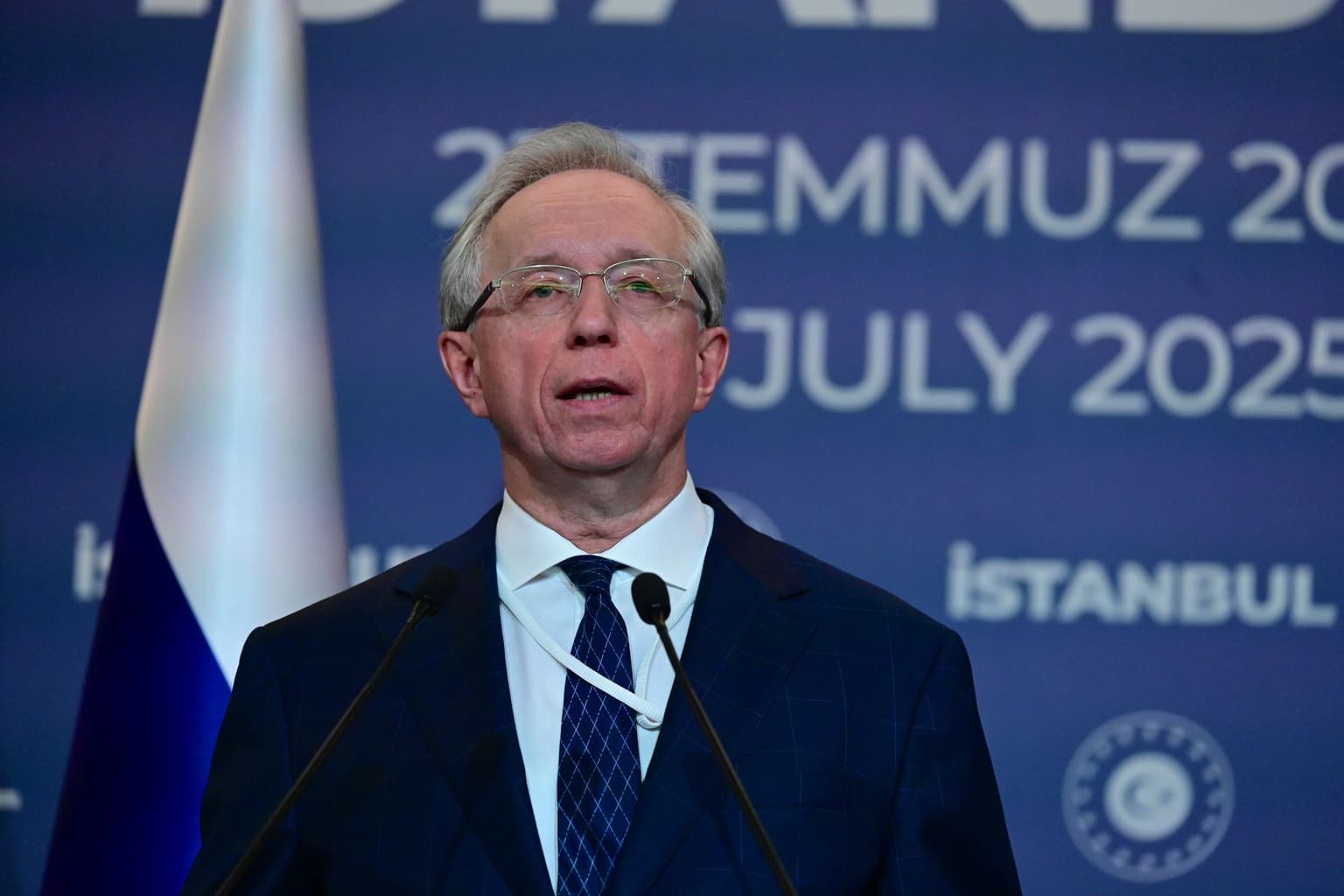
Russia will not agree to "freeze" its war against Ukraine without addressing what Moscow calls the "root causes," Russian Deputy Foreign Minister Mikhail Galuzin told state-owned TASS on Aug. 10.
The comments come as the United States considers reviving stalled peace efforts, including a possible agreement to halt air attacks between Russia and Ukraine.
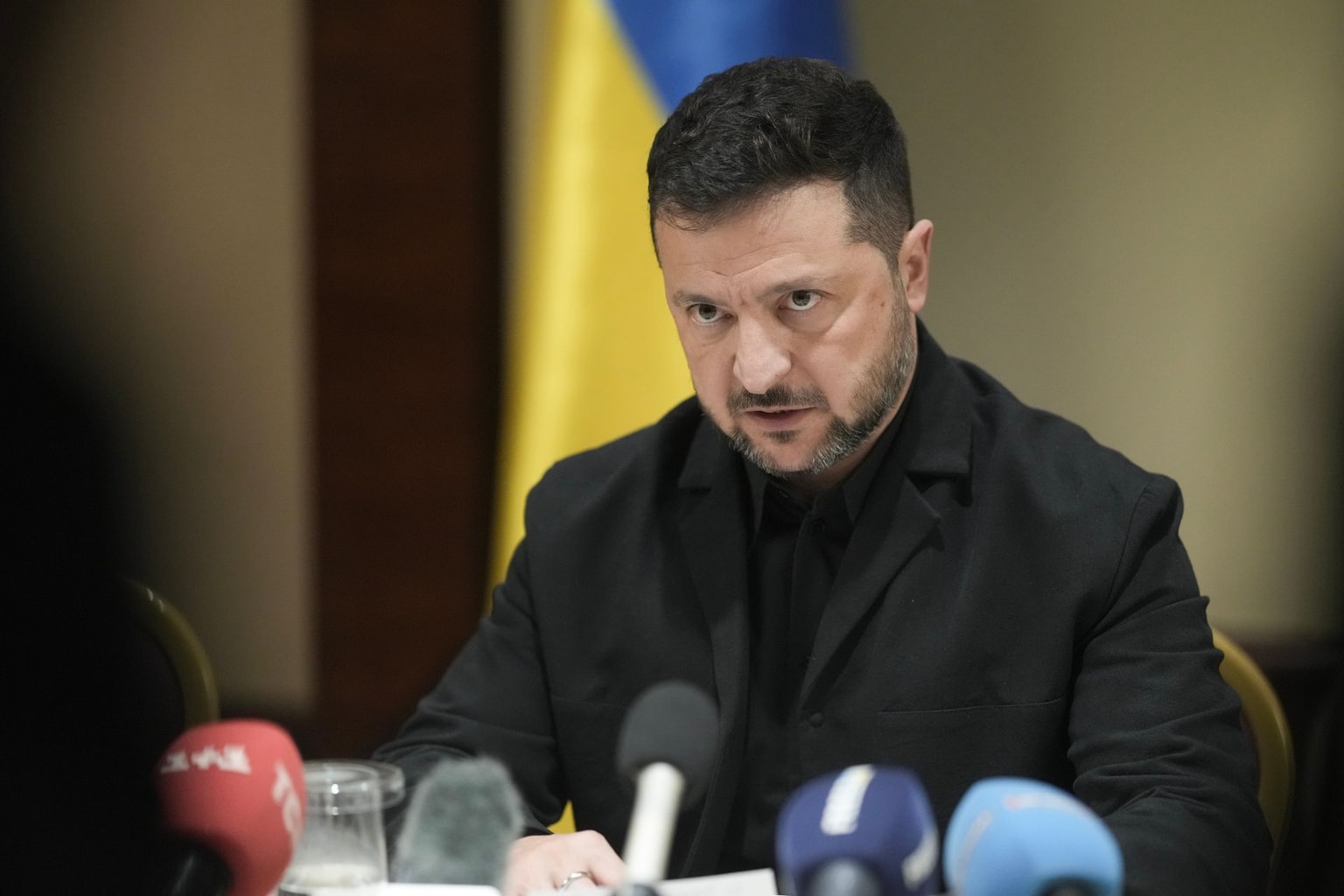
"As Russian President Vladimir Putin has said on numerous occasions, no 'freeze' is possible without addressing the root causes of this crisis," Galuzin said. "It is clear that (President Volodymyr) Zelensky has lost all touch with reality and is trying to escalate the conflict."
Galuzin also criticized Washington's approach to the war, calling U.S. policy contradictory.
"The ongoing deliveries of U.S. weapons, the provision of intelligence, and other forms of assistance speak for themselves — they are incompatible with a commitment to peace," he said.
U.S. envoys Steve Witkoff and Jared Kushner are expected to travel to Kyiv and Moscow as Washington seeks to restart negotiations, people familiar with the plans previously told the Kyiv Independent. The U.S. side has developed new proposals that it is expected to present during the visits.
Kyiv has argued that freezing the current front line would provide the most realistic basis for a ceasefire. Russia, however, continues to demand that Ukrainian forces withdraw from parts of Donbas as a condition for an agreement, a proposal Ukraine has rejected.
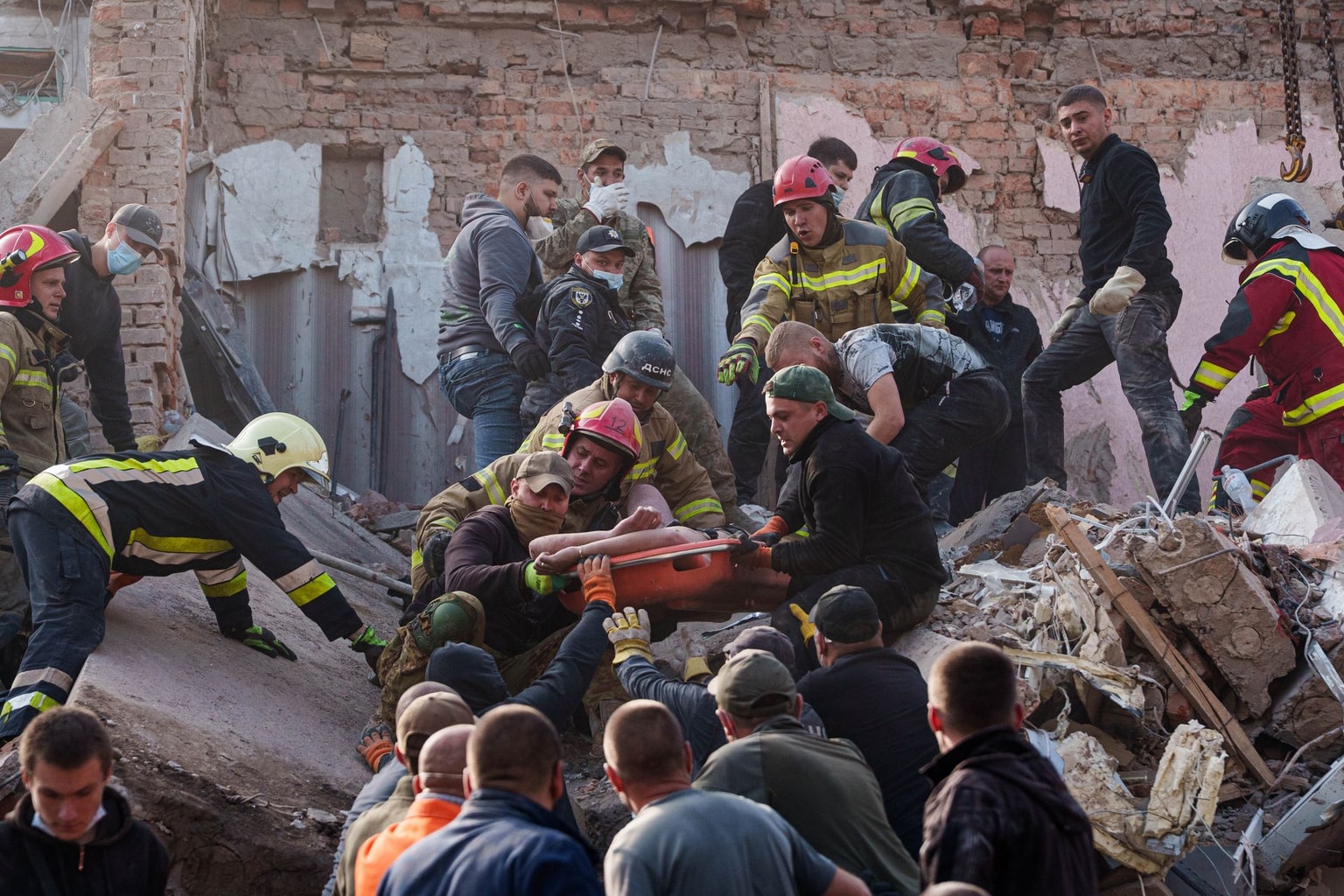
Ukraine has intensified attacks on Russian military infrastructure, logistics hubs, and strategic targets deep inside Russia. Russia, meanwhile, has stepped up missile and drone attacks against Ukrainian cities, repeatedly striking Kyiv and other civilian population centers.
One U.S. official told the Kyiv Independent that the White House increasingly believes both Moscow and Kyiv may have reasons to consider an air ceasefire.
Russia has previously signaled that it sees battlefield developments as more important than negotiations. Russian Foreign Minister Sergey Lavrov said in June that the course of the war would depend on developments at the front.
"Everything depends not on talks, but on the actions of our heroes on the front lines," he said.