'Reverse course while there's still time' — US senator tells ships carrying Russian diesel to turn around
 on Google

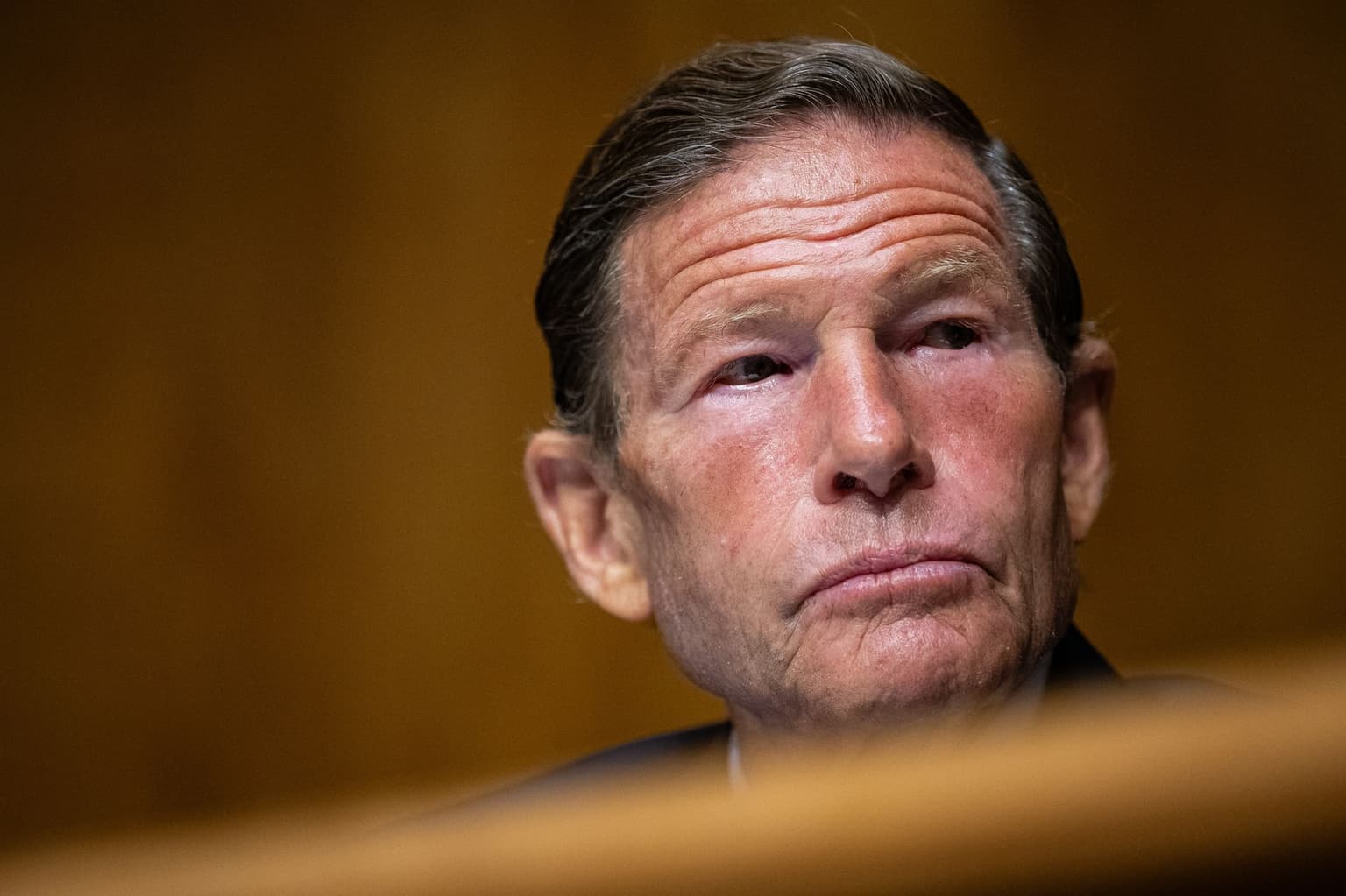
U.S. Senator Richard Blumenthal, a Democrat, issued a warning to the shipping company transporting a cargo of Russian diesel to the United States: turn back, or risk violating U.S. sanctions law.
The senator's demand comes a few days after Reuters reported that the Malta-flagged tanker Agioi Fanendes was heading to New York with 40,000 metric tons of Russian diesel — the first delivery under a recent deal announced by U.S. President Donald Trump.
Blumenthal penned a letter to Athanasios Martinos, managing director of the shipping service Eastern Mediterranean Maritime Limited, urging him to confirm the reports and recall the vessel.
"I'm sending a sledgehammer message to shipping companies whose tankers are transporting illegal Russian diesel to our ports," Blumenthal said in a social media message accompanying the letter. "Reverse course while there's still time."
The letter points out that diesel shipments are banned under the 2022 Ending Importation of Russian Oil Act, signed into law by former President Joe Biden following the full-scale invasion of Ukraine.
"Should the Agioi Fanendes port and discharge its cargo, you would be engaged in an illegal transaction or aiding and abetting it," he warns.
Trump's diesel deal with Russian President Vladimir Putin —announced Oct. 9, with the stated goal of bringing down domestic fuel prices — does not "supersede clear, unambiguous law," the letter argues.
"The Administration's conflicting directives on Russian energy in the past weeks should not be used as an excuse to ignore legal prohibitions," Blumenthal writes. "The President may have given a license to facilitate this transaction, but only Congress can make it legally valid."
Blumenthal's letter is part of a wave of legislative action against Trump's diesel deal, which has provoked strong bipartisan backlash.
Previously, the Kyiv Independent reported that Democratic officials have been contacting U.S. industries involved in facilitating the deal to ensure they understood the potential legal and investigative risks.
U.S. Representative Gregory Meeks, a Democrat and ranking member of the House Foreign Affairs Committee, introduced the Prohibit Corrupt Russia Oil Deals Act, a bill designed to block imports of Russian diesel and mandate further sanctions against Moscow.
But as Congress looks to block the deal, the Agioi Fanendes is making its way to the U.S. East Coast. The ship loaded its cargo in the Russian Baltic port of Primorsk on Oct. 22 and is set to arrive in the U.S. on Nov. 7.
When announcing the deal, Trump claimed Russia would "immediately supply over 300,000" metric tons of diesel fuel to U.S. and global markets, delivering 500,000 metric tons in November and 1 million metric tons "immediately thereafter."
Soon after the announcement, Moscow partially lifted restrictions on its diesel exports, permitting the sale of 500,000 metric tons.
The deal shocked Kyiv, European partners, and U.S. lawmakers, who argued the move would help Putin finance the war in Ukraine without having to make any substantial concessions. Russian diesel imports are also unlikely to do much to offset domestic gas prices, which have primarily been driven up by the war against Iran.