Exclusive: The next Russia deal Trump may be weighing after diesel
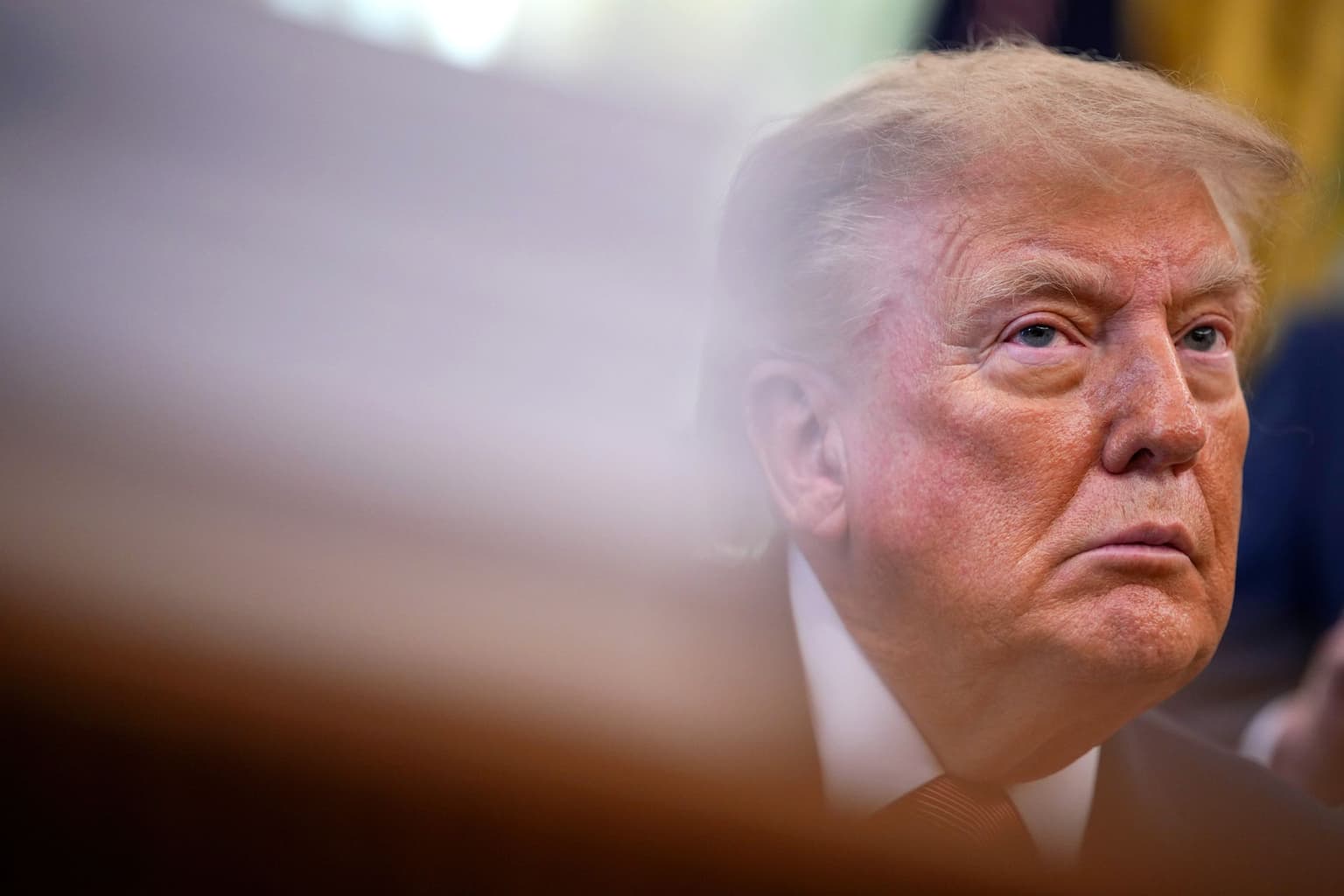
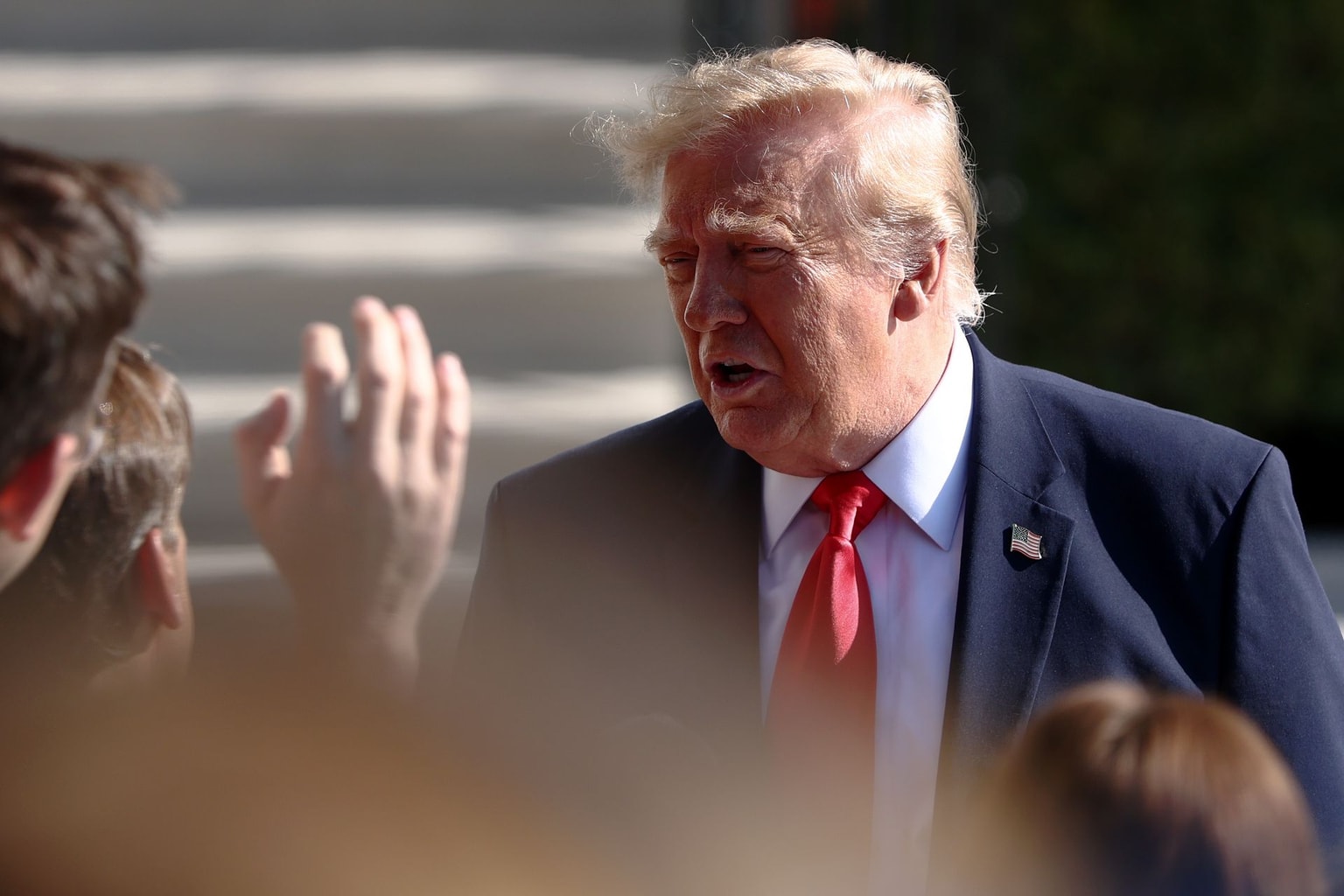
U.S. President Donald Trump looks on during an event in the Oval Office of the White House on Oct. 20, 2026, in Washington, D.C. (Andrew Harnik/Getty Images)
 on Google
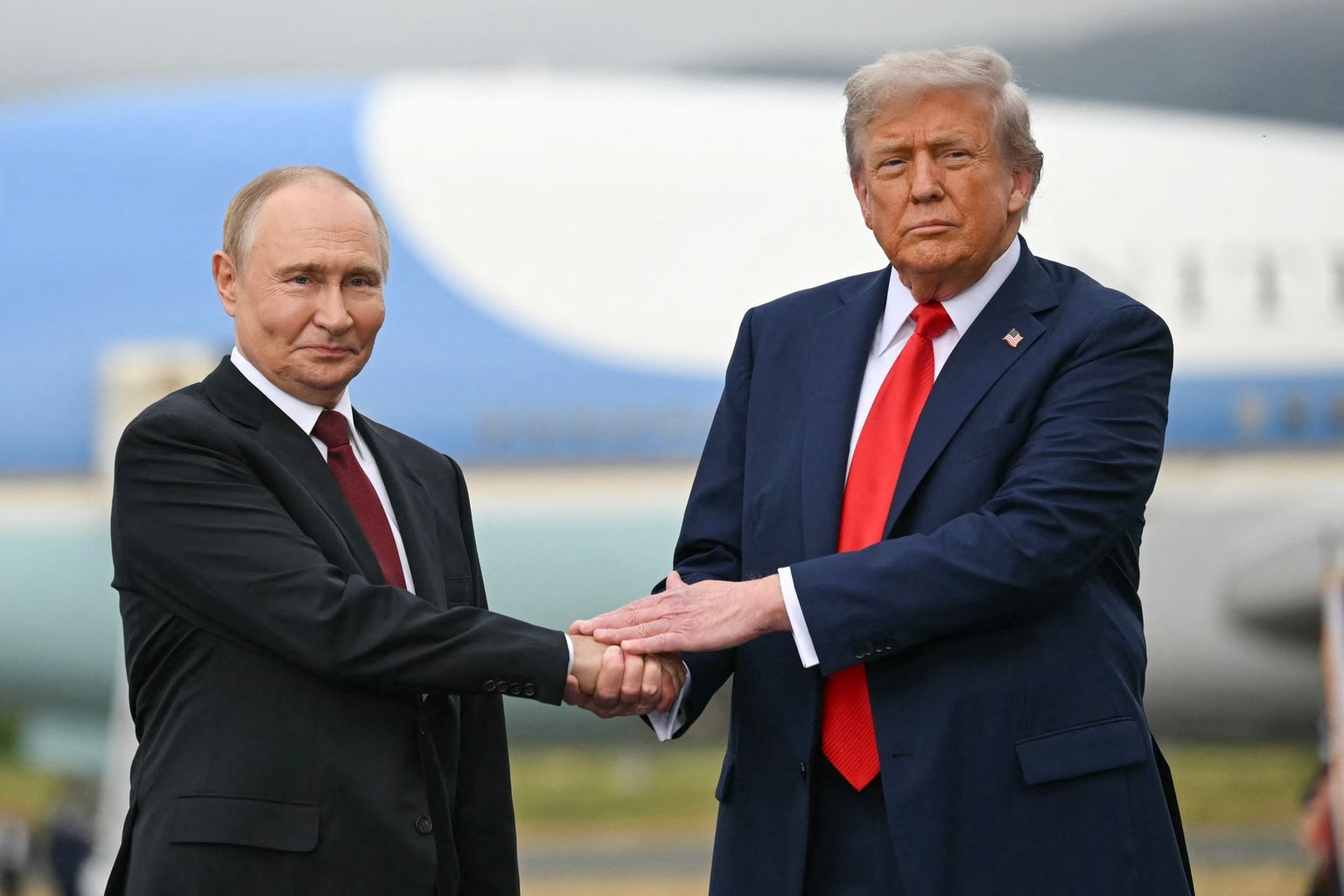
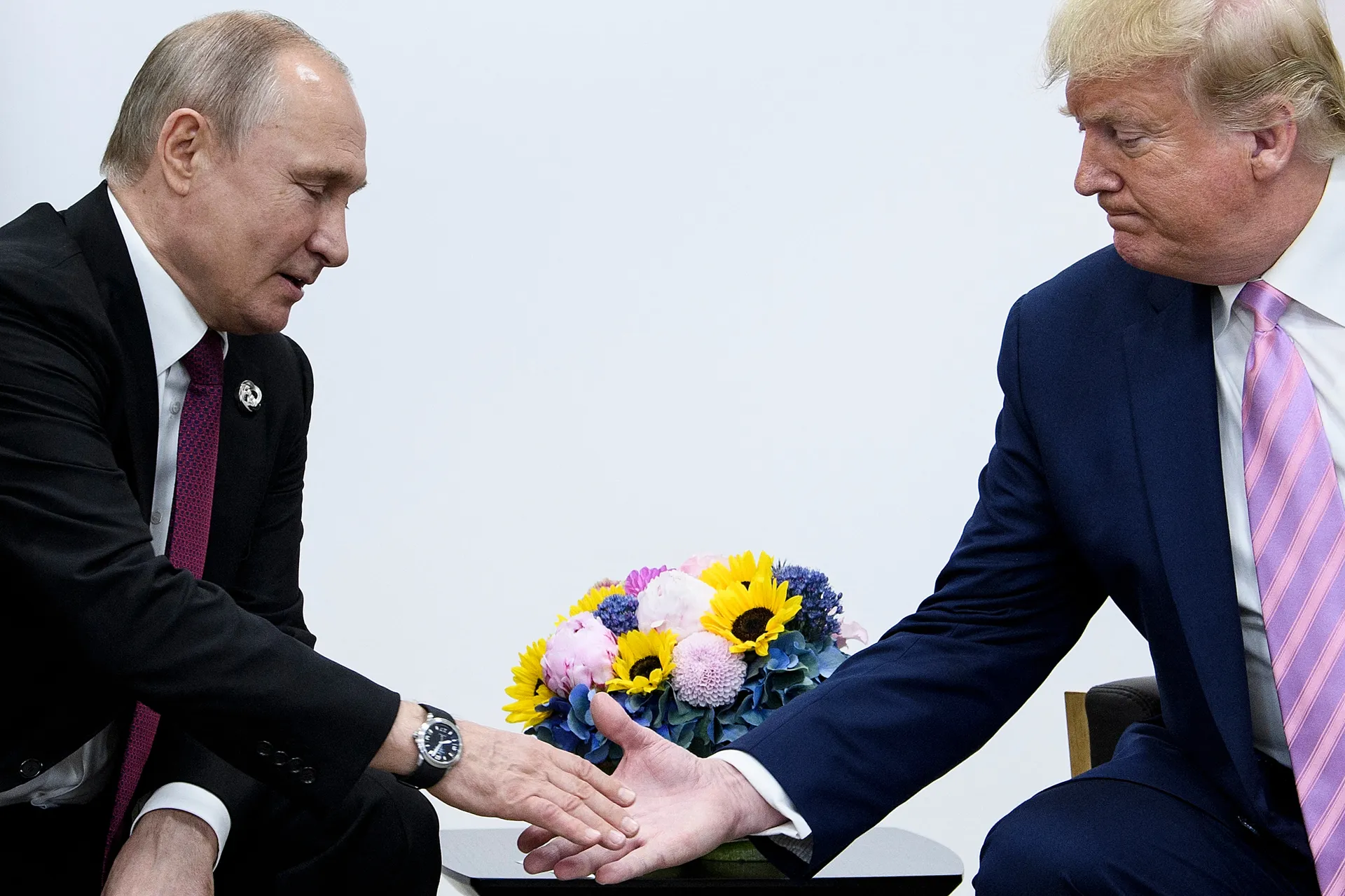
U.S. President Donald Trump may be considering further sanctions relief for Russia following his recent diesel deal with Russian President Vladimir Putin, several Ukrainian and U.S. officials familiar with the matter told the Kyiv Independent.
The potential move would fit an approach in which the Trump administration offers Russia economic benefits in hopes of persuading Moscow to end its war against Ukraine, one U.S. government official and one Senate official said.
Trump's diesel deal with Putin has drawn bipartisan criticism in Washington and strained relations with Kyiv. President Volodymyr Zelensky called the agreement a "weak move," warning that it could pave the way for further sanctions relief.
Now, Ukrainian officials fear the administration could explore a deal involving Russia's fertilizer industry, two people familiar with the matter said.
The U.S. has not directly sanctioned Russia's fertilizer industry or banned imports of Russian fertilizers. But any potential agreement could provide sanctions relief for vessels, companies, banks, and individuals linked to the industry, one senior Ukrainian official said.
Russia has long sought an ease of restrictions affecting its agricultural exports, arguing that banking, insurance, and shipping barriers have limited its access to markets.
Moscow raised the issue repeatedly during negotiations over the Black Sea Grain Initiative (BSGI) back in 2022, but Western governments maintained that Russian food and fertilizer exports were not directly sanctioned.
"The fertilizer story is quite old, and Russians were trying to push it long ago," a Ukrainian intelligence official told the Kyiv Independent.
"Russians always lobbied for fertilizer relief in contacts with Americans and Europeans," the official added. "They actually left BSGI because of no progress on fertilizers."
Russia withdrew from the Black Sea Grain Initiative in July 2023, saying insufficient progress had been made on its demands.
Ukrainian officials now fear Washington could be prepared to offer Moscow concessions on an issue it has pursued for years.
A sanctions-for-peace push
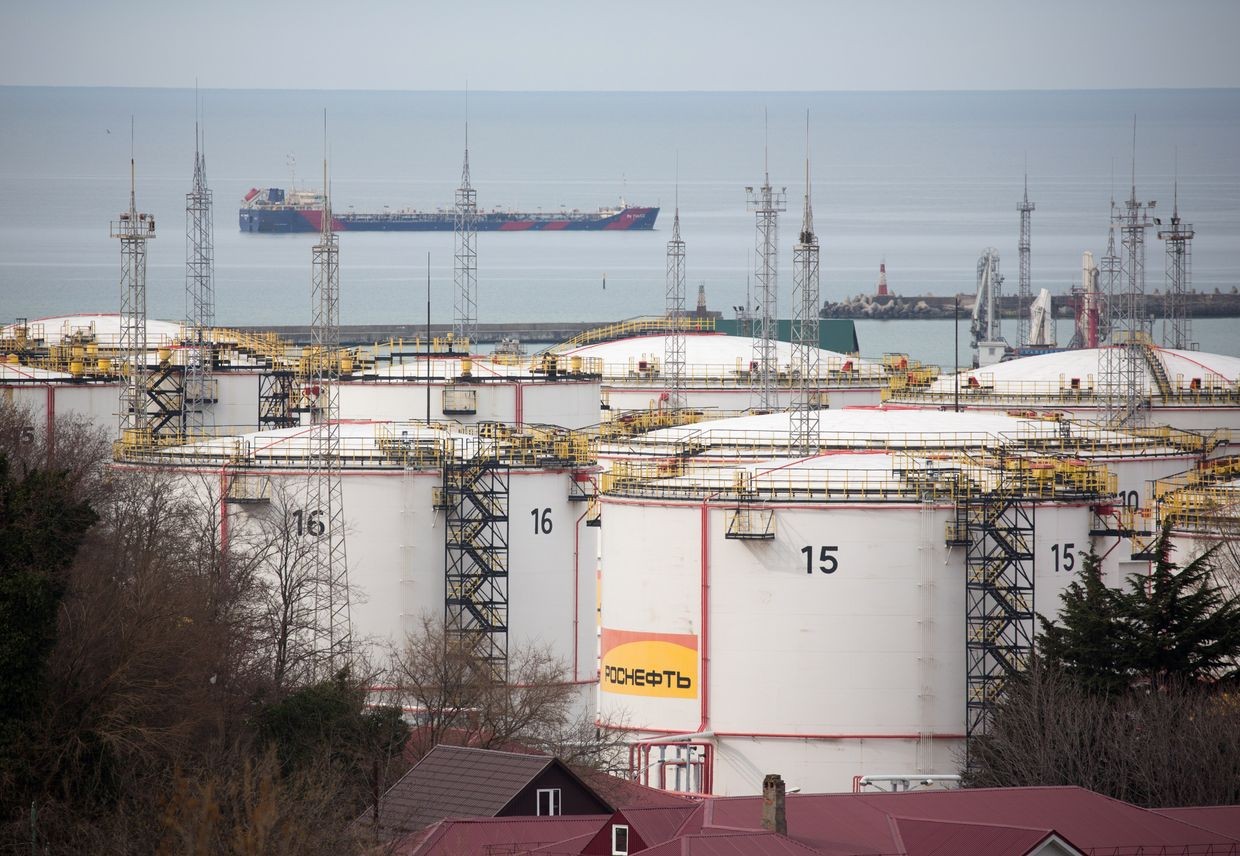
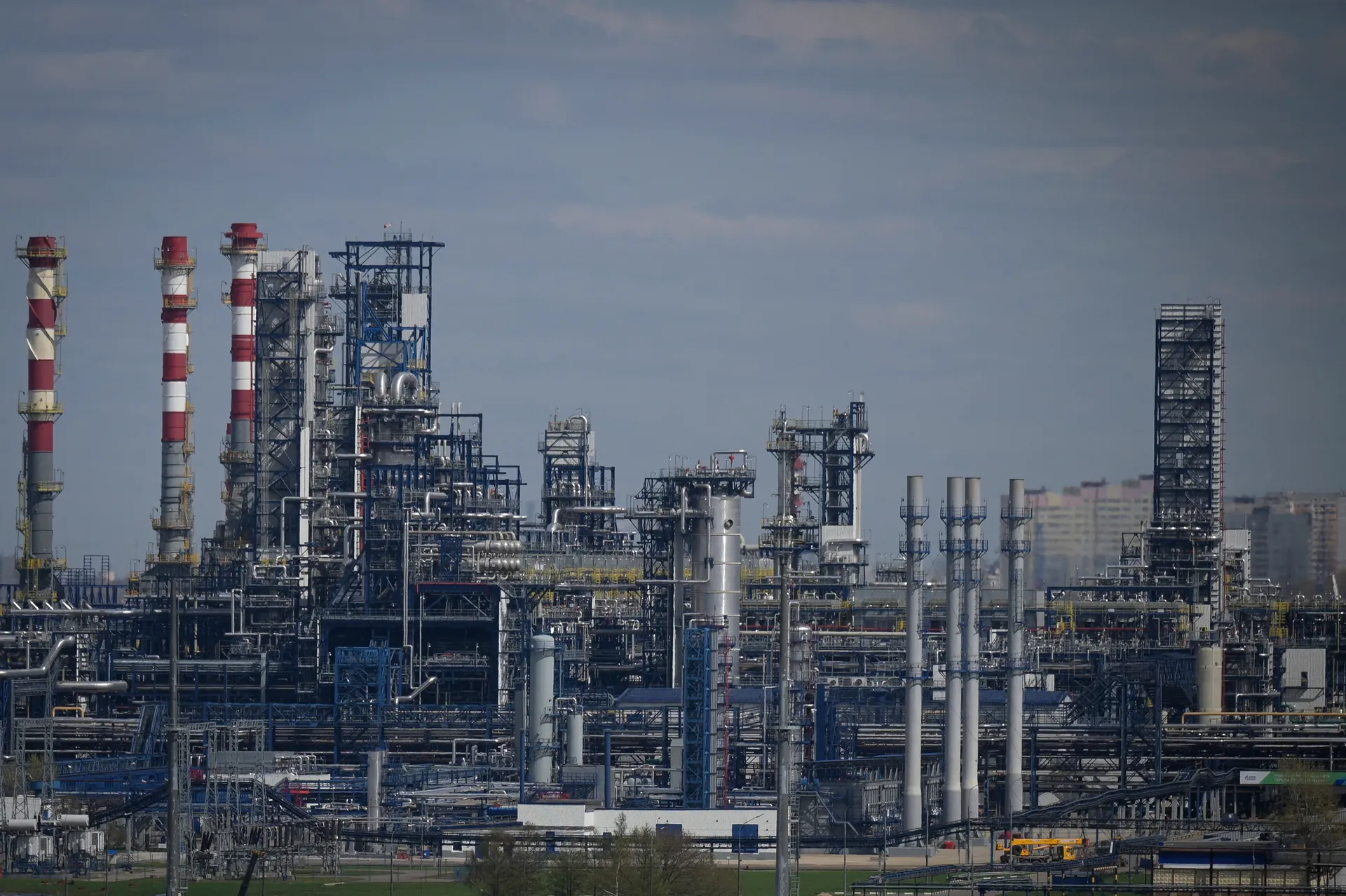
Trump announced the diesel deal on Oct. 9, saying Russia had agreed to supply hundreds of thousands of tons of diesel to the U.S. and international markets.
"Russia will immediately supply over 300,000 Tons of Diesel Fuel to the American and Global Marketplace, another 500,000 Tons during the month of November, and 1,000,000 Tons immediately thereafter," Trump wrote on Truth Social.
The announcement raised questions in Washington about the deal's legality.
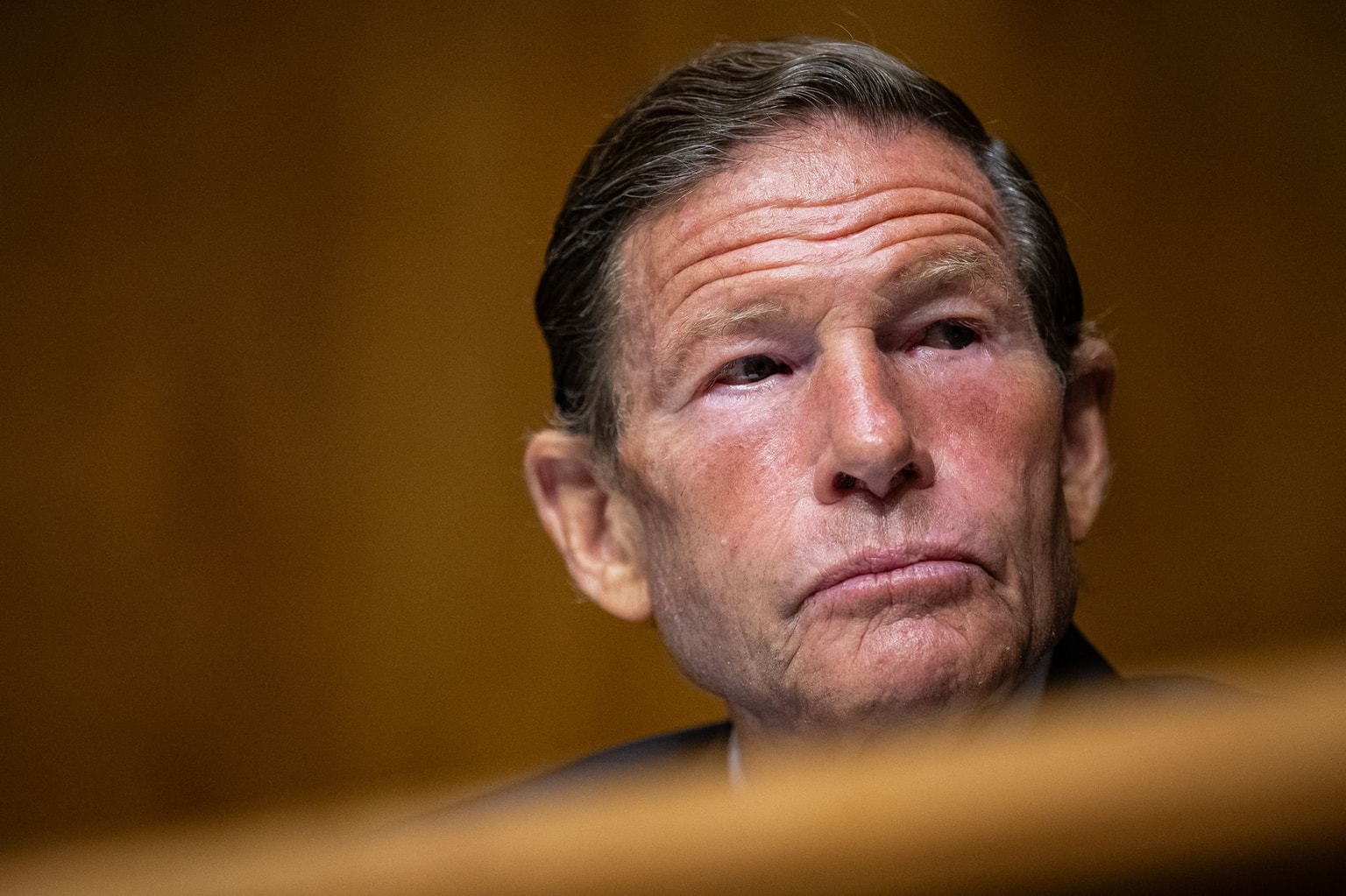
"We view the Russian diesel deal as illegal as per the 2022 law that had passed both chambers and was signed into law," one Senate official said.
Congress passed the Ending Importation of Russian Oil Act in 2022, banning imports of Russian-origin energy products, including diesel.
Several people familiar with the matter said Democratic officials were contacting U.S. industries involved in facilitating the deal to ensure they understood the potential legal and investigative risks.
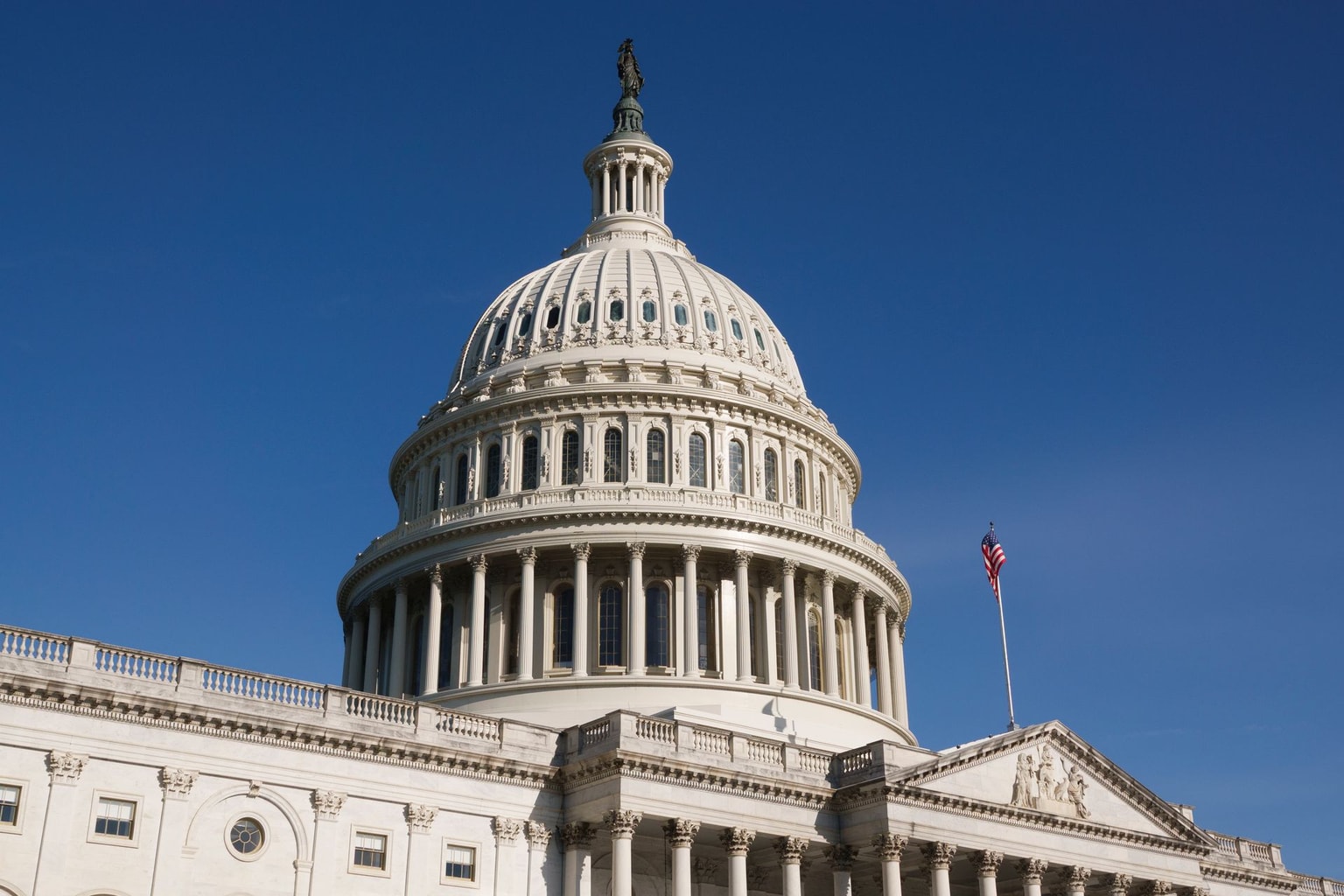
The deal could face further scrutiny in Congress. But as questions over its legality mount, Ukrainian officials fear Washington could seek other ways to offer Russia economic concessions, with fertilizers emerging as one possible area.
"Well, they clearly have some kind of plan," one official said.
Some Senate officials also believe the Trump administration overestimates the scale of the economic deals Russia could offer Washington in return.
The potential fertilizer deal remains unclear, and the officials who spoke to the Kyiv Independent named no specific sanctions Washington might lift.
The Kyiv Independent has contacted the White House for comment and will update the story when it receives a response.
Kyiv warns against further concessions
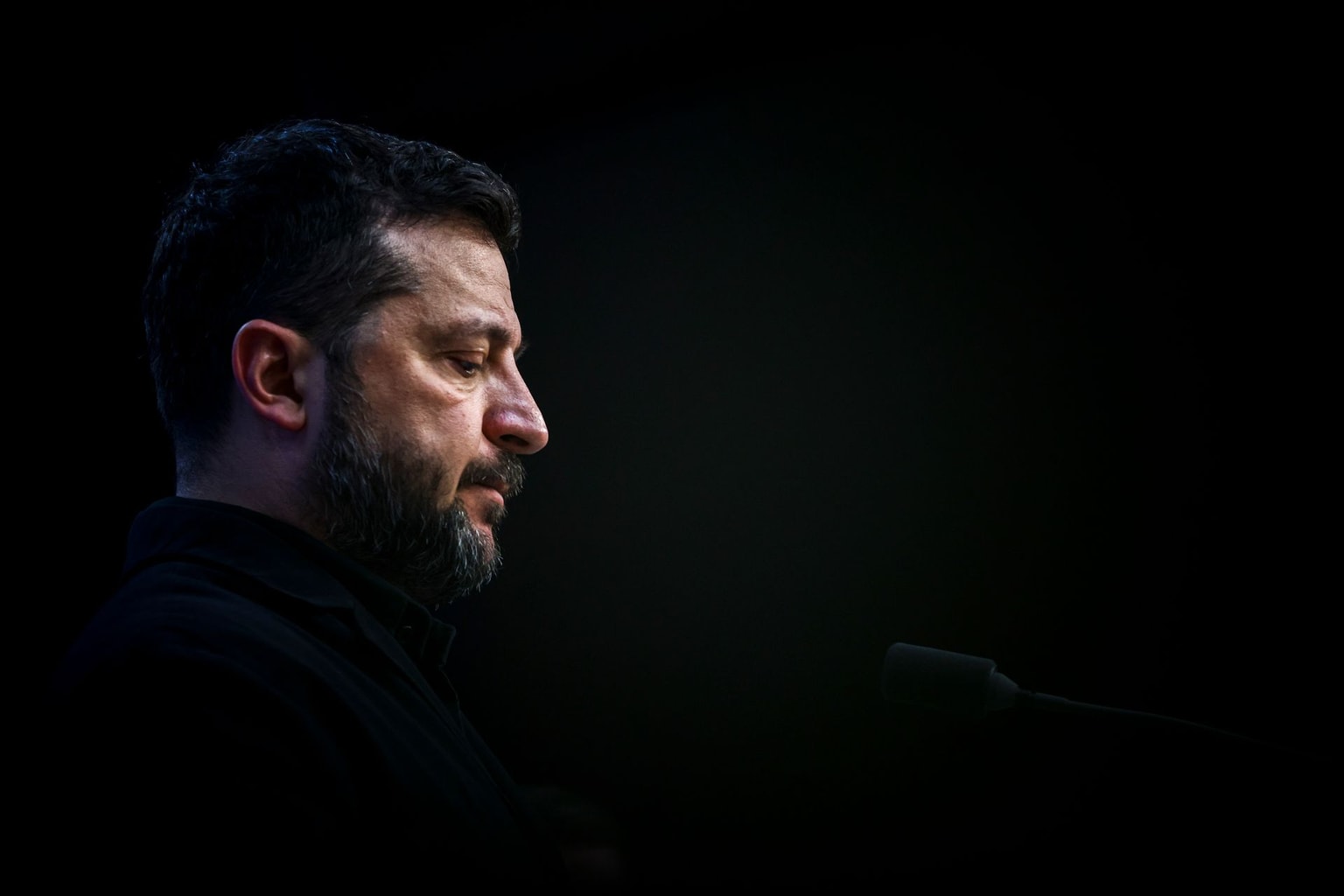
The Ukrainian president has publicly warned that the diesel deal could be the start of a broader rollback of sanctions against Russia.
"There's intuition, there's intelligence, and there are various details," Zelensky said Oct. 16. "In my view, we cannot accept these agreements. Because gas deals will follow. And I am absolutely certain of this. After gas, they will lift sanctions on other things as well."
The warning shows Kyiv's concern that Washington is shifting toward economic incentives for Moscow even as Russia continues its war against Ukraine.

Before the diesel announcement, Russian officials had repeatedly argued that Moscow and Washington should expand their business ties. The Trump administration, meanwhile, had maintained that economic deals should follow an end to Russia's war.
Ukrainian officials argue that offering concessions before securing a ceasefire is unlikely to persuade Putin to stop fighting. Instead, they say, such agreements could provide Russia with additional revenue while leaving Moscow's military objectives unchanged.
The concern is especially acute because, according to Ukrainian officials, Russia offered the U.S. nothing meaningful in return for the diesel deal.
"It's clear that this only encourages Putin," one senior Ukrainian official told the Kyiv Independent.
"He feels that he can go with a war against us, and on top of that, our allies are lifting sanctions against him and striking deals with him."
Speaking to Russian media on Oct. 22, Putin once again made his intentions clear.
Asked whether he would agree to a ceasefire allowing Ukraine to retain the territory it controls, he replied: "It's not their territory; it's the territory of historical Russia."
Hi, this is Tim. One of the authors of this article. Thank you for taking the time to read it.
At the Kyiv Independent, we don't have a wealthy owner or political backing. We fully rely on your support to continue our work at this time of constant turbulence.
If you found this article interesting, consider joining our community today