Coalition of the Willing kicks off first exercise for post-war Ukraine deployment
 on Google

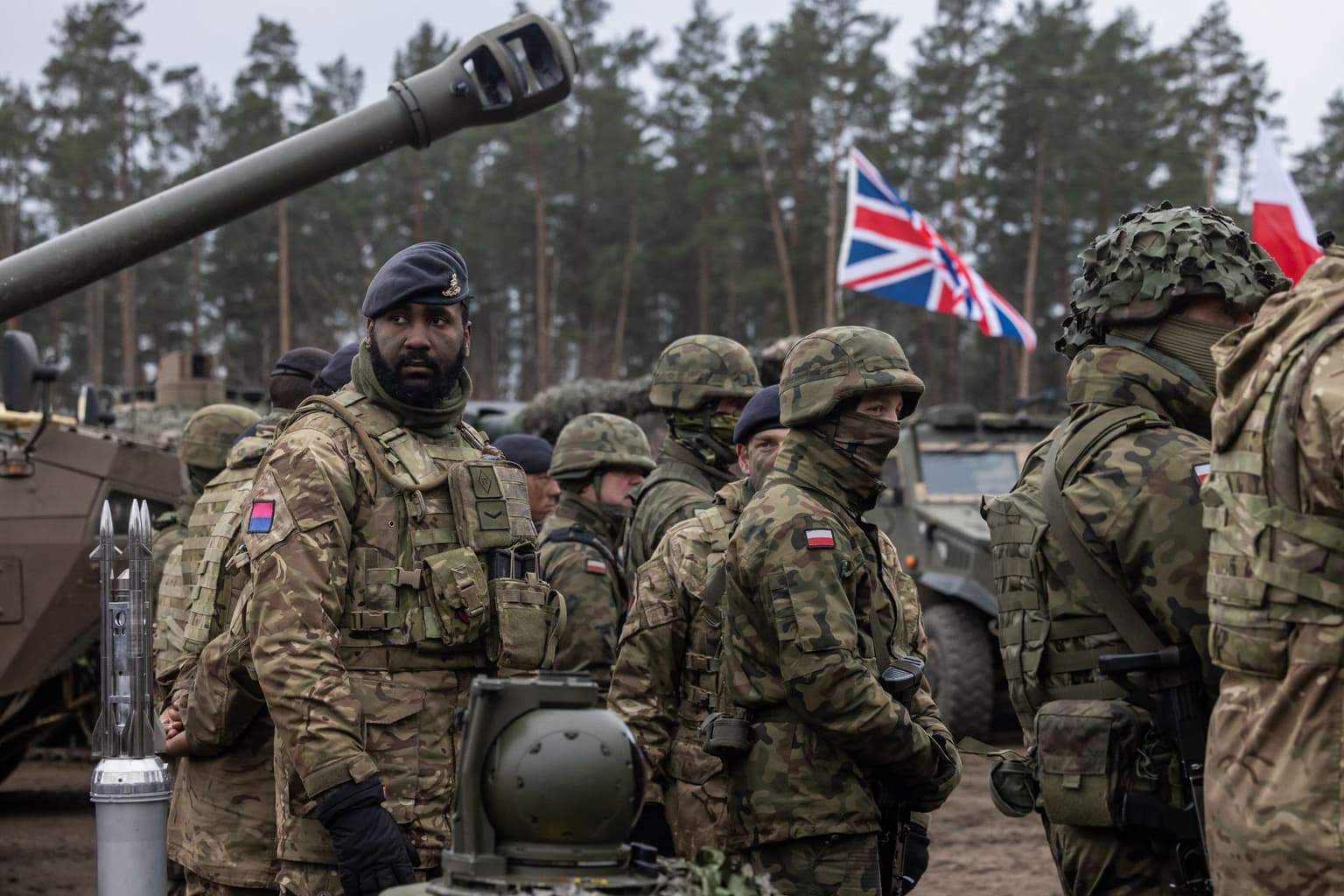
A British and French-led multinational coalition is launching its first major exercise in Poland on Nov. 9 to prepare for a deployment in Ukraine after Russia's war ends.
About 2,800 troops from 11 nations will take part in Exercise Koalicja, which runs until Nov. 22 and is meant to test the coalition's readiness to support Ukraine and help rebuild its forces.
Once deployed, the force will be tasked with bolstering Ukraine's security on land, in the air, and at sea, and will be part of Europe's post-war security guarantees intended to deter any future Russian aggression.
"This exercise shows the U.K. is stepping up, alongside France and our allies," U.K. Defense Secretary Wes Streeting said in a press release on Nov. 3. "This isn't a hypothetical plan, it's a real force, ready to help Ukraine once the fighting stops."
The drill will take place under the framework of the Multinational Force Ukraine (MNF-U), a military wing of the coalition of the willing.
Besides France and the U.K., other participating nations include Poland, Belgium, Estonia, Germany, Lithuania, the Netherlands, Spain, Sweden, and Turkey.
The exercise will include testing command and control, the movement of troops and equipment, and cooperation within the multinational force.
It will also involve Turkish forces practicing demining in the Black Sea to enable commercial shipping to and from Ukrainian ports, and allied jets training to secure Ukraine's skies for commercial air travel.
The British government stressed that the force would be deployed in Ukraine only at Kyiv's request and after hostilities end.
It would not carry out peacekeeping or ceasefire-monitoring activities, but support Ukraine's own military "by enabling safer Ukrainian skies and seas and regenerating Ukrainian forces."
Europe has taken a leading role in supporting Ukraine against Russian aggression and providing security guarantees, as Washington has adopted a more reserved — and at times hostile— position toward Ukraine under U.S. President Donald Trump.