Death toll of Russian strike on Komyshuvakha rises to 43 as search continues
 on Google
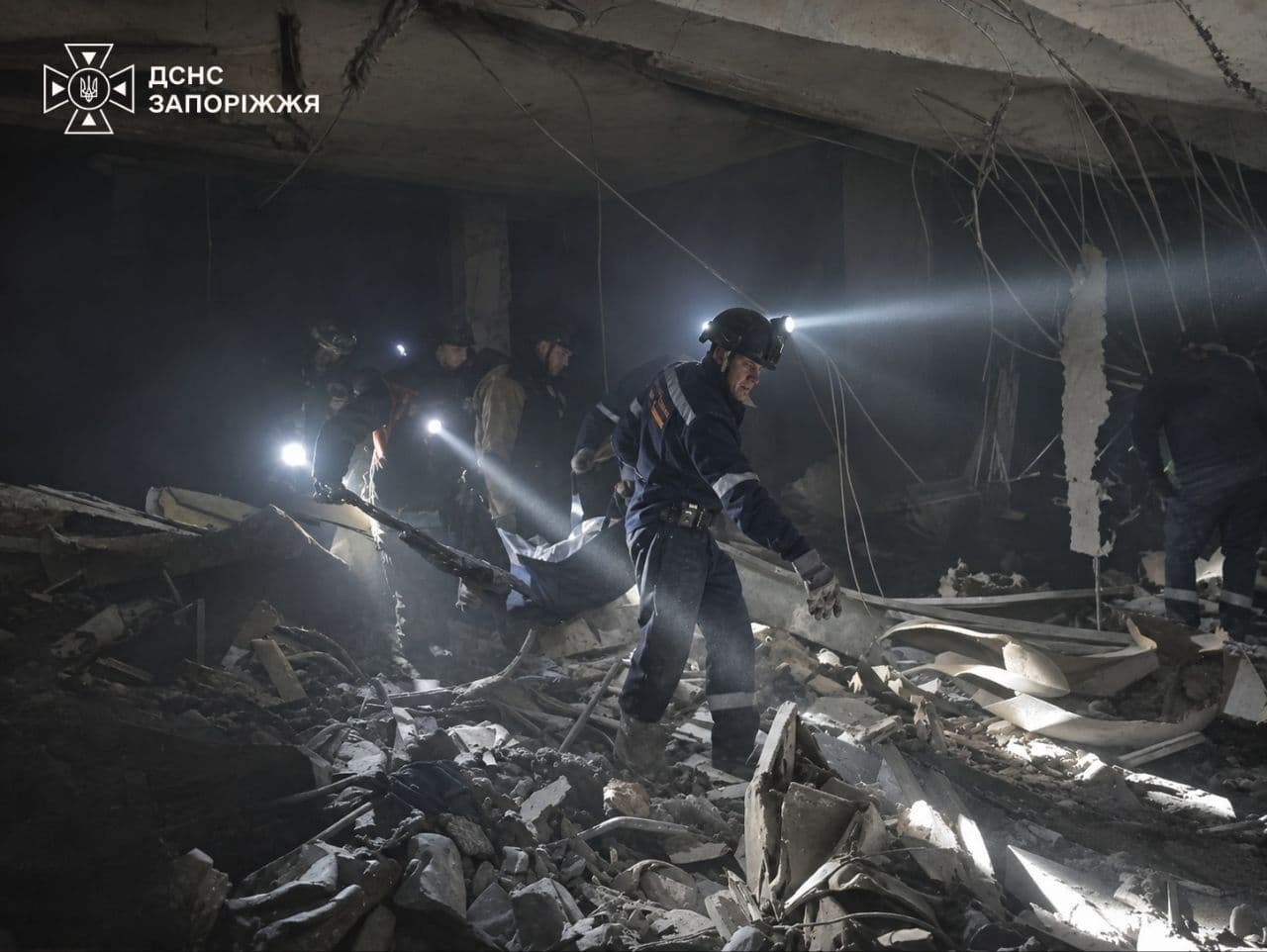
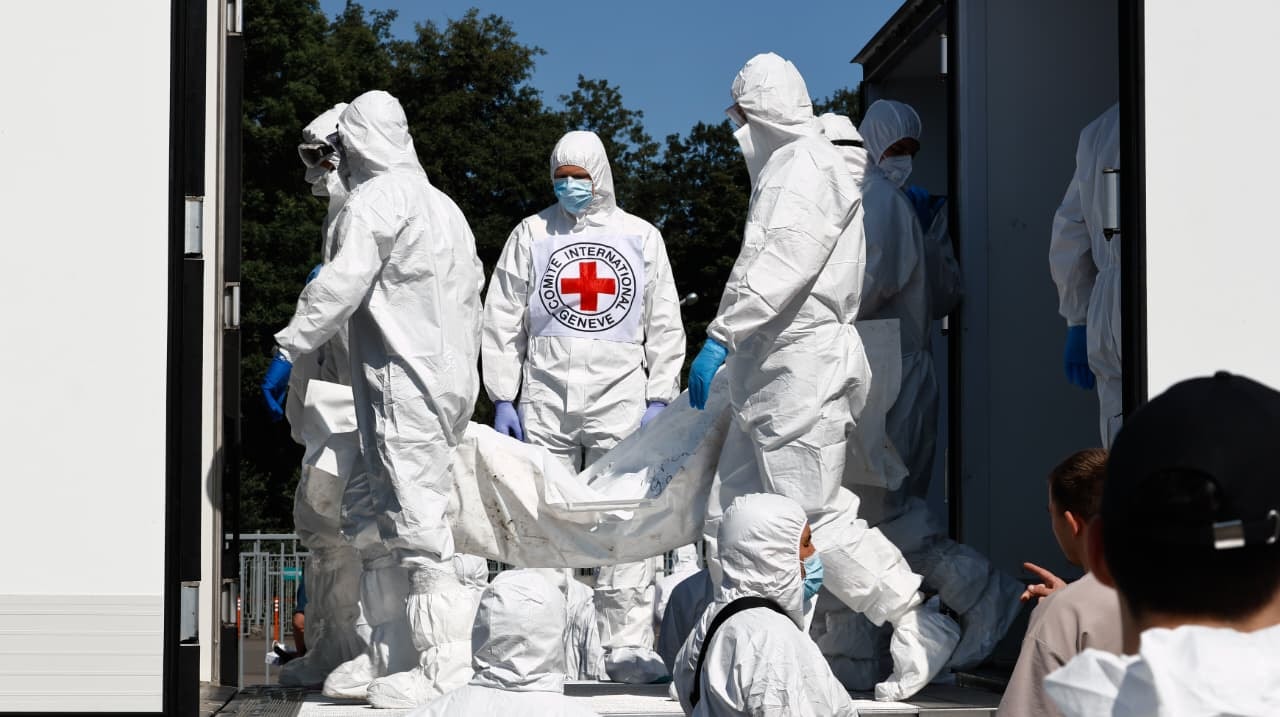
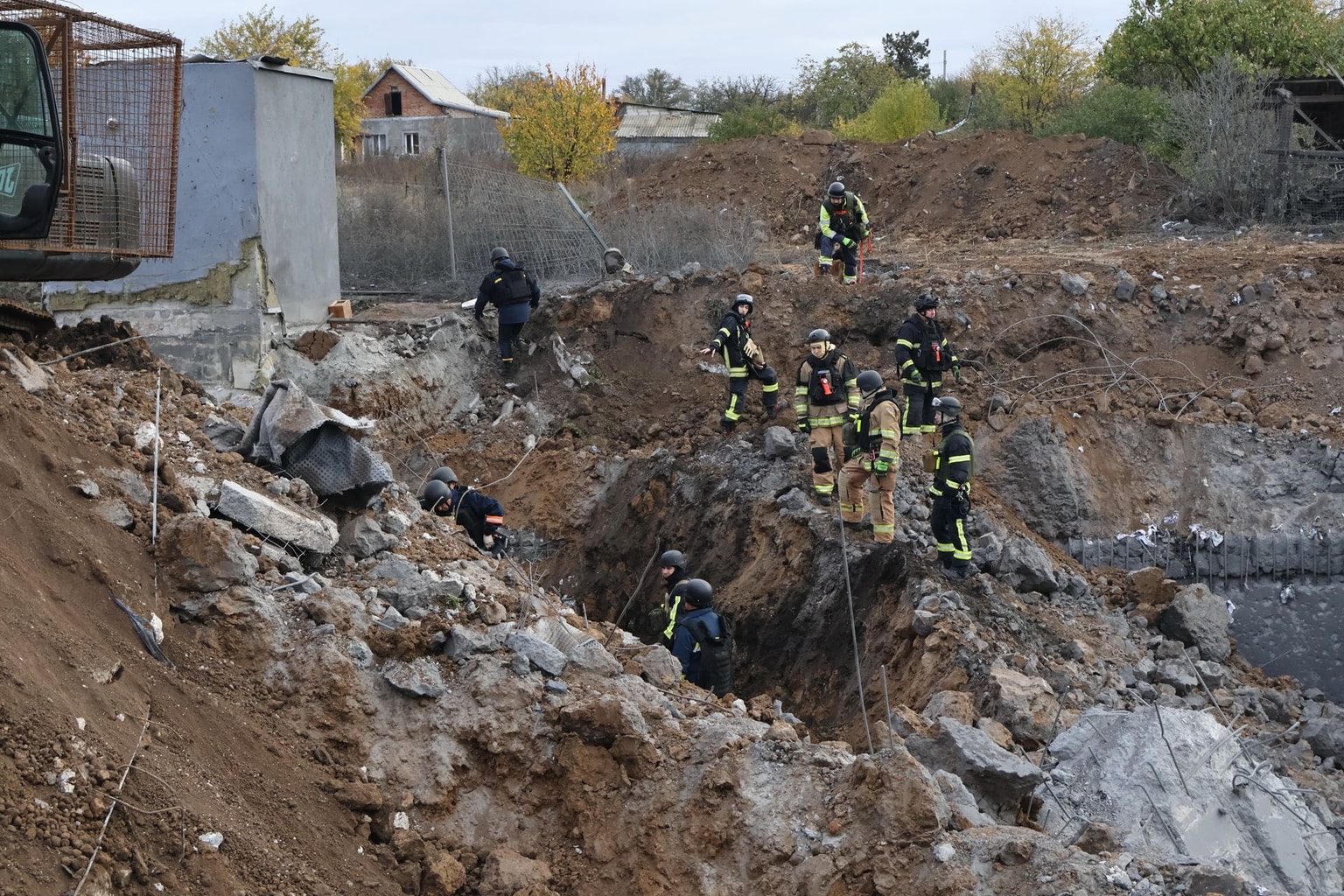
The bodies of 43 Ukrainians have been recovered from the rubble in the village of Komyshuvakha in Zaporizhzhia Oblast, with 33 more people still missing as of Nov. 5, three days after Russian forces attacked the settlement with heavy aerial bombs, authorities said.
With the final death toll yet to be officially established, the strike on the front-line village is already one of the deadliest single Russian attacks since the start of the full-scale invasion four and a half years ago.
Early in the morning on Nov. 5, Ukraine's National Police reported that 42 bodies had been retrieved, with President Volodymyr Zelensky adding later that the death toll had risen to 43.
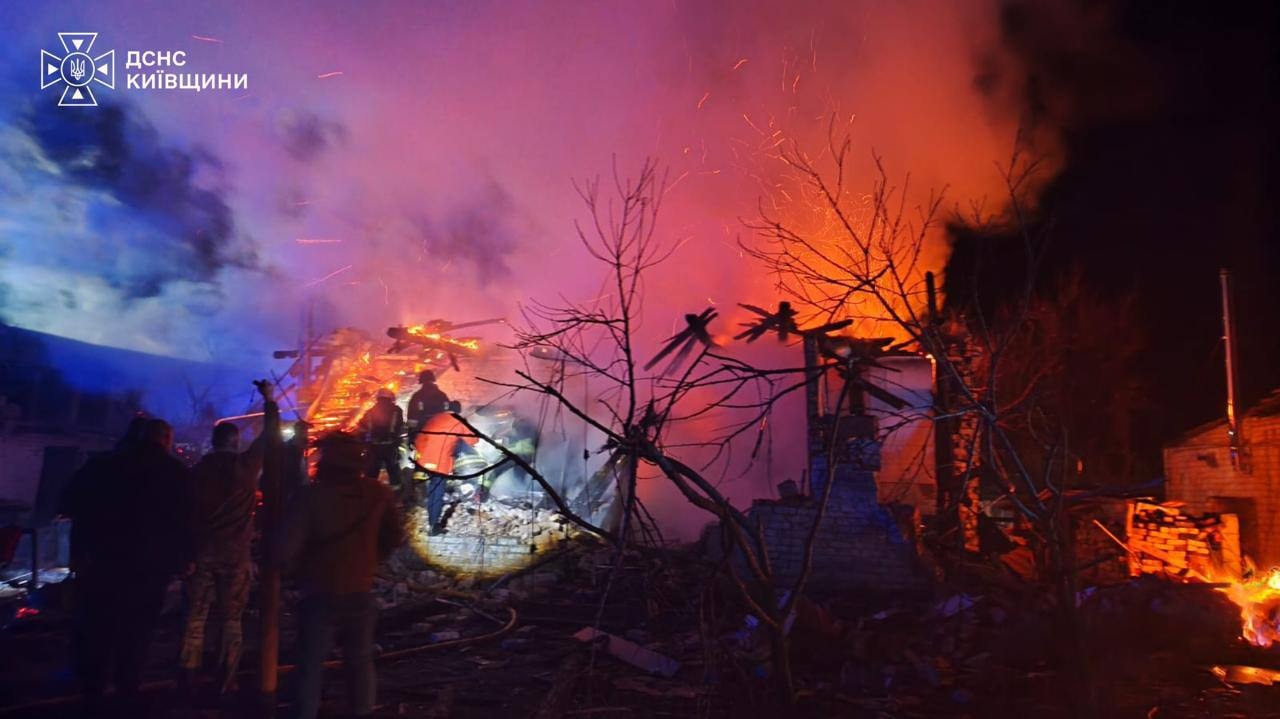
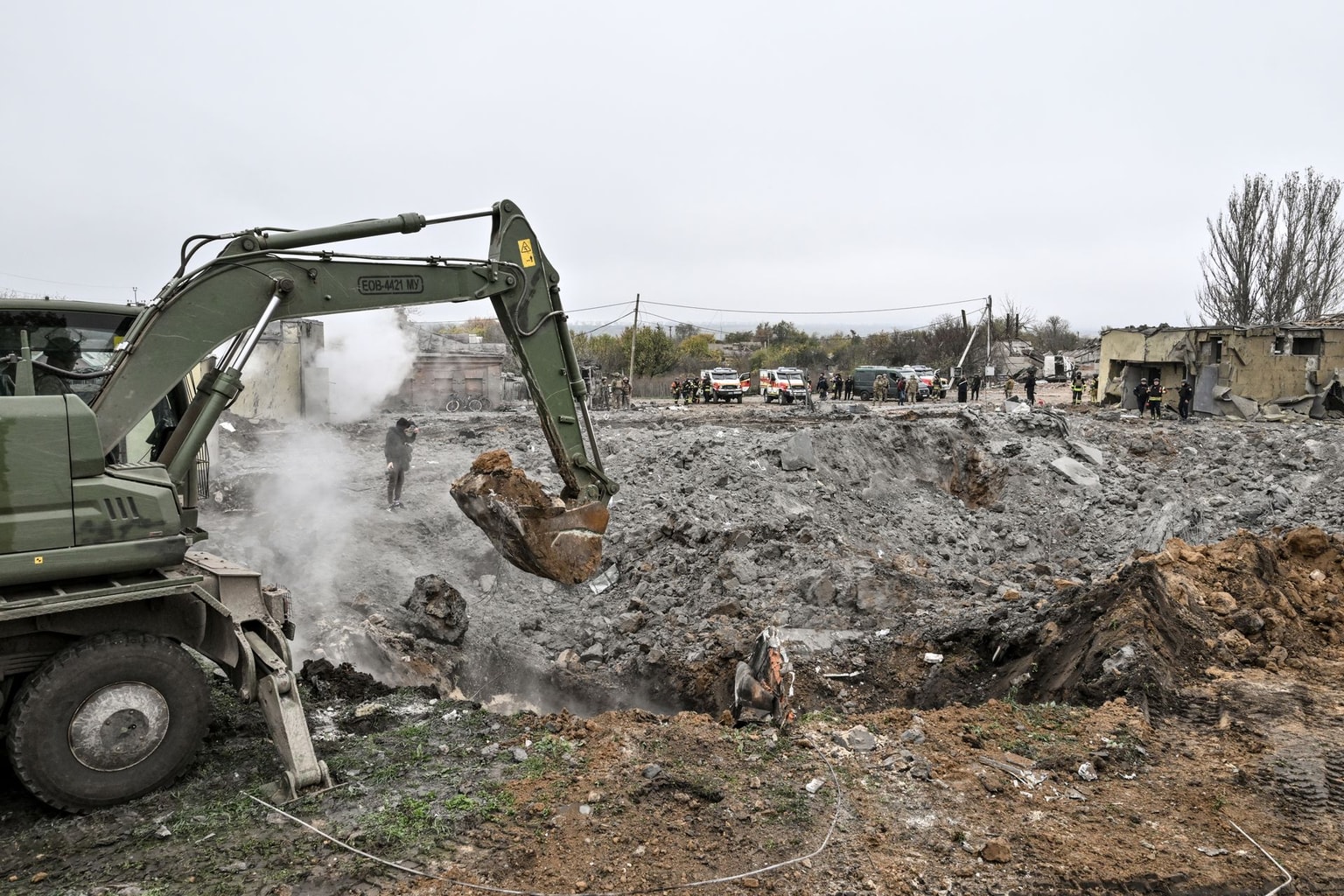
Russian forces struck Komyshuvakha several times with aerial bombs on the morning of Nov. 2, initially hitting a school building where local residents had gathered to receive humanitarian aid. One of the bombs was a 3-ton FAB-3000, which contains more than 1,000 kilograms of explosives and has a blast radius of up to 250 meters.
Most of the missing are expected to be also killed, especially given the explosive force of the bombs dropped on Komyshuvakha.
One missing woman, 56-year-old Olha, was discovered alive and well on Nov. 5, regional police chief Artem Kysko reported on Facebook on Nov. 5.
Following the first strike, Russian forces dropped another nine aerial bombs on a shelter where people were taking refuge, Zelensky reported at the time.
The president called it an "exceptionally horrific strike," saying it was proof Russia did not want to de-escalate the situation.
"Russian forces could not have been unaware that local residents who remained in Komyshuvakha received humanitarian aid there every week," Zelensky said.
According to Ukraine's State Emergency Service, rescue workers and police officers had arrived at the scene when the threat of another Russian strike emerged. The rescuers took shelter, but Russian forces carried out further strikes on the same site.
Two rescue workers, Denys Konovalenko and Oleksii Sushchevskyi, both 44, were among those killed, the State Emergency Service said.
A 53-year-old military medic from Zhytomyr, Oleksandr Zaryashchuk, was also killed in the strike, said Suspilne Zaporizhzhia. Serving as a medic since 2024, Zaryashchuk was in the village when the first bombs struck. He hurried to the attack site to help the wounded, his daughter his daughter Oleksandra Vaskivska told Suspilne.
"I started writing to Dad, and he did not answer...," Vaskivska said.
His body was identified in the morgue only on Nov. 4, she said.
"And then I saw a video where my father was in the shelter in the last minutes before the second strike. You could see him going down there with other people."
Michael O’Flaherty, the Council of Europe's human rights commissioner, condemned the attack in a statement on Nov. 5.
"These attacks not only expose civilians to immediate danger but deprive them of essential means of survival, as winter approaches. The continuing attacks make already difficult conditions even more dangerous for civilians, particularly the most vulnerable, among whom are children, older persons, people with disabilities and internally displaced persons (IDPs)," O’Flaherty said.
"Civilians must be protected, and the suffering caused by this war must never be normalised."
The attack destroyed a gymnasium, an outbuilding and a fire truck, and damaged the school building.