UN Security Council to hold emergency meeting in response to Russia's ballistic missile terror
 on Google
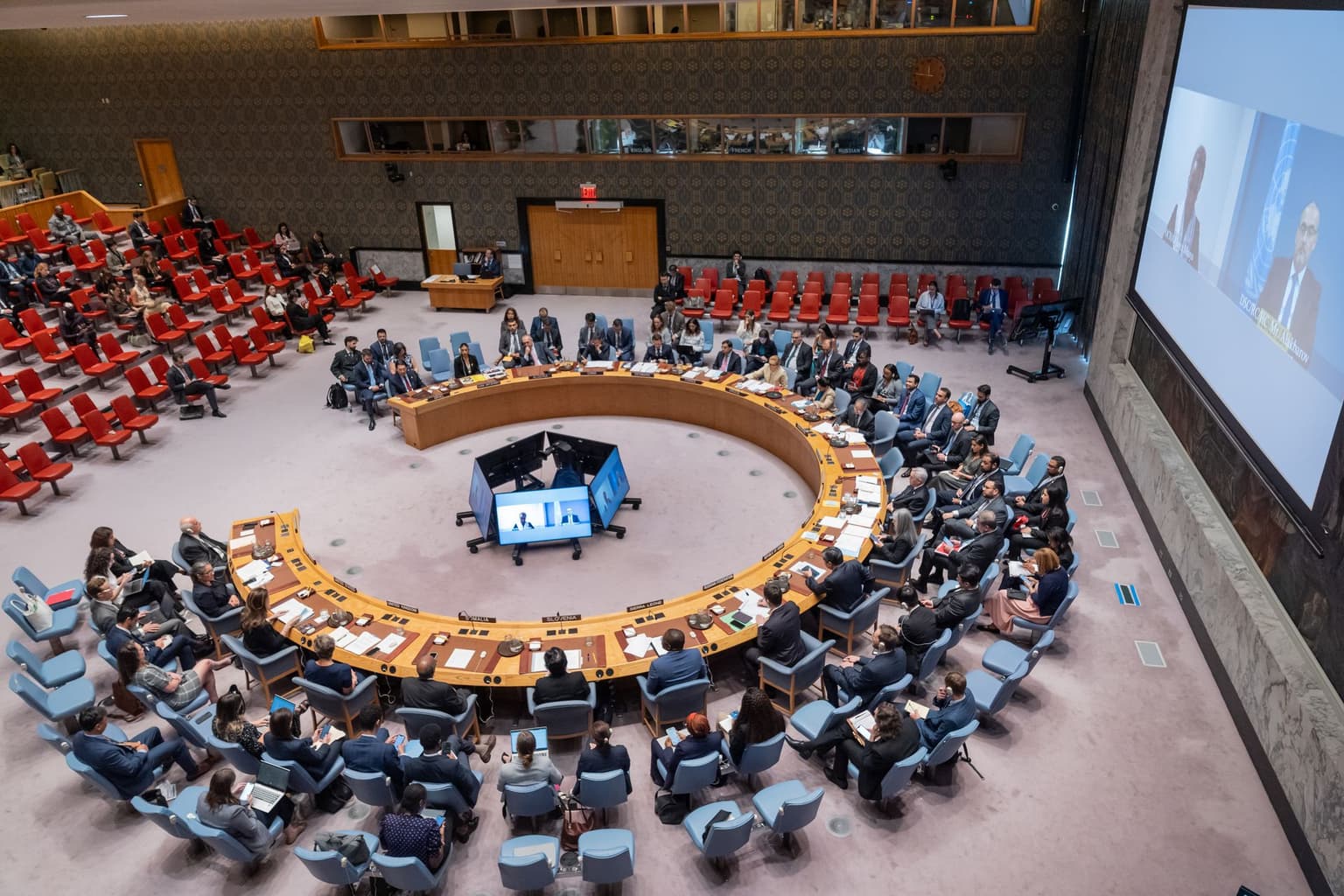
The United Nations Security Council will convene an emergency meeting to address Russia's recent large-scale attacks on Ukrainian cities, Foreign Minister Andrii Sybiha announced on June 5.
The meeting was requested by Ukraine and will be held on June 8.
"The latest wave of Russian strikes is yet another reminder that Moscow continues to choose escalation over peace, and terror over diplomacy," Sybiha said on X.
"Sustained international pressure on Russia remains essential to restore respect for the U.N. Charter and advance President (Volodymyr) Zelensky's meaningful proposal to the Russian Federation to end the war."
The emergency summit follows two large-scale Russian aerial attacks on Ukraine, launched only one week apart on May 24 and June 2, respectively.
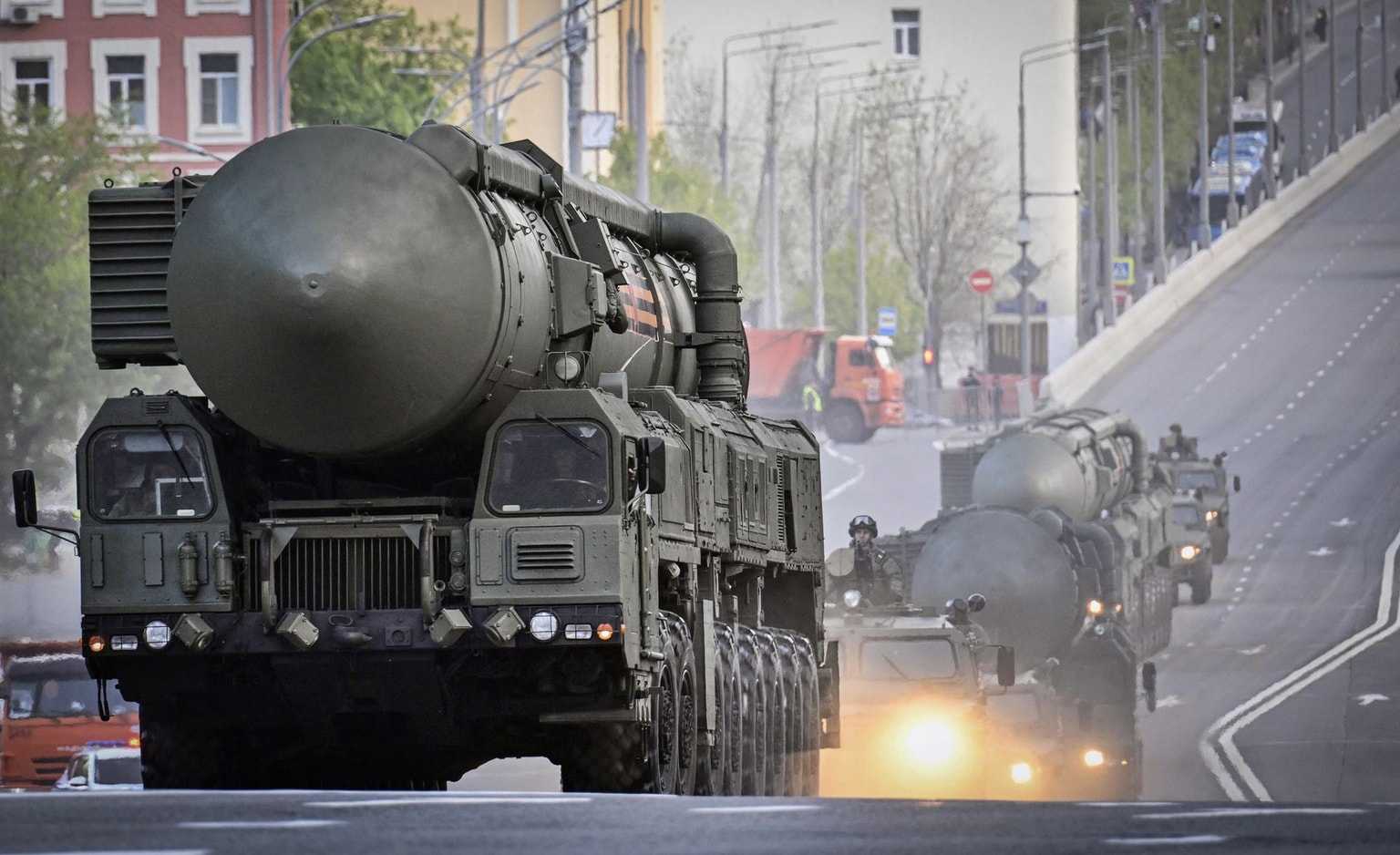
The May 24 strike primarily targeted Kyiv, hammering the capital and surrounding region with kamikaze drones, cruise missiles, and ballistic missiles for several hours overnight. Bila Tserkva, a town in Kyiv Oblast, was also hit by Russia's Oreshnik ballistic missile.
The attack killed four people and injured almost 100 others across the country, while in Kyiv alone, over 80 people were wounded and two victims killed.
The combined attack struck at Kyiv's administrative and cultural center, damaging the National Art Museum, the Kyiv Opera Theater, the Ukrainian House, the Valeriy Lobanovskyi Dynamo Stadium, and the Chornobyl Museum.
The Cabinet of Ministers, Ukraine's government headquarters, was hit for the second time since the start of Russia's full-scale war, while the Foreign Ministry building was damaged for the first time since World War II.
After the May 24 attack, Sybiha called on the U.N. Security Council and the Organization for Security and Co-operation in Europe (OSCE) to coordinate an emergency response.
Zelensky, meanwhile, penned an urgent appeal to U.S. President Trump, warning of Ukraine's critical shortage of air defense systems.
Zelensky also warned Ukrainian citizens on May 29 to prepare for another mass attack, as intelligence reports indicated Russia was planning another large-scale assault.
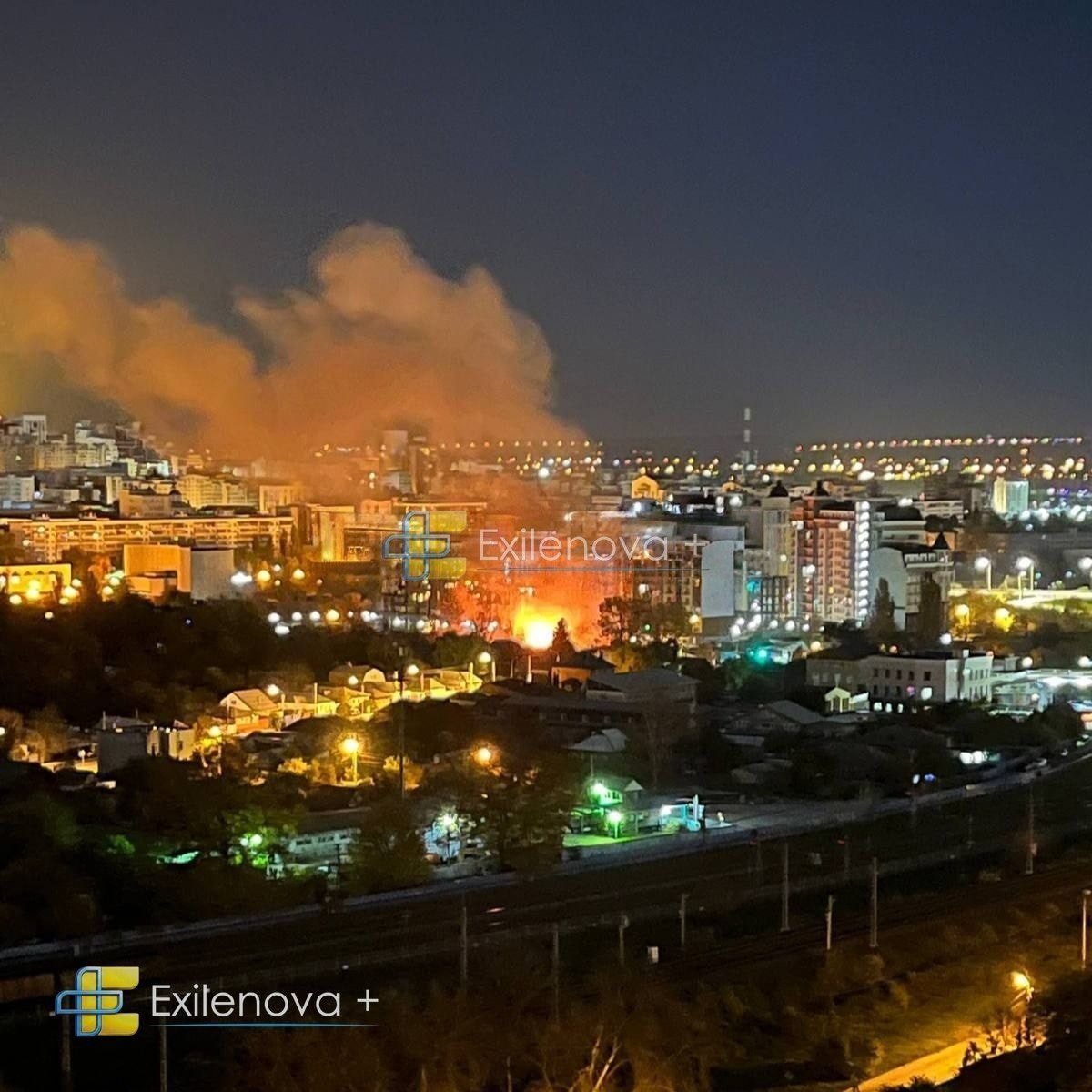
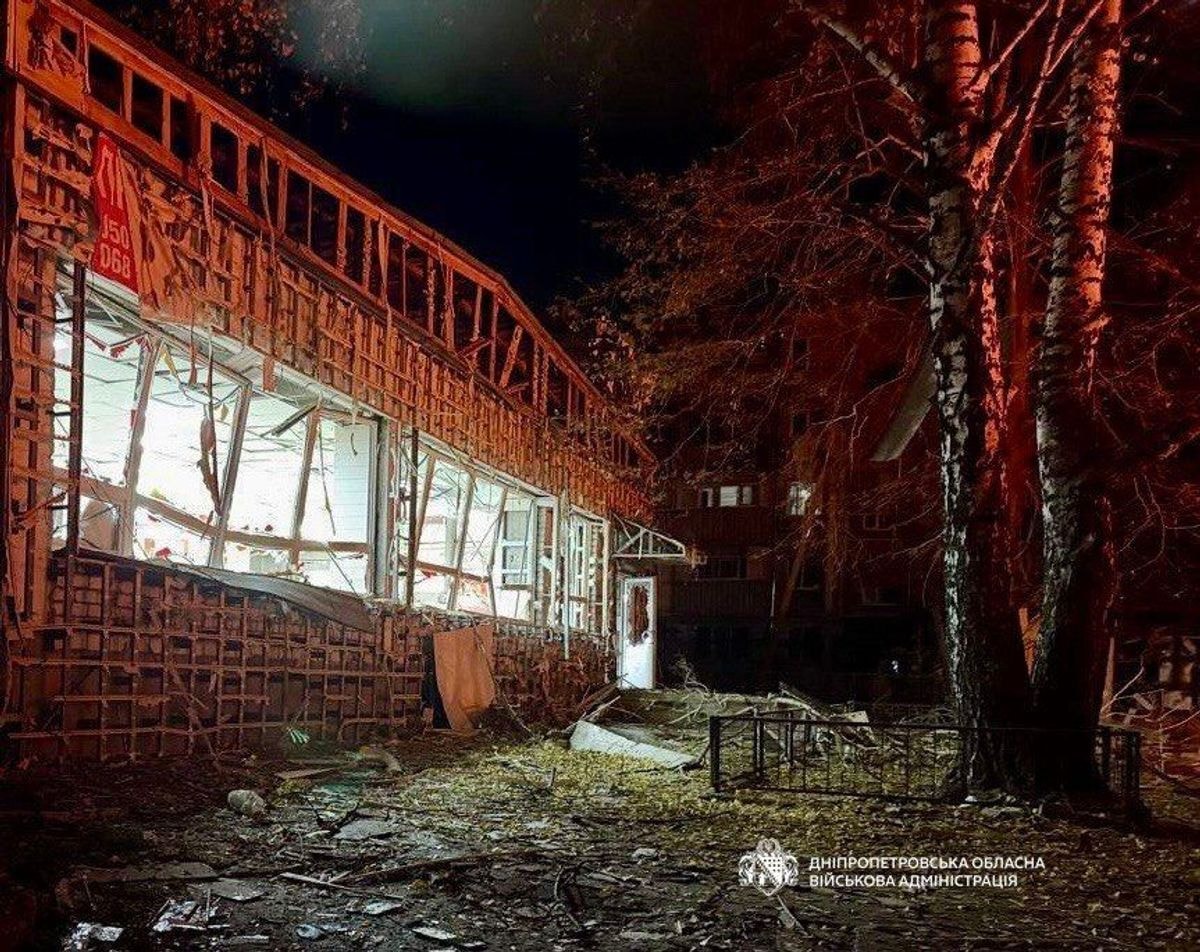
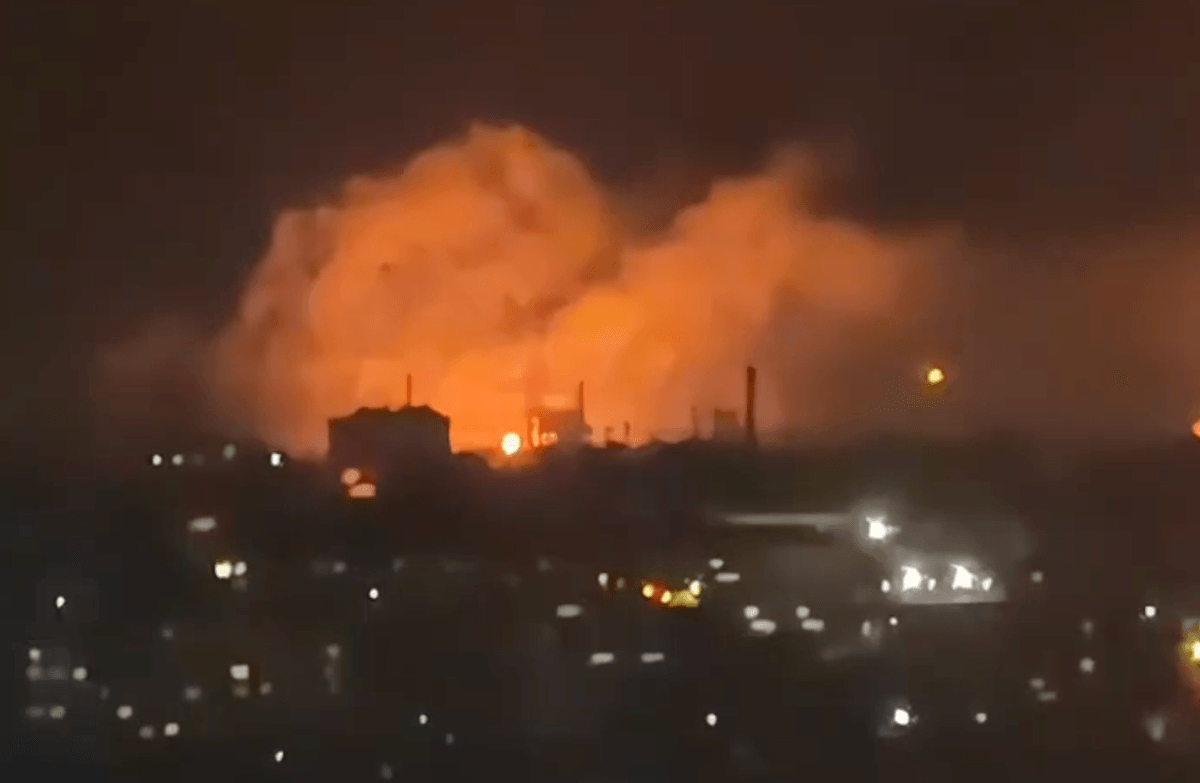
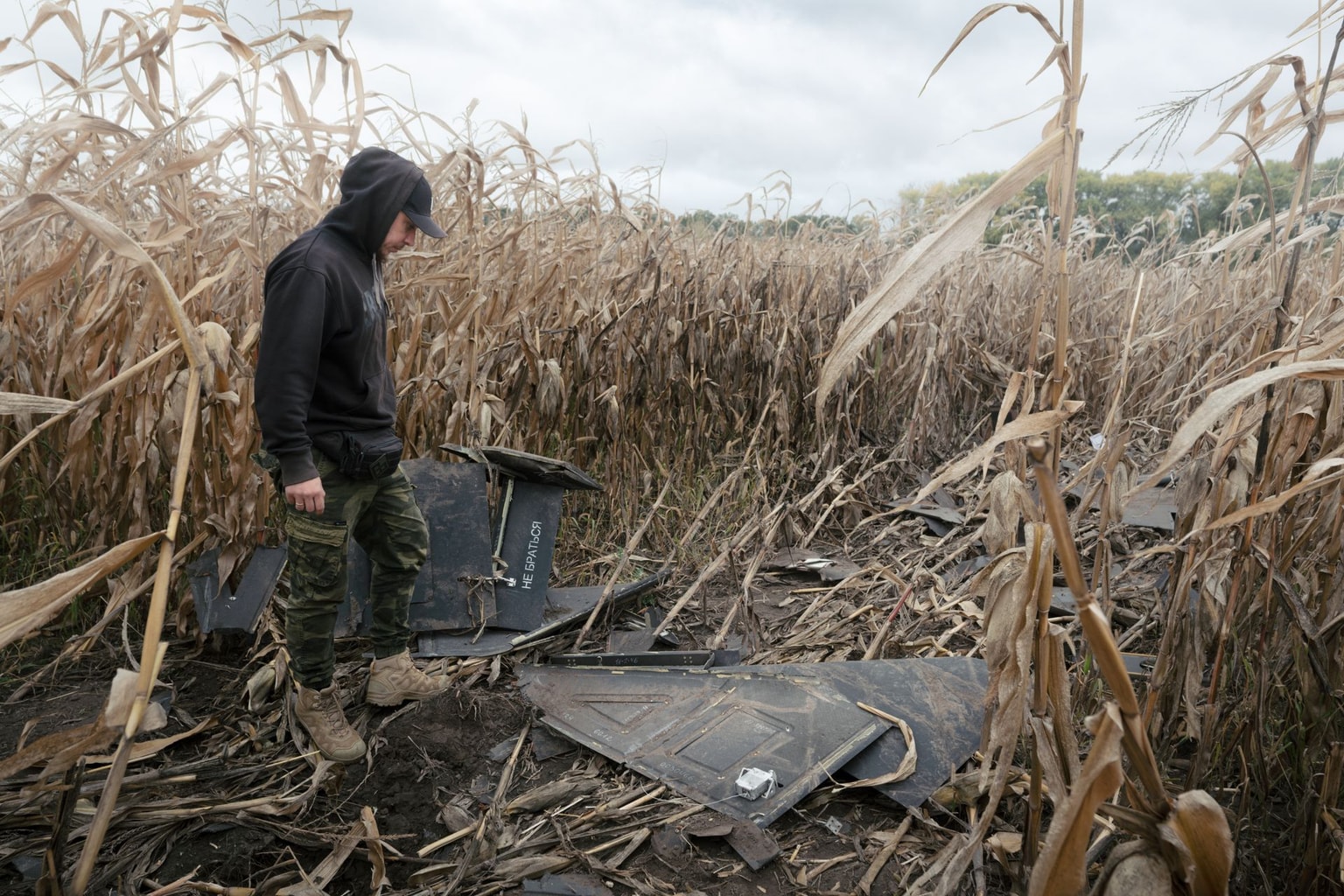
These reports proved true: Russia lashed out the following week with one of the largest attacks of the full-scale war, slamming Kyiv, Dnipro, and other Ukrainian cities with missiles and drones — including hypersonic Zircon anti-ship missiles.
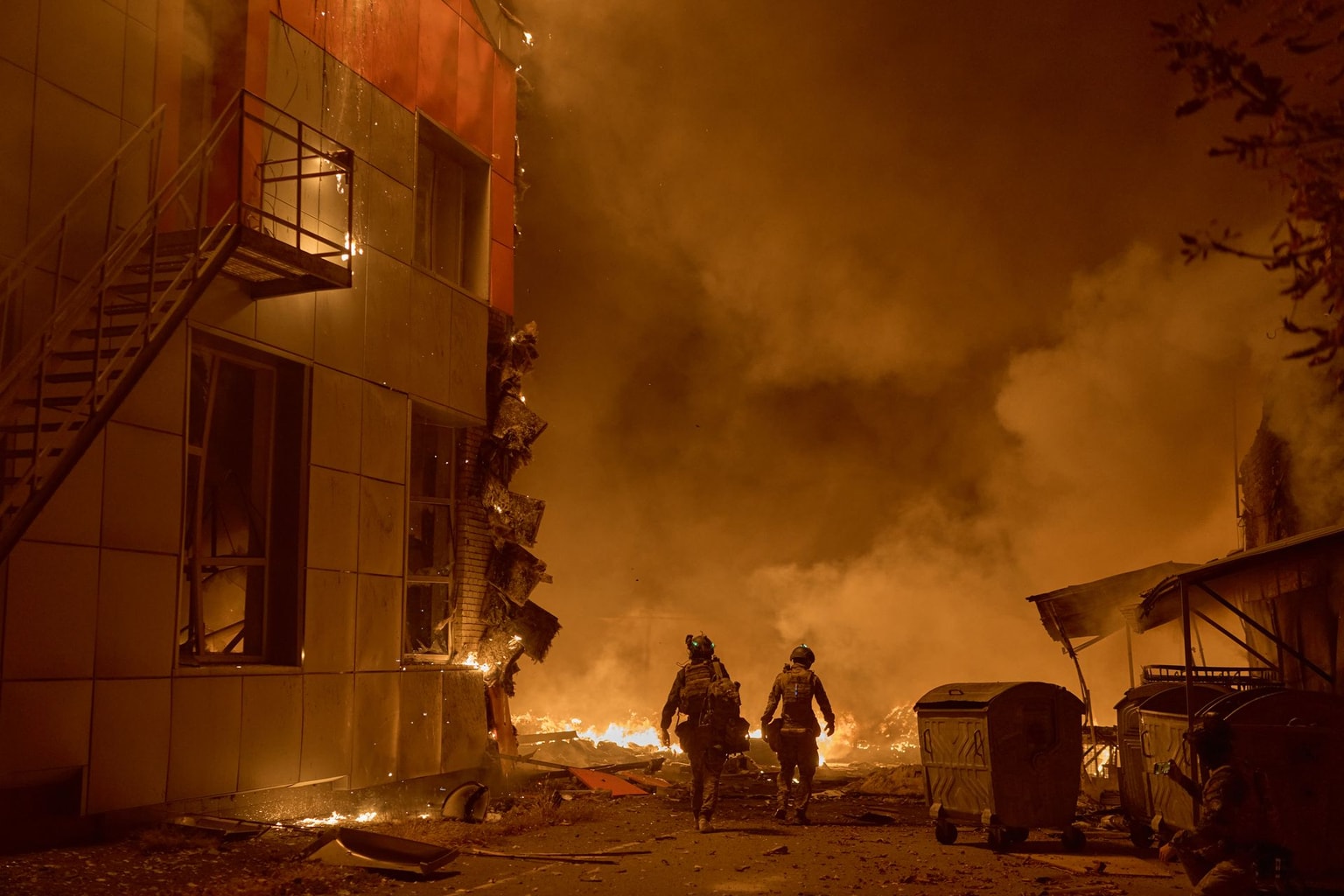
The attack killed at least 23 people, including two children. At least 130 others were injured. Some casualties were the victims of Russian "double-tap" strikes, which target emergency workers responding to the initial attack.
Ukraine responded to Russia's second mass strike with a bold drone attack on St. Petersburg on the morning of Russian President Vladimir Putin's flagship Economic Forum. A day after striking oil infrastructure and naval assets in a major Russian city while Putin was paying a visit, Zelensky published an open letter to the Russian president, urging him to finally meet and put an end to the war.
While formally addressed to Putin, the letter's contents — laying out the steep costs that five years of full-scale invasion have brought to Russia — are meant to hit home with Putin's inner circle, Moscow's elites, and ordinary people.
The U.N. Security Council has convened multiple emergency summits throughout Russia's all-out war. In September 2025, the Council gathered to discuss Russia's breaches of Estonian airspace and drone incursion into Poland — an incident that saw the first direct clash between NATO forces and Russian weapons.
Just over a month earlier, Ukraine requested an emergency Security Council meeting after Russia launched a massive attack on Kyiv that killed 16 people and injured 159, including 12 children.