Over 8,300 glide bombs dropped by Russia on Ukraine in July in record figure since full-scale invasion, military says
 on Google
Russian forces launched more than 8,300 air-dropped glide bombs against Ukraine in July, the highest monthly figure on record, the Defense Ministry said on Aug. 4, citing General Staff figures.
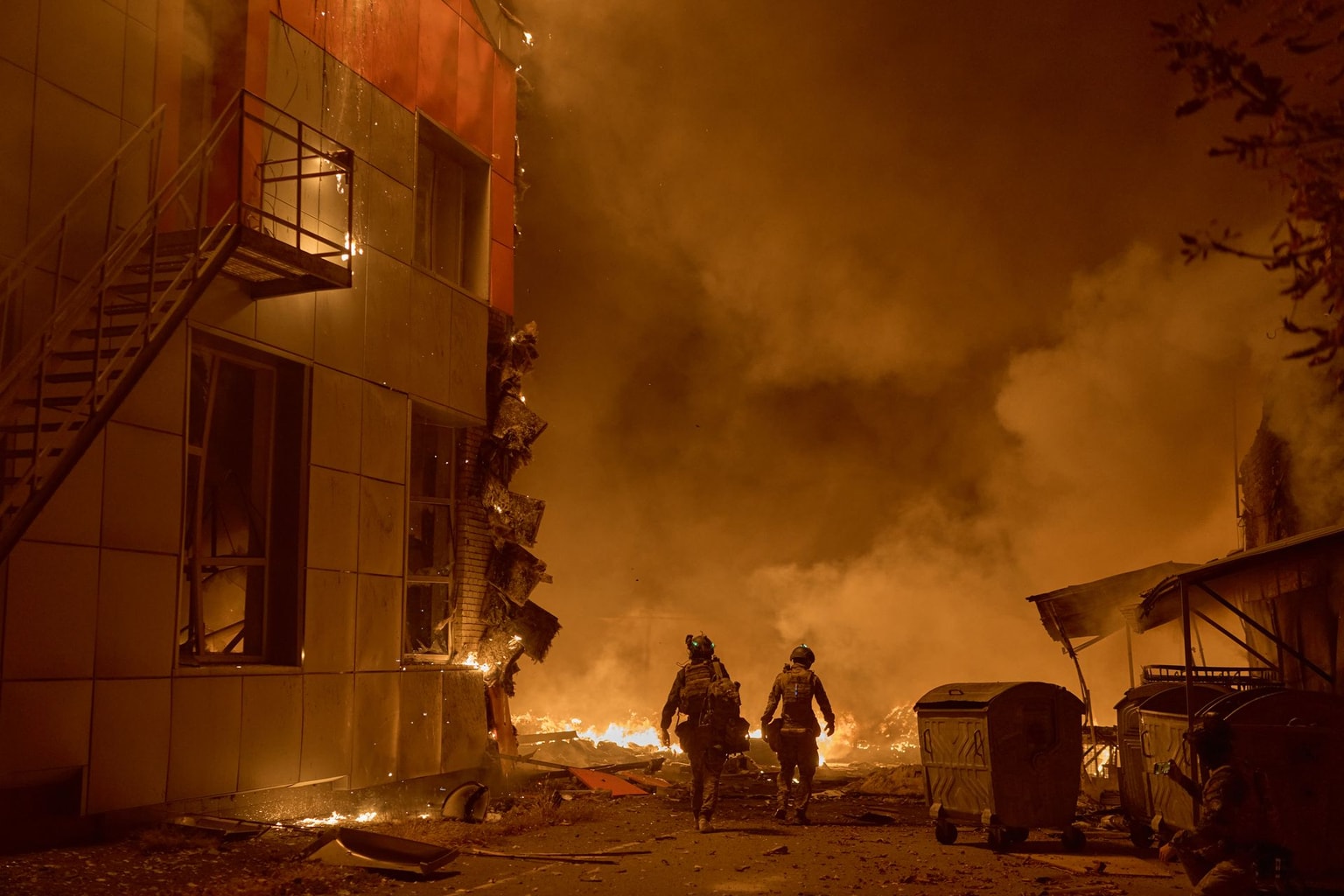
The often inaccurate but devastating weapon — to which Ukraine has no reliable counter — is used not only against military targets on the front line but increasingly against built-up residential areas in relatively safe cities further back, resulting in climbing civilian casualties.
The number passes the previous record of 8,266 set the previous month, the ministry said.
Russian guided aerial bombs, often called KABs (Kerovana Aviabomba) in Ukraine, are repurposed aerial bombs equipped with wings and precision guidance systems such as GPS, laser, or infrared targeting.
Unlike traditional free-fall bombs, KABs can glide tens of kilometers before impact, allowing Russian aircraft — typically the Su-34 — to release them from a distance, safe from the operating range of Ukrainian air defense missiles or fighters.
Warhead sizes vary by model, ranging from around 300 kilograms to 3 metric tons, enough to destroy multi-story buildings with a direct hit.
Russian forces use glide bombs against important, hardened, or entrenched targets, such as bridges, command posts, or drone teams spotted by reconnaissance assets.
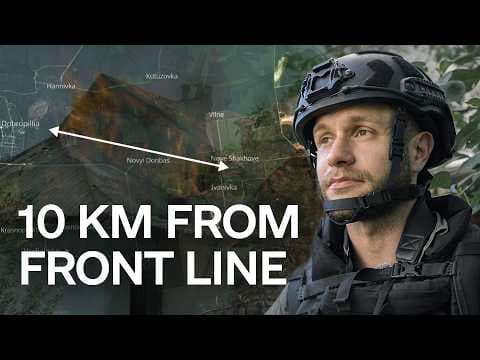
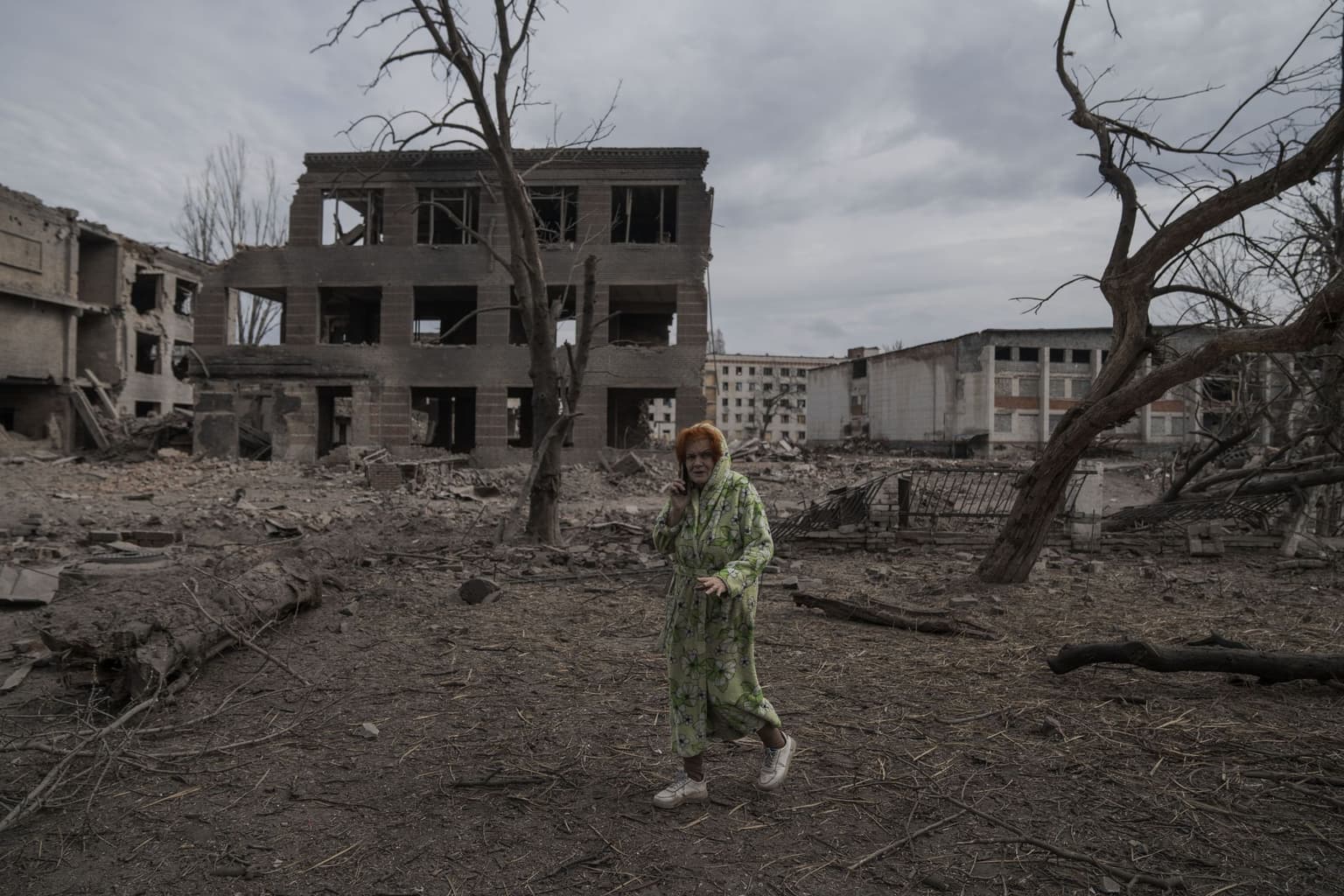
In practice, in front-line cities like Dobropillia, intense glide bombing campaigns can bring wholesale destruction to cities long before Russian forces approach their outskirts on the ground.
Despite its guidance kit, the weapon is often inaccurate and can sometimes be diverted off course by powerful electronic warfare devices.
Glide bombs are particularly devastating when used against built-up residential areas, where an impact often causes the collapse of an entire section of an apartment block.
Russian glide bomb attacks are responsible for recurring civilian casualties in front-line cities like Sloviansk and Kramatorsk in Donetsk Oblast, and sometimes also in the larger regional capitals of Kharkiv and Zaporizhzhia.