'What should we do?' Russians in panic after Ukraine strikes St. Petersburg
 on Google
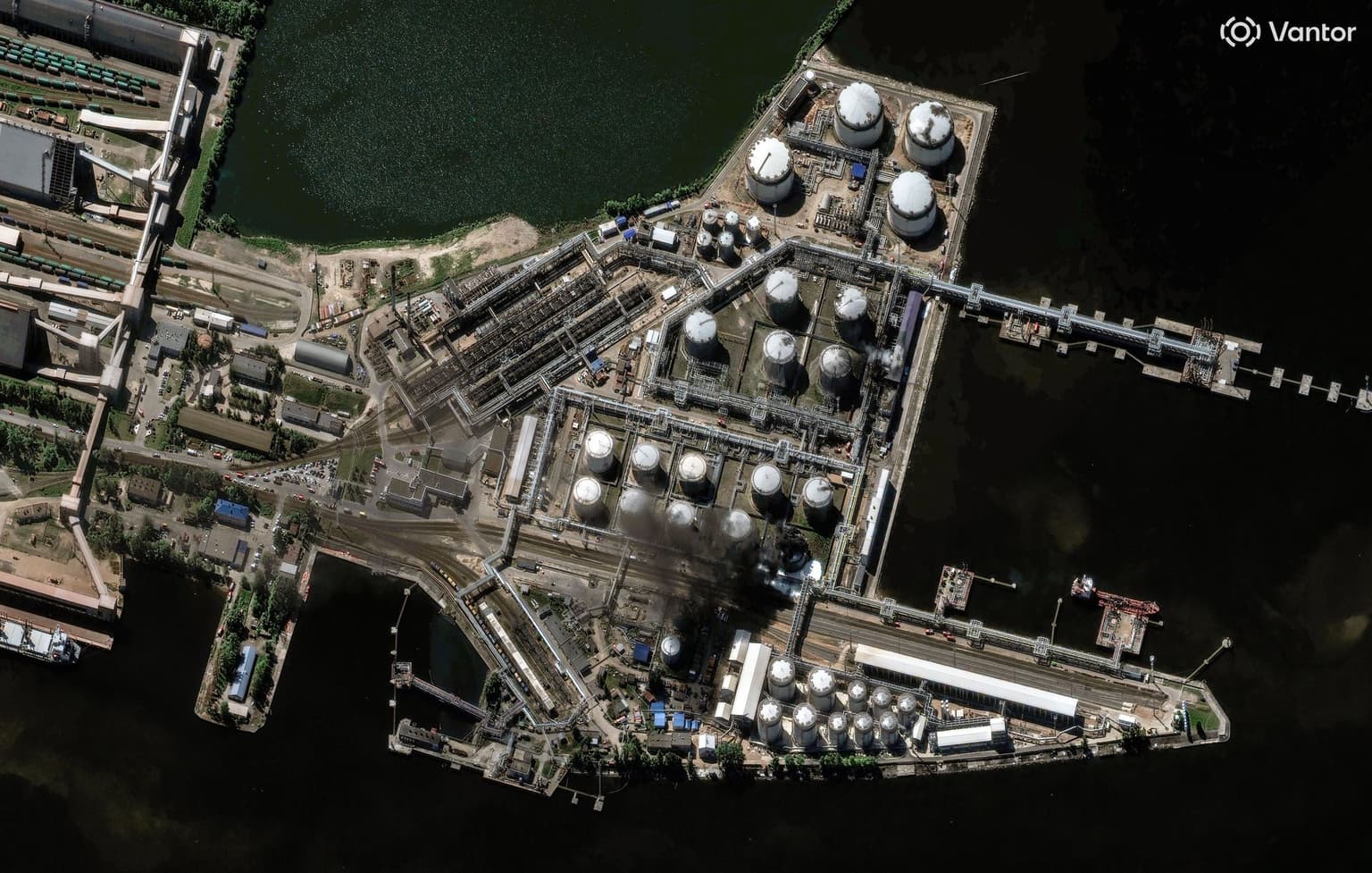
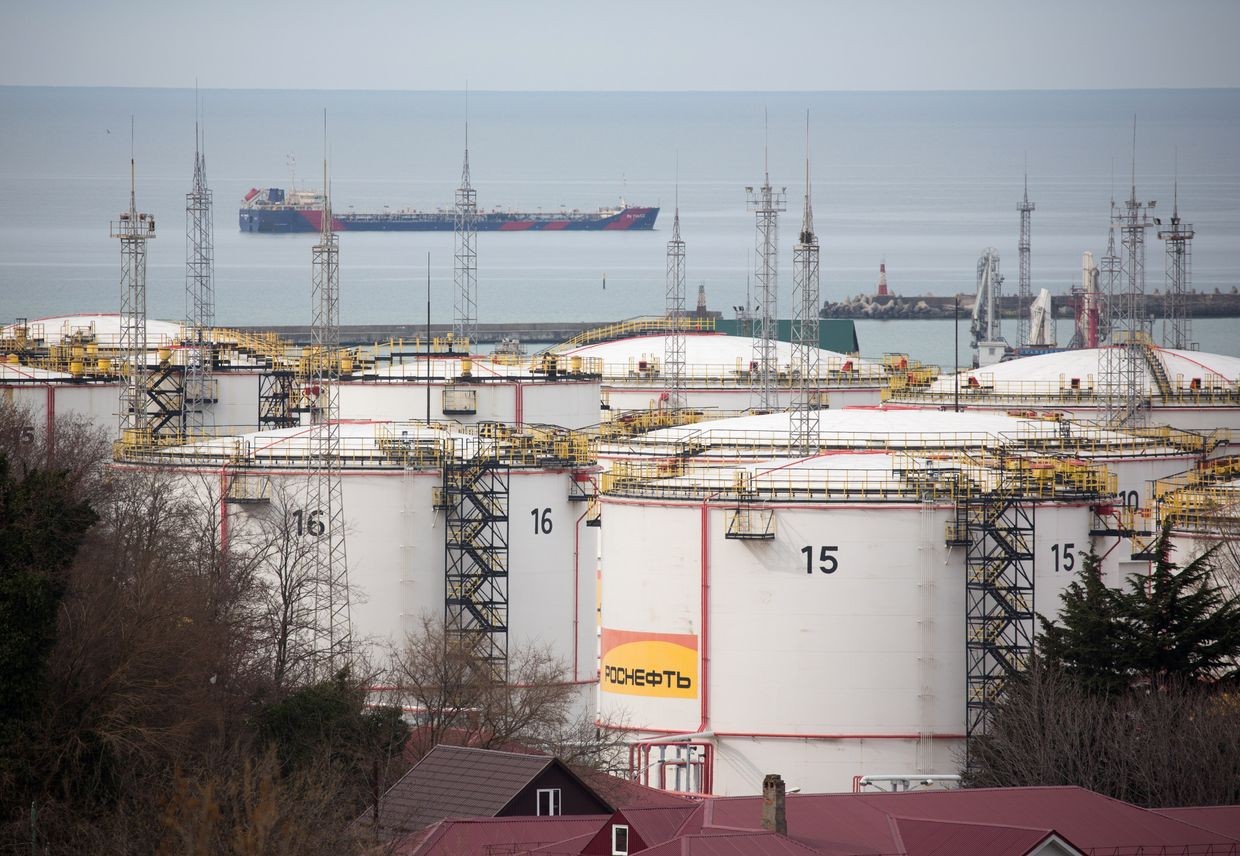
Following a Ukrainian drone strike that set fire to an oil terminal in Leningrad Oblast ahead of the St. Petersburg International Economic Forum on June 3, local residents and pro-Russian military bloggers have increasingly voiced doubts over whether even Russia's largest cities can still be considered safe.
"The business elite in St. Petersburg can now see firsthand how the Russian Defense Ministry is eroding their share of the so-called 'social contract,'" a Russian military blogger known by the nickname Reporter Filatov wrote on his Telegram channel.
"We should have foreseen the obvious and honestly predicted such raids two years ago."
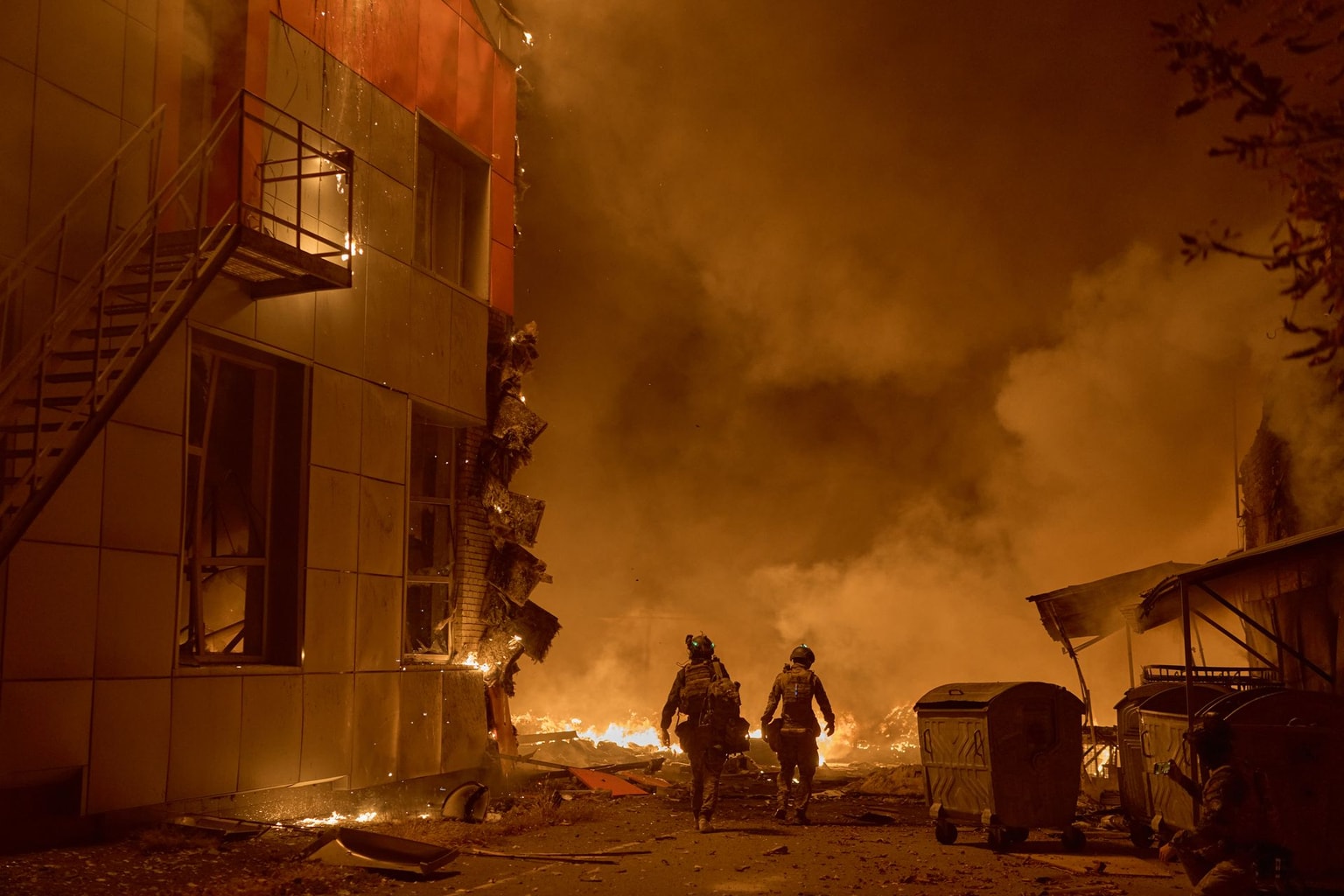
As early visitors made their way to the pavilions hosting the annual economic forum in the hometown of Russian President Vladimir Putin, large columns of smoke were visible on the horizon following a Ukrainian strike on the local oil terminal. Ukraine's General Staff confirmed on June 4 that the strike destroyed one storage tank and damaged six others, along with two technical platforms.
At the same time, fuel supply disruptions are worsening in Russia and Russian-occupied territories as Ukrainian attacks on Russia's oil sector intensify. Several gas stations in St. Petersburg have also introduced restrictions, limiting customers to no more than 50 liters of fuel per purchase, according to Russian independent media outlet Astra.
Ukrainian forces also attacked the city of Kronstadt on June 3, where they struck the Russian corvette Boikiy, a vessel of the Baltic Fleet that has been in service since 2013.
In the comments section of Fontanka, a St. Petersburg-based pro-state media outlet, some users insisted that everything in the city was under control and that it remained ready to welcome participants of the forum. Others, however, accused state television of downplaying the incident.
"They create a picture on TV that everything is fine," a user with the nickname Meshtastic Spb wrote. "Successful guests from abroad are arriving and being treated to delicious traditional dishes."
Ahead of Putin's June 5 speech at the forum, Kremlin spokesperson Dmitry Peskov said Moscow's response to such attacks would be "systemic." Peskov added that the president's address would focus primarily on economic issues, while also touching on political matters.
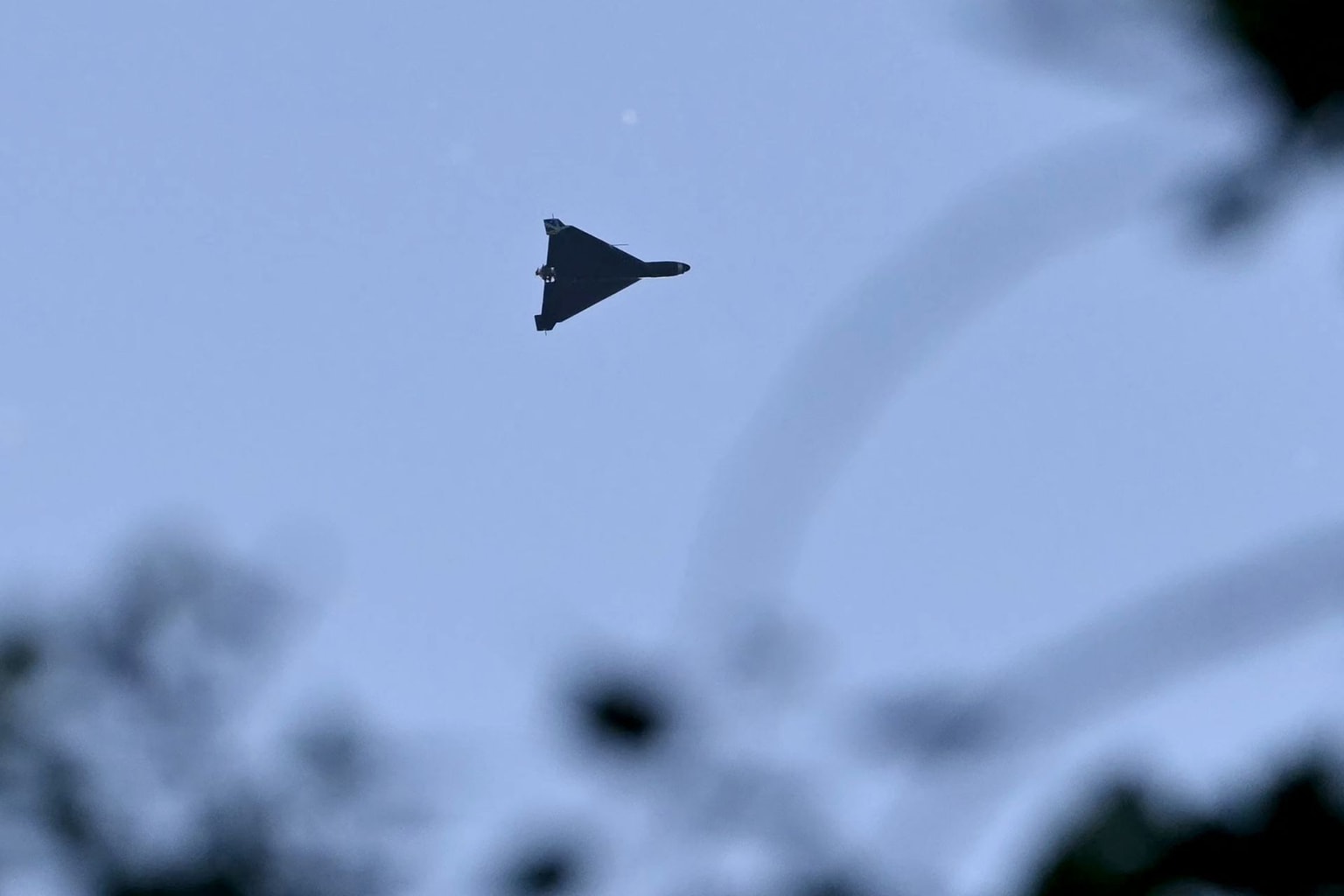
At the same time, social media has been flooded with videos from St. Petersburg showing a Ukrainian drone flying toward the oil terminal before striking the facility, while Russian air defenses appear unable to stop it.
One user posted a video showing a woman standing by a window, with at least four columns of smoke rising above the oil facility in the background.
"Everything is just burning there!" the woman said as another explosion rang out. "Should we go downstairs? What should we do?"
"I thought I was dreaming about it, but people are now writing that they were really shooting bursts from automatic weapons and using helicopters right above our heads. Now I'm even more afraid," a user named Barb wrote in the Fontanka comment section.
Several users also said it was the first time they had heard explosions linked to the war in the city, reflecting a growing sense among residents that the war is no longer confined to Russia's border regions.
Romanov Light, a Russian military blogger with more than 145,000 subscribers on Telegram, wrote that the burning oil terminal in St. Petersburg should serve as a reminder to "the elites" attending the forum that the war is still ongoing.
The blogger also suggested that Valery Gerasimov, the commander-in-chief of Russia's General Staff, was failing to carry out his responsibilities and argued that such Ukrainian strikes were the result of Moscow's alleged reluctance to target Ukrainian "decision-making centers."
Rybar, a Russian war blogger with more than 1.5 million Telegram subscribers whose channel is blocked in Ukraine, pointed to what he described as shortcomings in air defense coverage in Leningrad Oblast, including a shortage of surface-to-air missiles.
Rybar also criticized the vulnerability of Russia's fleet following the attack on Kronstadt and warned that Ukraine's drone and missile production capacity continues to grow.
"Why the corvette was in such an unprotected position is a question with an asterisk. The fleet is extremely vulnerable to Ukrainian attacks, and there are no measures that could be said to 'definitely help,'" Rybar said.
"And regarding the misconception that the enemy will ever run out of drones or missiles: production is growing. New capacity was added in March alone, which resulted in an increase in attacks in April and May, so there will only be more raids," the war blogger added.
As concerns among local residents grow and pro-Russian military bloggers raise alarms on social media, Andrei Bezrukov, a political analyst and adviser to Rosneft CEO Igor Sechin, said at the St. Petersburg International Economic Forum that Russia should prepare for a prolonged war lasting "the next two decades."
"We need to learn to live with this war. This doesn't mean we have to stop everything and cease developing the economy," said Bezrukov, a retired colonel in Russia's Foreign Intelligence Service.
"On the contrary — we need to build our state system and economy in such a way that it fulfils not only the task of development, but also the task of defense."