Russia launched Oreshnik missile at Kyiv Oblast in overnight attack, Zelensky confirms
 on Google

Russia launched its sophisticated medium-range Oreshnik ballistic missile at Ukraine's Kyiv Oblast during a massive combined missile and drone attack overnight on May 24, President Volodymyr Zelensky confirmed.
"(Putin) launched his Oreshnik against Bila Tserkva," Zelensky said in a Telegram post in the aftermath of the attack.
"They're really insane. It's important that this doesn't go unpunished for Russia," he added.
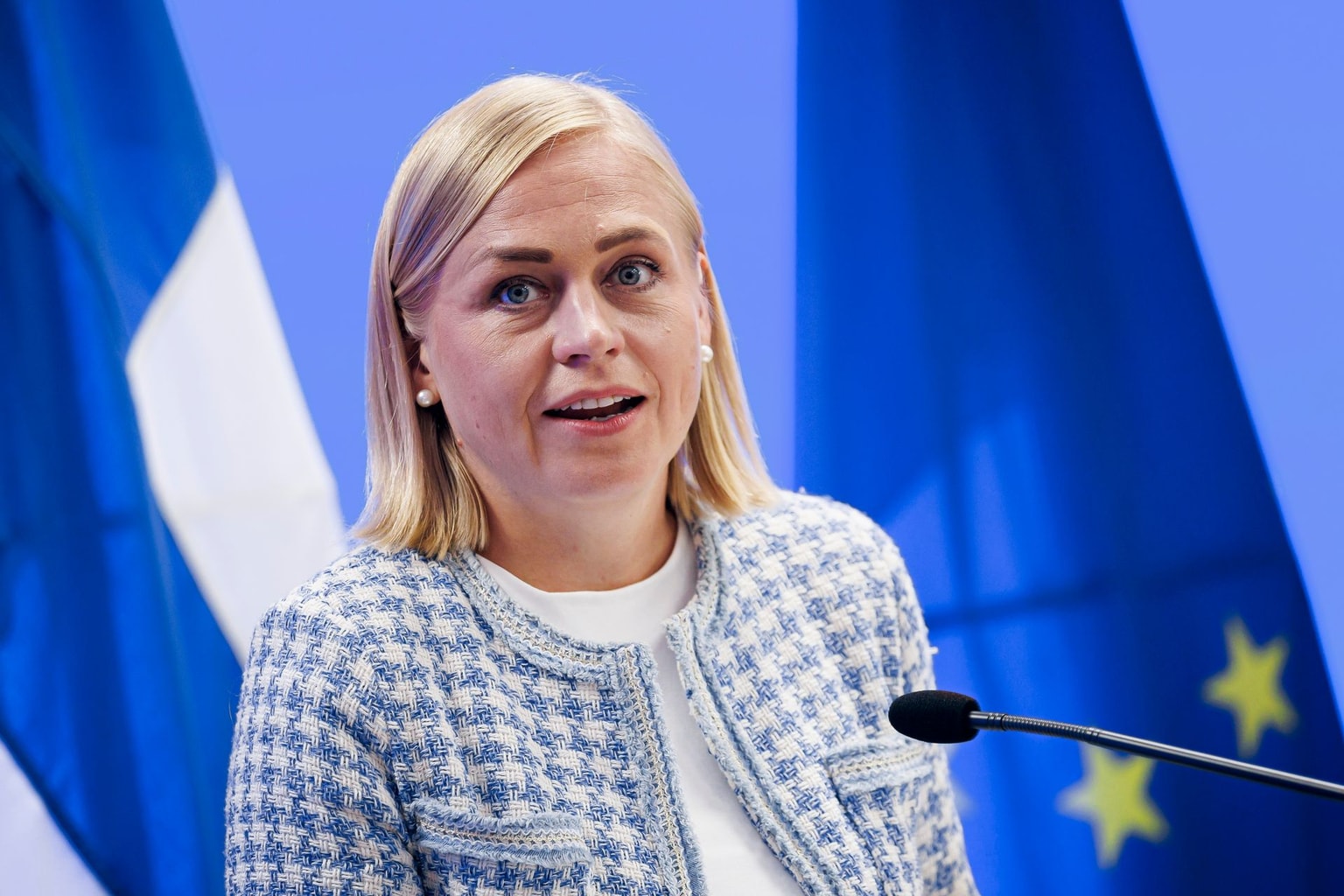
The European Union's top diplomat, Kaja Kallas, condemned on May 24 Russia's confirmed use of the Oresnik missile, calling it "a political scare-tactic and reckless nuclear brinkmanship."
"Next week, EU Foreign Ministers will discuss how to dial up the international pressure on Russia," she wrote.
The EU is discussing a fresh package of sanctions, which was shown to ambassadors on Friday. The listings, which the Kyiv Independent has seen, include entities involved in missile production as well as organizations helping Moscow evade sanctions.
Ukraine's Foreign Minister Andrii Sybiha also called for emergency meetings of the United Nations Security Council and the Organization for Security and Co-operation in Europe (OSCE) in response to Russia's mass attack and use of the Oreshnik.
"Putin is trying to intimidate Ukraine by attacking civilians and destroying residential buildings, museums, schools, and critical infrastructure," he wrote on X." He is also trying to intimidate the world by launching IRBMs against peaceful cities."
Russia has boasted that the Oreshnik missile is a sophisticated, hard-to-intercept system capable of carrying nuclear warheads, though it has not been deployed against Ukraine in that capacity.
Little is known about the weapon, but some defense analysts have cast doubt on its novelty — claiming that it is an upgraded version of Russia's RS-26 Rubez, first developed in 2011.
Zelensky first warned on May 23 that Russia appeared to be preparing for a potential strike with the weapon, citing Ukrainian, European, and U.S. intelligence.
The targeting of Bila Tserkva marks the third known use of the Oreshnik missile against Ukraine, and the first time the weapon has been directed at Kyiv Oblast. Russia first deployed the Oreshnik in late November 2024, striking the central-eastern city of Dnipro. A second launch followed in early January, when the missile was used against western Lviv Oblast.
Putin said in November 2025 that Russia had begun serial production of the Oreshnik missile.