Ukraine war latest: Kyiv suffers worst water outage of full-scale war after mass Russian assault
 on Google

Key developments on Nov. 4:
- Russian strikes cause Kyiv's worst water outage of full-scale war
- 'Insane attack' — Death toll from Russian strike on Komyshuvakha rises to 40 as search operation enters 3rd day
- 'Security guarantees must be ironclad' — Zelensky speaks to Trump's envoys ahead of trilateral peace talks
- Russia has capacity to produce over 200 ballistic, cruise missiles per month, Ukraine's military intelligence says
- Russian attacks kill 6, injure 50 across Ukraine over past day, as energy facilities targeted in multiple regions
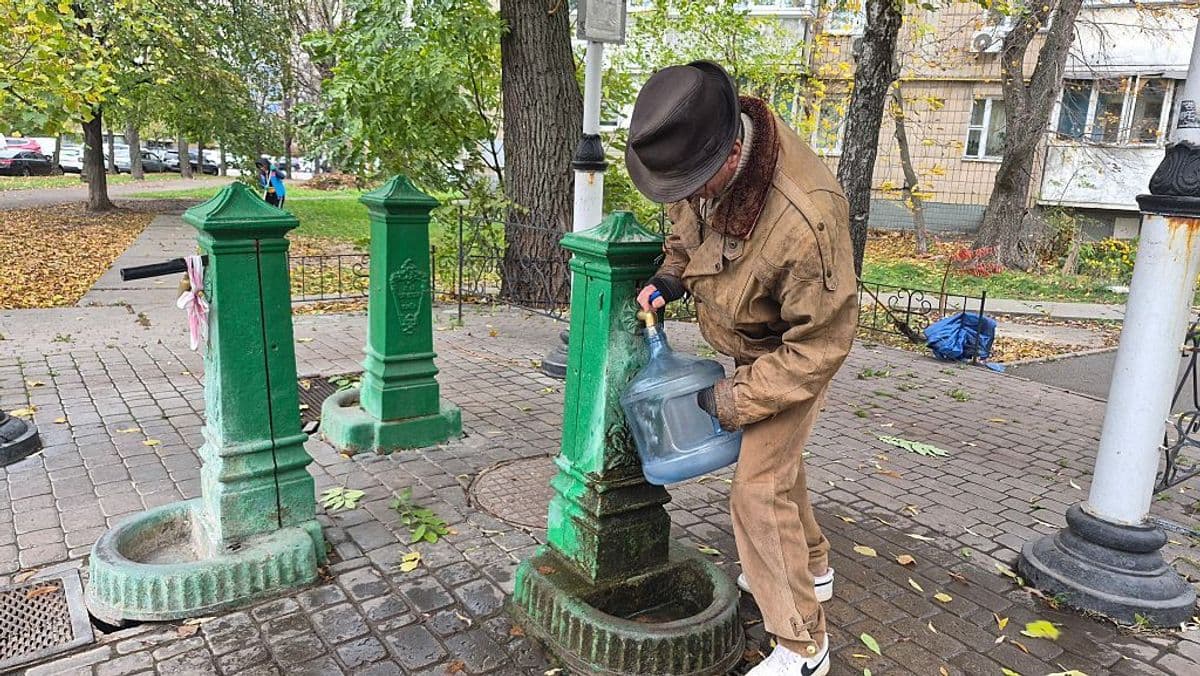
The mass Russian strikes on Ukraine's energy system on Nov. 3 triggered Kyiv's most severe water outage of the entire full-scale invasion, three people with knowledge of the matter, including a government advisor, told the Kyiv Independent.
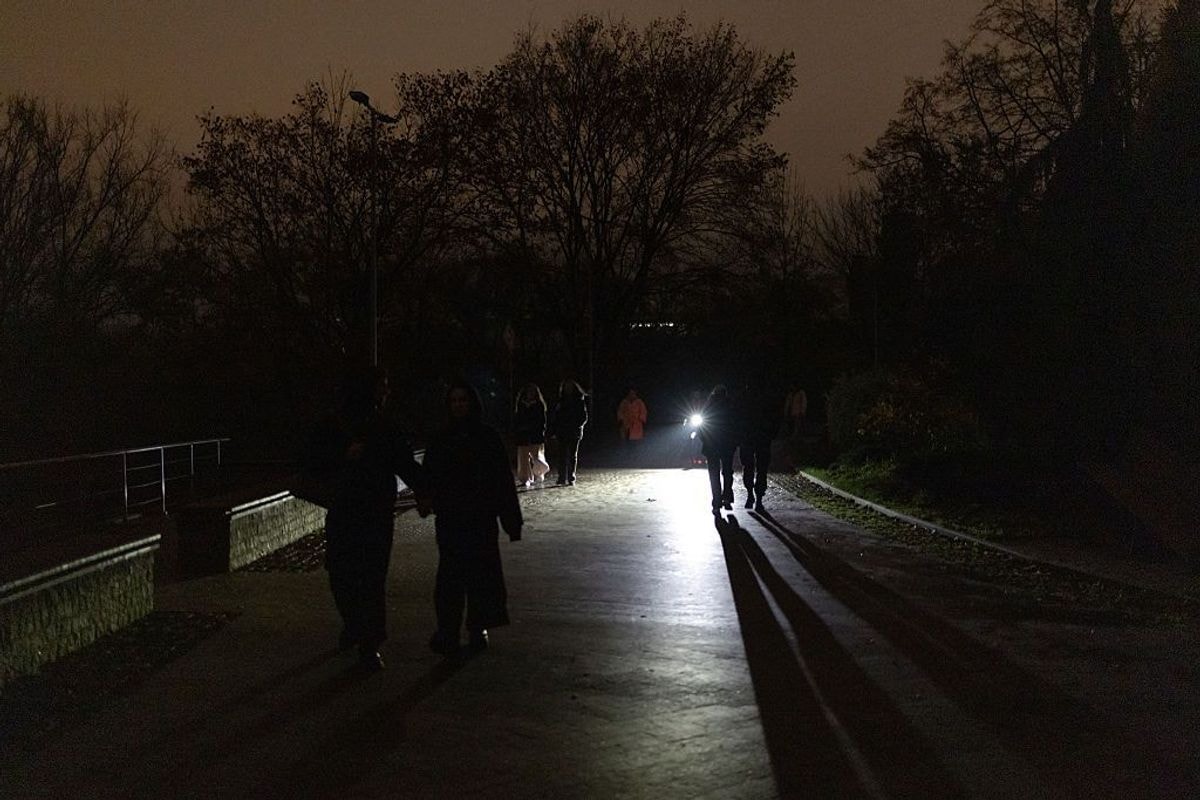
Residents throughout Kyiv were left without water for more than 24 hours after the strikes cut power to the city. While authorities haven’t confirmed the exact number of consumers left without water, outages were reported in most districts of the city, including the center, where some restaurants even had to close their bathrooms to customers.
"This is the most serious water outage in Kyiv since the war began. It is also expected that the situation will worsen in the winter," Mykhailo Yatsuk, director of the Institute of Water Problems and Land Reclamation, told the Kyiv Independent.
Russia’s mass attack on Nov. 3 was the largest on Ukraine’s energy infrastructure this year, causing widespread power outages in the capital. Without electricity to power Kyiv’s huge, centralized water system, water is unable to be pumped to households and businesses.
While Kyiv has suffered water outages before, they only lasted for a few hours following an attack, rather than more than a day.

The situation has worsened over the past year largely because Russian strikes in January crippled power generation at three of Kyiv's combined heat and power plants, Oleksandr Kharchenko, director of the Energy Industry Research Center, told the Kyiv Independent.
"We used to always have the option to power water supply from one of the CHPs, but as of now, we have lost this opportunity," Kharchenko said.
According to Kyivvodakanal, the capital's city-run water company, the Russian attack effectively cut off all water supply in the city on Nov. 3. By the afternoon of Nov. 4, the company's workers had managed to stabilize the water system, although it still took several hours to fill the water supply networks, stabilize the pressure, and for water to begin flowing to consumers again.
Both Yatsuk and a manager at a water pump company, who spoke to the Kyiv Independent on the condition of anonymity to speak freely, said that residents should stockpile water supplies ahead of winter, when the energy grid will be overloaded, resulting in even more severe power outages.
"Previously, we didn’t think that we needed water reserves. But now we do. The situation is getting worse after every attack," the manager said.
read also
'Insane attack' — Death toll from Russian attack on Komyshuvakha rises to 40 as search operation enters 3rd day
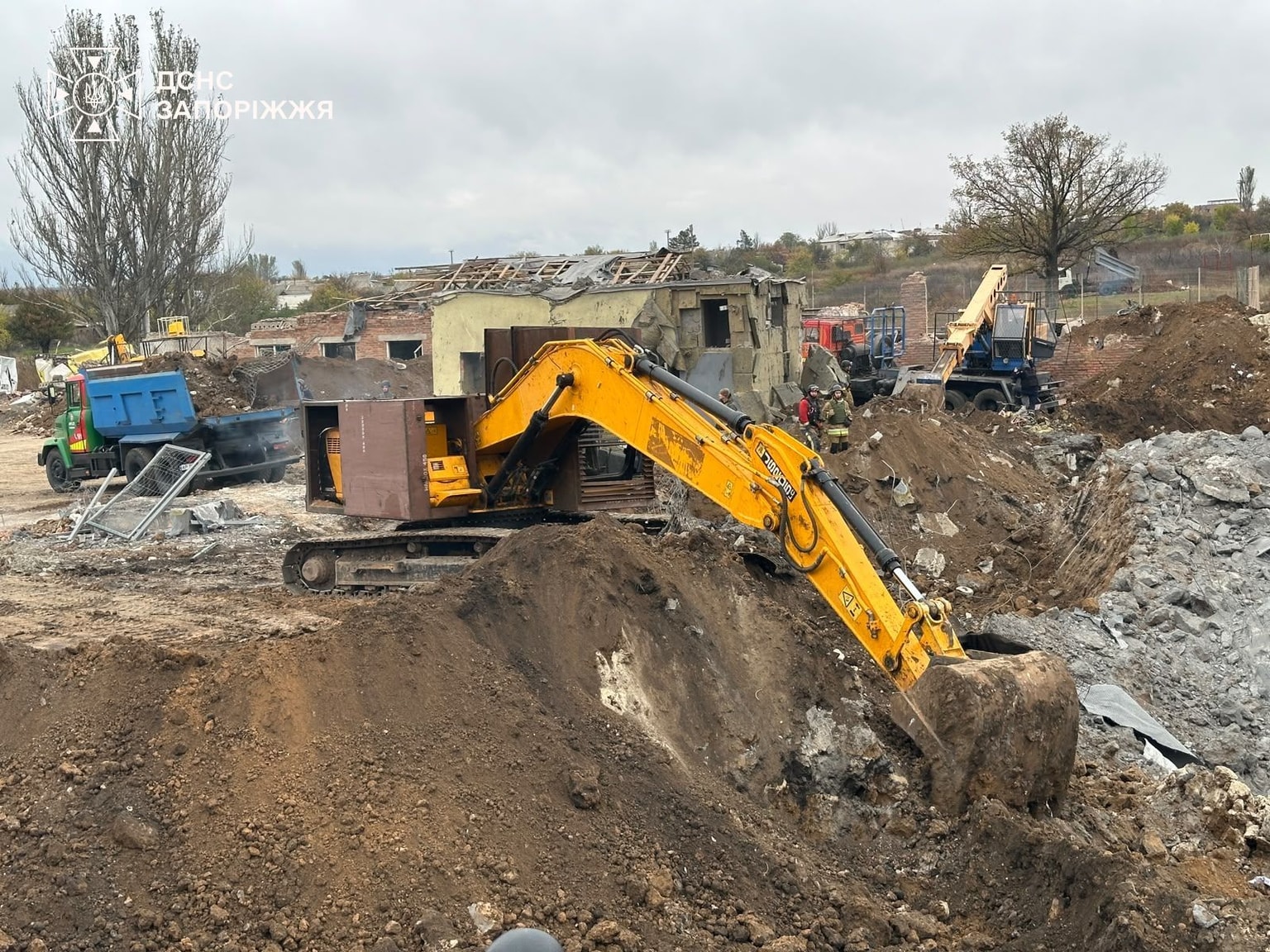
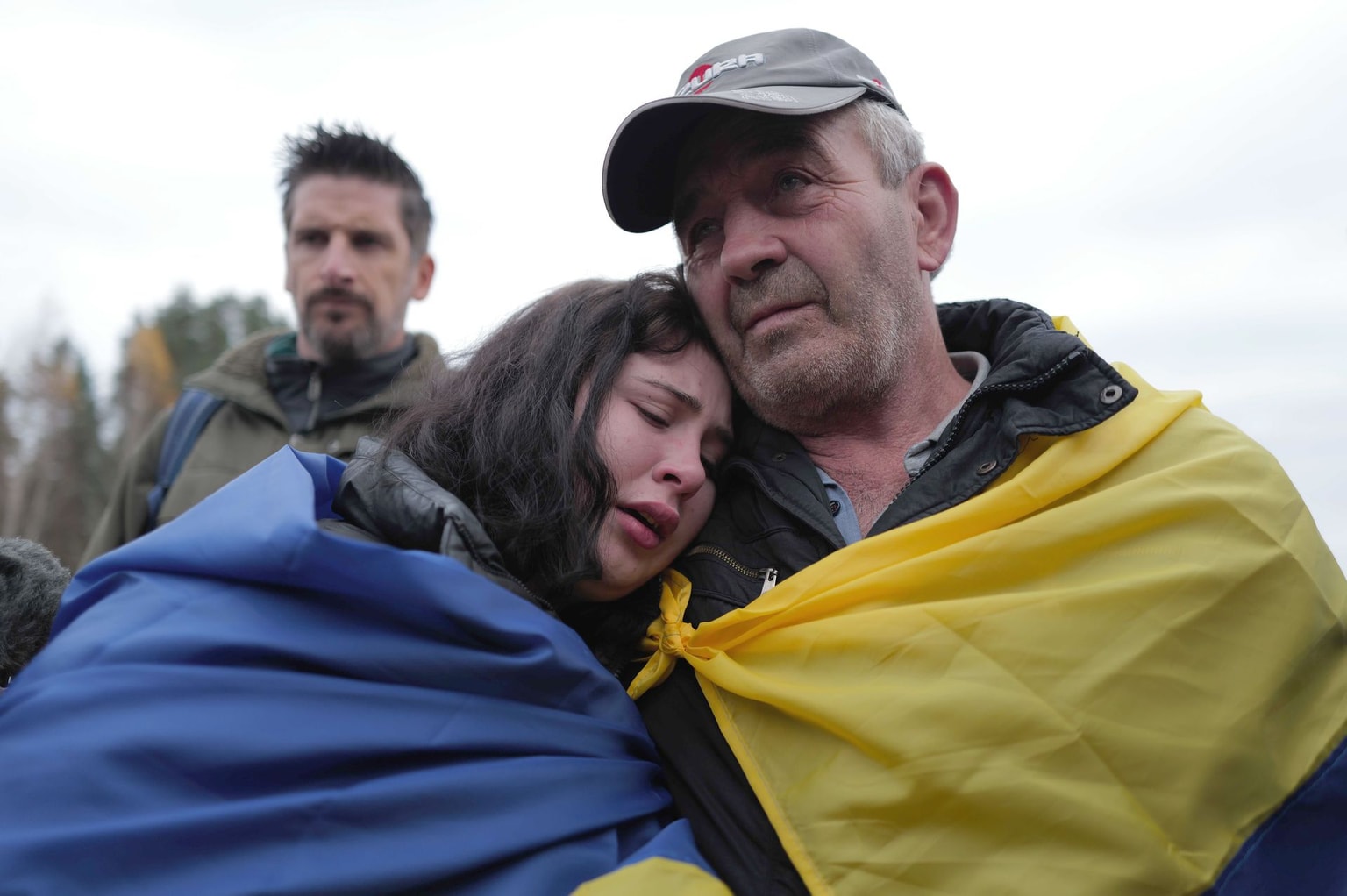
The death toll from a Russian airstrike on the village of Komyshuvakha in Zaporizhzhia Oblast has risen to 40, local officials reported on Nov. 4, as search-and-rescue operations continue for a third day.
Russian forces struck Komyshuvakha with aerial bombs on Nov. 2, hitting a school building used as a humanitarian aid distribution center. Russia used a 3-ton FAB-3000 aerial bomb, which contains more than 1,000 kilograms of explosives and has a blast radius of up to 250 meters.
President Zelensky said on Nov. 4 that while 40 people are known to be killed, some of the bodies have not yet been identified.
More than 30 people may still be trapped under the rubble, he added.
Rescue workers, including canine search teams and specialists from the State Mining Rescue Service, continue searching through the rubble for victims, Ukraine's State Emergency Service (DSNS) said on Nov. 4.
Zelensky called an ongoing rescue operation "very difficult" and "extremely challenging" as the constant threat of further Russian strikes remains.
Russian forces launched several aerial bomb attacks on Komyshuvakha throughout the morning of Nov. 2, initially striking a school where local residents gathered to receive humanitarian aid.
Following the first strike, Russian forces dropped another nine aerial bombs on a shelter where people were taking refuge, Zelensky said.
The president called it an "exceptionally horrific strike," saying it was proof Russia did not want to de-escalate the situation.
"Russian forces could not have been unaware that local residents who remained in Komyshuvakha received humanitarian aid there every week," Zelensky said.
The president also said that there has been very little reaction from the international community to the "insane attack" in Komyshuvakha.
'Security guarantees must be ironclad' — Zelensky speaks to Trump's envoys ahead of trilateral peace talks
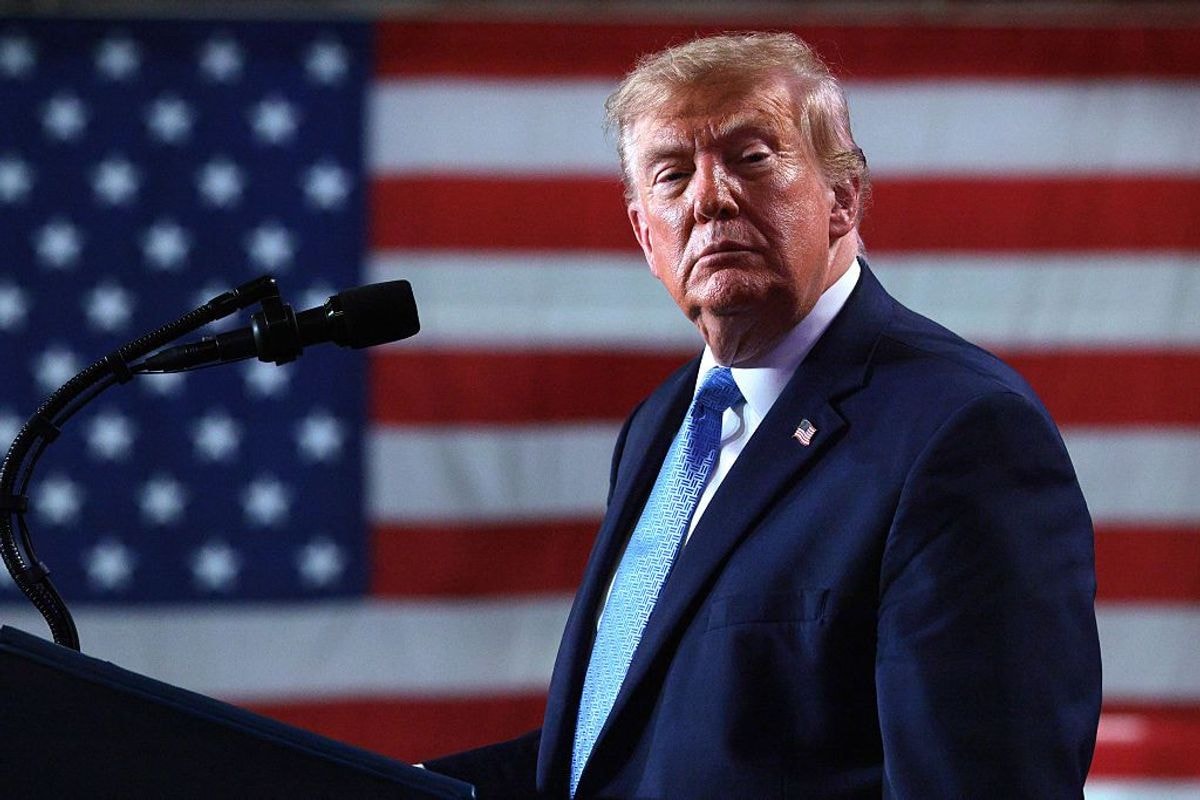
President Volodymyr Zelensky held a phone call on Nov. 4 with Steve Witkoff and Jared Kushner, the U.S. Special Envoys representing the White House in negotiations to end Russia's war against Ukraine.
The call comes ahead of the next round of trilateral peace talks, scheduled for Nov. 10 in Abu Dhabi.
Zelensky said he "had a very detailed conversation" with Witkoff and Kushner that lasted an hour and a half. Among the primary topics were air defense munitions, the U.S.-Ukraine Drone Deal, and post-war security guarantees.
The Abu Dhabi talks will be held at the team level, with delegates from all three countries holding technical negotiations that could lead to a leader-level summit involving Zelensky, Russian President Vladimir Putin, and U.S. President Donald Trump.
Both Zelensky and Putin expressed willingness to hold negotiations after meeting with Witkoff in Oslo and St. Petersburg, respectively, in October.
"The pace of negotiations needs to be as intense as possible to end this war as quickly as possible," Zelensky said on Nov. 4.
"Ukraine is ready to take the necessary steps, our proposals are clear, and we have presented them to the American side."
U.S. representatives also took part in talks with European partners in Brussels earlier in the day. The negotiations were meant to coordinate joint peace efforts ahead of the Abu Dhabi meeting.
Kyiv has long called for a ceasefire along the current battle lines, while Moscow has repeatedly rejected truce proposals and demanded Ukraine cede unoccupied territory. U.S.-brokered peace negotiations in Trump's second term have done little to move past this impasse.
Previous talks have yielded prisoner exchanges and some limited, short-term truces. A localized ceasefire in the Russian-occupied town of Oleshky allowed civilians to evacuate the area, which faced severe shortages of food, drinking water, electricity, and medical supplies after Russian forces prevented humanitarian organizations from delivering aid.
The Oleshky ceasefire was credited to the intervention of U.S. first lady Melania Trump.
Zelensky said air defense supplies remain a top priority for Ukraine in current talks with Washington.
"A crucial priority is air defense. This was also discussed," he said after the call. "We need interceptors for Patriot systems to protect lives from Russian attacks."
The president also discussed Ukraine's drone deal with the U.S. and the need for robust security guarantees after a peace settlement.
"We need to continue working on each of the bilateral tracks with the United States, including the "Drone Deals" format," he said.
"Ukraine is grateful to the United States for its support of Ukraine's independence, our people, and our diplomatic efforts. There is no alternative to peace, and post-war security guarantees must be truly ironclad. We are working towards this!"
Russia has capacity to produce over 200 ballistic, cruise missiles per month, Ukraine's military intelligence says
Russia has the capacity to produce over 200 ballistic and cruise missiles per month, the Ukrainian military intelligence agency (HUR) said on Nov. 4.
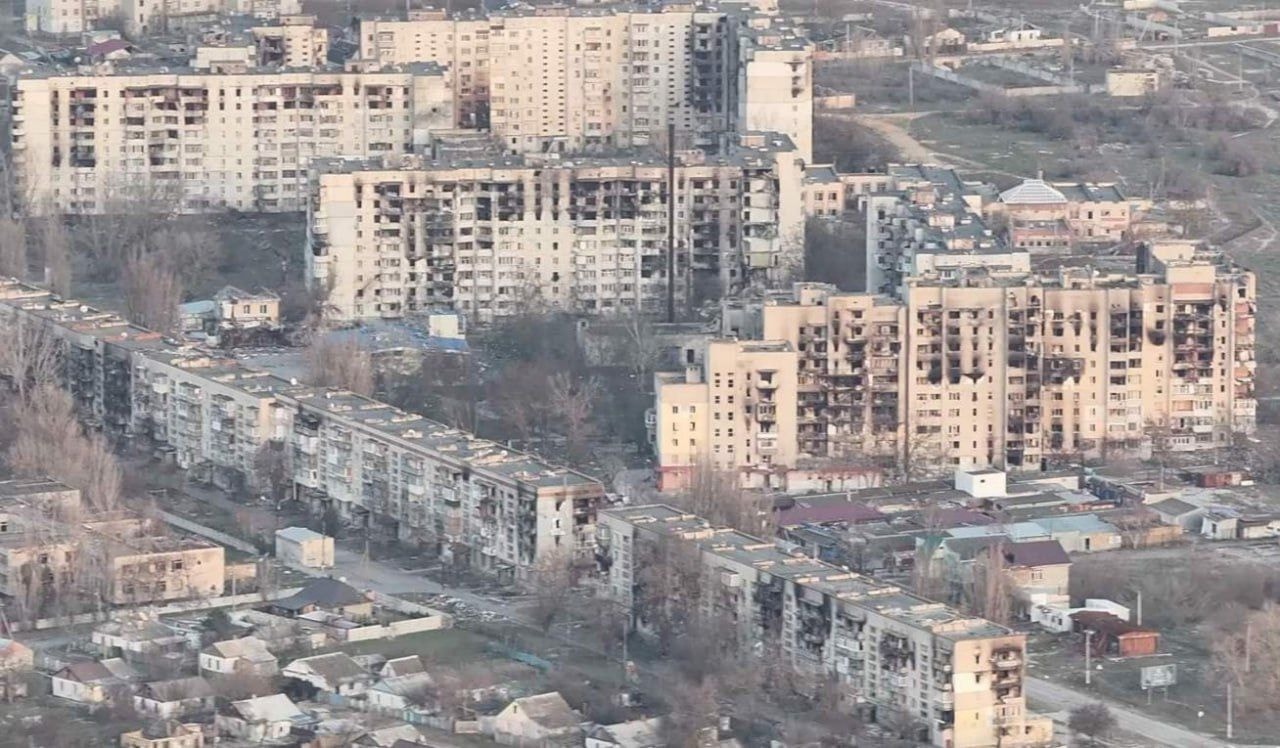
The report comes as Russia ramps up its missile attacks across Ukraine, targeting critical infrastructure and energy facilities in deadly strikes.
Of the estimated monthly capacity, up to 110 are ballistic missiles, according to HUR.
"Russia, the aggressor state, maintains significant stockpiles of long-range missile weapons and continues to ramp up production despite international sanctions," HUR said in its Telegram post.
Russia is believed to have up to 700 ballistic missiles and several thousand cruise missiles of various types in its stockpile as of October, HUR said, without revealing how it obtained the data. About 115 of these weapons are believed to be 9M723 Iskander-M ballistic missiles, the agency added.
HUR said that Russia's stockpile of the 3M22 Zircon missiles likely exceeds 120. Although designed to target and destroy warships, the Zircon has increasingly been used in Russia's large-scale missile attacks on Kyiv and other Ukrainian cities.
HUR's statement comes as Russia intensifies its missile and drone attacks against Ukraine, often targeting the country's critical infrastructure in a renewed energy blitz. Ukraine faces a deepening Patriot interceptor missile shortage to counter ballistic threats, even as the increasingly regular attacks overwhelm the country's air defense.