Democrats seize control of Congress in blow to Trump, potential boost for Ukraine
 on Google

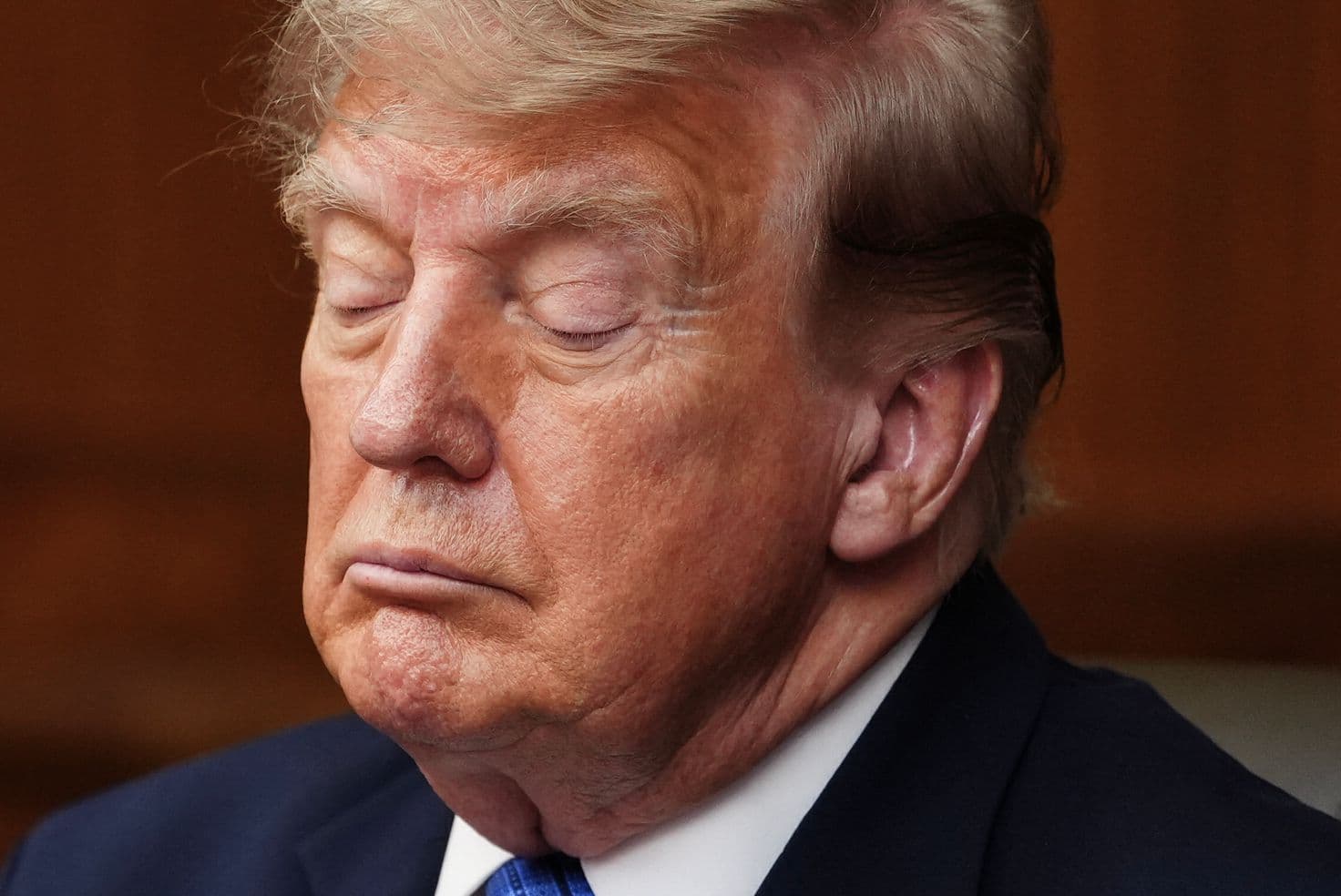
Democrats are projected to take control of both chambers of the U.S. Congress after the Nov. 3 midterm elections, dealing a major setback to President Donald Trump.
The Associated Press projected that Democrats had won control of the Senate, while NBC News projected a Democratic victory in the House of Representatives. Vote counting was still underway in several congressional races.
Trump told the New York Times he is "absolutely willing" to accept the results, as he is set to spend his remaining two years in office dealing with a Democratic-controlled Congress.
The midterm election, widely seen as a referendum on the sitting president's performance, was defined by concerns over the cost of living, rising fuel prices, and the war with Iran.
The Democratic gains could also have consequences for U.S. foreign policy.
Democratic lawmakers have vowed to rein in Trump's approach to Russia, Ukraine, and the Middle East, potentially creating more pressure on the administration to maintain support for Kyiv and take a tougher line toward Moscow.
The election comes at a low point in U.S.-Ukraine relations.
Trump has faced criticism from U.S. lawmakers, Kyiv, and European capitals for allowing Russian diesel into the U.S. and easing sanctions on Russia — moves that critics say undermine the West's strategy for ending the war.
Key Senate races signal shift on Ukraine
Several Senate races were particularly important for Kyiv, including contests in Texas, Kansas, and Michigan, where candidates held differing positions on Ukraine.
In Texas, Democrat James Talarico defeated Republican Ken Paxton, flipping the seat for Democrats. Paxton had defeated longtime pro-Ukraine Senator John Cornyn in the Republican primary after attacking Cornyn's support for Ukraine aid and related measures, including efforts involving seized Russian assets.
Paxton campaigned on an "America First" platform and opposed what he called "blank checks" for foreign countries. Talarico, by contrast, explicitly supports helping Ukraine.
Kansas also flipped to Democrats, with Adam Hamilton defeating Republican Roger Marshall. Marshall has opposed major Ukraine aid packages, describing them as unpaid "blank checks," and has prioritized domestic spending. More recently, he aligned himself with Trump's position by blaming the war in Ukraine for high diesel prices.
Hamilton criticized Marshall's position during debates, accusing him of selling out Ukraine. He has voiced support for Kyiv and opposed deals involving Russian diesel.
The race was unexpectedly competitive in a deeply Republican state.
In Michigan, Democrat Abdul El-Sayed was defeating Republican Mike Rogers. El-Sayed supports assistance to Ukraine, while Rogers has taken a more cautious position.
Rogers said he would have supported a bipartisan Russia sanctions bill that Trump later waived. He has also said he does not want to give Russian President Vladimir Putin "an inch" and has rejected claims that Trump is siding with Russia.
The shift toward a Democratic majority in the Senate could mean more lawmakers who reliably support aid to Ukraine.
But the change does not guarantee that Congress will be able to overcome opposition from the White House or Republican lawmakers.
House results and Ukraine
In the House of Representatives, Ukrainian-born Republican Congresswoman Victoria Spartz lost her reelection bid in Indiana's 5th Congressional District.
Spartz has been a vocal critic of President Volodymyr Zelensky and U.S. military assistance to Kyiv.
Republican Representative Anna Paulina Luna, who has spread pro-Russian narratives and invited sanctioned Russian lawmakers to visit the U.S., was projected to retain her seat after Democrat Leela Gray, a retired Army brigadier general, lost the race.
Republican Representative Brian Fitzpatrick, a leader of the Congressional Ukraine Caucus and one of Ukraine's staunchest supporters in Congress, has lost his reelection bid.
If Democrats take control of the House, they could also change which Ukraine-related bills receive votes and how closely the Trump administration's policies are scrutinized.
Should House Minority Leader Hakeem Jeffries replace Mike Johnson as speaker, Republican lawmakers skeptical of aid to Ukraine would lose their ability to block pro-Ukraine legislation from reaching the floor.
Democrats could also use their oversight powers to investigate SpaceX founder Elon Musk, Defense Secretary Pete Hegseth, and Trump's peace envoys, experts previously told the Kyiv Independent.
Musk is allegedly responsible for the temporary throttling of Starlink services in Ukraine, Hegseth is said to be delaying shipments of Patriot missiles, and the U.S. peace envoys have faced scrutiny for at times pushing peace deals favorable to Moscow.
Limits on what Democrats can do
Despite the projected gains, Democrats will face significant obstacles to passing legislation that Trump opposes.
Even after securing the 51 Senate seats needed for a simple majority, they would still need Republican support to overcome the filibuster — a Senate procedure that generally requires 60 votes to advance major legislation.
The Senate has previously demonstrated that bipartisan support for Ukraine remains possible. In August, lawmakers passed the Lindsey Graham Act, a Russia sanctions bill spearheaded by the late Republican Senator Lindsey Graham, with 86 votes.
But that consensus cannot be taken for granted, particularly when Republican lawmakers face pressure to support Trump's agenda.
Even if Democrats secure enough votes to pass legislation providing assistance to Ukraine or imposing tougher sanctions on Russia, Trump could veto it.
Overriding a presidential veto requires a two-thirds majority in both chambers of Congress, a threshold Democrats are unlikely to reach on their own.
One alternative would be to attach Ukraine-related provisions to legislation Congress must pass, including defense spending bills and the National Defense Authorization Act.
These measures could give Democrats more influence over U.S. policy toward Ukraine, though Trump's veto power limits their ability to challenge the administration.