Moldova outpaces Ukraine on new EU membership roadmap
 on Google

Ukraine and Moldova are both expected to make strides toward EU membership next year, even as Chisinau outpaces Kyiv on reforms, according to accession roadmaps published by the European Commission on Nov. 4.
The news comes as the EU presents its long-anticipated verdict on the accession efforts of its four most advanced candidates: Ukraine, Moldova, Montenegro, and Albania.
So far, EU countries have agreed to advance Kyiv's and Chisinau's bids in tandem since they applied for membership in 2022. But that arrangement is set to end with the expected opening of the final two clusters of reform to-do lists in December.
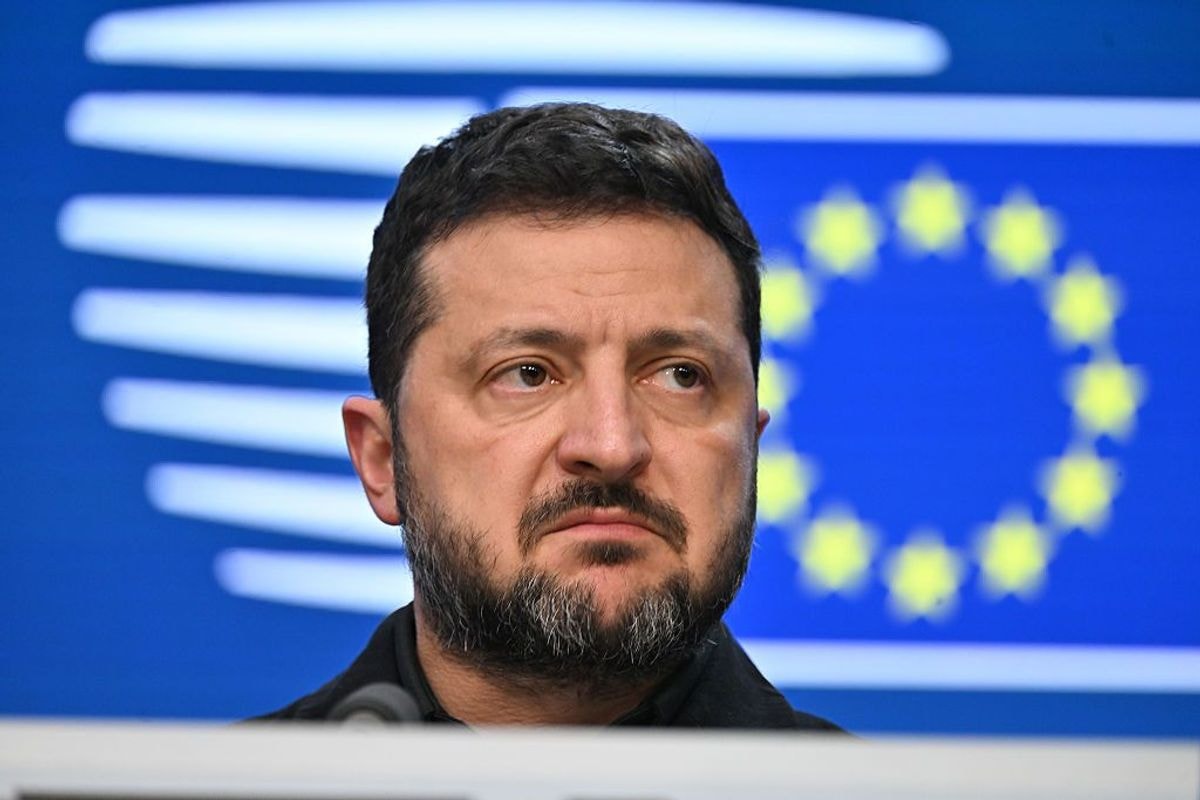
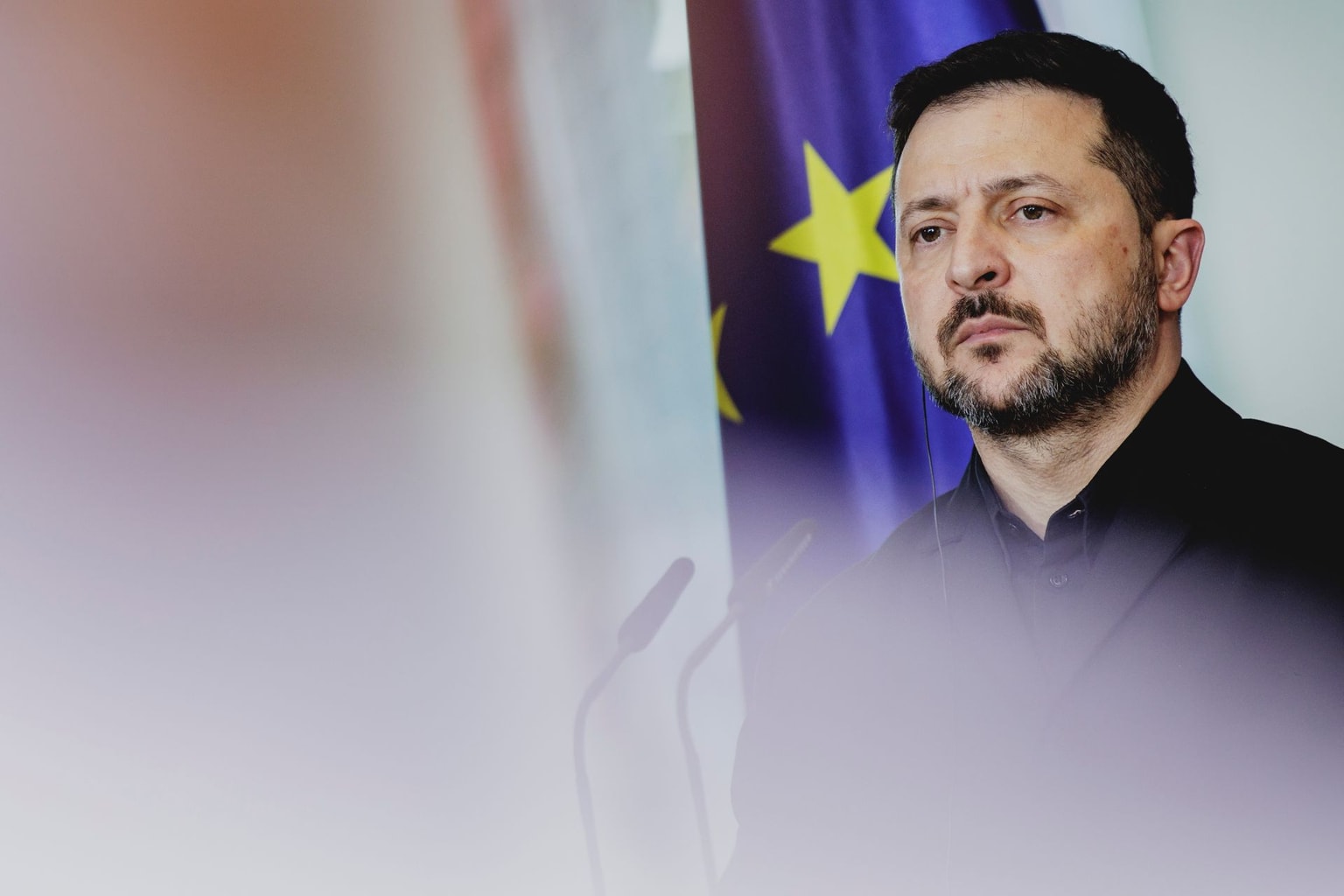
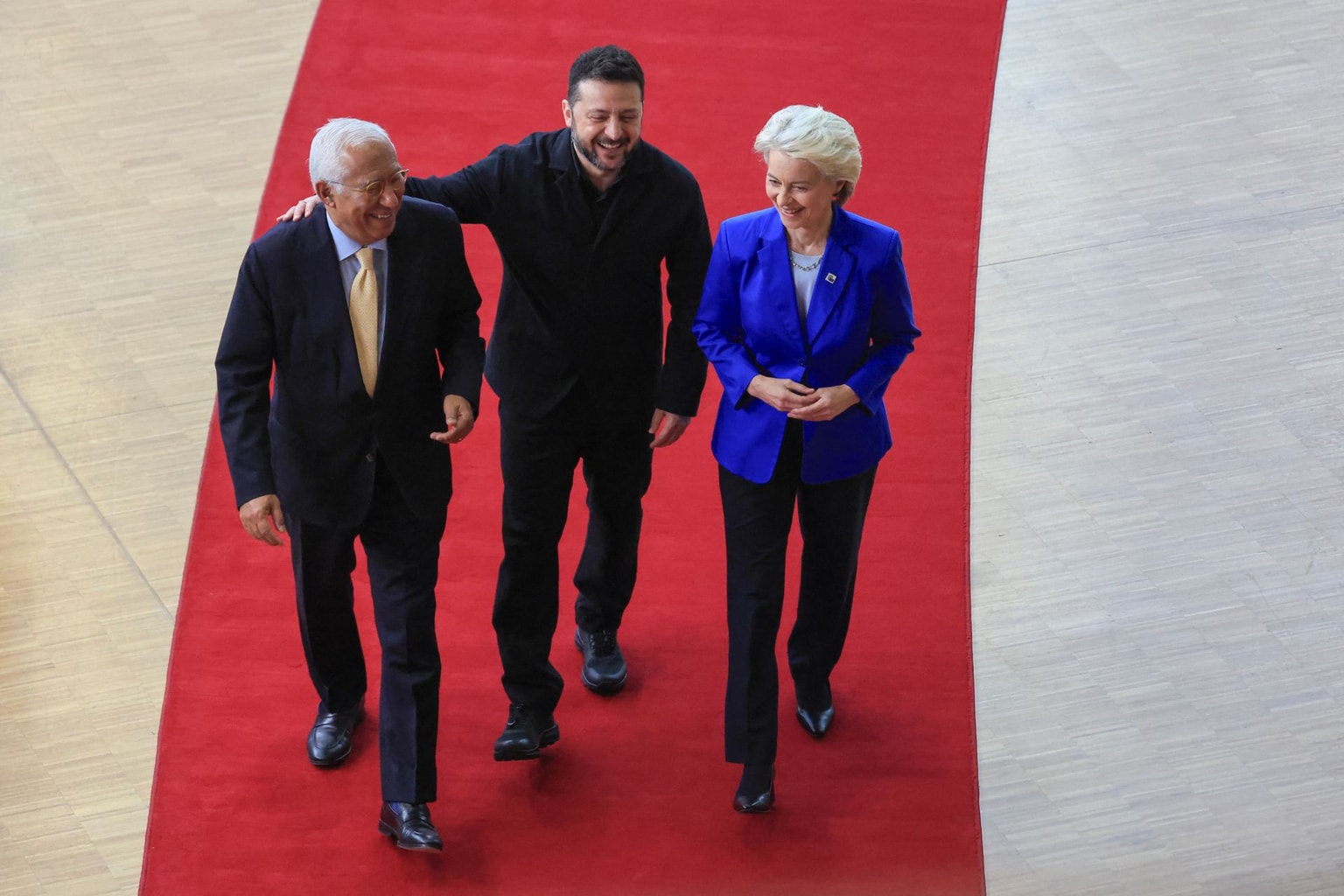
President Volodymyr Zelensky has repeatedly voiced his opposition to separating the two countries' bids.
"Moldova and Ukraine are certainly stronger when we move forward on this track together," Zelensky said after Moldovan Prime Minister Vasile Tofan's visit to Kyiv on Oct. 26.
"And it is important that we carry on together, because it is fair."

But Moldova has signaled to Brussels that it could conclude accession negotiations by the end of 2027, while Ukraine believes it can do so only by the end of 2028, the Commission noted in a statement accompanying the release of the roadmaps.
The Commission has "committed to supporting" both goals, but it describes Moldova's 2027 deadline as "ambitious but achievable," whereas Ukraine needs to accelerate "the pace of reforms" to be ready in 2028.
Once the final clusters open, Kyiv and Chisinau first need to get sign-off on some "interim benchmarks" on the rule of law before they can begin closing off the 33 chapters.
Therein lies the first indicator that Moldova is significantly ahead of Ukraine.
The EU and Ukraine launched a joint task force in October to tackle the required rule of law reforms, an effort expected to take around four months.
But the Commission notes Moldova launched that same task force in July 2026, through which it "has made very substantial progress towards meeting the interim benchmarks."
And after that, the gap widens further.
While both countries have already begun the work required to close the 33 accession chapters, the Commission estimates that Ukraine will only be able to close seven of them in 2027.
Moldova, on the other hand, will be able to close 24 chapters next year, the Commission believes.
One senior EU official familiar with previous rounds of enlargement dating back to before 2004 told the Kyiv Independent that Moldova's rate of alignment is "unprecedented," a claim supported by the Commission roadmap.
But just because Moldova is faring better, it does not mean hope is lost for Ukraine.
The Commission report notes that even though the rate of reform slowed in Kyiv over the last year, it still continued, "with reform momentum recently accelerating."
Several EU officials have expressed confidence in Prime Minister Serhii Koretskyi's ability to rally the parliament into passing reforms, and Koretskyi is chairing the rule of law task force from the Ukrainian side.
And while Moldova may have leapfrogged Ukraine, Kyiv has likewise overtaken longtime candidate countries such as Serbia and North Macedonia.
In fact, EU enlargement "is advancing more than at any point in time in the past 15 years," notes the Commission, primarily due to the work of the four frontrunner countries.