

'Clearing up the mess' — Ukraine's oil and gas giant gets new supervisory board
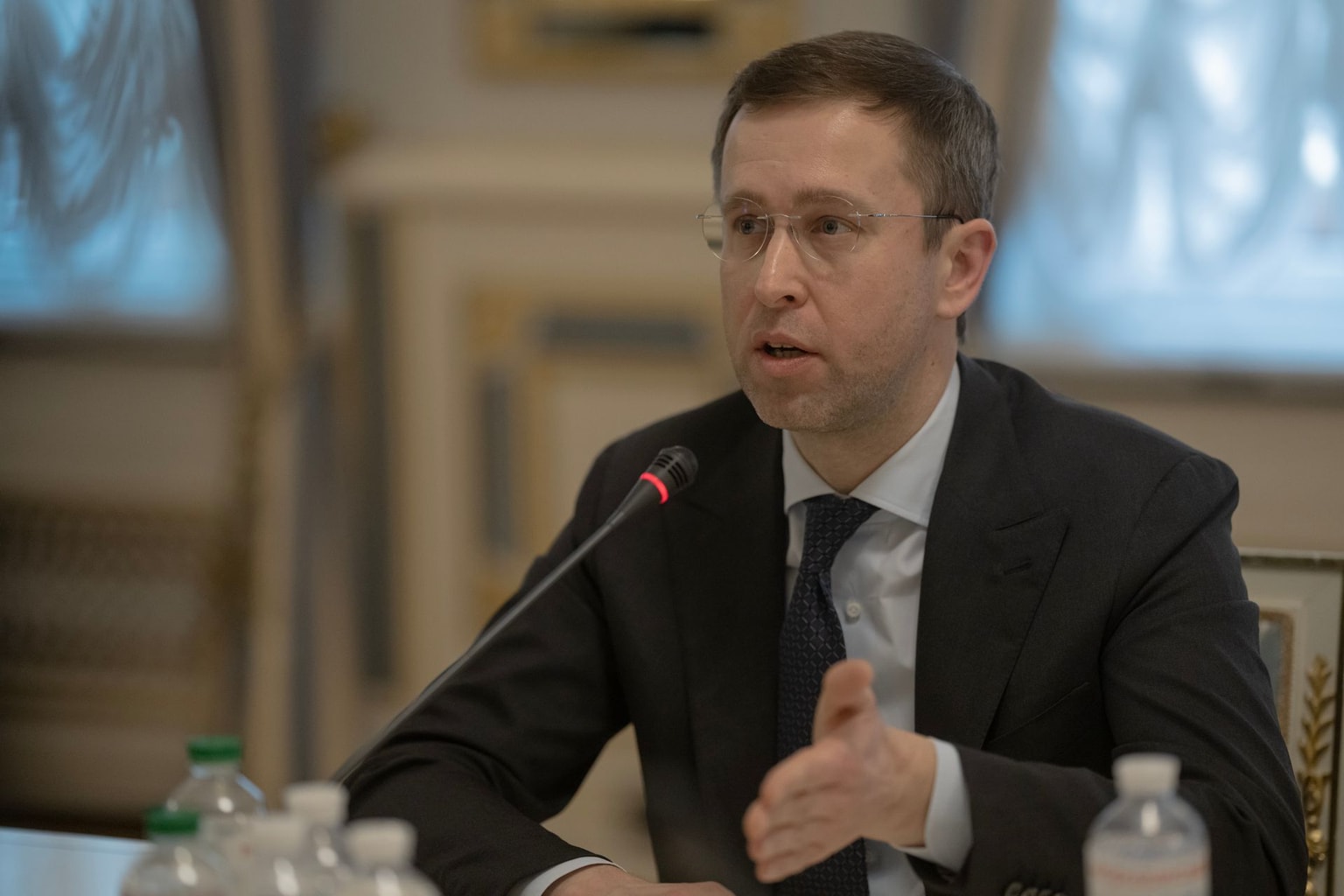
The new board comes amid a renewed push to reform Ukraine’s state-owned enterprises, which dominate the energy, banking, and infrastructure sectors.

The new board comes amid a renewed push to reform Ukraine’s state-owned enterprises, which dominate the energy, banking, and infrastructure sectors.
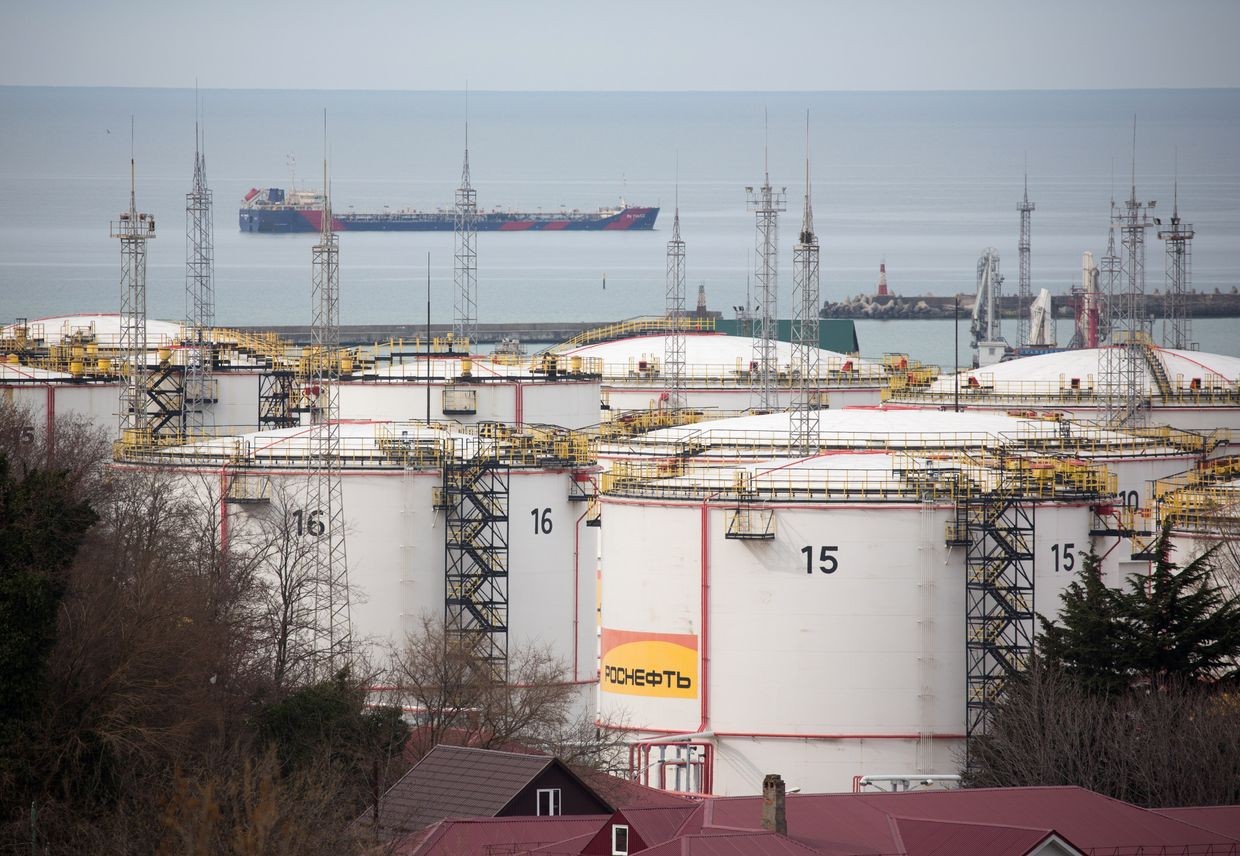
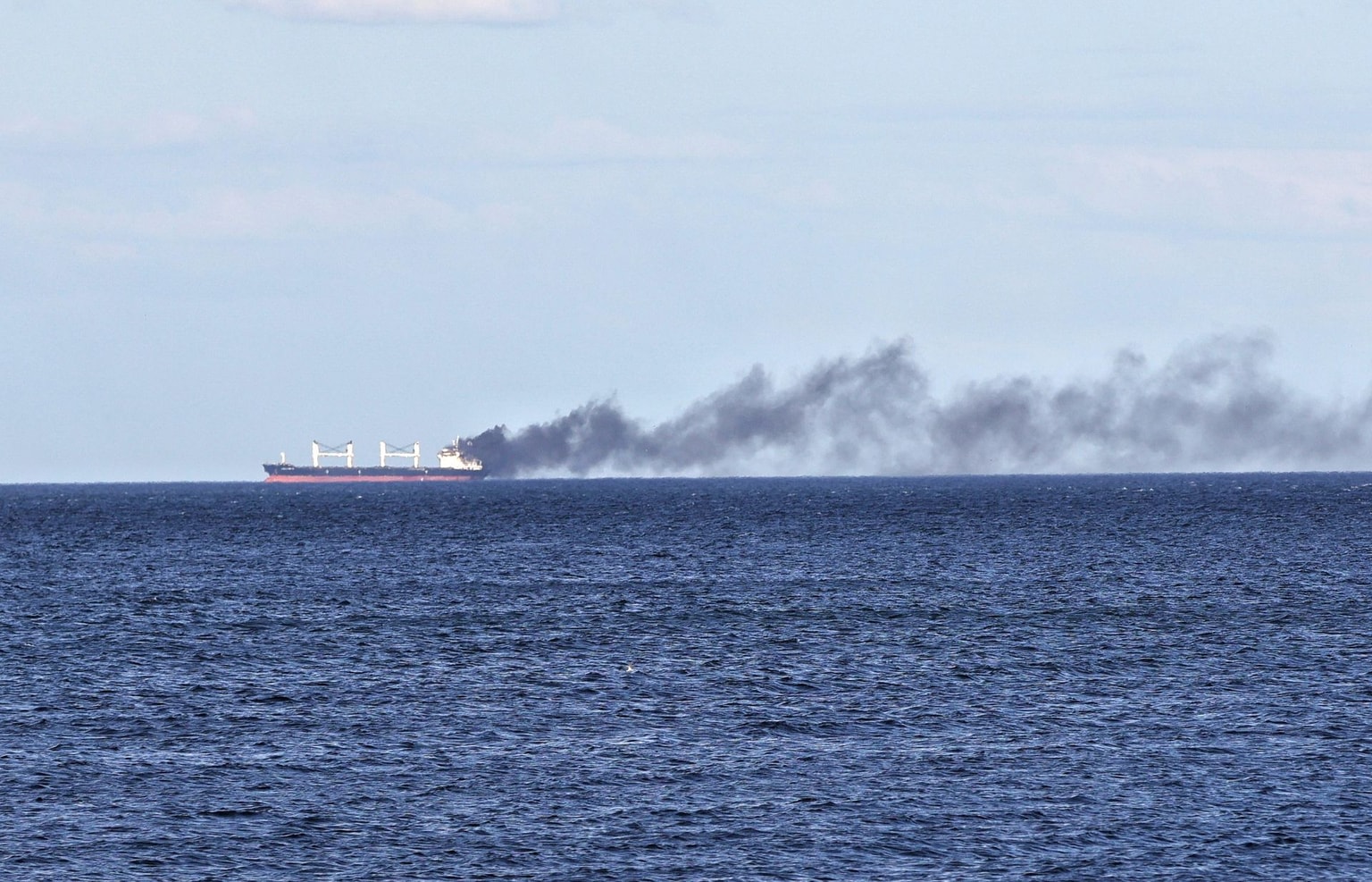
Key developments on March 4: * 3 Russian ships hit, 3 sailors killed in Ukrainian strike on Black Sea port, SBU source says * Russia continues to escalate drone attacks on passenger trains, railway infrastructure * Putin increases Russia's regular army personnel to nearly 2.4 million * Russian tanker on fire in Mediterranean Sea, Moscow accuses Ukraine of sea drone attack Ukrainian forces struck the Russian port of Novorossiysk, hitting the minesweeper Valentin Pikul and "severely" damagin

The Kyiv Independent’s Kateryna Hodunova speaks with Ukrainian skeleton racer Vladyslav Heraskevych, who was disqualified from the Olympic Games for wearing a helmet honoring 24 Ukrainian athletes killed in Russia’s war.

"Ukraine purchases the electricity and does not receive it for free. So the Fico government will simply deprive Slovak companies of earnings, while Ukraine will receive this electricity from other sources," Foreign Ministry spokesperson Heorhiy Tykhyi told the Kyiv Independent.

"Our military has the necessary capabilities. Ukrainian experts will work on site, and teams are already negotiating this," President Volodymyr Zelensky said.

Russia's regular army has grown to 2,391,770 personnel. Of these, 1,502,640 will serve as active-duty troops — 2,640 more than before, according to the March 4 decree.

"As requested by (Hungarian Prime Minister Viktor Orban), you may take them with you directly onto the plane that brought you here," Russian President Vladimir Putin said.

The Kyiv Independent’s Business Desk covers the biggest news in business, economics, and tech from Ukraine, as well as global developments that shape the economy of the region.
As markets opened on March 2, Russian officials were quick to frame the escalating Middle East crisis as an economic opportunity for the Kremlin. Within hours of the first U.S. and Israeli strikes, Russian Envoy Kirill Dmitriev quickly posted on X about crude potentially hitting "$100+" per barrel. Brent crude futures on the London ICE exchange initially had risen 13.04%, peaking at $82.37 per barrel — the highest level in over a year. Prices later eased to $79.38. The spike followed Iran's M