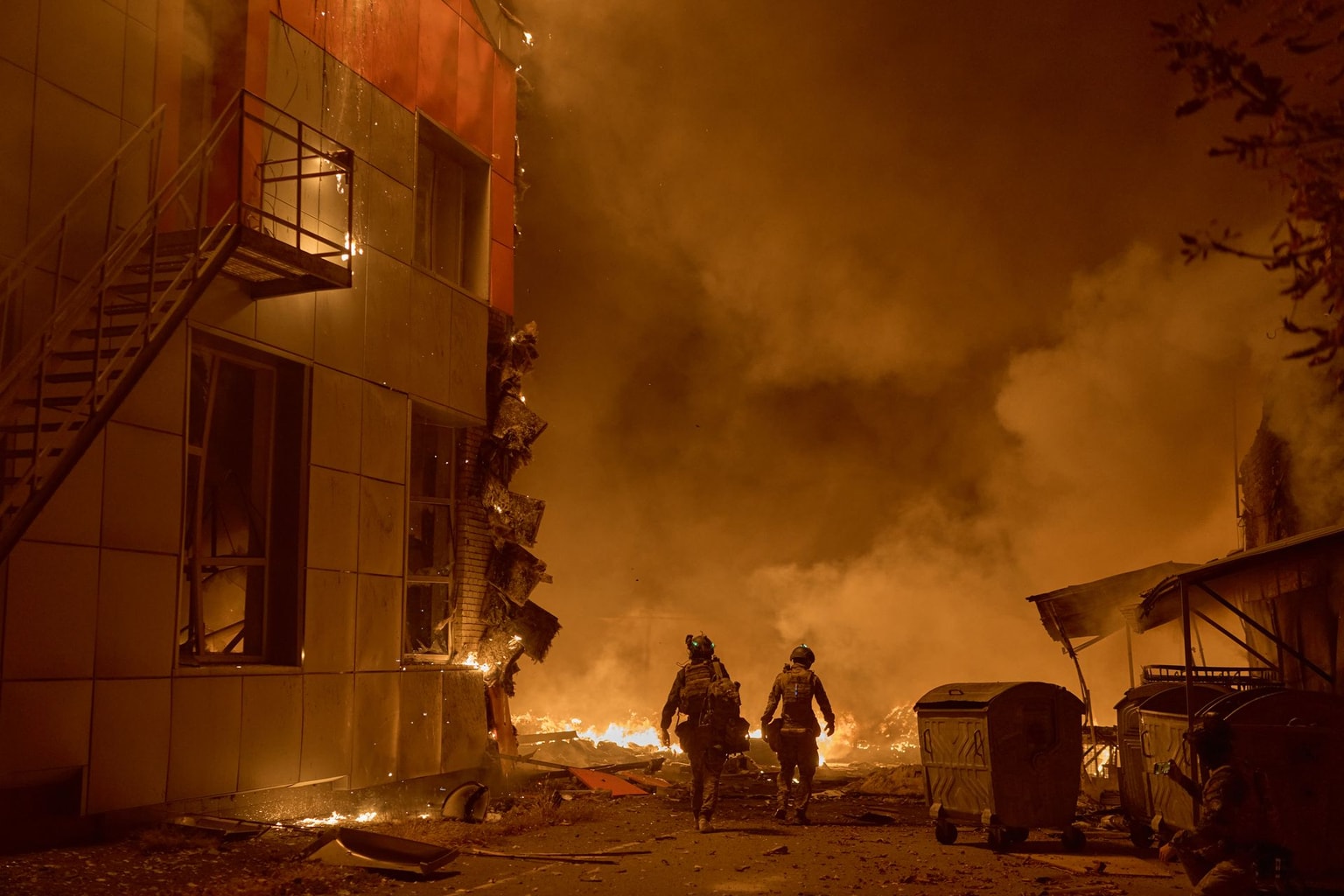
'The land cannot wait': Documentary examines toll of Kakhovka Dam destruction on Ukraine's farmland
 on Google
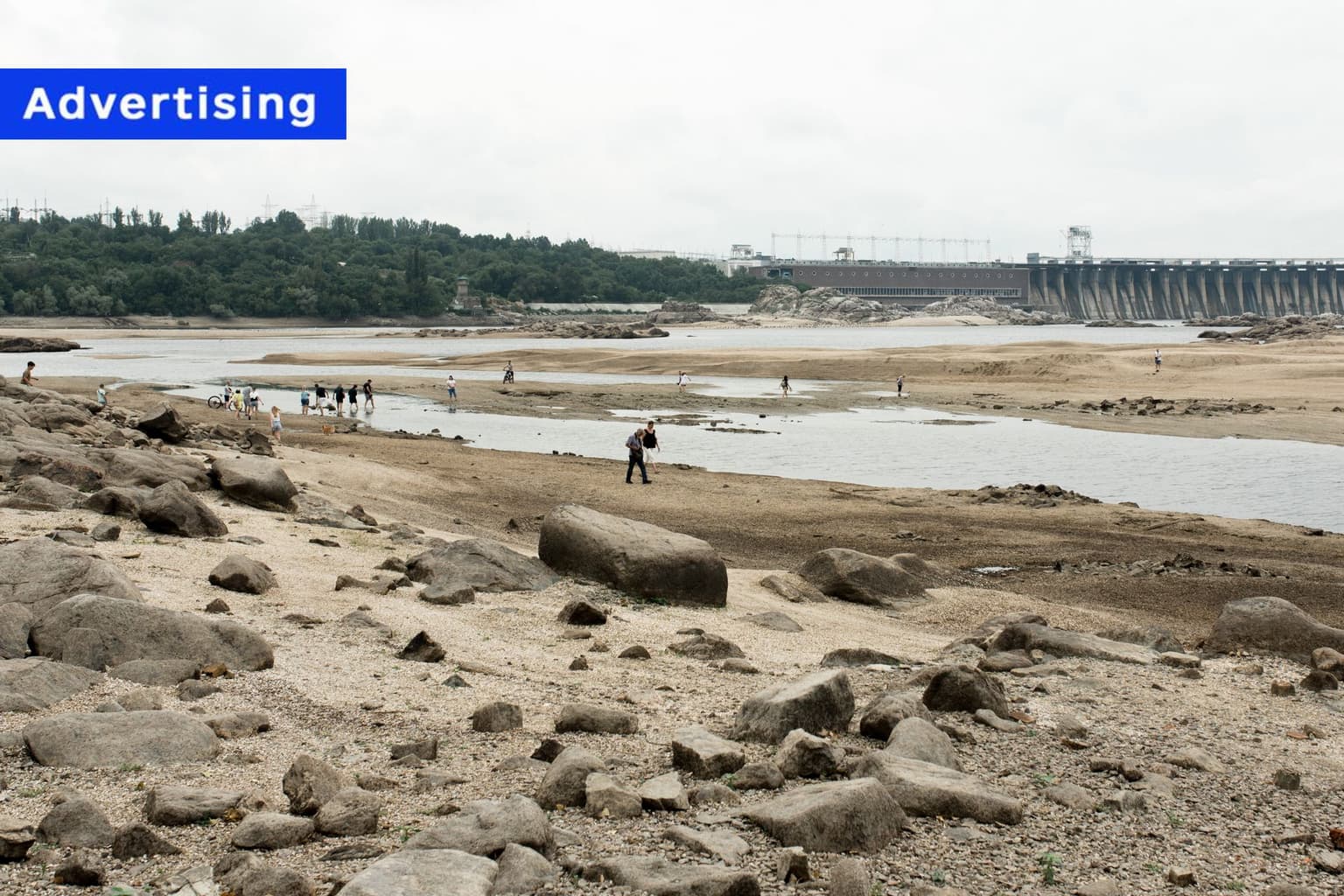
A new documentary, Kakhovka. High Water. How the Destruction of the Hydroelectric Power Plant Changed Ukraine, examines the long-term consequences of the June 6, 2023 destruction of the Kakhovka Dam, which Ukrainian officials have called Europe's worst environmental disaster since Chornobyl.
The Tellers Agency is releasing the documentary for free online to mark the third anniversary of the tragedy, when, according to Ukrainian authorities, Russian forces blew up the Kakhovka Dam in Russian-occupied Kherson Oblast. Through firsthand accounts and expert analysis, it examines the long-term damage to Ukraine's southern farmland.
The backbone of Ukraine's harvest
To understand the scale of the loss depicted in the film, one must look at the region's history. As the documentary explains, in Soviet times, the Kakhovka Dam was the linchpin of a plan to transform Ukraine's arid southern steppes into a thriving agricultural hub. According to the documentary, the irrigation network allowed the region to supply up to 80% of Ukraine's vegetables. Produce labeled "Kherson" or "Southern" — alongside iconic Kherson watermelons and Melitopol cherries — became synonymous with premium quality.


Beyond feeding the nation, southern Ukraine became a major force in global food markets. Much of the region's grain was grown for export, helping feed millions of people around the world.
As the film details, Ukraine became one of the top 10 exporters of corn, wheat and barley, which was facilitated by river transport and related companies. It cites the example of NIBULON, which developed a network of river terminals and operated a fleet of 80 vessels. The river network formed part of a supply chain that served farmers, larger agricultural companies, and the state.
The devastation began with the invasion
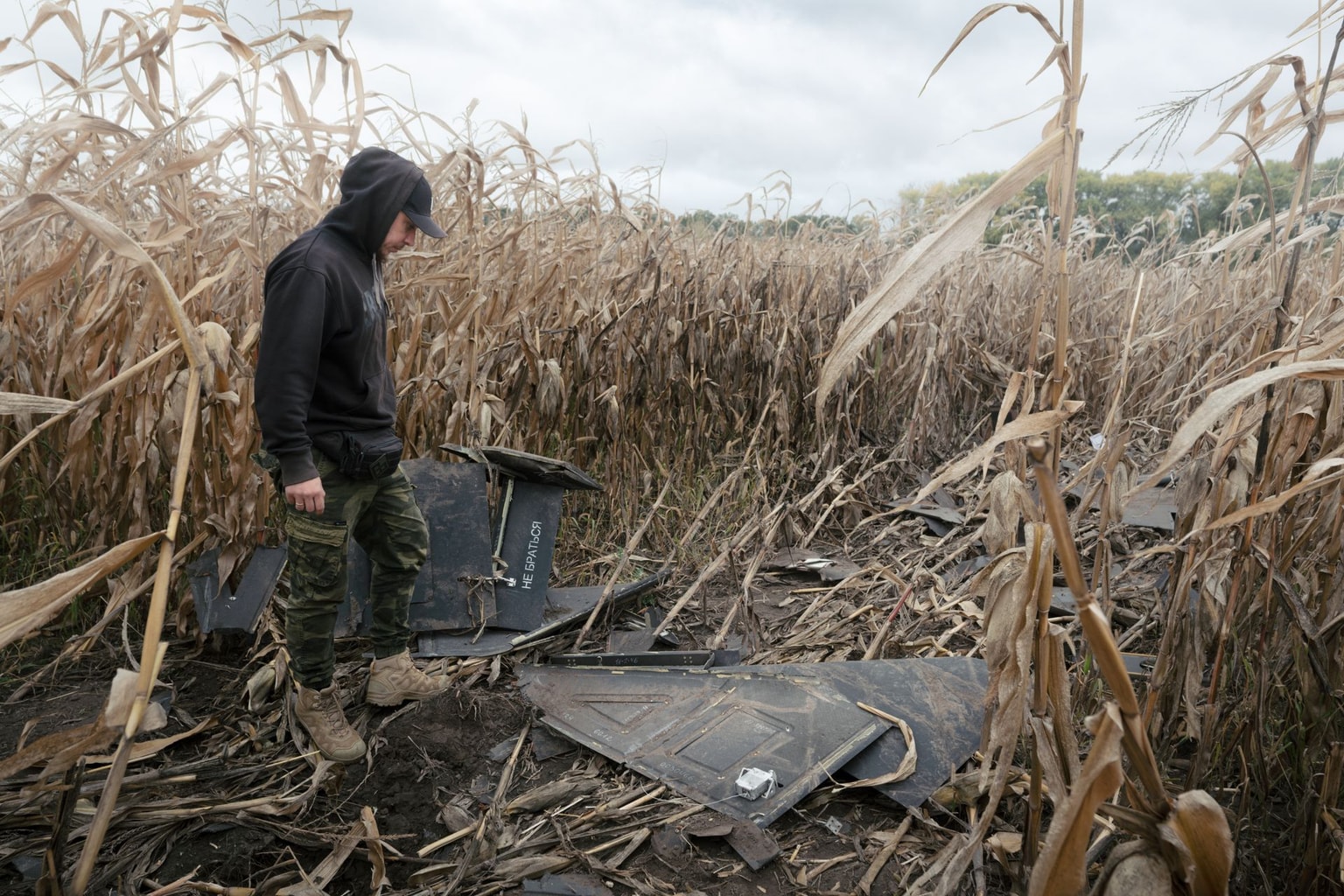
While the dam's destruction was a major blow, the crisis for local farmers began long before the breach. As the Russian invasion took hold, farmers saw their livelihoods damaged by mines and destroyed infrastructure.
Olha Aldabaieva, the founder of the Dionis-2 farm, comes from a farming family in Mykolaiv Oblast. Her field lies near the border between Mykolaiv and Kherson oblasts, but she cannot access it because the territory has not been demined.
Aldabaieva says people rarely consider the labor involved in producing ordinary foods such as bread or croissants.
"The land cannot wait," Aldabaieva says. "The land can rest, but when it remains idle for one, two, or three years without being cultivated, it loses its productive capacity. It must always be cared for."
She says farmers have planted crops wherever it is safe to do so. Fields that remain uncultivated are generally contaminated areas where agricultural work poses a direct risk.

As the documentary shows, the immediate dangers of war were in turn compounded by Russian theft from occupied territories: According to Ukrainian officials, Russia has stolen at least 15 million tons of grain from occupied Ukrainian territories since the start of the full-scale war.
For months after the start of the full-scale invasion, Ukraine could not export agricultural products through its primary logistics route: its ports, according to Denys Marchuk, deputy chairman of the Ukrainian Agrarian Council. By July 2022, more than 20 million tons of carryover stocks had accumulated in Ukraine, Marchuk says. He says the disruption contributed to an increase of more than 17% in food prices.
The World Bank reported that wheat prices rose by more than 40% in 2022, reaching an all-time nominal high.
"Ukraine has a direct impact on prices, particularly in the Black Sea region, which exports its products to markets around the world," Marchuk says.

Ukraine's partners began searching for a way to restore maritime exports. Turkey stepped in as a mediator, paving the way for the creation of the "grain corridor." According to Marchuk, ensuring safe access to port infrastructure for both Ukrainian farmers and foreign vessels remains a matter of global food security.
Marchuk says Ukraine remains among the leading exporters of wheat, corn, barley, and sunflower oil.
Yet, less than one year after the shipping route was established, Russian forces blew up the Kakhovka Hydroelectric Power Plant, deepening the crisis facing southern Ukraine.
An overnight tragedy
On the night of June 6, 2023, Russian forces blew up the Kakhovka Dam. The explosion completely emptied Ukraine's largest reservoir, cutting off the water supply to an expanse of farmland seven times the size of New York City. It also disrupted river transport on the Dnipro, historically an important route for transporting grain to southern ports. The documentary presents the destruction of the dam as an attack on Ukraine's critical economic infrastructure.

"The Kherson region simply cannot recover without the Kakhovka Dam," says Serhii Rybalko, a local farmer and owner of the Adelaida agricultural enterprise. "The Kakhovka plant was the foundation of our economy, our climate, and everything good that could happen here."
Seven generations of Rybalko's family lived on the left bank of Kherson Oblast. In 1992, he and his wife founded a farm specializing in potato production. Before the full-scale invasion, they cultivated 2,700 hectares of land on the Russian-occupied left bank. They lost access to the farm on the first day of the invasion.

Rybalko says irrigation was the foundation of agricultural production in the region, supporting vegetable farming, viticulture, fisheries, and other industries. The reservoir also supported navigation on the Dnipro River, easing pressure on other logistics routes, while the dam itself served as a transport crossing.
Following the dam's destruction, Rybalko says the changing conditions have made the region increasingly difficult to inhabit.
"The microclimate has become unbearable," he says. "Our dry winds are already reaching Kropyvnytskyi and Uman."
The broader economic toll underscores the gravity of the situation. According to a UN-backed assessment, the dam's destruction caused nearly $3 billion in direct physical damage and more than $11 billion in broader economic losses. The agricultural sector bore a significant share of the losses, with hundreds of millions of dollars in crops lost as irrigation vanished overnight.


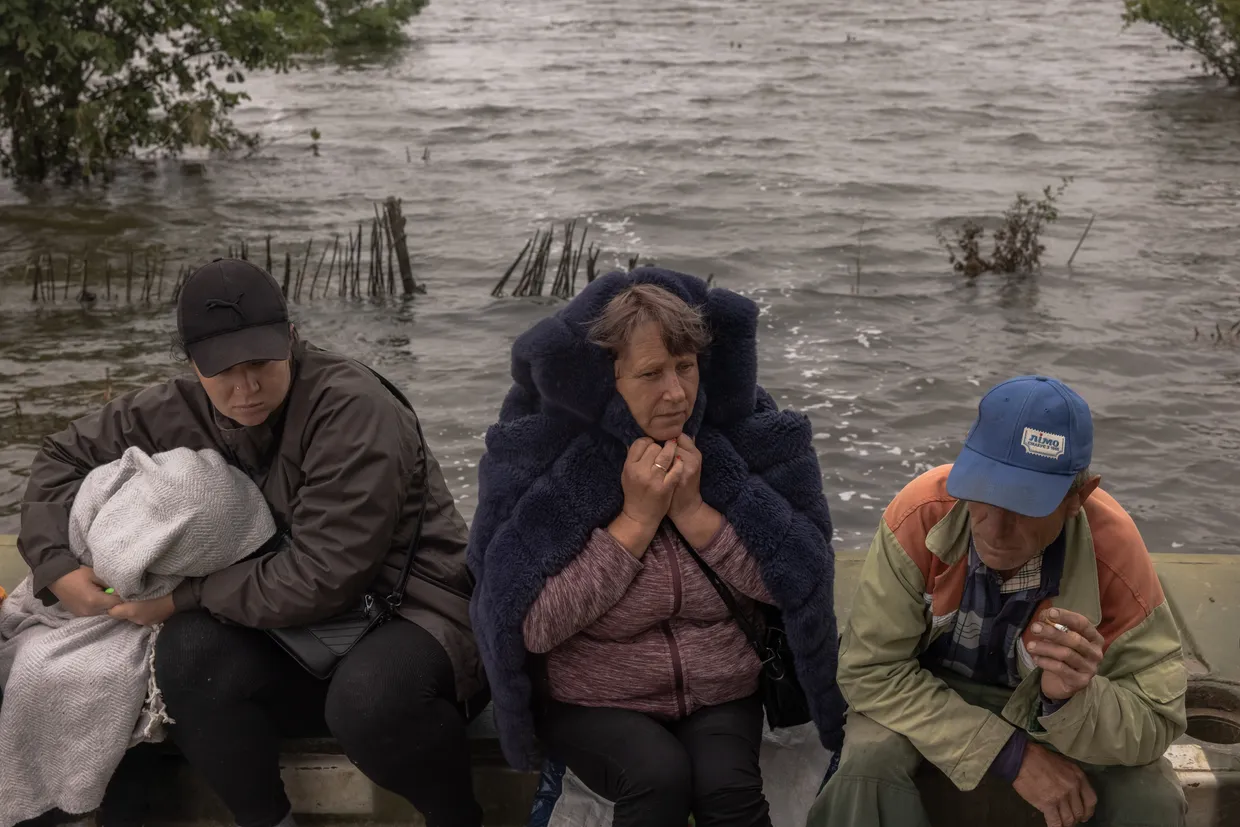
The documentary also cites warnings that the disaster could worsen food insecurity and increase global commodity prices. Wheat, corn, and oat prices rose in early trading on the day the dam collapsed, and countries that rely heavily on Ukrainian grain, including Tunisia, Libya, and Somalia, were particularly vulnerable to disruptions.
The devastation extends far beyond immediate financial losses. Farmers have lost the predictability needed to invest in future development. Today, the true scale of the damage to the future of farming under occupation remains impossible to calculate.
Yet, one fact is undeniable — Ukraine will be recovering from these overlapping tragedies for a very long time. The documentary argues that international support will be critical to the region's recovery. Marchuk says demining farmland, restoring irrigation, ensuring access to ports, and attracting investment will all be necessary. He identifies rebuilding the Kakhovka Hydroelectric Power Plant as a priority for the recovery of southern Ukraine.
For Aldabaieva, the work of preserving the land continues wherever it is still possible to farm. She says farmers have planted crops wherever it is safe to work. The fields left uncultivated are those where contamination still poses a direct risk.