Ukraine steelmakers warn new EU limits could cost them customers
 on Google

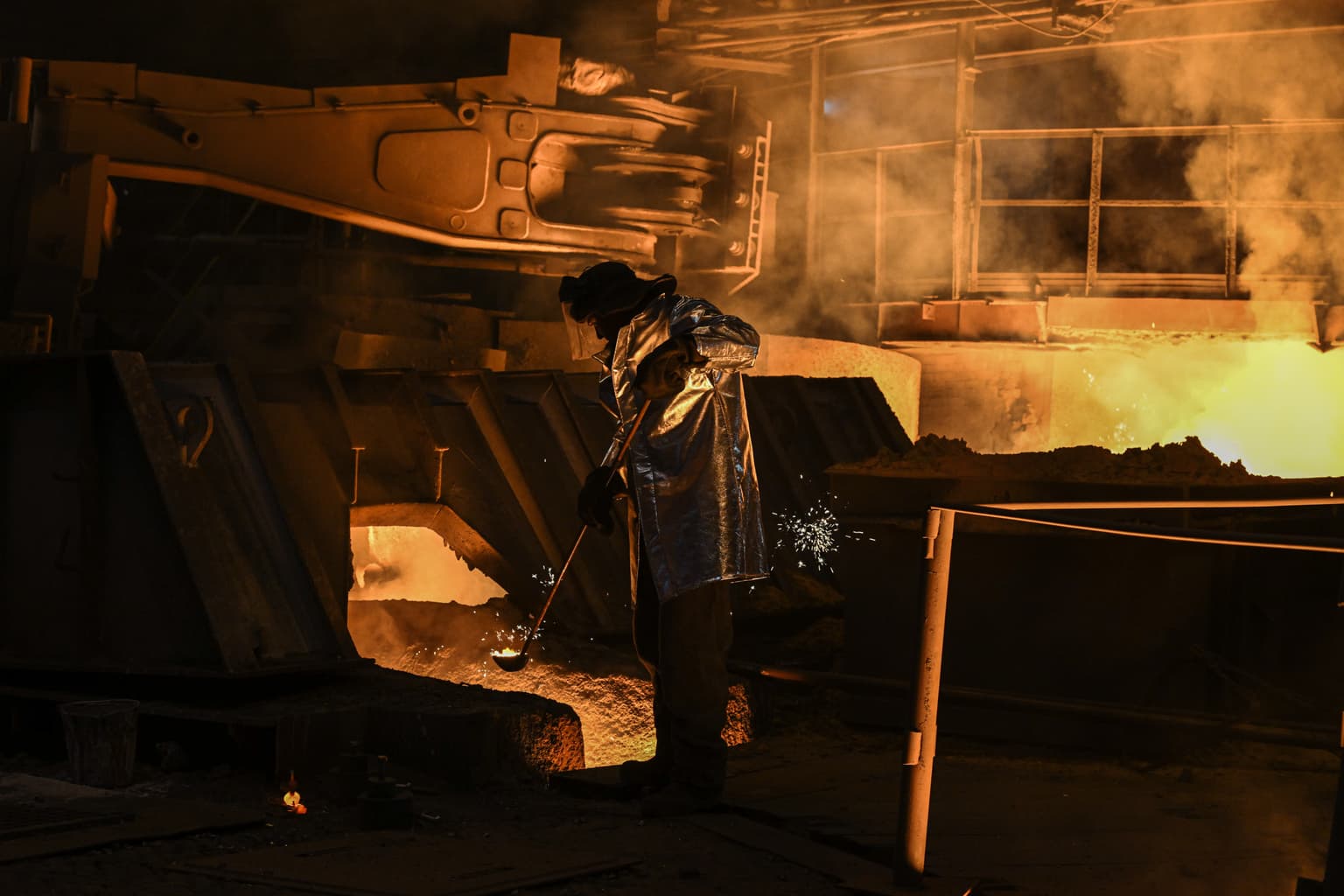
European lawmakers voted in new safeguards limiting steel imports to the EU on May 19, alarming Ukraine’s war-battered steelmakers, who say they will lose customers in their most important market.
MEPs in Brussels agreed on May 19 to slash the EU’s tariff-free steel imports to 18.3 million metric tons per year — a 47% reduction from what is currently allowed — starting in July 2026. Imports above that cap will be hit with a 50% tariff.
A European Commission spokesperson told the Kyiv Independent on May 18 ahead of the vote that Ukraine will likely still be able to export its steel products, although "it might be at a lower level than in the past years."
A cap on exports is not good news for Ukraine’s steel sector, which has relied heavily on the EU market since Brussels introduced tariff-free Autonomous Trade Measures in 2022 in response to Russia’s full-scale invasion.
Ukraine’s steel firms were already up in arms this year after Brussels included Ukraine in a carbon tax policy called the Carbon Border Adjustment Mechanism — known as CBAM — designed to prevent "carbon leakage," or the shifting of pollution to other countries.
While Kyiv is discussing changes to the policy with Brussels, CBAM has already caused steel exports to plummet by 60-70%, according to GMK Center, a Ukraine-based consultancy.
Last year, steel producers sold 2.65 million metric tons of steel to the EU, accounting for 79% of Ukraine’s steel export market. The market has become a lifeline for the industry as it endures Russian attacks, sky-high electricity costs, labor shortages, and logistical constraints.
"A lot of our clients in Europe depend on us, and this will be a challenge for them too," Oleksandr Vodoviz, head of the CEO’s office at Metinvest, a Ukrainian metallurgy giant owned by the country's richest man Rinat Akhmetov, told the Kyiv Independent.
"On our side, we do not see any other markets outside Europe. The cost of production and logistics does not allow us to sell our steel products efficiently anywhere else."
Currently, the European Commission is negotiating with governments to determine quotas for steel imports from non-EU countries before the new quota regime goes into effect on July 1.
EU diplomats and staff in the European Parliament previously told the Kyiv Independent last month that there is agreed wording to make allowances for "a candidate country, such as Ukraine, facing an exceptional and immediate security situation" when allocating future quotas.
Vodoviz hopes that during the negotiations, the Commission will take into account that Ukrainian steel producers are "bombed and shelled every day." Otherwise, a strict quota — on top of CBAM — could force steel factories to shut down, he warned.

While the quotas have not been made public yet, the Financial Times reported on May 17 that during discussions last month in Geneva, the Commission proposed a tariff-free bilateral quota of 713,000 metric tons of Ukrainian steel.
If that figure is true, it would be far too little to meet the needs of steel companies, a manager at ArcelorMittal Kryvyi Rih told the Kyiv Independent on condition of anonymity as they were not authorized to speak publicly. ArcelorMittal Kryvyi Rih alone wanted to export 1.25 million tons to the EU this year, they said.
The one glimmer of hope for steel companies is support from members of the European Parliament, in particular Karin Karlsbro of Sweden, who visited Ukraine’s steel factories last week. While the final decision rests with the European Commission, parliament members like Karlsbro raising awareness could help sway decision-making.
"Ukraine must not be punished by EU measures while its steel industry is under direct Russian attack," Karlsbro wrote in a public statement.
"Ukraine is not the source of global overcapacity. We must treat them as a future EU member and strategic partner, and the EU must now live up to our promise that Ukraine will receive special status under the new regulation."