Ukraine moves its power grid underground to shield it from Russian attacks
 on Google
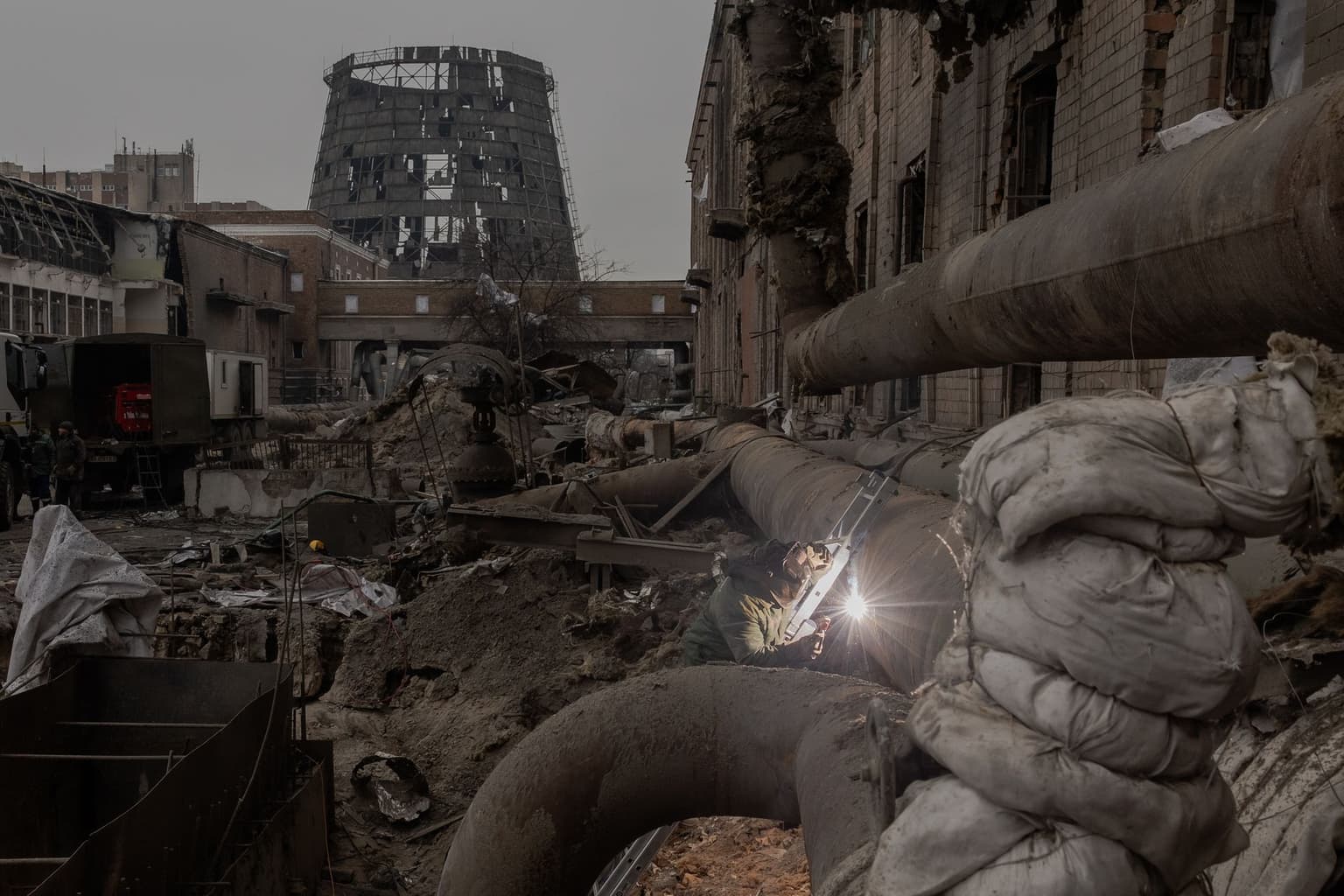
Ukraine is relocating its substations underground as it prepares long-term protection against Russian strikes on its critical infrastructure, as Russia attempts to disconnect the country from electricity.
So far, Ukraine has secured one substation in an underground concrete bunker with a second one underway, Vitaliy Zaichenko, CEO of Ukrenergo, Ukraine’s state-grid operator, told the Kyiv Independent.
But it's not a quick-fix solution to Ukraine’s unfolding energy crisis. The project is expensive, costing tens of millions of dollars per substation, and Kyiv cannot afford to cover Ukrenergo’s nearly 100 key substations on its own.
"Moving substations underground can be one of the important elements of energy security and resilience in the future. But it will take years and millions of euros," Oleksandr Kharchenko, managing director of the Kyiv-based Energy Industry Research Center, told the Kyiv Independent.
Ukraine’s substations are vulnerable to Russian attacks. By destroying substation equipment, Russia cuts electricity flows from power plants to homes and businesses, resulting in power outages across the country.
Moscow’s current campaign has decimated energy generation facilities in central, south, and eastern Ukraine, leaving those regions reliant on energy from power plants in western Ukraine. But without working substations, electricity cannot be transported from those plants to energy-vulnerable areas.

Underground bunkers will keep substations safe, said Zaichenko. The company needs external financing to fund the project, but first, it needs to restructure its hefty debt, which Zaichenko expects will be finalized in the following months.
After that, Zaichenko said Ukrenergo will seek financing from the European Investment Bank (EIB), which previously provided 86 million euros ($100 million) to Ukrenergo for anti-drone protection in 2024.
The EIB did not confirm to the Kyiv Independent that it would sign off on a package with Ukrenergo for underground substations. But the bank’s press service said that it "continues to explore ways to further support efforts to protect Ukraine’s critical energy infrastructure."
Zaichenko said he could not yet speak publicly on how the debt will be covered, as the negotiations are ongoing. Russia’s full-scale invasion forced Ukrenergo to slide into default, and the company had to restructure $825 million in "green" bonds last April.
Since 2023, Ukrenergo has led the charge in building fortifications around its energy facilities. By the end of last year, the company had covered over half of its transformers with concrete shields, costing around $300 million, with the rest to be completed by the summer, NV Ukraine reported in December.