Ukraine railways chief seeks higher freight fees amid Russian attacks, rising costs
 on Google
Ukraine's state railway company needs to increase freight tariffs by at least 45%, the company's CEO said, as its finances deteriorate amid Russian strikes and pressure from lenders.
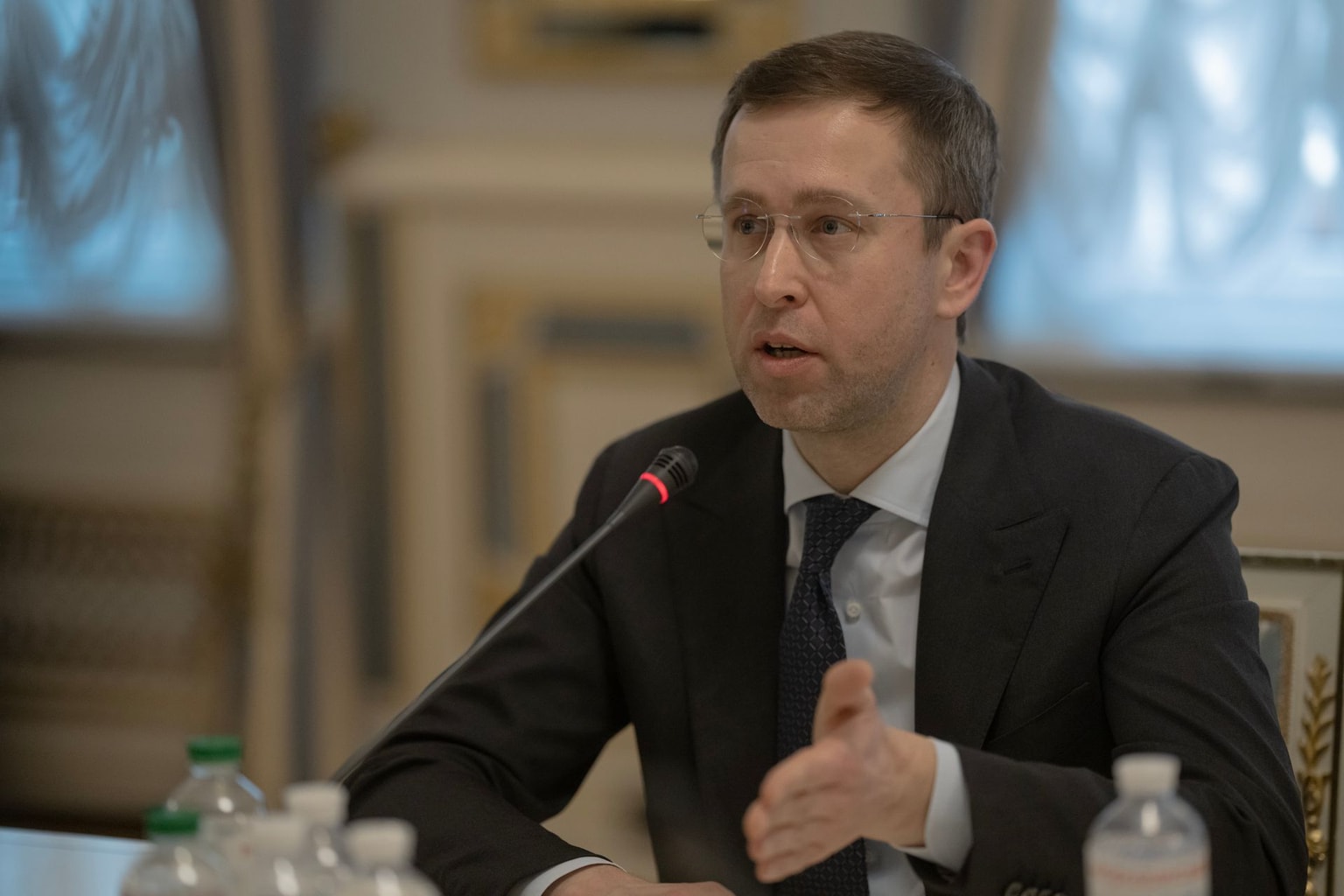
"45% is not enough, because we have a significant gap, but we understand this is a compromise solution that allows us at least to hold out," Oleksandr Pertsovskyi, CEO of Ukrainian railways, told Reuters in an interview on June 3.
Ukrainian railways, or Ukrzaliznytsia, is the sole rail operator in Ukraine, playing a key role in wartime logistics and transporting both freight and passengers. But the company's finances have worsened amid declining freight volumes, rising operating costs, and intensified Russian attacks on the company's infrastructure in 2026.
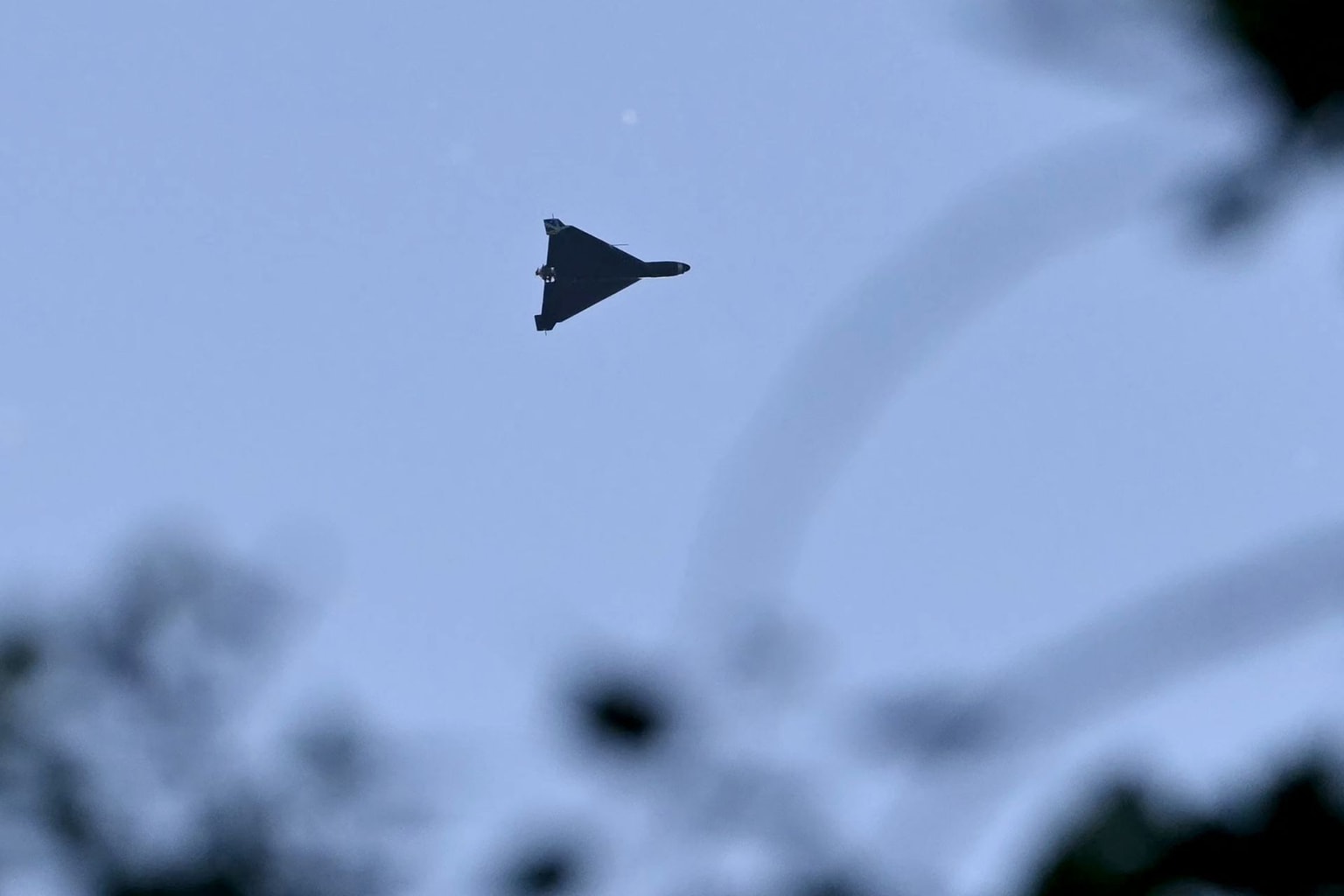
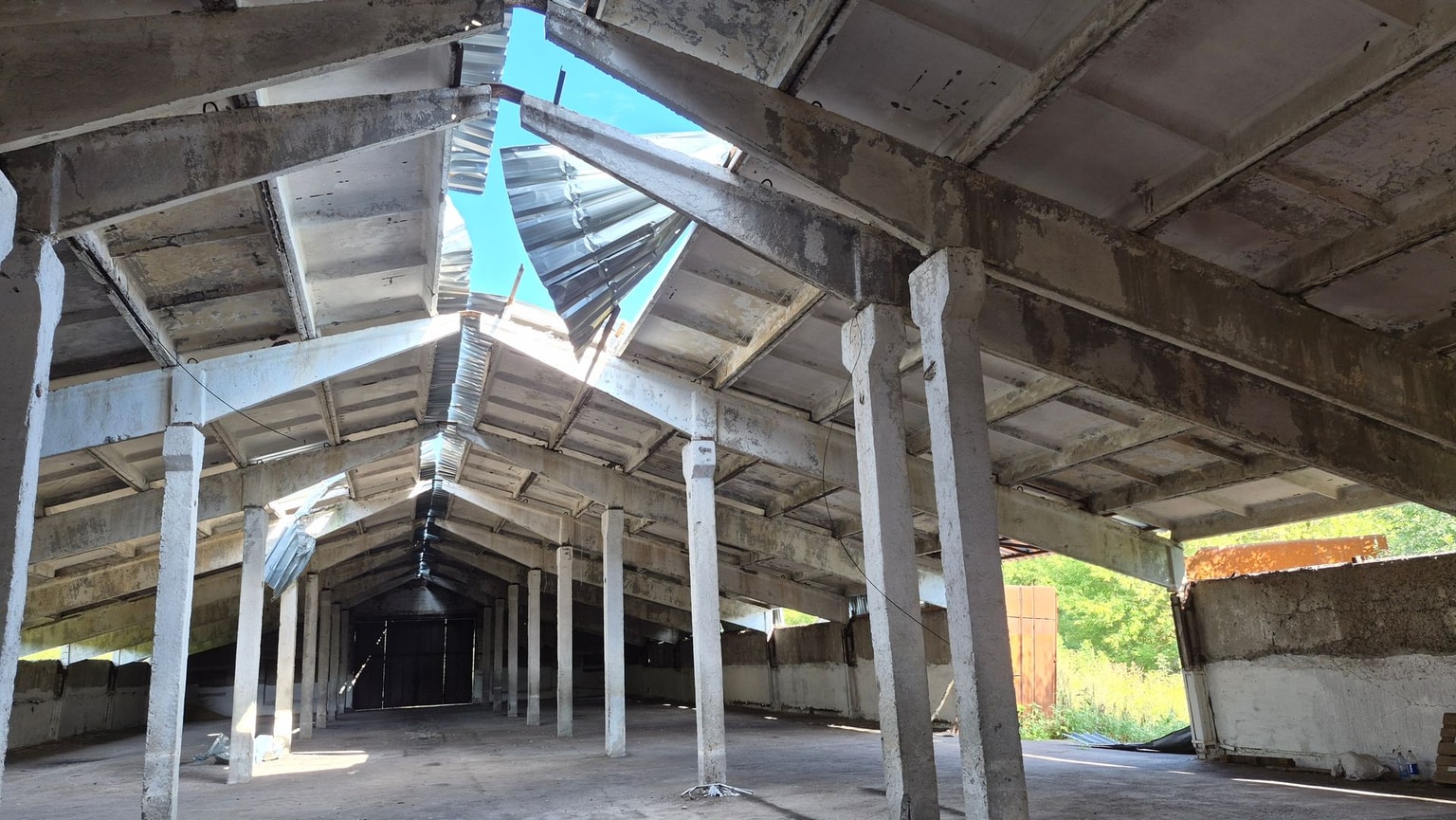
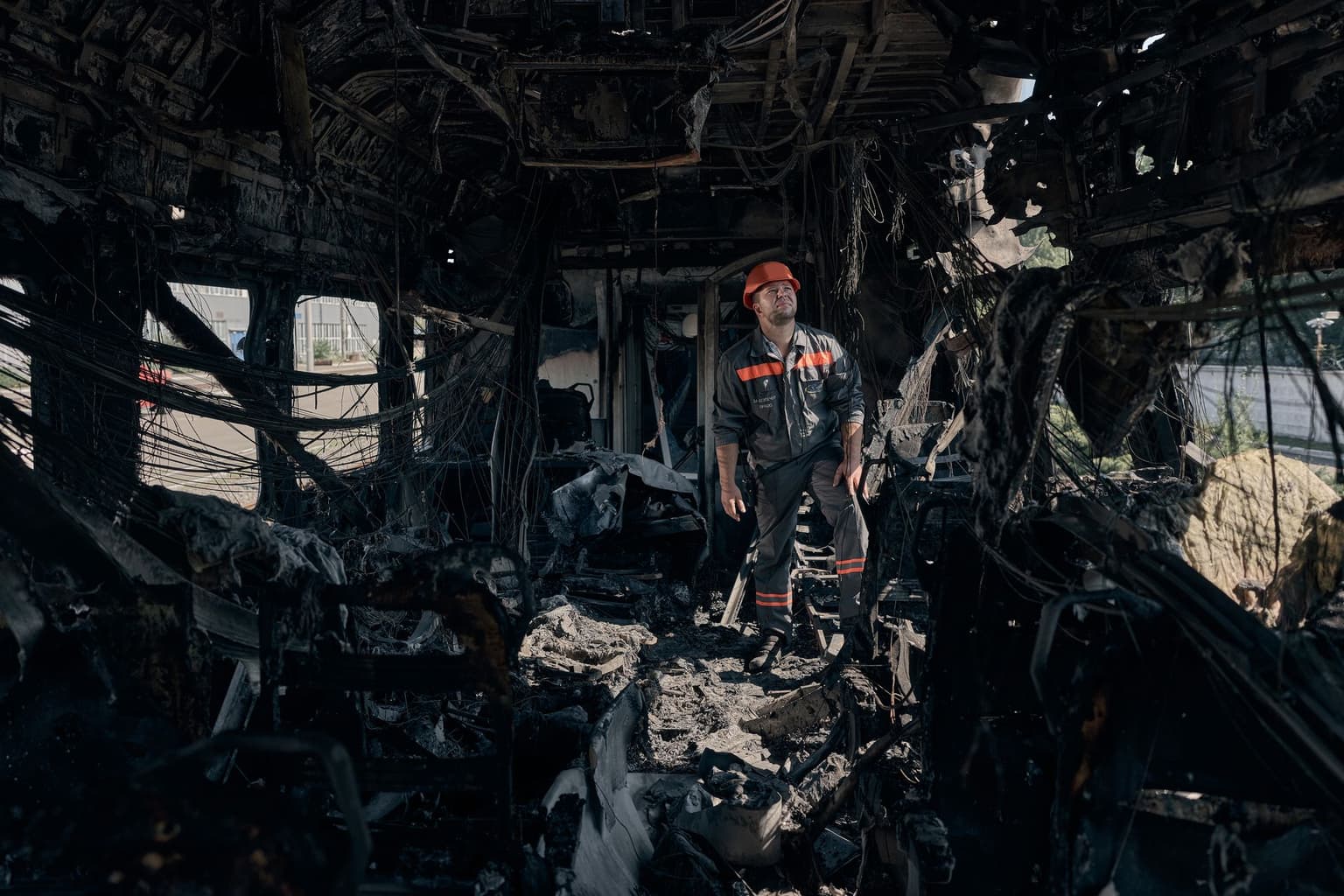
"The jump (in attacks) is just crazy," Pertsovskyi said, who emphasized the shift towards striking locomotives, of which the company owns more than 100. Attacks have also targeted depots, power substations, and bridges.
In a deepening financial quagmire, Ukrzaliznytsia earlier this year suspended coupon payments on over $1 billion in bonds due in 2026 and 2028, pushing the company into default.
The company said in a press release on June 1 that the first quarter of 2026 was a "difficult test," off the back of declining passenger and cargo traffic, as well as rising diesel and electricity prices. The price of diesel increased by almost 50% in March 2026, the company said.
Pertsovskyi said the 45% increase would cover about half of the company's projected 26 billion-hryvnia ($587 million) cash shortfall in 2026.
The increase is also important for debt restructuring talks and for seeking new loans in the future. Ukrzaliznytsia will bring a new proposal to lenders in restructuring talks by July, he added.
But Ukraine's powerful agricultural and industrial sectors have consistently opposed plans to raise Ukrzalzinytsia freight tariffs, saying that the increase would make their products uncompetitive.
The last time that Ukrzalzinytsia raised tariffs was in 2022, when it raised freight tariffs by 70%. The company has since been unsuccessful in raising tariffs.
The freight side of the business has routinely subsidized the loss-making passenger side of the business, although in recent months the freight side of the business has also become unprofitable on the back of decreasing freight volumes.
"While Ukrzaliznytsia has met several times with business groups to lay out its arguments for why tariffs should increase, business has always countered this by arguing that the company is inefficient and can cut expenditures," Iryna Kosse, research fellow at the Institute for Economic Research and Policy Consulting, told the Kyiv Independent.
"This conversation has repeated itself every year, but rising Russian attacks have injected urgency into the matter this year, as well as the deadline for paying Eurobonds in July," she added.
Ukraine's Prime Minister Yulia Svyrydenko told the country's parliament last week that negotiations on an increase in tariffs with business representatives are ongoing.