Sanctioned shadow fleet oil tankers threaten environmental disaster, FT reports
 on Google
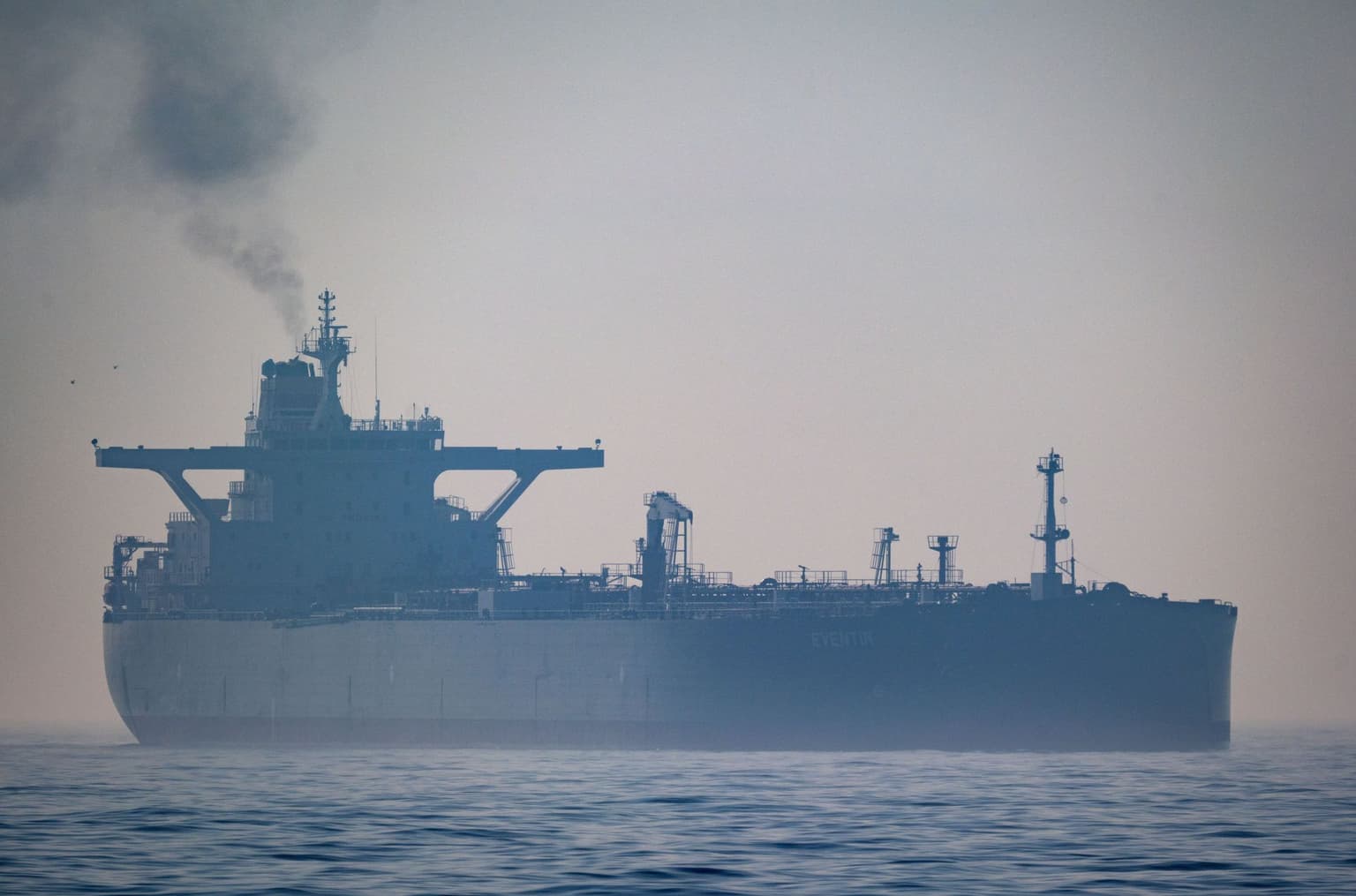
More than half the world's sanctioned oil vessels run the risk of causing serious environmental harm, the Financial Times (FT) reported on May 31, citing leading ship recycler Anil Sharma.
Russia and other oil producers under sanctions operate a so-called shadow fleet of aging, often underinsured tankers to bypass international trade restrictions. Western officials have also raised concerns that Moscow's vessels may be linked to broader Russian hybrid activities in Europe, including espionage and drone operations.
"Minimum one-third (should be scrapped), maybe more," Sharma, chief executive of GMS Leadership, said of the shadow fleet vessels in comments to the FT. "I would honestly think it is more than half."
Sharma warned that "luck was running out" to avoid a major ship-source oil spill on the scale of the 1979 crash between supertankers SS Atlantic Empress and Aegean Captain. That collision caused massive fires and explosions, claimed 27 lives, and dumped 287,000 metric tons of crude oil into the Caribbean Sea.
Tanker broker Clarksons estimates that there are around 1,500 oil tankers in the global sanctions fleet. Russia is believed to operate about 300-600 shadow tankers.
These vessels are often aging and corroded, with outdated systems that compromise their seaworthiness and pose significant environmental and safety risks.
"This is a ticking time bomb and I think everybody in shipping knows it," Alexander Saverys, chief executive of shipping company CMB Tech.
"These things are uninsured, badly maintained, have a substandard crew on board, it's just an accident waiting to happen. And it's actually a big surprise that no big accidents have happened."
GMS is reportedly in talks with owners of sanctioned vessels to see if the ships can be recycled via special license.
The U.S.-Israeli war in Iran and subsequent closure of the Strait of Hormuz has driven up global oil prices, leading to a temporary sanctions reprieve for Russia's shadow fleet.
In March, the U.S. Treasury Department issued a temporary sanctions waiver allowing countries to purchase Russian oil stranded at sea. The license has since been renewed twice.
Russia's shadow fleet ships have previously been involved in troubling incidents with ecological fallout. In December 2025, two Russian tankers were damaged by a storm in the Kerch Strait. The vessels, each reportedly carrying 4,000 tons of fuel, began leaking into the Black Sea.
Another disabled Russian tanker had to be towed from the Baltic Sea by German maritime crews before the ship caused an oil spill.
Russia has caused massive environmental damage in and outside Ukraine throughout the full-scale war, including the destruction of the Nova Kakhovka Dam in June 2023 and subsequent flooding, widespread forest fires, and the devastation of wide stretches of farmland.