UK apologizes for Russian oil sanction shambles
 on Google



Editor's note: This article has been updated with a statement from the U.K. government.
The United Kingdom on May 20 apologized for the way it "clumsily" handled the roll-out of new sanctions on Moscow after a day earlier it issued what appeared to be an easing of sanctions on Russian energy imports.
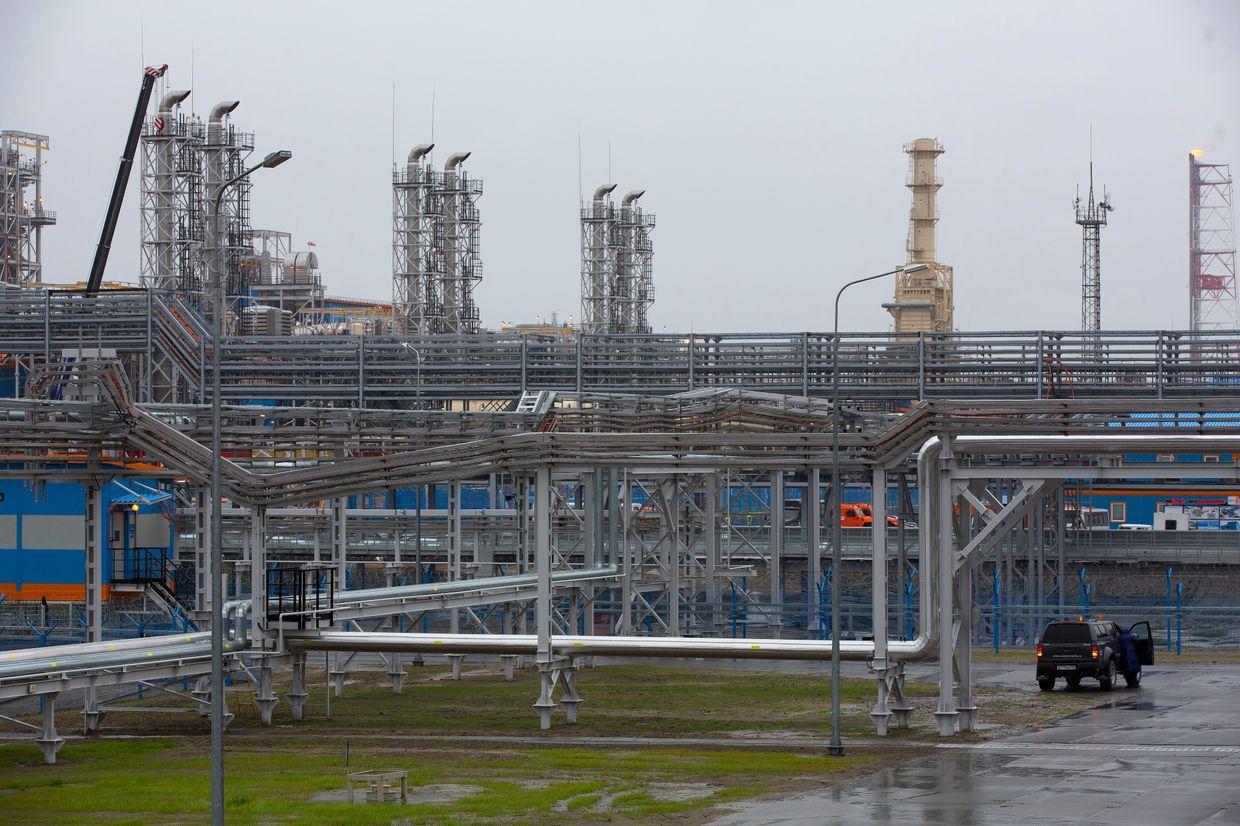
A license posted on the U.K. government web portal on May 19 permits imports of diesel and jet fuel made from Russian oil if "the products have been processed in a third country."
The move was widely reported as an easing of sanctions and it is understood that officials in Kyiv and across European capitals were left in the dark.
"There is currently very active communication between our diplomats, the (President's) office, and the British side," an official from the President's office told reporters on May 20.
The U.K. then introduced a wider set of sanctions originally announced in October, and it is understood the May 19 license means that some of them will be phased in rather than being implemented immediately.
The license takes effect on May 20 and is indefinite, but it can be revoked or suspended at any time.
Acknowledging the confusion over the announcements, U.K. Trade Minister Chris Bryant on May 20 apologized for the confusion caused.
"We have handled this clumsily," he added in a speech to lawmakers, adding the licenses would be suspended "as soon as we possibly can."
The move comes a day after the United States once again extended its own sanctions waiver on Russian oil, in an effort to stabilize skyrocketing fuel costs amid the U.S.-Israeli war against Iran.
Separately on May 19, the U.K. issued a general license covering the maritime transport of Russian LNG. It allows the transport and delivery of LNG by ship from Russia's Sakhalin-2 or Yamal LNG terminals.
That license expires on Jan. 1, 2027.
"We are committed to strengthening our sanctions on Russia to degrade its ability to wage war in Ukraine, whilst protecting critical supply chains and maintaining market stability," a spokesperson for the U.K. government told the Kyiv Independent in a statement.
Speaking before the apology was issued, John Foreman, a former British defence attaché to Kyiv and Moscow, told the Kyiv Independent that the move was "cynical but understandable."
"(But) it is hard to pose as the leader of the 'coalition of the willing' when doing dirty deals. Keir Starmer has always maintained a very high moral tone, which this undercuts," he added.
Alexander Kirk, a sanctions campaigner at the NGO Urgewald, said the move sends the wrong signal to Moscow, noting that Russian state media is already portraying it as proof that Western resolve weakens when fuel prices rise.
"Celebrations will be happening in the Kremlin today... The danger here is not just the economic signal, but the political message it sends," he said. "Moscow will read this as weakness."
The U.K. has been one of Ukraine's leading partners since the start of Russia's full-scale invasion in 2022. Alongside France's Emmanuel Macron, Starmer has positioned himself as the leader of the coalition of the willing — a group formed in 2025 to establish long-term security guarantees for Kyiv.
A European Commission spokesperson told the Kyiv Independent that the bloc "reaffirms its commitment to sanctions on imports of Russian oil and gas," while stopping short of commenting on the U.K. move.
"Regarding Russia, we are committed to our sanctions on Russia oil and gas... Moscow must not be benefiting from the ongoing conflict in the Middle East," European Commission Chief Spokesperson Paula Pinho told the Kyiv Independent.
The licenses reflect a deepening global energy crisis, with the closure of the Strait of Hormuz putting supply lines in a chokehold. Jet fuel prices have risen, leading to higher airfare costs and other disruptions to air travel.
Previously, the U.S. — a G7 member, like the U.K. — issued its own sanctions waiver on Russian oil, allowing the purchase of Russian oil stranded at sea. Washington has twice renewed the license despite previously pledging not to do so.
Senate Democrats previously said the initial waiver, combined with elevated oil prices during the Iran war, provided Russia with roughly $150 million per day — more than $4 billion by the time the first exemption expired, according to estimates shared with the Kyiv Independent.
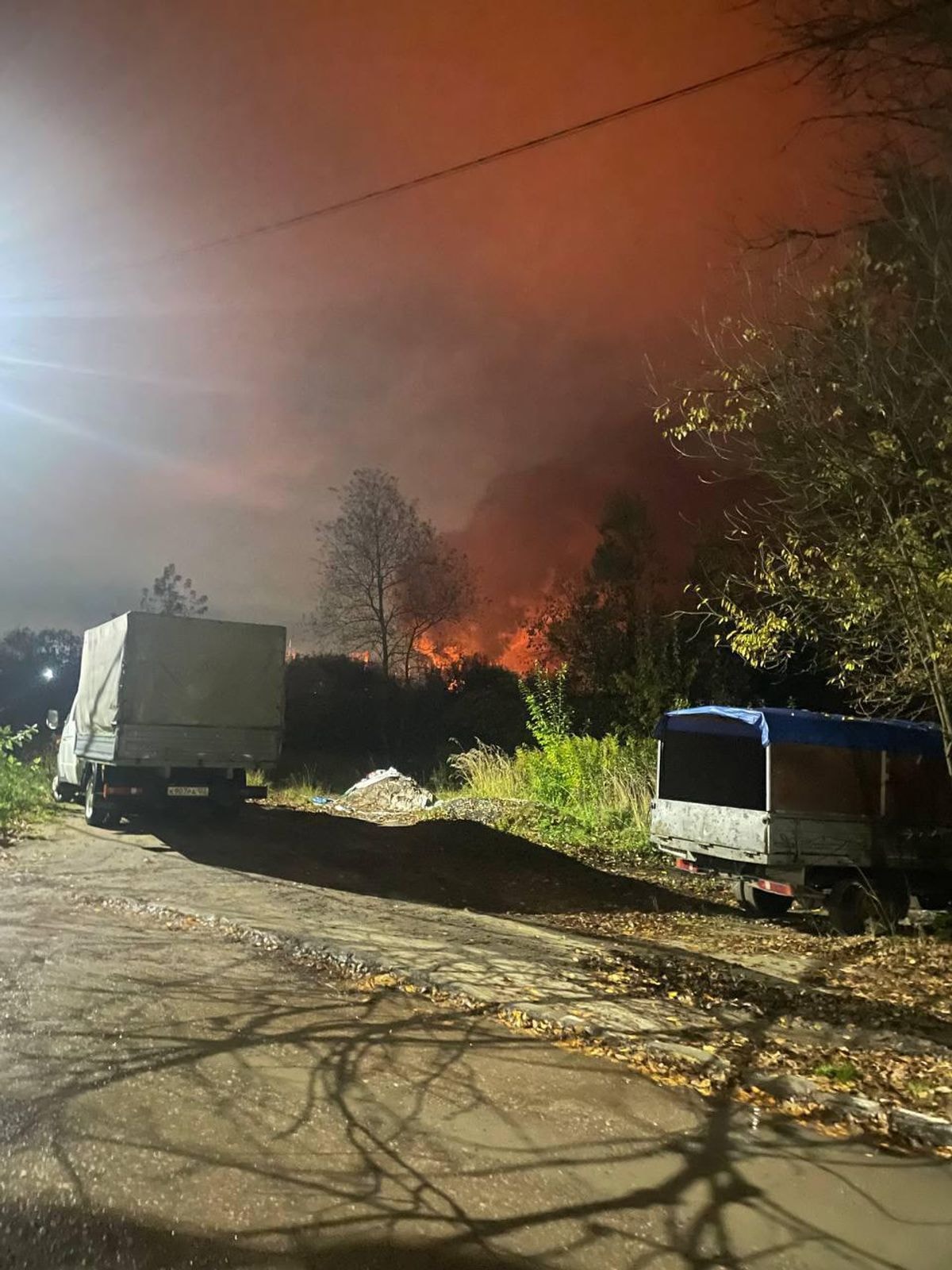
Meanwhile, Ukraine has stepped up its own "long-range sanctions" campaign against Russian energy assets, which provide fuel and funds for Moscow's war chest. Ukrainian forces on May 18-19 struck a Lukoil refinery — one of the largest in Russia — and an oil pumping station in their latest attack on Russian oil infrastructure.