War has drained Ukraine’s workforce, but women and veterans are stepping in to fill the void
 on Google
The effects of Russia’s full-scale invasion are shrinking Ukraine’s labor pool, with mass mobilization and emigration leaving labor shortages across the economy. Government data shows the scale of the problem: out of more than 23,000 companies struggling to hire, the vast majority cited a physical shortage of personnel as their primary challenge.
The shift is even felt at the domestic level via home repair: Ukrainians now wait months for plasterers, bricklayers, or tilers, and wages in these trades have surged, occasionally surpassing those of white-collar middle managers.
The shortage is also being compounded by an aging workforce, and key industries are struggling to replace retiring workers, according to a labor-market assessment by Helvetas Swiss Intercooperation and Ukraine’s State Employment Service. Among the problems with hiring new employees, employers also noted the unwillingness of men to formally register for work in order to avoid mobilization and insufficient professional skills.

The sector-by-sector report spans 11 industries and draws on a nationwide employer survey conducted in 2025, along with an analysis of 2024 labor-market data. After laying out the scale of the shortages, it shifts to where Ukraine can realistically find more workers: women, older Ukrainians, young people entering the job market, and veterans returning from service. It calls on government agencies, educators, and employers to expand short-term training and retraining and modernize workplaces to raise productivity.
Furthermore, it also urges measures to bring more of these groups into in-demand jobs, including by expanding opportunities for women in traditionally male-dominated professions and improving pathways for veterans and other vulnerable groups to return to employment.
"This massive sample provides a critical evidence base for shaping government decisions in employment and education amid the full-scale war," the State Employment Service noted in a press release in late 2025.
The graying economy
In many sectors, workers 60 and older now make up a large share of the workforce. That is especially true in education, health care, mechanical engineering, construction, and agriculture, where at least one in eight workers is of retirement age. The Helvetas report warns that as these specialists retire, too few younger workers are in the pipeline to replace them and build the same level of experience.
In the energy sector, for instance, employees under 25 make up 4% of the workforce, while those 60 and older account for 17%. Agriculture has the economy's largest generation gap, creating a particular challenge: companies report growing demand for employees proficient in modern agrotech — skills typically found among younger "digital natives" — while simultaneously becoming more dependent on an aging workforce.
The report recommends steps by the government and employers to ease shortages, including expanded training programs, paid internships, and perks such as meals, transportation, bonuses, flexible schedules, corporate training, and clear career paths. It also urges companies to retain older workers by offering part-time schedules, reduced duties, and mentorship roles to help pass skills to younger employees.

Addressing Ukraine’s labour shortage will take more than quick fixes, the assessment says. It also means investing in adult vocational education, particularly for vulnerable groups. Helvetas works with 18 municipal vocational schools across nine regions to offer short-term, market-oriented training designed to help people move into jobs quickly.
Within the Ukraine Economic Resilience Programme 87% of participants report improved professional skills and 86% feel better prepared for the labour market, with many experiencing tangible economic benefits: from better working conditions to new or additional income.
Helvetas also participated in the development of the Law of Ukraine “On Vocational Education,” adopted in August 2025.
“By combining field-level evidence with policy engagement, we aim to ensure that human capital development remains central to the country’s economic recovery,” said Kateryna Markevych, Helvetas Project Manager, Ukraine Economic Resilience Programme.
In the near term, the report argues that workers nearing retirement age could help plug some of the gaps. In the energy sector, it recommends recruiting and retaining pre-retirement employees in regions facing the most acute staffing shortages, saying their experience is an important factor in a technical field and they are less likely to be affected by mobilization.
Women step up
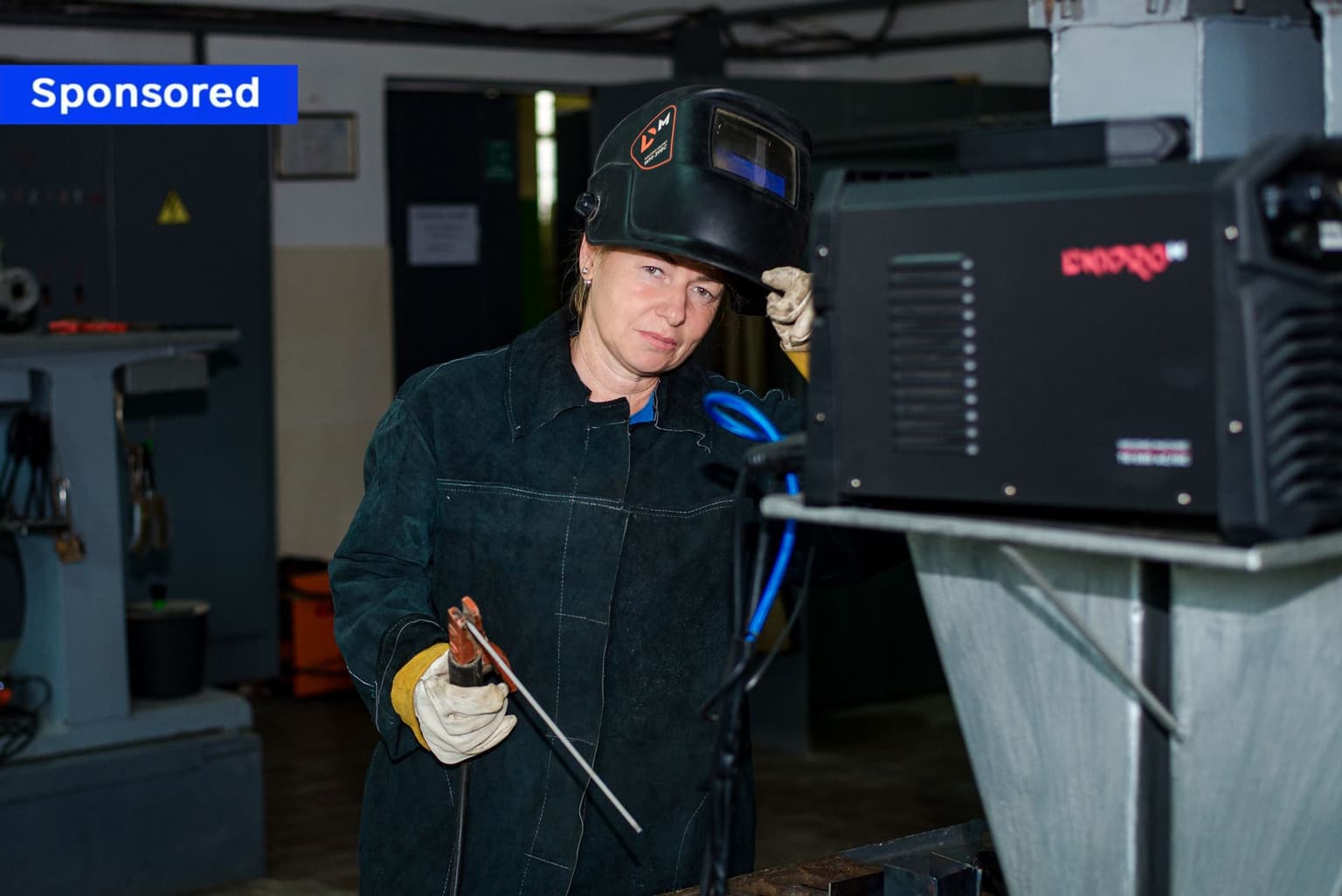
If older workers are one part of the answer, women are another. Industries long dominated by men are increasingly recruiting women to fill staffing gaps. According to the Helvetas report, the proportion of female employees increased in 20% of companies surveyed in the manufacturing industry and water supply sector, and slightly less in the agricultural sector. In 2026, half of the companies surveyed plan to hire women for traditionally male-dominated professions.
The push to bring more women into these jobs is coming from both employers and the government. In late 2024, officials launched a retraining program aimed at helping women move into in-demand jobs. The State Employment Service said the initiative covers 31 occupations, including tractor drivers, woodworking machine operators, and boiler operators, as well as forklift and trolleybus drivers and repair mechanics.

Still, some companies are prepared to act on their own accord. According to the study, half of the surveyed companies plan to hire women for traditionally male-dominated roles in 2026. Several industry leaders have already launched their own retraining initiatives, mirroring the government’s efforts to bridge the labor gap. MHP, one of Ukraine's largest agricultural holdings, started its "Power of Women" project to train women to operate grain-loading equipment, a process the company describes as highly automated and focused more on attention and process knowledge than physical strength. Ukrnafta introduced its "Every Woman Can" initiative, opening vacancies for women as crane operators, mechanics, and lathe operators. The report notes that increased automation is reshaping many of these jobs, widening the pool of potential candidates.
On the practical side, the report says employers can bring more women into technical and operational roles by changing how work is organized and making workplaces more ergonomic. It argues this approach could have an impact across different fields, such as mechanical engineering, energy, and agriculture.
As more jobs shift toward new technologies and automation, the report says employers will need workers who can operate equipment safely and follow stricter quality-control procedures. That shift could also make it easier for veterans returning from the front, including those with injuries or other health issues, because automation and better-designed workplaces can reduce physical strain and make technical roles more accessible.
Translating military experience to civilian work
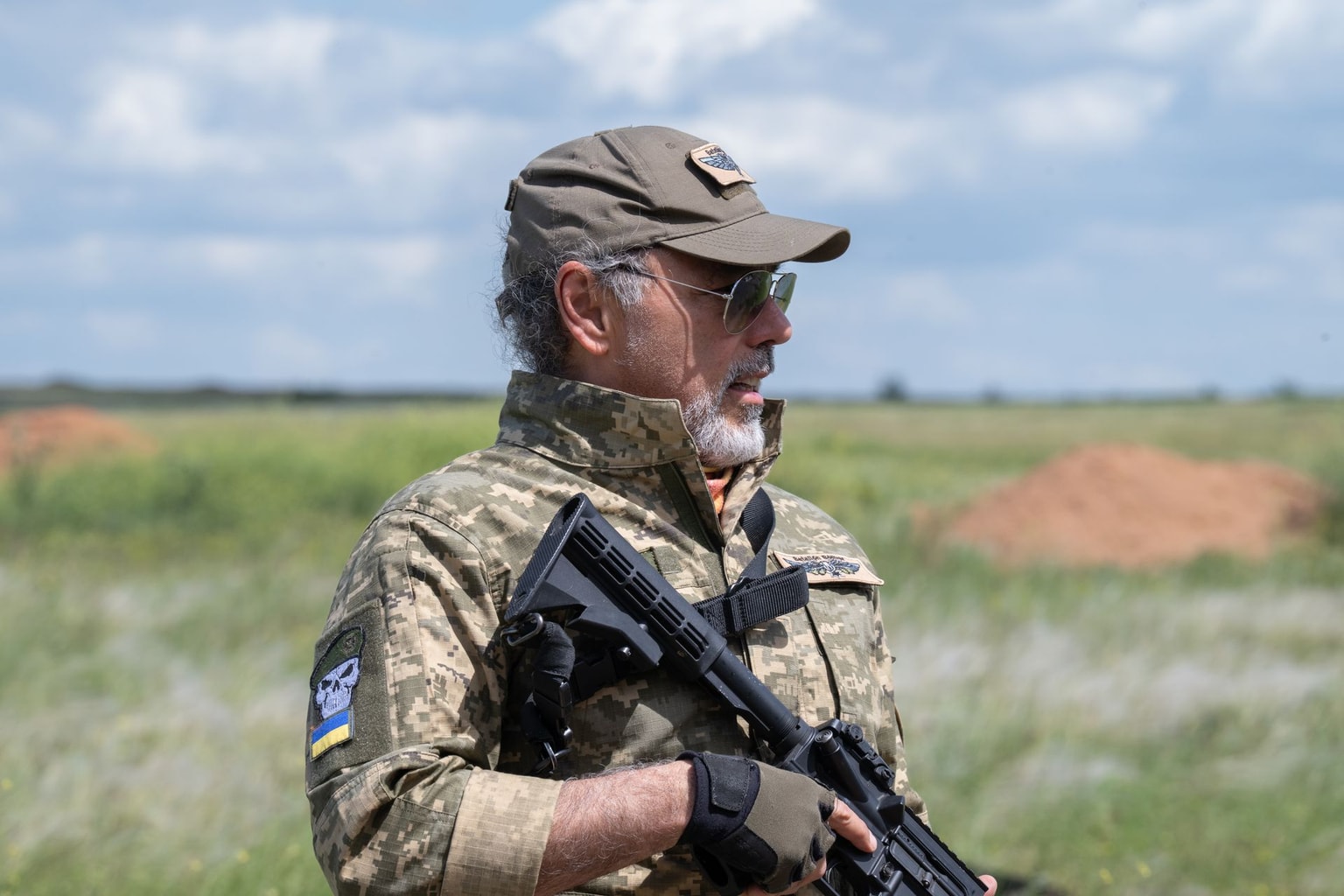
Ukrainian officials say the country has more than 1.2 million veterans, a number expected to rise to 5 million to 6 million by the end of the war. Helvetas analysts say helping veterans return to civilian jobs will therefore be critical for the economy.
Many service members came to the military from civilian fields such as IT, business, and construction. During the war, they have gained additional skills that do not always translate easily into civilian credentials.
To close that gap, Helvetas said it worked with employers to map about 1,000 military specialties, from riflemen to logisticians, to civilian occupations and identify transferable skills.
Helvetas said the National Agency for Qualifications and the Ministry of Veterans Affairs will use the findings to inform and shape their policies that would recognize military experience as formal professional qualifications. Under that approach, a veteran who managed logistics at the front could move more quickly into a supply chain role. At the same time, nearly every company surveyed with open vacancies expressed a willingness to hire veterans. This openness extends to other vulnerable groups as well, including internally displaced persons (IDPs) and people with disabilities.

The report argues that the government and its international partners can use the data to shape labor market policy during the war and in the postwar recovery. Helvetas said that the findings contribute to the evidence-base informing policy dialogue with Ukraine’s ministries of economy and education on skills standards and training priorities.
The labor crisis has forced a radical rethinking of who keeps the wheels of the economy turning. While blue-collar roles—from drivers to seamstresses—remain in the highest demand, the "personnel void" is so acute that a quarter of all surveyed companies are now considering hiring foreign labor in 2026 to stay afloat.
With fewer workers available and more people nearing retirement, the report argues there is no single fix. But it does point to where Ukraine can realistically find more staff: women, veterans, internally displaced people, people with disabilities, and older workers who can stay on longer.
Getting them into jobs faster, it says, will take short training and retraining routes, more modern workplaces that rely on automation, and clearer ways to recognize military experience as a qualification. The stakes are not abstract. It is about whether businesses can keep operating and basic services can keep running during the war, and whether Ukraine will have enough skilled people to rebuild when the fighting stops.
This material was produced with the support of Helvetas within the Ukraine Economic Resilience Programme (ERP), implemented with the support of Switzerland through the Swiss Agency for Development and Cooperation.
The programme is implemented by the ERP consortium consisting of Mercy Corps, Right to Protection, Helvetas Swiss Intercooperation, and JERU (Joint Emergency Response in Ukraine of Welthungerhilfe and Concern Worldwide).