Russia plans final test of new ballistic missile with 800-kilometer range by end of 2026, Ukraine's military intelligence says
 on Google
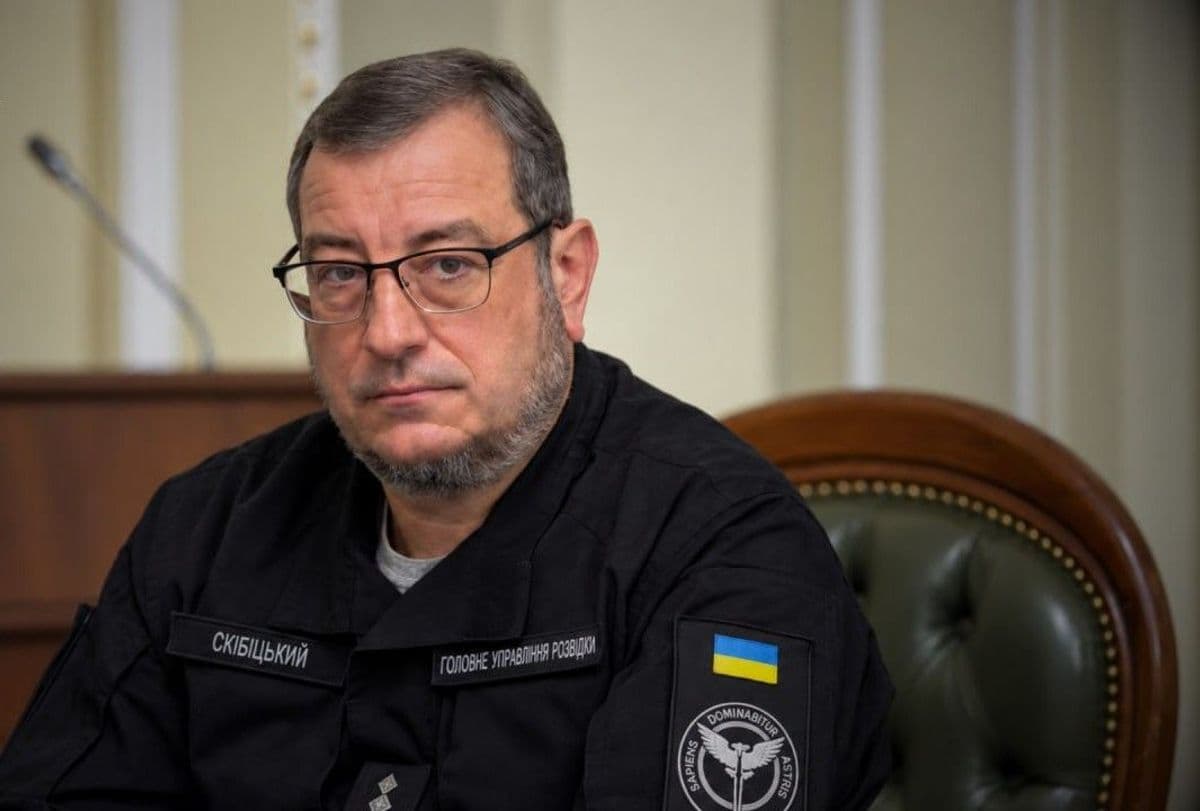
Russia plans to conduct final tests of a new, unspecified type of ballistic missile with a range of up to 800 kilometers (about 500 miles) by the end of 2026, Vadym Skibitskyi, deputy head of Ukraine's military intelligence agency (HUR), said on Sept. 8 at a meeting with NATO member states.
The statement comes as Russia continues to target Ukrainian cities with ballistic missiles, against which Ukraine has a critically limited supply of interceptors. Kyiv relies entirely on its international partners for these systems, while its own ballistic missile programs remain under development.
Russia may intend to strike targets in western Ukraine during these missile tests, Skibitskyi said.
Moscow is seeking to ramp up both missile production and the range of its weapons, according to Skibitskyi. Russia's ultimate goal, he added, is to intensify missile and drone strikes to push Ukraine into a socioeconomic crisis.
Skibitskyi also called on Ukraine's partner countries to tighten their sanctions to cut Russia off from using foreign components, particularly in its long-range weapons.
Russia has attacked Kyiv and other Ukrainian cities day and night, with little respite in recent weeks, using both ballistic missiles and large numbers of drones and causing civilian casualties.
The strikes prompted President Volodymyr Zelensky to announce a change in Ukraine's air alert system. Under the new plan, alerts will be divided into two levels: yellow for drone threats and red for incoming missiles and large-scale combined attacks.
Kyiv and the surrounding region have been among the main targets of Russia's intensified aerial campaign in recent days, facing near-constant attacks by jet-powered drones. Ukraine's air defenses remain critically stretched, leaving much of the country vulnerable not only to missiles and drones but also to glide bombs. The toll is mounting: July was the deadliest month for civilians since the start of the all-out war.
Separately, HUR announced on Sept. 9 that its cyber specialists had breached the networks of the Moscow Institute of Thermal Technology, a state-run research and design institute that develops Russia's missiles and military satellite communications.
HUR also said it identified 2,648 employees of the Moscow Institute of Thermal Technology, among them its chief executive, Sergei Ponomaryov, a retired lieutenant general.
The institute works on the Yars and Topol-M intercontinental ballistic missiles, the submarine-launched Bulava, the Iskander-M and the Oreshnik system, according to HUR.
Apart from missiles, the institute is also developing a system for rapidly launching military satellites into low Earth orbit, between about 160 and 2,000 kilometers (100 to 1,200 miles) above Earth's surface, HUR said.
Russia is accelerating the deployment of its Rassvet satellite communications system, a domestic alternative to Starlink, ahead of schedule, Skibitskyi said on Aug. 10.
Russia launched its first 16 Rassvet satellites into low Earth orbit in March 2026 and is continuing to expand the constellation, according to Skibitskyi. Earlier reports said Russia launched a second batch in July.