Kremlin seizes control of German retailer Metro AG's Russian properties
 on Google

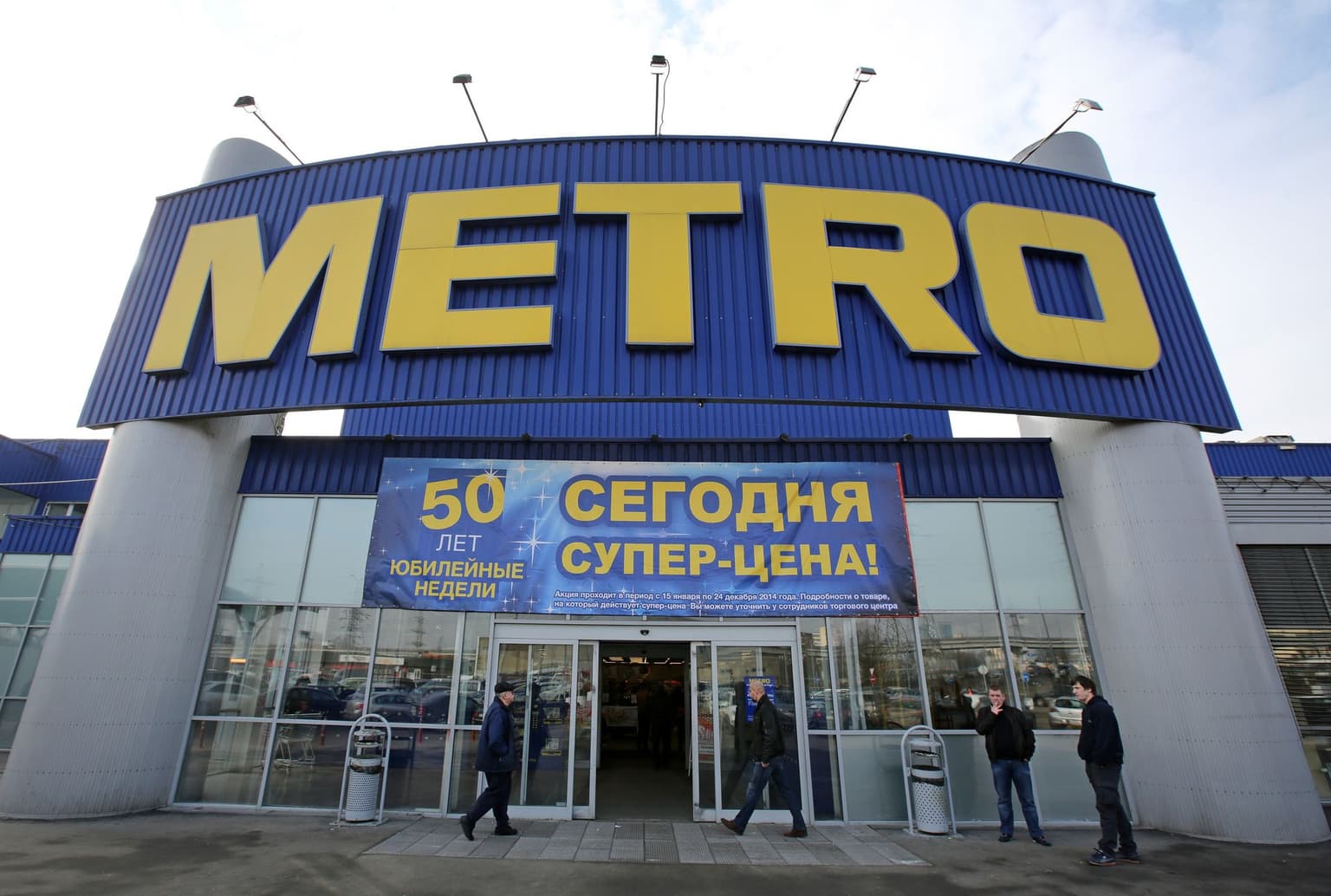
Russian President Vladimir Putin signed a decree on Sept. 28 placing the Russian subsidiary of Germany's wholesale food retailer Metro AG under the Kremlin's control.
The mandate transfers Metro AG’s Russian division to the "temporary management" of UK Torg RUS, a company created on Sept. 8. Corporate filings reveal it is wholly owned by Metro Russia CEO Johannes Tolay.
"Even though the ownership of Metro Russia formally remains with Metro AG, the decree means that Metro itself no longer has operational control," the company said in a press release.
Metro AG is one of the world’s largest retailers, specializing in food wholesale and food distribution to restaurants and hotels. Metro AG first entered the Russian market in 2001 and operated 91 wholesale stores, employing around 9,000 employees in the country.
"Since the beginning of Russia's war against Ukraine in February 2022, Metro has taken a variety of measures to reduce the links between the Russian business and Metro AG," the company said. "Further effects of the decree on Metro AG are currently being analyzed."
Putin's decree comes amid heightened tension between Berlin and Moscow following an alleged thwarted Russian drone attack at Germany's Leipzig airport over the summer.
The seizure also comes after a meeting between German Foreign Minister Johann Wadephul and his Russian counterpart, Sergey Lavrov, on the sidelines of the United Nations General Assembly on Sept. 26, where Germany called on Russia to end its war and engage in negotiations.
Moscow has seized Russian subsidiaries of Western companies throughout the war.
On Sept. 17, Putin signed a decree confiscating the assets of several international companies, including Nestle and Auchan.
Other companies placed under management by the Russian government include Bati Logistics, FM Logistics, and Le Monlid LLC, which, alongside Nestle and Auchan, had their assets put under the temporary management of Russian joint-stock company L.E.V. Management, according to Russian media.
Meanwhile, Russia has damaged the property of international businesses operating in Ukraine with missile and drone attacks.
On Aug. 29, a Russian attack damaged a PepsiCo production facility in southern Ukraine's Mykolaiv Oblast, the company said.
In another attack on Aug. 23, Russia struck a factory belonging to U.S. multinational food company Mondelez International in Sumy Oblast, Foreign Minister Andrii Sybiha said.