Exclusive: Trump's push for a Ukraine energy truce runs into a Putin problem
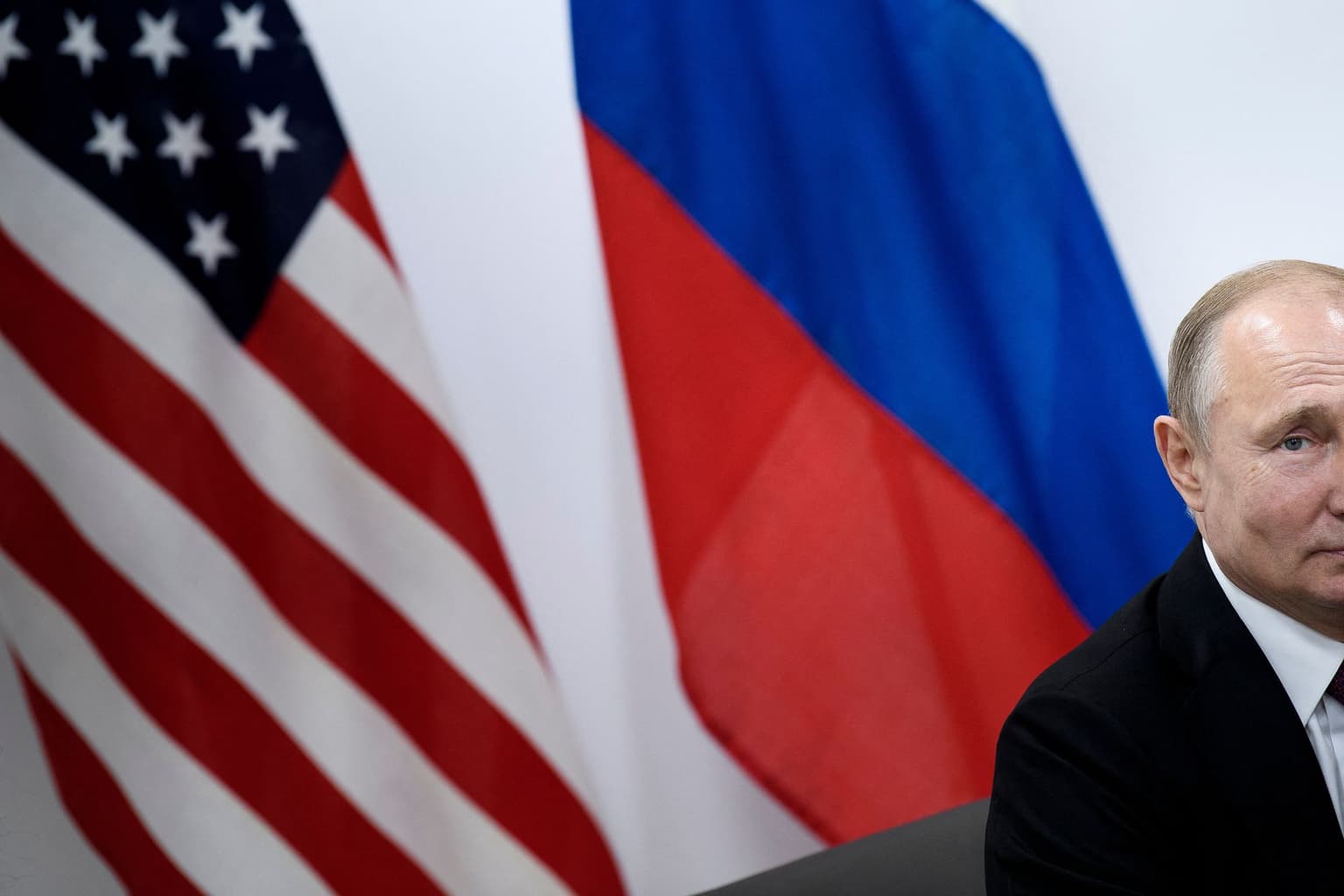
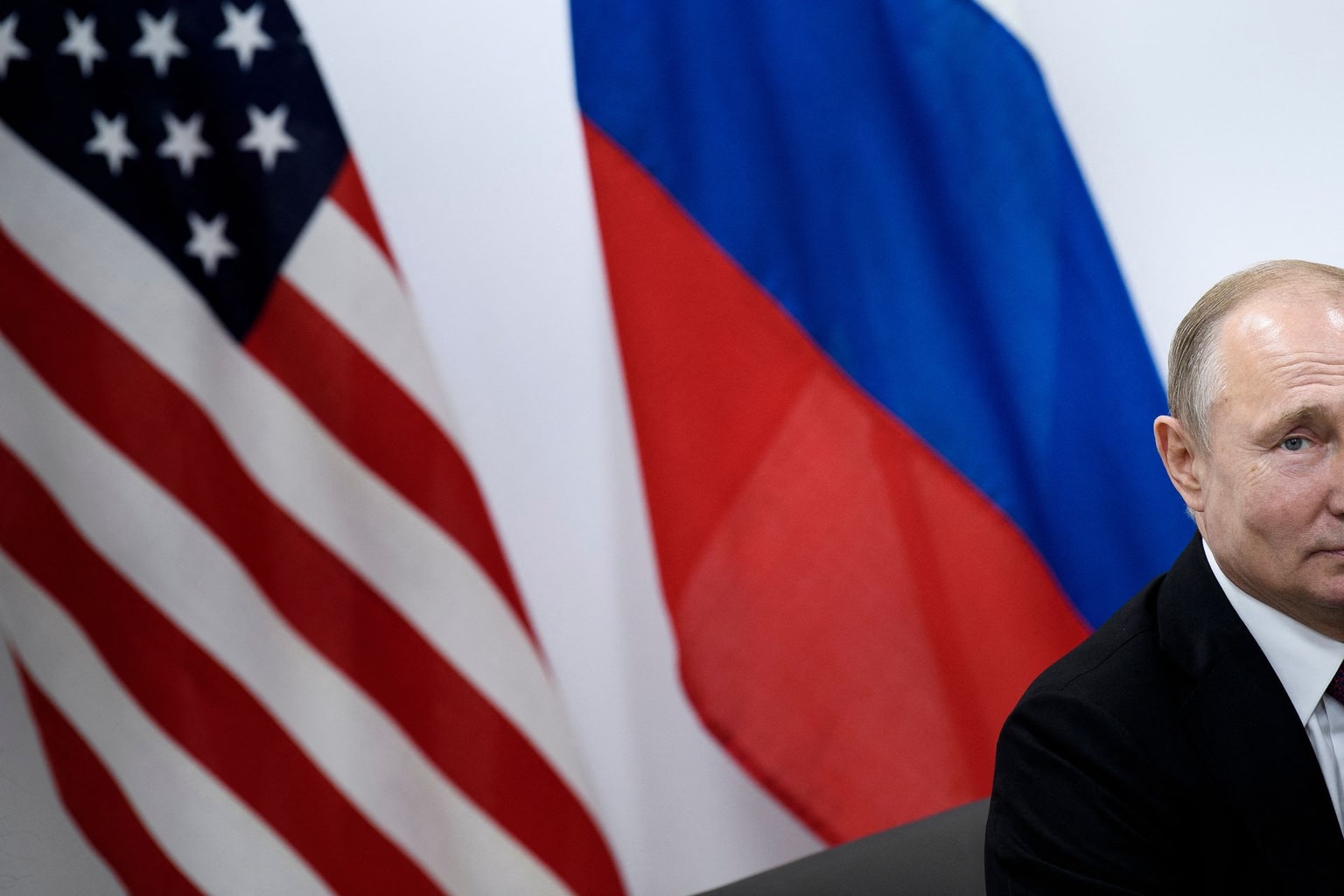
Russia's President Vladimir Putin attends a meeting with US President Donald Trump during the G20 summit in Osaka on June 28, 2019. (Photo by Brendan Smialowski /AFP via Getty Images)
 on Google
U.S. President Donald Trump privately doubts that Russian President Vladimir Putin will agree to an energy ceasefire with Ukraine before winter, people familiar with the matter told the Kyiv Independent.
The doubts come as Washington presses both Kyiv and Moscow to halt attacks on each other's energy infrastructure, one of the key issues in recent peace talks.
Trump has publicly pushed Ukraine to stop striking Russian energy facilities, while Moscow has yet to signal that it is ready to accept a reciprocal pause.
"Mr. Zelensky has to do one thing. He has to stop knocking out diesel fuel in Russia," Trump told President Volodymyr Zelensky on Sept. 13.
Zelensky has said Kyiv would support an energy ceasefire. Russia, meanwhile, has called the proposal "a good idea" but has not publicly indicated readiness to accept it.
Trump's doubts contrast with the more optimistic assessment of his team.
After their latest trip to Russia, Trump's envoys Steve Witkoff and Jared Kushner returned with the impression that an energy ceasefire was possible, one person familiar with the peace talks told the Kyiv Independent.
"Donald is not as confident as his team," the person said.

A White House official told the Kyiv Independent that Trump "remains optimistic" about securing a peace deal, without addressing his doubts about an energy truce.
"The United States continues to play a constructive role in speaking to both sides in working towards bringing the war to an end," the official said.
The Ukrainian side has also received "some indications from Russia" that Moscow was ready to consider an energy ceasefire, one person familiar with the matter said. They declined to elaborate on the indications.
What the US is trying to broker
Both Ukraine and Russia have repeatedly targeted each other's energy infrastructure throughout the war.
Ukraine has struck Russian energy facilities and exports to disrupt a key source of funding for Moscow's war effort. Russia, meanwhile, has attacked Ukrainian power plants and substations, seeking to leave civilians without electricity and heating.
For Kyiv, a reciprocal pause could offer some protection for its energy system ahead of another winter of Russian attacks.
For Washington, the proposal is also tied to a broader effort to show progress in peace negotiations before the U.S. midterm elections.
People around Trump have continued to claim the impact of Ukrainian strikes on energy prices, telling him that reducing attacks on Russian energy infrastructure is important for the energy market.
His envoys are therefore trying to broker an arrangement in which both sides would stop attacking energy facilities, those familiar with the discussion told the Kyiv Independent.
Washington appears to be seeking a limited agreement that could demonstrate progress without requiring the broader peace talks to be resolved first.
The energy initiative, along with a possible reopening of the Black Sea grain corridor, is expected to be discussed at a trilateral meeting between Ukraine, Russia, and the U.S., which could take place as early as next week in the United Arab Emirates.
"We are the only country in the world that can play that mediation role," a White House official said about trilateral talks.

Ukrainian and U.S. officials have already shared their vision for the next steps with Russia, people familiar with the matter told the Kyiv Independent, adding that "the ball is on the Russian side."
That effort has continued through Kirill Dmitriev, Putin's envoy, who visited the U.S. last week and held talks with Witkoff and Kushner. Energy truce proposals were discussed during the meeting, according to a U.S. official familiar with the talks.
The U.S. and Ukraine now expect Dmitriev to brief senior Russian officials and obtain information about Moscow's position on possible trilateral talks.
Kyiv has made clear that it will not stop attacks on Russian energy infrastructure unilaterally, Ukrainian officials said. Any agreement would have to be reciprocal, with Russia also halting attacks on Ukrainian energy facilities.
If a deal is reached, Ukraine would gain protection for its own energy system, but it would also give up a tool that has allowed it to reduce Russian energy exports.
"There are pros and cons. The obvious advantage for us is preserving our energy system and saving people's lives," Oleksandr Merezhko, head of the Ukrainian parliament's foreign affairs committee, told the Kyiv Independent.
"But on the other hand, our deep strikes are very painful for Russia and for their war machine. So there are certain downsides… Still, I lean toward such a truce."
How a new truce could work
One possible way forward would be to keep the agreement narrow enough to make compliance easier to monitor.
Dara Massicot, a senior fellow with the Carnegie Endowment for International Peace's Russia and Eurasia Program, said a limited energy ceasefire could be easier to negotiate but warned that both sides could simply shift their attacks to other targets.
"A complete aerial ceasefire would make compliance observation much easier."
One possible approach, she said, would be to prohibit strikes deep behind the front line, such as attacks more than 200 kilometers (125 miles) from the line of contact.
Massicot also pointed to the recently signed sanctions bill as leverage.
"If Russians comply with an agreement, then no additional sanctions can be applied, for example, as part of the deal," she said. "If they do not comply, then that sanctions law makes it easy to add pressure."
But Ukraine has been down this road before.
A truce that quickly unraveled
In early 2025, Russia and Ukraine agreed to a limited, U.S.-brokered pause in attacks on energy infrastructure. The agreement was supposed to last 30 days, but quickly unraveled as both sides accused each other of violations.
The arrangement emerged from separate U.S. talks with Moscow and Kyiv in March 2025. It called for a suspension of attacks on power plants, substations, pipelines, refineries, and other energy assets.
The deal was fragile from the beginning. Russia said the pause depended on certain conditions and could be voided if either side violated it. Ukraine, meanwhile, accused Moscow of "manipulating" the terms.
By mid-April, Ukraine said Russia had struck its energy infrastructure more than 30 times since the agreement was reached.

That experience is now shaping discussions over any new arrangement.
Oksana Kuzan, co-founder and head of the analysis department at the Ukrainian Center for Security and Cooperation, said a new energy truce would require round-the-clock monitoring and clear mechanisms for verifying violations.
European countries and the U.S. could help monitor compliance, she said.
"Satellite monitoring of the situation can be expected from the U.S., whilst other close international partners have also been informed and have put forward their proposals regarding work on the relevant agreement," Kuzan said.
Even with such mechanisms, Ukrainian officials remain skeptical that Russia would comply. Merezhko pointed to what he described as Putin's record of breaking agreements.
"There is a 100% certainty based on experience that Putin never keeps agreements. At any moment, if it is beneficial to him, he can easily violate them," Merezhko said.