Ukraine's Operation Vivaldi liberates 3 more settlements, inflicts 2,000 Russian losses, 3rd Army Corps announces
 on Google
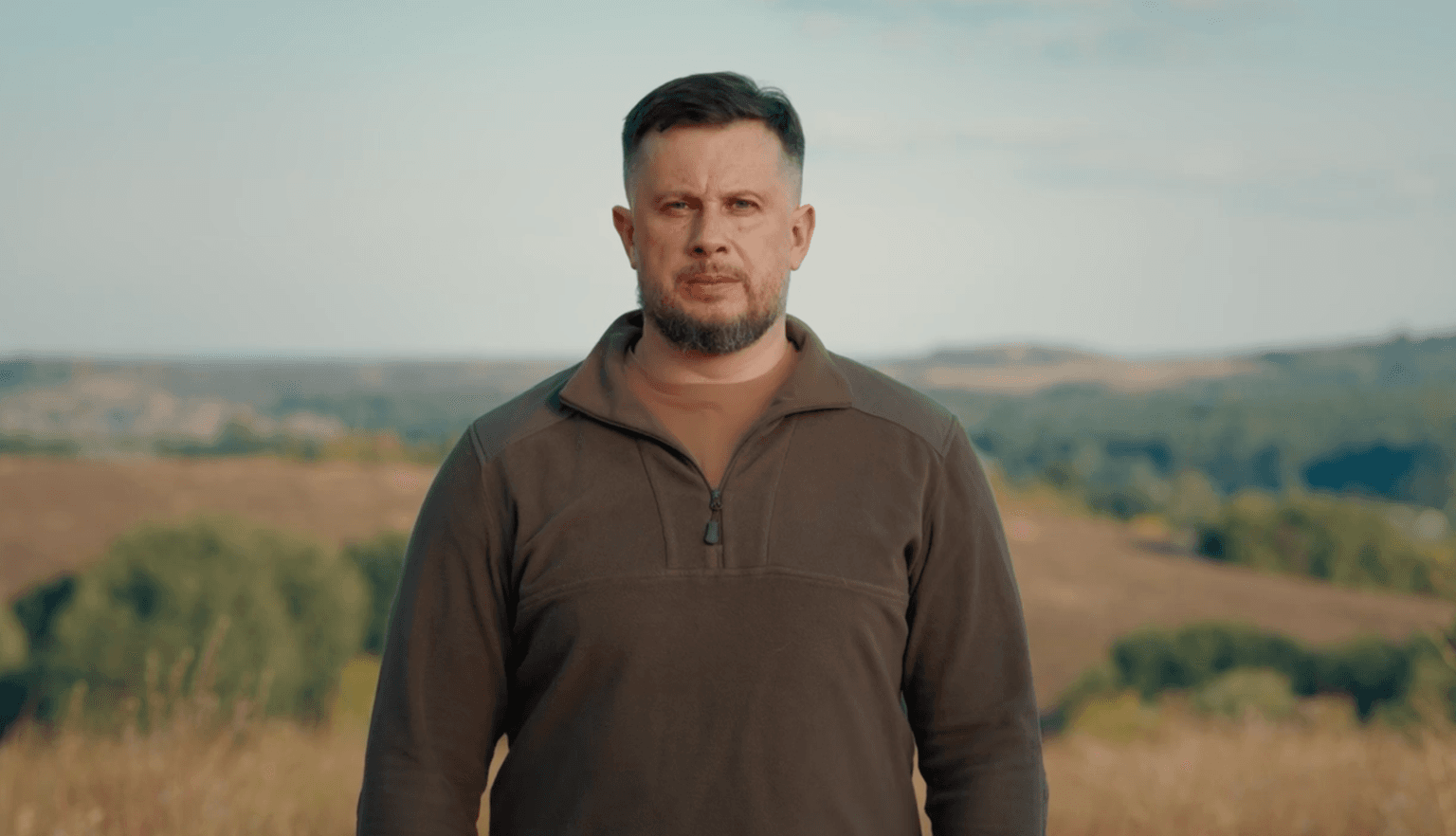
Ukrainian forces under the command of the 3rd Army Corps have liberated three more villages in northern Donetsk Oblast as part of the ongoing Operation Vivaldi, corps commander, Brigadier-General Andrii Biletskyi said on Sept 28.
The villages of Ridkodub, Nove, and Katerynivka were liberated, while full Ukrainian control was restored over Karpivka and Novomykhailivka.
The latest official update from the offensive operation, which has been covered by strict operational security measures for most of its duration, marks 51 square kilometers newly liberated, bringing the total so far of territory officially retaken to 176 square kilometers.
This phase, described as the "third season" of Operation Vivaldi, inflicted over 2,000 Russian losses and saw over 250 Russian soldiers taken prisoner, according to Biletskyi.
"The idea that 'Russians don’t surrender' from movies in practice turned into entire units surrendering in full — including officers, pilots and artillerymen," the general said.
"We hope to exchange them for Ukrainian soldiers currently in captivity in the near future."
Operation Vivaldi, the corps' offensive operation around Lyman in northern Donetsk Oblast, was only made public on Sept. 15, although Russian pro-war Telegram channels and independent open-source intelligence (OSINT) researchers on social media had been tracking Ukrainian attacks in the area since late spring 2026.

The operation has sought to eliminate a large Russian salient that had built up over the previous year of fighting, one of two major pincers designed to encircle the remaining Ukrainian presence in the region.
The recent updates bring the officially-reported gains closer to those circulated by OSINT analysts and pro-war Russian Telegram channels, that reported Ukrainian forces pushing all the way east to the Zherebets River.
"One of the most important components of our success was our deception operations," Biletskyi said, "as a result, the enemy was convinced that the main direction of our attack was the Shandryholove–Zelena Dolyna axis."
"This forced them to pointlessly burn through their reserves in counterattacks in that direction; in reality, the enemy slept through the main strike, which was aimed at capturing Nove."
The two previous "seasons" of Operation Vivaldi were each announced in similar updates, first on Sept. 15 when the offensive was given its name, and then on Sept. 20, when the liberation of the villages of Shandryholove and Derylove were announced.
The operation is a rare example of offensive success on the Ukrainian side, achieved despite a major disadvantage in manpower and the domination of the drone-based "kill zone" above the front line.
According to the 3rd Corps, success has been enabled by the repression of Russian drone assets and logistics, and the creative use of technology, including ground drones.
In the Sept. 28 update, Biletskyi reported the use of modified Soviet-era armored personnel carriers as "kamikaze" ground drones during the offensive.