Oleshky evacuation begins but volunteer claims Russia already moved people outside of agreed terms
 on Google

Editor's note: This is a developing story and is being updated.
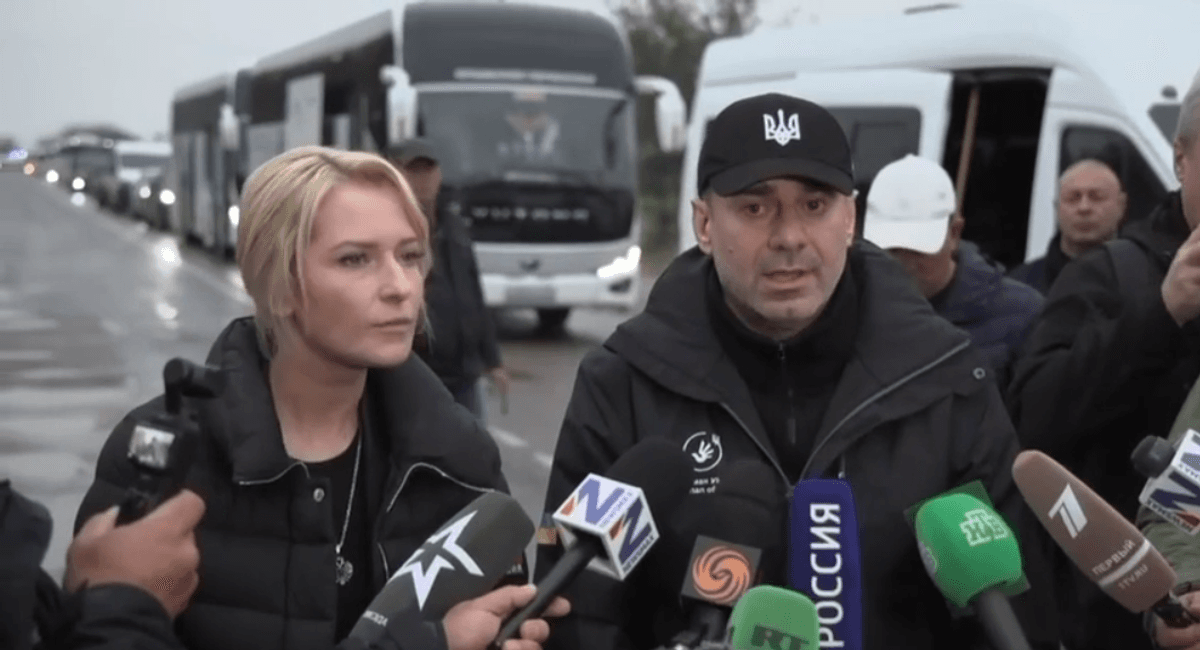
Twenty-five buses with a capacity of 750 passengers, along with ambulances for people with limited mobility, have been prepared to evacuate residents from Russian-occupied Oleshky in Kherson Oblast, Ukraine's Human Rights Ombudsman Dmytro Lubinets said on Oct. 29.
Lubinets's statement comes amid claims that Russia had begun evacuating residents before the agreed date.
"Everyone who wishes to leave Oleshky will be given the opportunity to leave safely. At the same time, those who have decided to stay can stay and will receive all the necessary humanitarian support," Lubinets said.
As of nearly 11:30 a.m. Kyiv time, the Ukrainian delegation had safely reached Oleshky, and the ceasefire had been in effect for 80 hours and was still holding, Lubinets said.
Lubinets added that he was speaking with local residents to hear about their needs and understand what kind of assistance they required most.
Five hundred twenty-seven residents of Russian-occupied Oleshky plan to travel to Ukrainian-controlled territory, Prime Minister Serhii Koretskyi said in response to questions from lawmakers during a public government Q&A session on Oct. 30.
Koretskyi later wrote on Telegram that he had shared the figure "by mistake" and that "no exact numbers" were available at the time.
Koretskyi also said during the Q&A session that preliminary medical examinations of residents preparing to leave were expected to be completed by 2 p.m. local time on Oct. 30.
Residents of Oleshky will then travel to Belarus before crossing into Ukraine, the prime minister added.
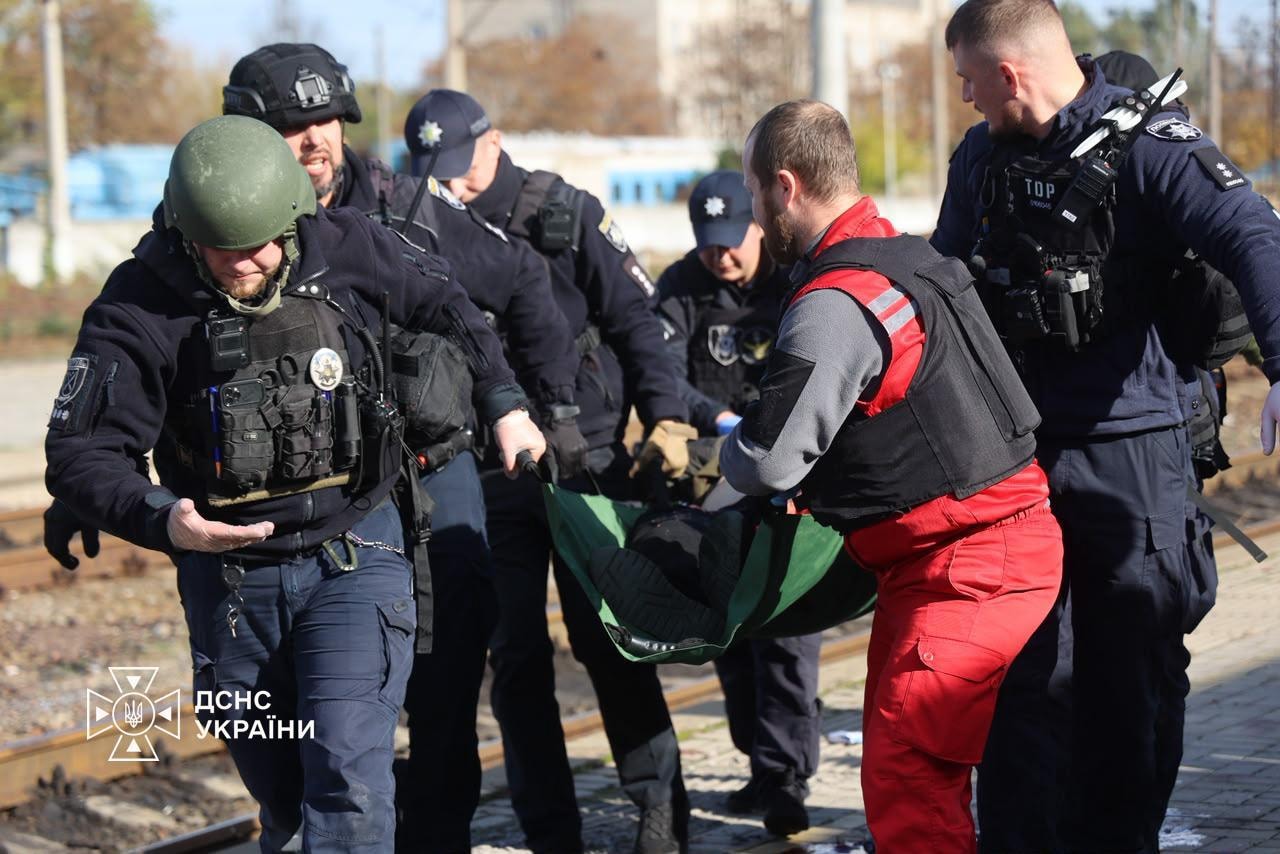
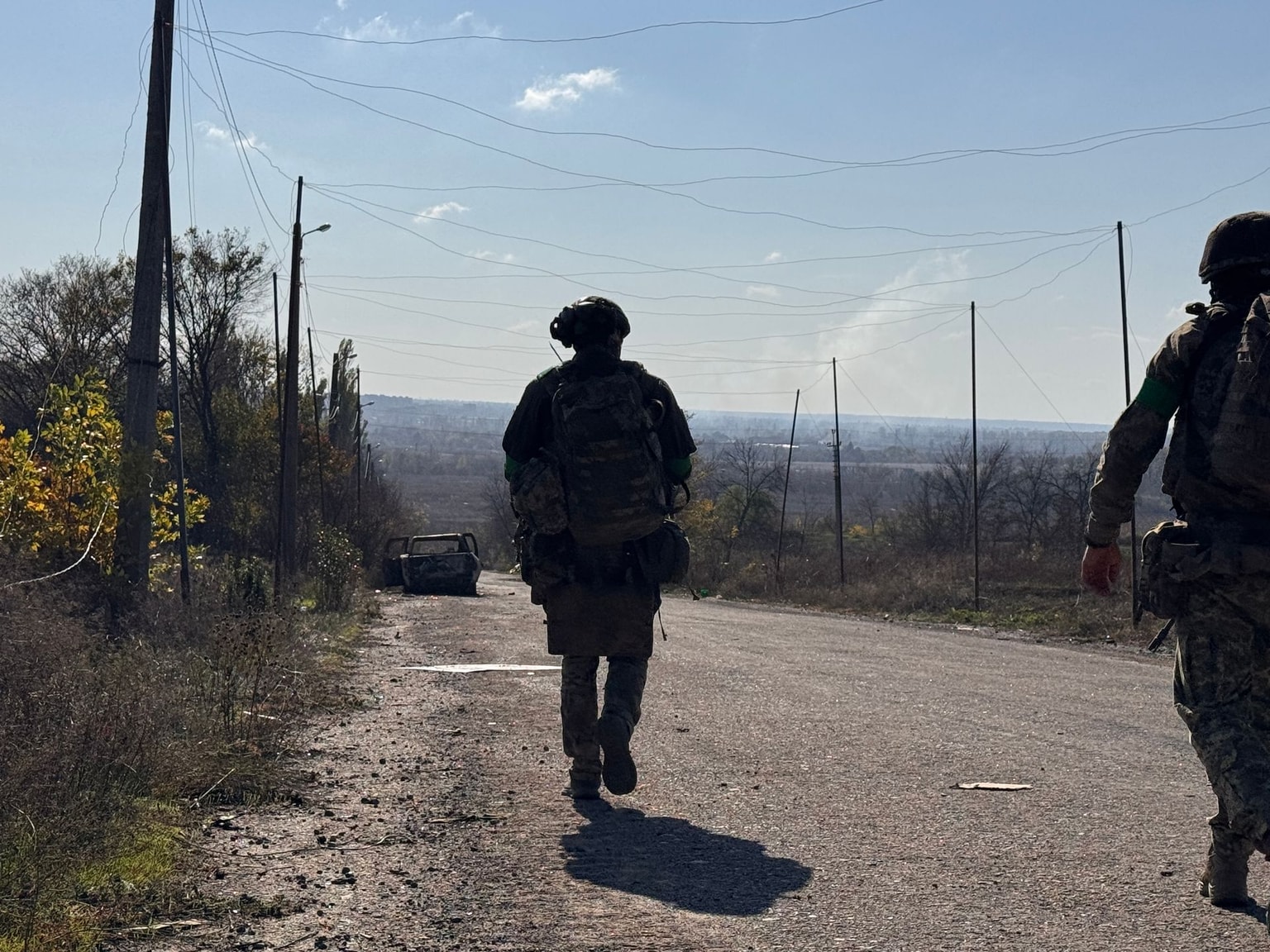
Demining of designated routes has been completed, and a humanitarian convoy is ready to depart, Lubinets announced on Oct. 29. Meanwhile, Kherson regional governor Oleksandr Prokudin reported that one person was injured by the explosion of a Russian mine on the same day.
The convoy is expected to arrive at the city's central hospital, where humanitarian assistance will be provided to residents, Lubinets said.
Residents wishing to leave the city will be able to do so until 2:00 p.m. local time, with security measures arranged for their evacuation. Humanitarian aid distribution is scheduled to begin after 2:30 p.m., according to the ombudsman.
According to a local Telegram group, residents of Oleshky are waiting for the convoy amid heavy rainfall, while the buses had not yet arrived. Residents know where to register, are being asked where they want to go, and are being given tickets.
Lubinets said he and Yana Lantratova, Russia's Commissioner for Human Rights, were in Armiansk, Russian-occupied Crimea, coordinating further actions within the framework of the agreement. Journalists from three countries were also accompanying them, he added.
Russian state news agency TASS, citing Lantratova, also reported that buses had been prepared for Oleshky residents, including ambulances and a special bus for people traveling with pets.
Kseniia Arkhipova, an evacuation volunteer from Oleshky who is now based in Ukrainian-controlled territory, said that Russia had violated the terms of the agreement by starting the evacuation early.
Footage broadcast by TASS also appears to show civilians being moved with only Russian forces present and before the agreed-upon date of departure, Oct. 30. TASS also showed interviews with people it claimed were evacuated from Oleshky on Oct. 29.
The Russian-installed head of occupied Kherson Oblast, Volodymyr Saldo, claimed on Oct. 27 that residents will have a choice — either to stay in Russia or to travel to Ukrainian-controlled territory "to reunite with their families."
But a source familiar with the events unfolding on the ground, speaking to the Kyiv Independent on condition of anonymity, said on Oct. 29 that Russia was already taking steps to ensure as few people as possible left for Ukraine.
They said that patients at the city's only functioning hospital were being registered and told they faced filtration if they left, Russian forces had refused to go house-to-house to inform sick and immobile people that the evacuation was happening, and those living in outlying villages had been told they could be shot if they approached the assembly point.
Some residents expressed fears in local Telegram chats that they could be taken to "concentration camps."
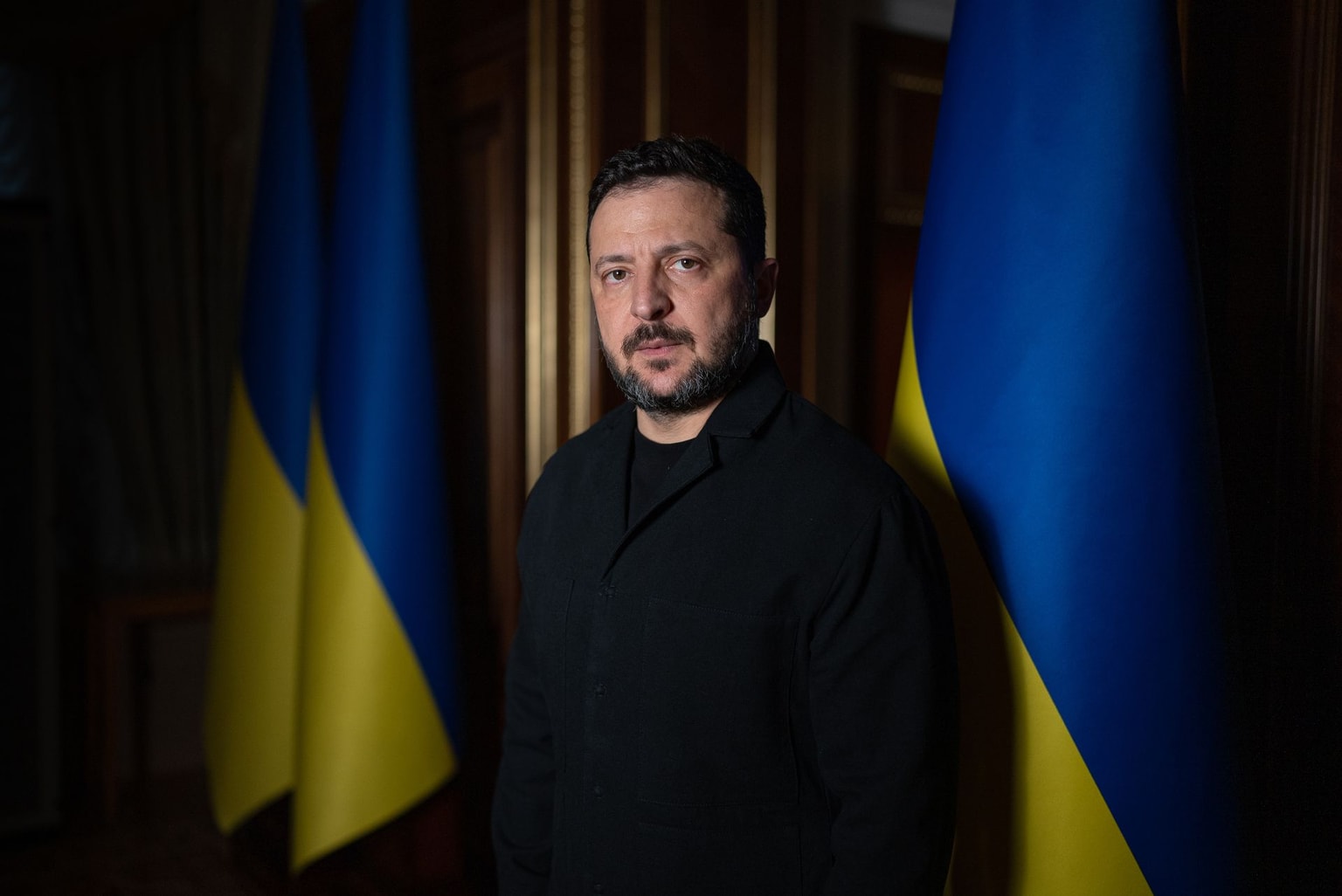
Foreign Minister Andrii Sybiha previously warned that Russia is preparing to stage "dozens" of videos, and President Volodymyr Zelensky said on Oct. 25 that Russia will likely "do everything it can to clear the roads in such a way that these people head toward Russia and remain there."
Oleshky has been under Russian occupation since the early days of Russia's full-scale invasion. Located across the Dnipro River from Kherson, the city has been effectively blockaded by Russian forces, which have prevented humanitarian aid from reaching residents.
Residents have faced severe shortages of food, water, and electricity. Mined roads and constant drone attacks have made safe evacuation virtually impossible, and civilians trying to flee on the only roads in and out of the city have frequently been targeted by drones.
Russian President Vladimir Putin on Oct. 29 accused Ukraine of "creating a humanitarian catastrophe" in Oleshky, despite the fact that Russian forces have been in control of the city since 2022.