Why did Russia agree to the Oleshky ceasefire?
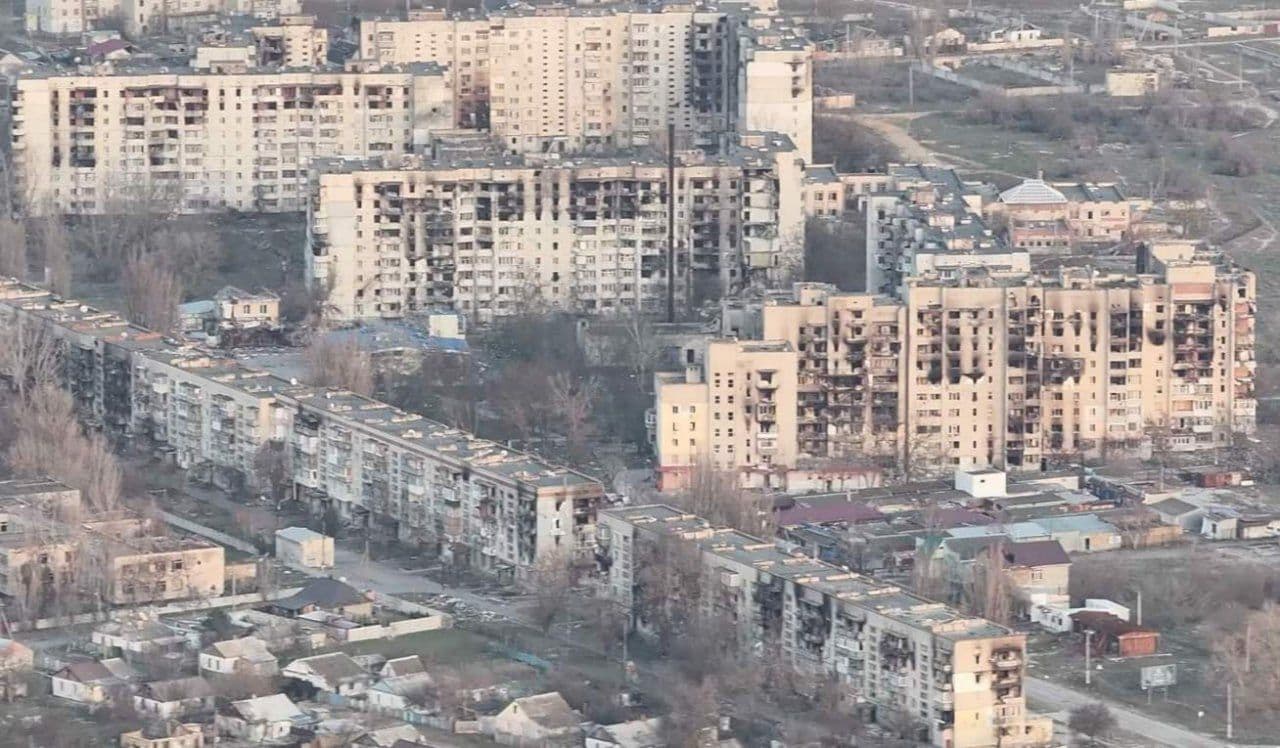
An aerial view of Russian-occupied Oleshky, Kherson Oblast, Ukraine in a photo published on Sept.16, 2026. (Dmytro Lubinets / Telegram)
 on Google
Moscow's consent to a temporary ceasefire in Russian-occupied Oleshky seems like a long-overdue and welcome concession from a country that has repeatedly rejected or violated ceasefire proposals during the full-scale invasion of Ukraine.
So why is the Kremlin so on board with Oleshky? Experts, as well as information from Oleshky itself, suggest Russia's motives go far beyond addressing the humanitarian catastrophe it created itself.
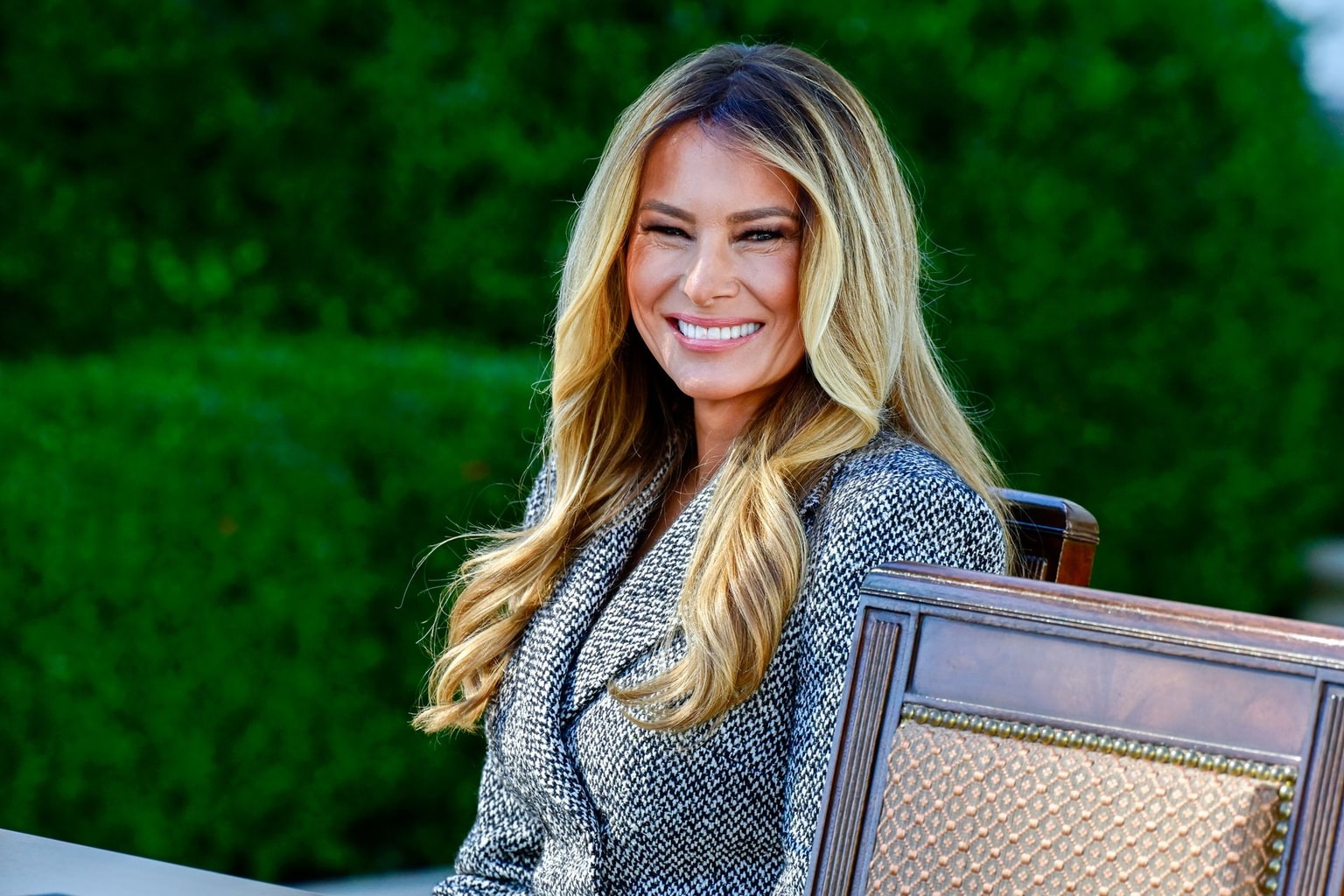
Instead, the highly publicized ceasefire brokered by U.S. First Lady Melania Trump presents several opportunities for Moscow to manipulate facts on the ground, an international audience, and — crucially — the White House, all as it positions itself ahead of a new round of peace talks.
"They know exactly what they're doing," John Foreman, a former U.K. defense attache in both Kyiv and Moscow, told the Kyiv Independent.
The propaganda opportunity
Oleshky has been under Russian occupation since the early days of Russia's full-scale invasion. Located across the Dnipro River from Kherson, the city has been effectively blockaded by Russian forces, which have prevented humanitarian aid from reaching residents.
Residents have faced severe shortages of food, water, and electricity. Mined roads and constant drone attacks have made safe evacuation virtually impossible, and civilians trying to flee on the only roads in and out of the city have frequently been targeted by drones.
Russian President Vladimir Putin on Oct. 29 accused Ukraine of "creating a humanitarian catastrophe" in Oleshky, despite the fact that Russian forces have been in control of the city since 2022.

Military analyst Vasyl Pehno said on Oct. 27 that Russia had created the humanitarian crisis in Oleshky and is now presenting itself as "heroically rescuing civilians."
The evacuation of residents from Oleshky provides the Kremlin with the opportunity to convince the world that Ukrainians under occupation would rather live in Russia than go back to Ukraine.
The Russian-installed head of occupied Kherson Oblast, Volodymyr Saldo, claimed on Oct. 27 that residents will have a choice — either to stay in Russia or to travel to Ukrainian-controlled territory "to reunite with their families."
But a source familiar with the events unfolding on the ground, speaking to the Kyiv Independent on condition of anonymity, said on Oct. 29 that Russia was already taking steps to ensure as few people as possible left for Ukraine.
They said that patients at the city's only functioning hospital were being registered and told they faced filtration if they left, Russian forces had refused to go house-to-house to inform sick and immobile people that the evacuation was happening, and those living in outlying villages had been told they could be shot if they approached the assembly point.

Some residents expressed fears in local Telegram chats that they could be taken to "concentration camps."
Footage broadcast by Russian state media channel TASS also appears to show civilians being moved with only Russian forces present and before the agreed-upon date of departure, Oct. 30.
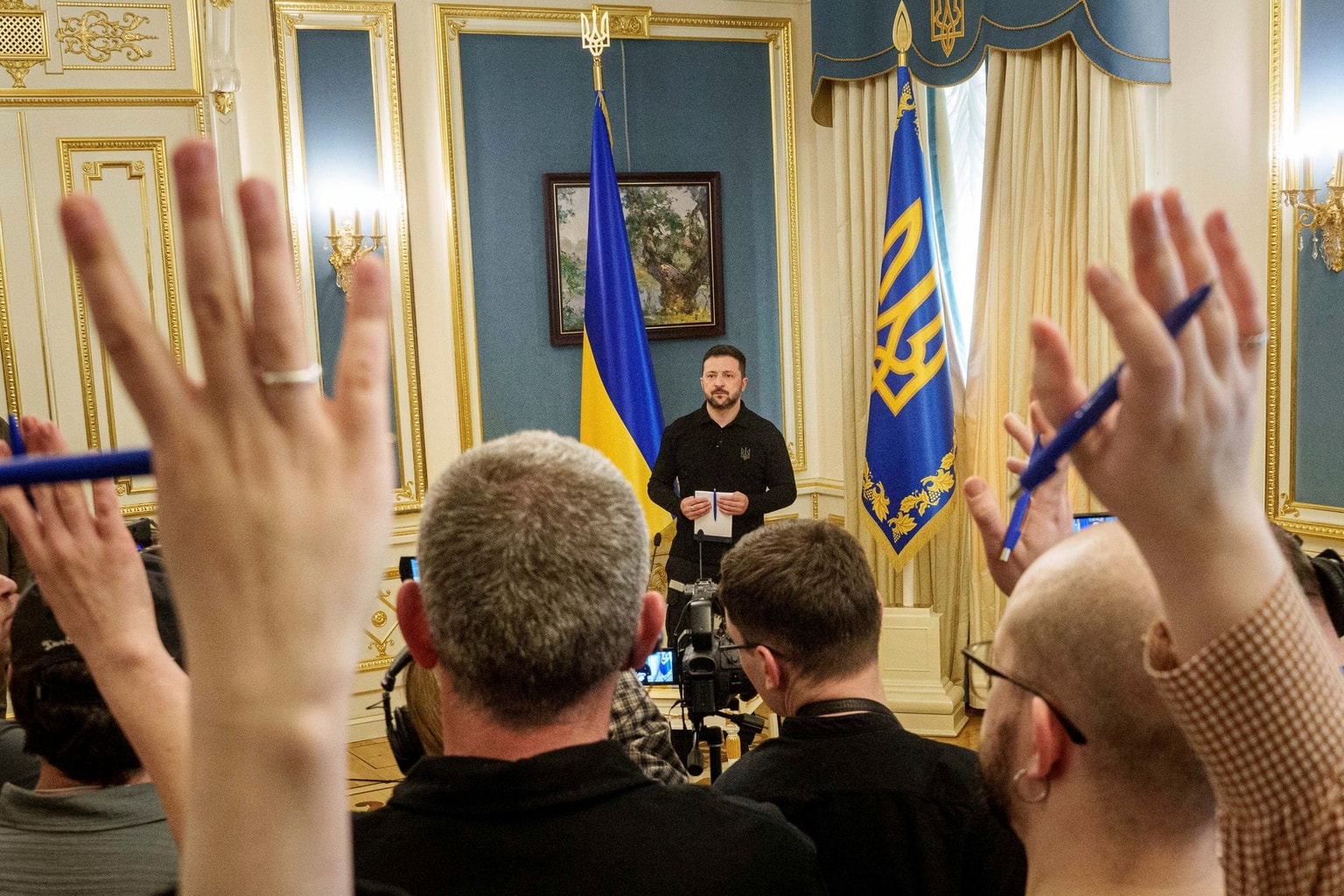
Foreign Minister Andrii Sybiha previously warned that Russia is preparing to stage "dozens" of videos, and President Volodymyr Zelensky said on Oct. 25 that Russia will likely "do everything it can to clear the roads in such a way that these people head toward Russia and remain there."
The political gains
Despite efforts by the United Nations, the International Committee of the Red Cross (ICRC), and even Pope Leo XVI, a ceasefire agreement has only come about since the intervention of Melania Trump.
The first lady facilitated the ceasefire arrangement after she learned about the crisis during the United Nations General Assembly week, her senior adviser, Marc Beckman, told the Kyiv Independent on Oct. 28.

He added that her involvement in the Oleshky ceasefire was "wanted very much" by Putin, something Foreman said has obvious political motives.
"Allowing Melania to take the credit bolsters their credentials to the MAGA base as peacemakers before the midterms," he said.
Foreman argued that the temporary truce could help placate Trump, while he blamed Ukraine for blocking the peace process, Foreman added.
"The same Kremlin approach for the diesel deal, agreeing to three-way talks, and releasing a hostage in return for pausing new sanctions," he added, saying each time Russia gains something substantial without "conceding anything significant."
Petro Andriushchenko, head of the Center for the Study of the Occupation, told the Kyiv Independent that Moscow wants to give Trump another opportunity to claim he has helped stop a war.
Russia is unlikely to violate the ceasefire this time, he said, not out of concern for civilians, but because the Kremlin would not want to jeopardize its relationship with Trump ahead of the U.S. midterm elections.
Despite this, the Beckman is adamant that Russia is acting in good faith.
"It's my understanding and my belief in being very close to all of these negotiations and knowing all of the parties for a long time, that everybody, the Russians included, is working in good faith," Beckman said.
"It's understood that this is a humanitarian crisis in Oleshky, and these elderly people need to be saved."
read also
Crisis beyond Oleshky
While the Kremlin agreed to the Oleshky ceasefire, it remains silent about the dire humanitarian situation across other occupied territories.
Daria Rabinovitsch, co-executive director at Helping to Leave, an organization that helps civilians leave the occupied territories, told the Kyiv Independent that calculating how many settlements are isolated is nearly impossible due to broken communications and missing internet access, but at least three other areas are known to be suffering from isolation.

These include the Kinburn Spit, settlements in the Polohy District of Zaporizhzhia Oblast where drivers refuse to go, and Enerhodar, where access has become hazardous due to intense air attacks along transport routes.
Such enclaves frequently appear when the front line shifts and Russia gains more territory, Rabinovitsch said. In some places, Russian military personnel relocate residents from active combat zones deeper into occupied lands, she added.
While the ceasefire might facilitate temporary relief efforts in Oleshky, it leaves systemic problems facing Ukrainians under Russian control unaddressed.
Across all occupied territories, civilians face failing water and electricity systems, shortages of qualified doctors, deteriorating municipal services, and mass depopulation, while specific problems differ from one occupied region to another.
"Oleshky is not the only community on the temporarily occupied territories that is experiencing a humanitarian catastrophe, and while we are happy and hopeful for the people there, we know that this evacuation will not resolve the systemic problems facing Ukrainians in the Russian occupation," Rabinovitsch said.
According to Ukraine's human rights ombudsman, Dmytro Lubinets, the initial 30 hours of the ceasefire proceeded without incident. While Kherson Oblast had a brief chance for respite, Russian forces continued striking other Ukrainian regions and killing civilians.
As Lubinets headed to Oleshky on the morning of Oct. 29, Russian troops attacked the railway station in Dnipro, Dnipropetrovsk Oblast, with a jet-powered drone, killing at least 13 people.