Exclusive: Putin puts a price on Trump's Ukraine energy truce — Kyiv fears the cost
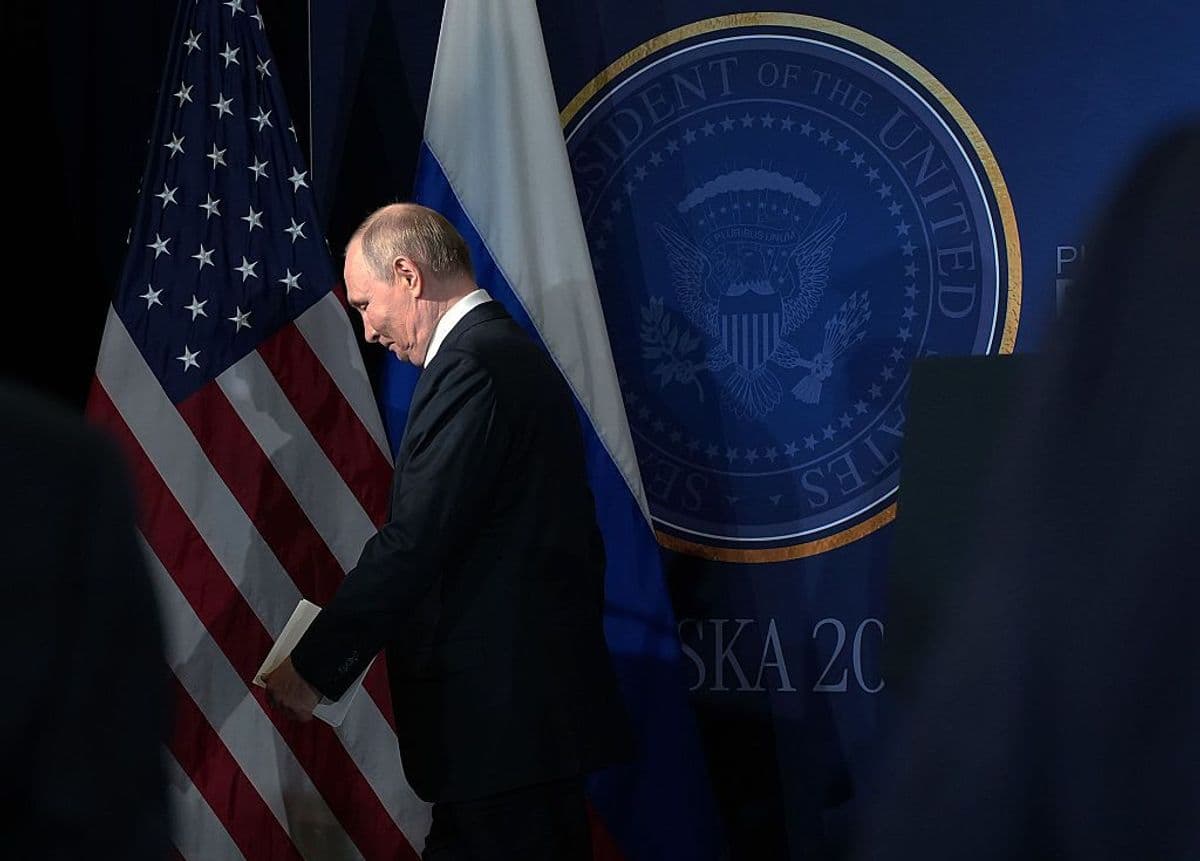
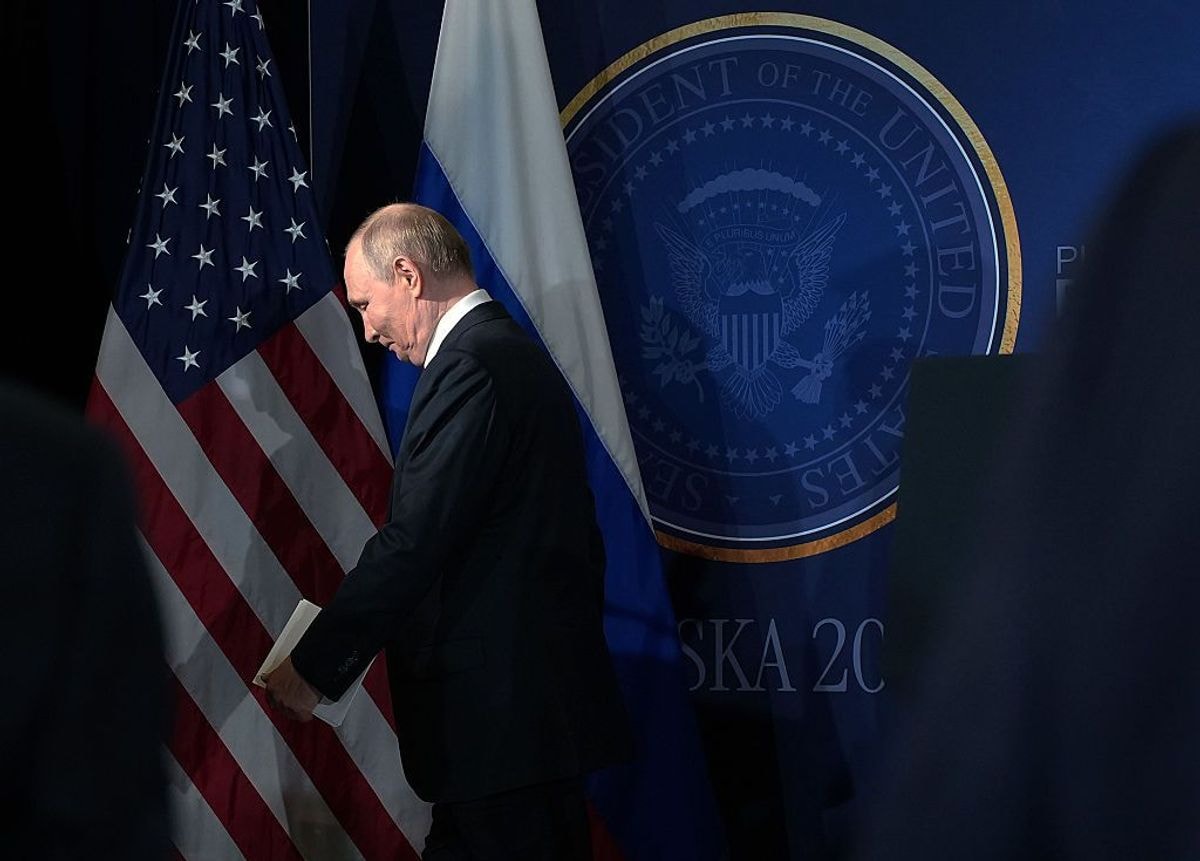
Russian President Vladimir Putin leaves the podium after holding a press conference with U.S. President Donald Trump at Joint Base Elmendorf-Richardson on Aug. 15, 2025 in Anchorage, Alaska. (Andrew Harnik/Getty Images)
 on Google
Russia has demanded sanctions relief from the U.S. as part of talks over a possible energy ceasefire with Ukraine, while also seeking to link the initiative to a ceasefire in the Black Sea, U.S. and Ukrainian officials familiar with the talks told the Kyiv Independent.
The demands come as Russia intensifies attacks on Ukraine's energy infrastructure, with one senior Ukrainian defense official saying Moscow is trying to inflict as much damage as possible to gain leverage before potential negotiations.
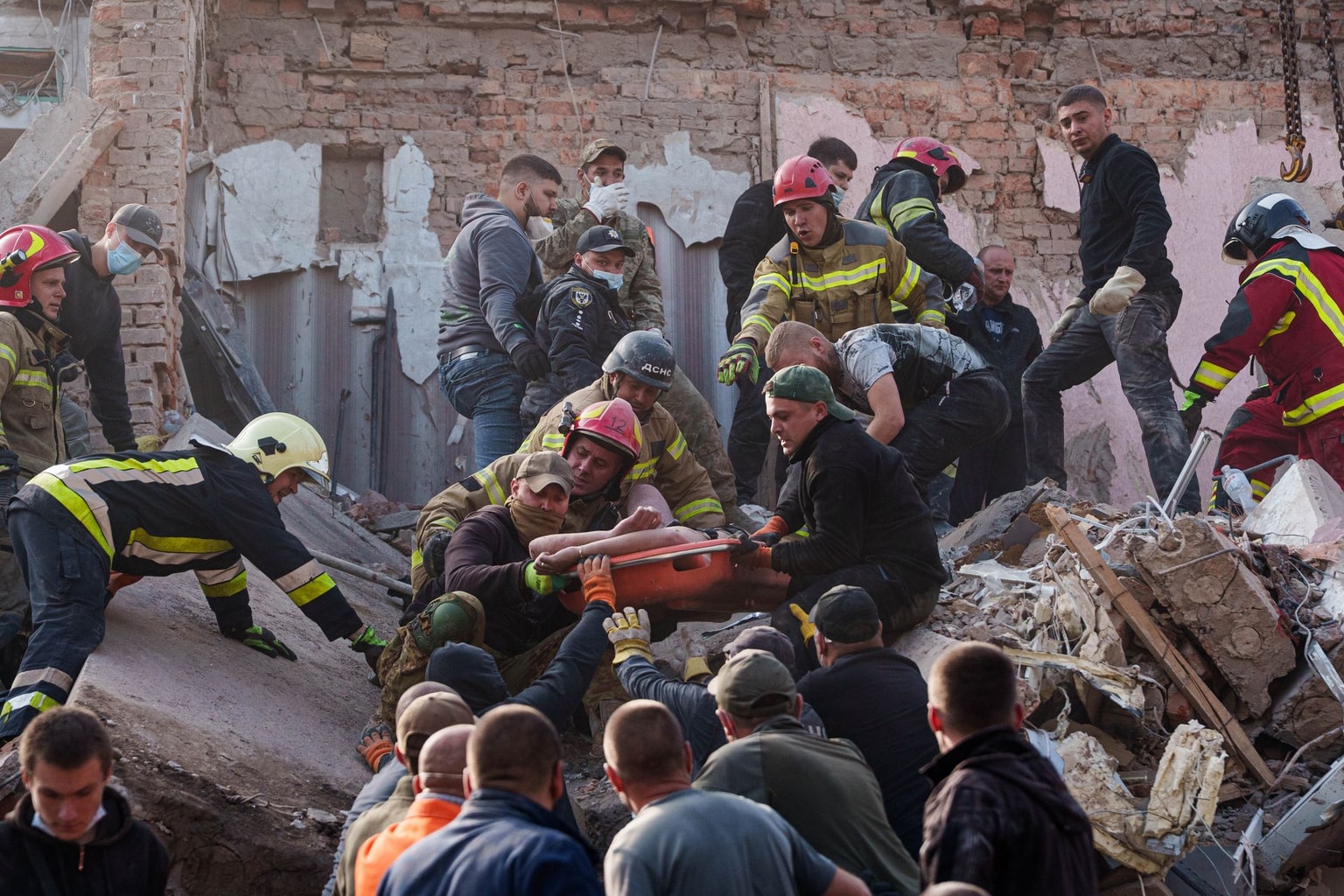
Kyiv is already facing daily blackouts amid Russian attacks. A Russian assault on Oct. 8 caused widespread power outages across the capital, a city of more than three million people.
Publicly, Moscow has shown little willingness to commit to an energy ceasefire. Kremlin spokesperson Dmitry Peskov told reporters on Oct. 8 that Russia saw no point in negotiating a sectoral ceasefire.
"Kyiv is not currently proposing a long-term settlement, but rather a ceasefire in an area that is its Achilles' heel — the energy sector," Peskov said.
Privately, however, Russian officials have signaled that Moscow is willing to consider the initiative, two Ukrainian officials and one U.S. official told the Kyiv Independent.
But Russia is tying a possible agreement to other demands, including sanctions relief, three people familiar with the negotiations said.
Moscow seeks a broader deal
The U.S. has been pressing both Kyiv and Moscow to stop attacking each other's energy infrastructure, making an energy ceasefire one of the main issues in peace talks.
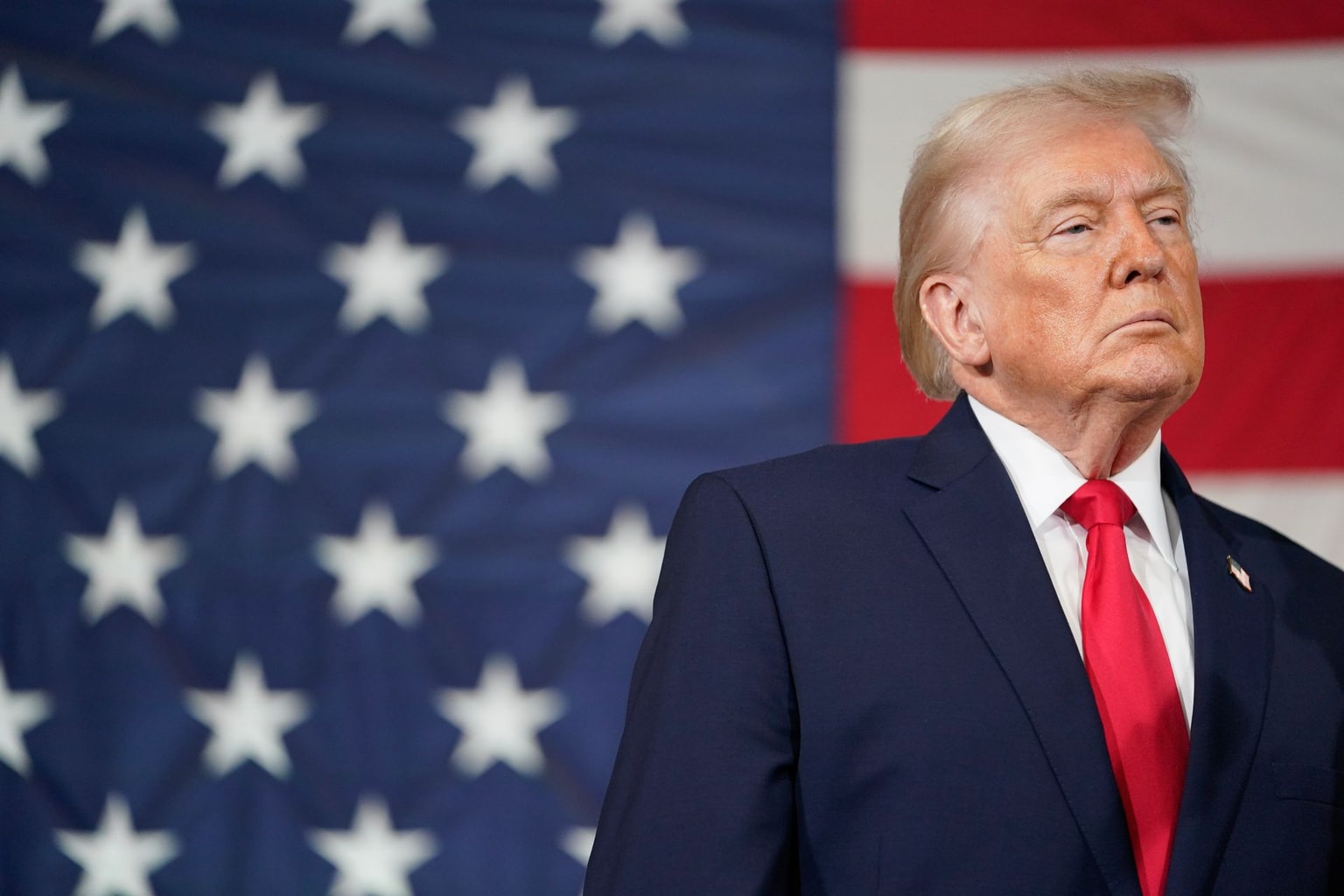
President Donald Trump is also seeking to demonstrate progress on Ukraine before the U.S. midterm elections, several Ukrainian officials told the Kyiv Independent.
After their latest trip to Russia, Trump's envoys Steve Witkoff and Jared Kushner returned with the impression that an energy ceasefire was possible.
Russian Envoy Kirill Dmitriev visited the U.S. twice in September for meetings with Witkoff and Kushner, where they discussed a possible halt to attacks on energy infrastructure.

During those meetings, Dmitriev told the U.S. envoys that Russia wanted sanctions relief as part of a deal, according to Ukrainian and U.S. officials briefed on the discussions.
It remains unclear which sanctions Moscow wants lifted.
One European diplomat briefed on the matter told the Kyiv Independent that Russia could be seeking the release of frozen Russian funds as part of the deal.
"If they get sanctioned funds released … the likelihood that these will be used to escalate (war) is almost guaranteed," the diplomat said.
"No one really thinks they are genuinely seeking to adhere to a ceasefire."
Ukrainian officials familiar with the talks confirmed that Russia was demanding sanctions relief but said they did not know which restrictions Moscow wanted removed.
The issue is expected to feature in discussions between Kyiv and Washington.
A Ukrainian delegation is due to meet with Trump's envoys in the U.S. on Oct. 9 to discuss proposals for an energy and Black Sea ceasefire.
The Ukrainian team is expected to receive a briefing on the U.S. talks with Russia and seek clarification about Moscow's demand for sanctions relief.
Asked about economic deals between the U.S. and Russia, President Volodymyr Zelensky said on Oct. 8 that Ukraine "knows a lot" but was not ready to discuss the matter publicly.
"I'm not ready to talk about it publicly or in detail," Zelensky told reporters.
Kyiv fears Russia is dragging out talks
For Kyiv, Moscow's demands raise the question of whether Russia is genuinely interested in halting attacks or is using negotiations to secure additional concessions while continuing its military campaign.
"Every time negotiations begin, they come up with more and more demands," one Ukrainian official briefed on the talks told the Kyiv Independent.
"Now this lifting of sanctions has come up."
Ukraine objects to the prospect of Russia receiving economic benefits in exchange for an energy truce. Kyiv's position is that any halt to attacks on energy infrastructure must be reciprocal, with both sides stopping strikes, rather than Russia receiving additional concessions for agreeing to the pause.
The dispute comes as broader peace talks remain stalled because of Russian territorial demands, which Kyiv considers unconstructive.
Washington is now pursuing a narrower agreement on energy infrastructure and Black Sea shipping that could demonstrate progress without resolving the larger questions at the heart of Russia's war against Ukraine.
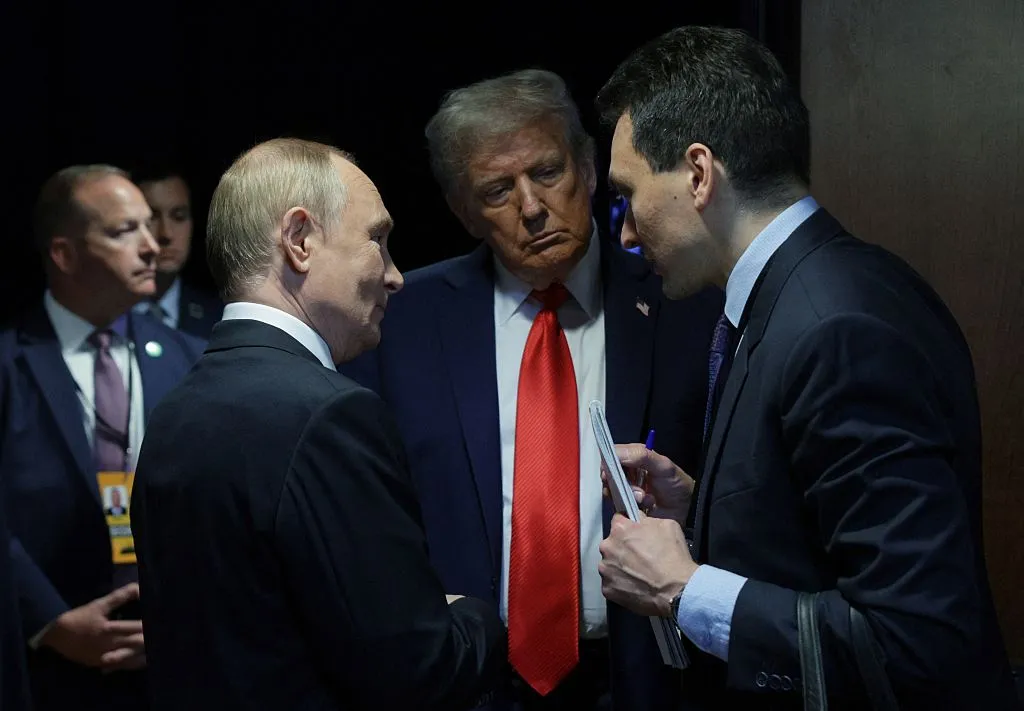
Kyiv still hopes that the discussions will lead to a trilateral meeting with Russian representatives.
When Zelensky met German Chancellor Friedrich Merz in Kyiv on Oct. 4, Witkoff texted the Ukrainian president that Washington wanted to hold such a meeting in late October. Zelensky replied that Ukraine would support it.
Before Kyiv can assess the prospects for a deal, Ukrainian officials want to understand what Moscow is asking for — and whether the Kremlin is prepared to stop its attacks without securing additional benefits in return.