Germany's Merz complains about unfair burden sharing, calls EU to prioritize new Ukraine loan
 on Google

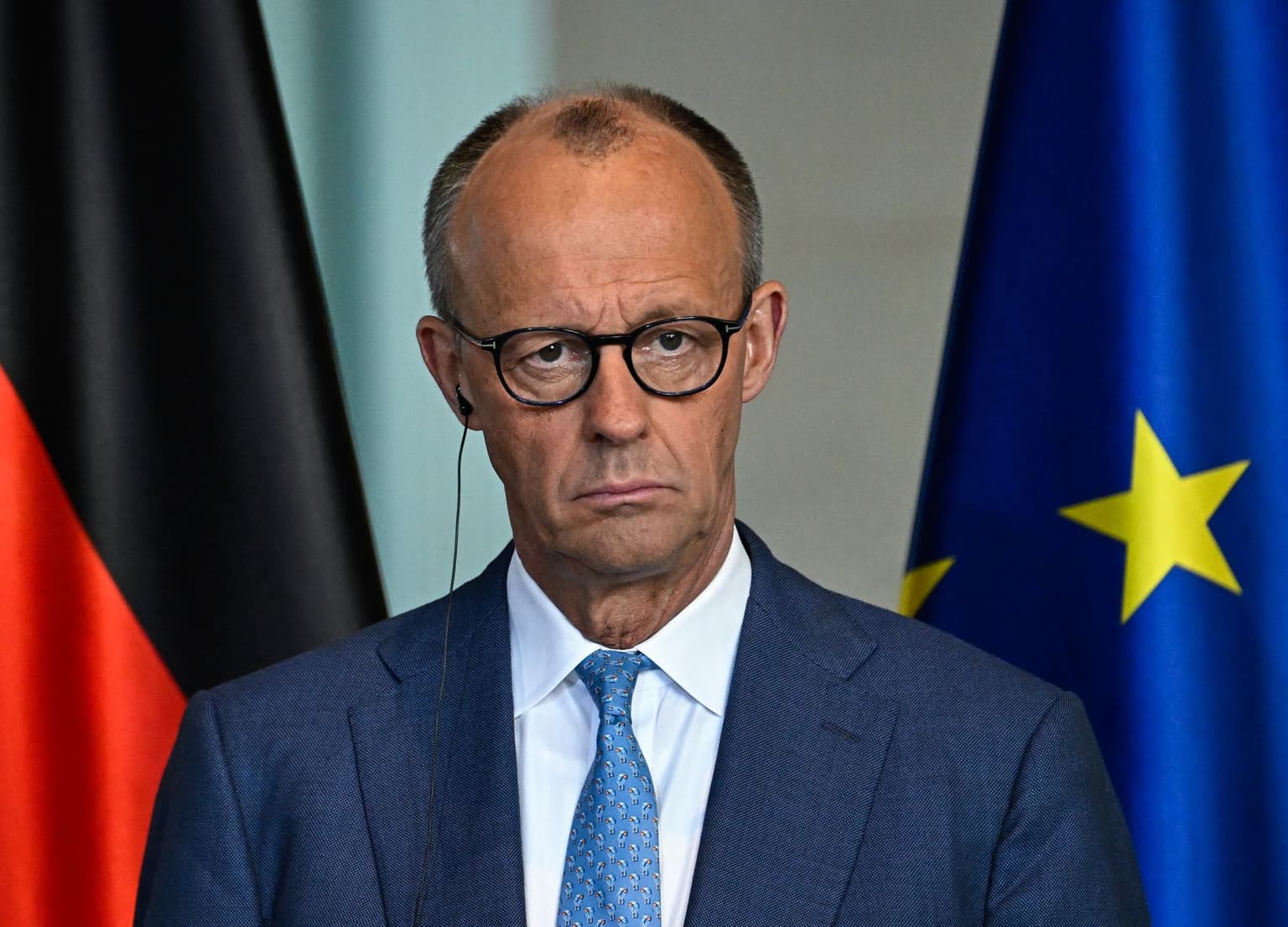
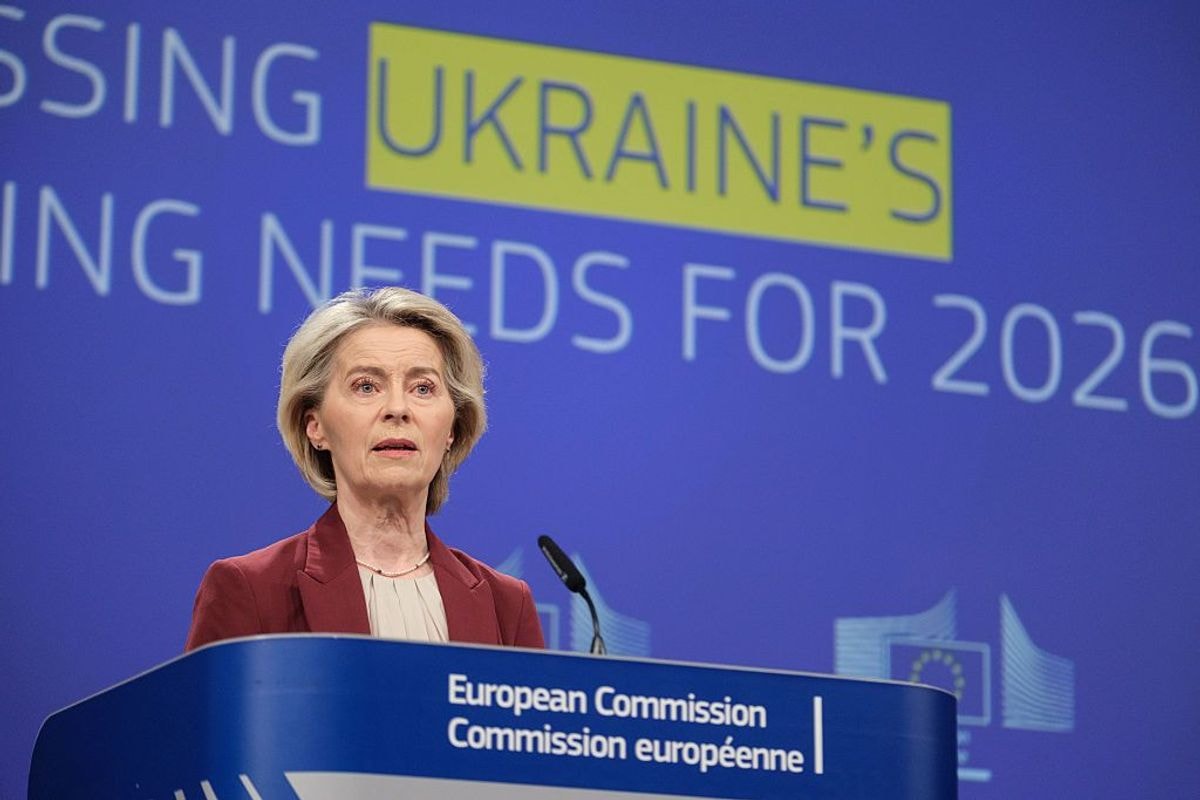
German Chancellor Friedrich Merz called on the EU to bring forward a discussion on plugging the financial gap for Ukraine in 2027, in a letter to European Council President Antonio Costa seen by the Kyiv Independent on Nov. 9.
Merz mentions Ukraine's budget shortfall of 70 billion euros in 2027, of which he said 45 billion euros will fall to the EU, confirming previous reports.
"I ask you to place this issue as a matter of priority... at the forthcoming informal meeting of the European Council," Merz writes to Costa.
In November, EU leaders are supposed to meet once informally on Nov. 13 in Dublin, and again in Brussels on Nov. 26-27.
However, the issue of financing Ukraine looks set to displace other agenda items. The Nov. 13 meeting was originally supposed to focus on AI, but Italian Prime Minister Giorgia Meloni had already lobbied successfully to book in time to discuss the EU's approach to upcoming peace talks.
Now, Merz is also asking for time to discuss financial support for Ukraine.
The Nov. 26-27 meeting has been prepared to discuss the EU's multiannual 2028-2034 budget, and the Financial Times has reported that Merz threatened to block agreement on the budget until financing for Ukraine is resolved.
However, Merz's letter does not issue any kind of ultimatum.
In relation to the budget, the letter only says "we must then find a solution supported by all Member States that ensures a sound and multiannual financing perspective for Ukraine from 2028 onwards, including the interest liabilities that have already accrued."
Instead, Merz emphasizes Europe's "shared vital interest," in supporting Ukraine against Russia.
"Providing this support is an indivisible responsibility shared by us all," Merz said.
But "bilateral assistance to Ukraine is distributed unevenly and carried mostly by only a few Member States," he added.
Germany is the largest financial contributor to Ukraine in the EU, though it is also by far the EU's largest member state. On a per capita basis, several countries give more to Kyiv.
Merz goes further, referring in his letter to a previous push by Berlin to "provide Ukraine with a multiannual financing perspective... that would have made it unnecessary for the European Council to revert to this issue so soon."
This refers to Merz's advocacy in 2025, also via the Financial Times, to pressure Belgium to allow the EU to expropriate 200 billion euros of immobilized Russian assets, a plan that ultimately failed.
The assets discussion, for now, seems to be off the table, with EU diplomats confirming to the Kyiv Independent that the focus is purely on reaching agreement on a new loan.
But the more politicians frame support for Ukraine as potentially costing European taxpayers, the greater the temptation might be to revisit the issue, as some countries such as Sweden have already argued.