Exclusive: Swedish EU letter reopens debate over frozen Russian assets
 on Google
Sweden is urging the EU to revive discussions on using Russian financial assets frozen within the bloc to directly support Ukraine, according to an open letter to several EU officials.
A draft of the letter was seen by the Kyiv Independent on Aug. 26. In addition to Sweden, the letter lists the foreign ministers of the Netherlands, Poland, and Spain as co-signatories.
It is dated Aug. 27, and three EU diplomats separately told the Kyiv Independent they expect the letter to be sent on that day. The letter requests foreign ministers have a first discussion of the topic at an informal meeting due to take place in Ireland on Sept. 1-2.
The EU "should continue to provide comprehensive, predictable, and structured financial support to Ukraine in line with its needs," reads the draft letter.
"We believe now is the time to revert to the issue of how we can make further use of Russia's immobilized assets for the benefit of Ukraine."
The EU approved a 90 billion euro ($105 billion) support loan to Ukraine in April 2026, which was intended to cover two-thirds of Kyiv's total financial needs until the end of 2027.
The draft letter hails that decision as a "significant milestone," before pointing out "we are all aware it will not be enough."
The remaining third of Ukraine's budgetary needs remains unfilled, which prompted President Volodymyr Zelensky on Aug. 24 to call for more financial support by the end of the year, and the European Commission to urge allied countries to also contribute.

It also led Sweden's Foreign Minister Maria Malmer Stenergard, the lead signatory on the draft letter, to tell EU media Euractiv during her Aug. 24 visit to Kyiv that she would put the issue of so-called "frozen assets" back on the table.
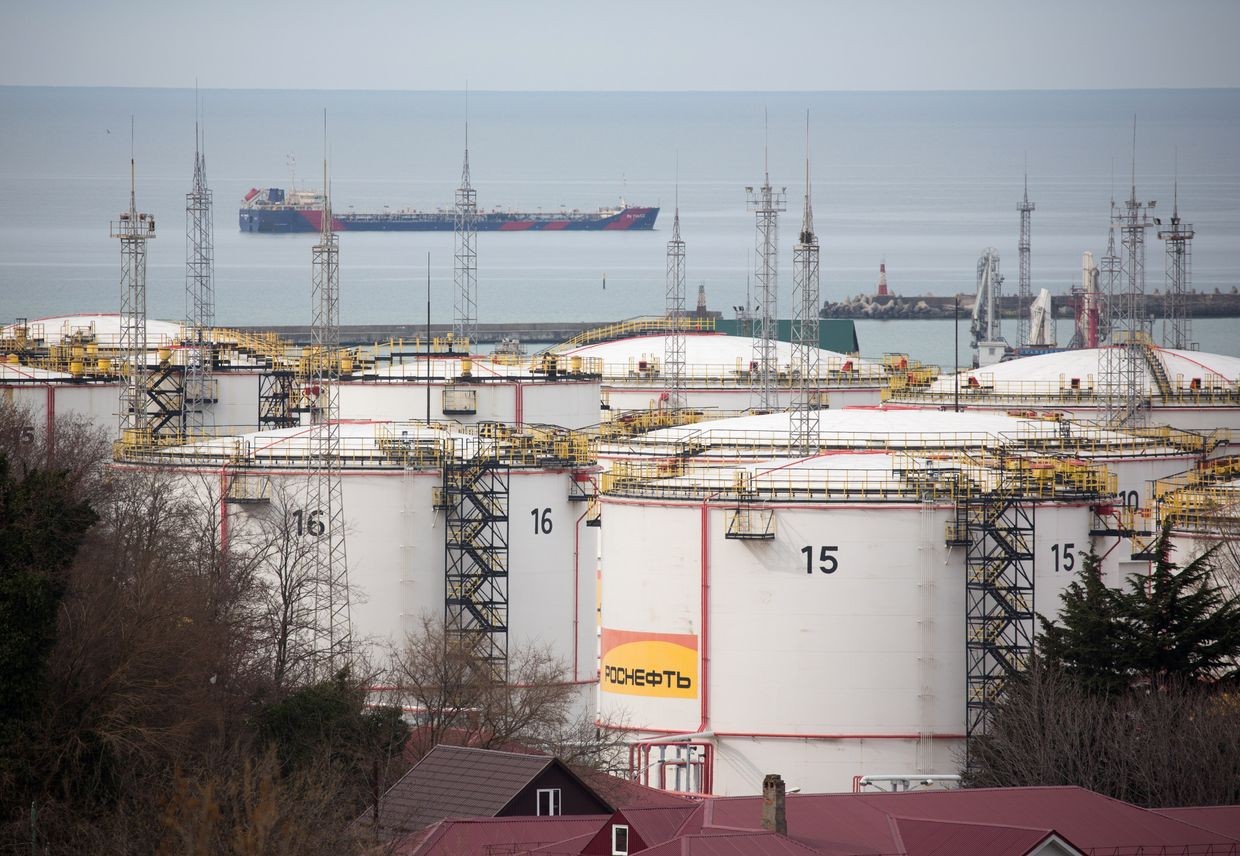
Russia is estimated to have over 200 billion euros ($233 billion) of financial assets across Europe, which have been frozen in place since Moscow launched its full-scale invasion.
Directly using them to support Ukraine appeals to European leaders because it would mean not having to pass on the financial burden of Ukraine's defense to their own taxpayers.
The letter as it stands is addressed to the EU's top diplomat Kaja Kallas, the EU's Economy Commissioner Valdis Dombrovskis and enlargement chief Marta Kos, as well as the Irish Foreign Minister Helen McEntee.
Ireland holds the EU Council Presidency until December 2026, and therefore plays a key role in setting the agenda of EU ministers' meetings.
Of those four, Kallas has been a long-time supporter of making use of Russian frozen assets, and Dombrovskis previously said that the bloc will have to revisit the issue eventually.
But the latest attempt to take them over, in 2025, failed amid Belgian concerns about insufficient risk-sharing and the potential legal risk of being sued by Russia without any support in return.
"We are well aware that this question is complex, and that we must look for solutions that take legitimate interests into account," reads the letter.
It goes on to ask the Commission to "explore, in close consultation with member states, new options on how to use the immobilized assets for the benefit of Ukraine, which ensure that the risk rests with all EU member states and where no member state holds a disproportionate burden."
The letter cites "managing financial and economic risks, as well as compliance with international law," as the main risks to consider.
"We will have to return to this discussion, and it is in the interests of us all that we do so based on thoughtful and thorough analysis."
There are also signs Belgium might be able to negotiate providing its concerns are taken into account.
On a visit to Kyiv the week prior, Belgian Foreign Minister Maxime Prevot pre-empted a future new discussion about frozen assets by restating his country's concerns.