Zelensky's ask: 300 Patriot missiles, 70 billion euros, and Russian assets
 on Google
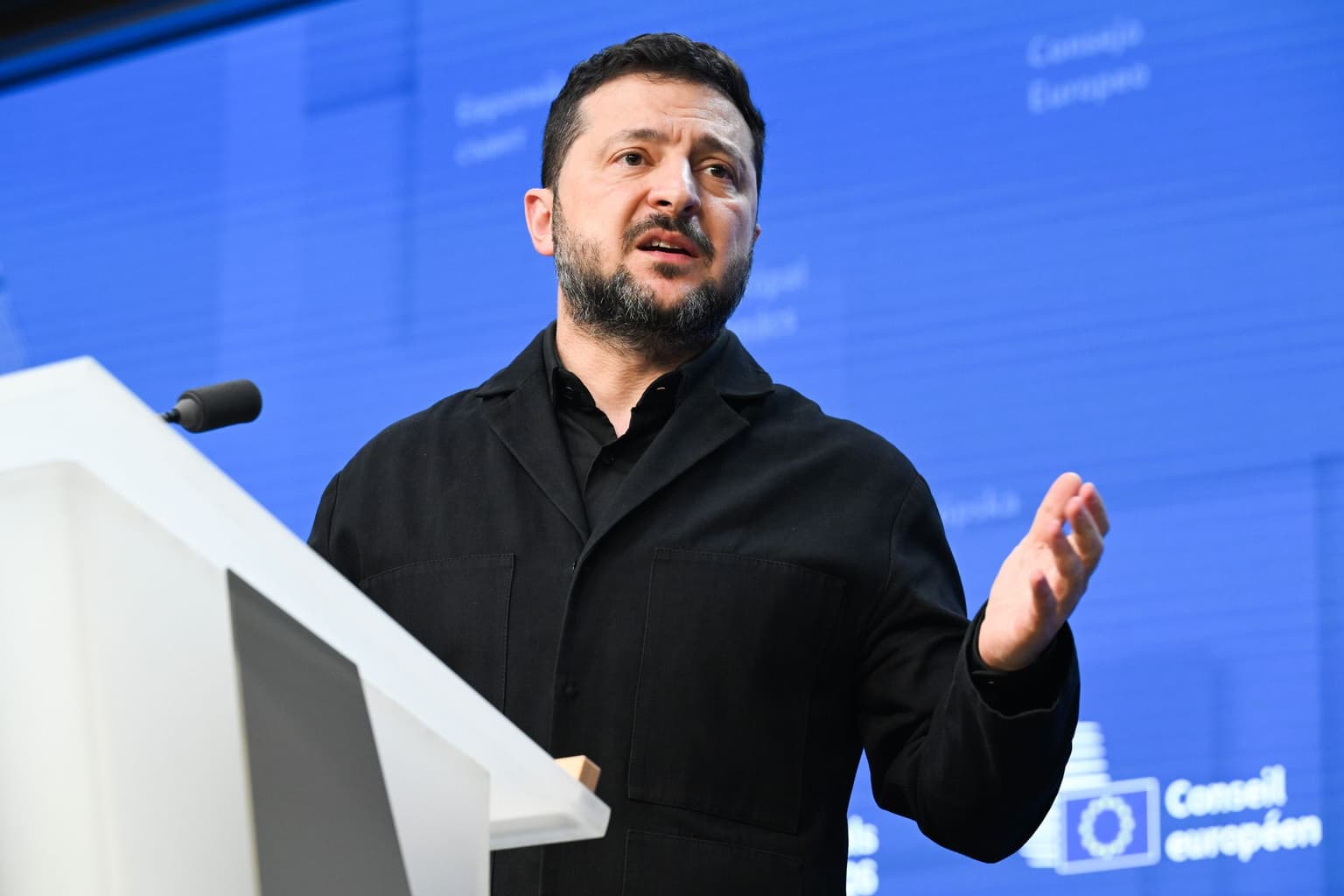
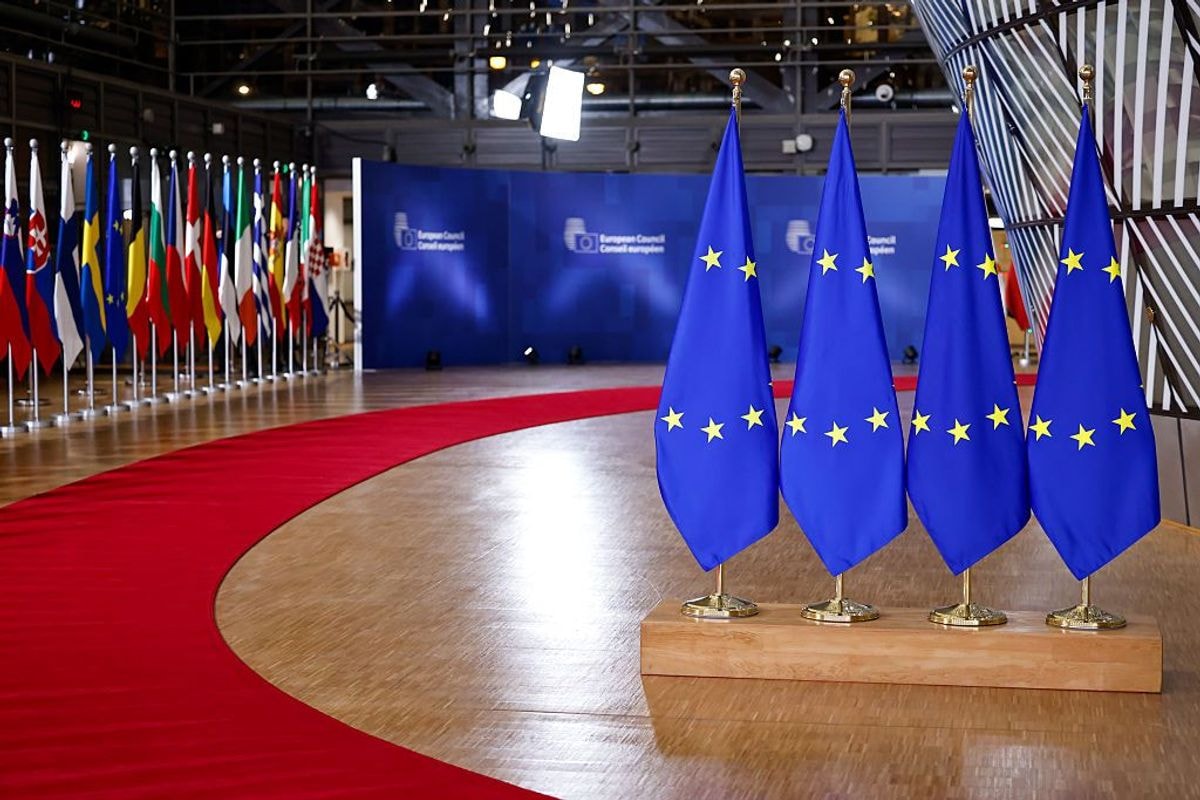
BRUSSELS, Belgium — President Volodymyr Zelensky used his appearance at the Oct. 16 summit of EU leaders in Brussels to list the main things Kyiv needs to survive the winter and beyond, but those asks won't come cheap.
"I am grateful for your support for Ukraine," Zelensky told EU leaders.
"Without a determined European Union capable of making strong decisions Putin would have gone much further by now," Zelensky said.
But with Russia ramping up its use of ballistic missiles and jet-powered Shahed drones to pummel Kyiv, and the U.S. taking steps to undermine Russia sanctions and Ukrainian security, Zelensky also came to the bloc with new requests for help.
"We need a winter package... 300 Patriot interceptors specifically against ballistic missiles," Zelensky said.
The U.S.-made Patriot are considered the only technology currently capable of consistently taking down Russian ballistic missiles, and several European countries still hold stocks of them, such as Spain and Greece.
But for Spain, European diplomats have told the Kyiv Independent that there is a real fear that Madrid will not receive any more Patriot missiles in the future because of U.S. President Donald Trump's personal dislike for Spain's center-left Prime Minister Pedro Sanchez.
Greece on the other hand has a visceral fear that depleting its own supplies of Patriots might be perceived as a sign of weakness by neighboring Turkey, which Athens fears Ankara would act upon by annexing Greek islands near the Turkish coast.
Likewise, Ukraine's demand to "deal with the frozen assets," unsettles several countries around the table.
Using the 200 billion euros ($227 billion) of Russian assets immobilized within the EU to support Ukraine came up in late 2025, but consensus on the idea was out of reach.
"We need something like a special EU-controlled custodian to reduce the risk of them being unfrozen and divided up among those who clearly do not want what is best for Europe or an end to this war," Zelensky said.
Aside from the fears of holders of those assets, principally Belgium, about Russian retaliation for such a move, several European countries also fear that entering into such appropriations could fracture the global financial system, as countries move their wealth only into jurisdictions deemed friendly to them.
For Belgian Prime Minister Bart De Wever, touching those assets remains very much a no-go.
"My personal view is that if you have immobilized assets, like in every war, even the Second World War, they were never touched. But at the end of a conflict, there's always a peace deal. And part of this peace deal is the use of immobilized assets," De Wever told journalists at a press conference during the night of Oct. 15.
"Are there people on this planet who maybe dream of doing it differently this time and operationalizing those assets earlier? ... Yes, there are ... Do I want to talk about it? No, I don't," De Wever said.
And the risk of Russia's assets being returned, despite some wishful thinking from the U.S. that Europe would hand them over, is nonexistent. The EU bound itself in December 2025, so that any vote to unfreeze the Russian immobilized assets must be unanimous.
"Nobody could ever dream of operationalizing those immobilized assets without unanimity here around the table," De Wever said.
On top of requesting the Russian assets, Zelensky also asked the EU to fill Kyiv's budget hole for 2027.
"The war will cost 155 billion euros ($174.5 billion) next year. And we need at least 70 billion euros ($78.8 billion) more from you," Zelensky said.
"This is a realistic amount and I ask you to find this support. It will help us hold Russia back," he added.
But the request for 70 billion euros comes only six months after the bloc approved a 90 billion euro loan to help Ukraine until the end of 2027. The idea was always that third countries would step in to help bridge the remaining gap, but so far only Norway has done so.
And the government has been notoriously unclear at communicating its financial needs, as noted earlier that day by Austrian Chancellor Christian Stocker.
However, Zelensky's estimate of a 70 billion euro shortfall does match the estimated shortfall figure that a senior EU official familiar with Ukraine's financial situation shared with the Kyiv Independent.
On all three requests, even if they land on sympathetic ears, a decision would still not be expected the same day.
And because there is nonetheless a European consensus to support Ukraine, the demands are very likely to dominate discussions in Brussels over the next weeks.