Ukrainian unit reports shortages of food, water on front line, command promises evacuation when 'security situation allows'
 on Google
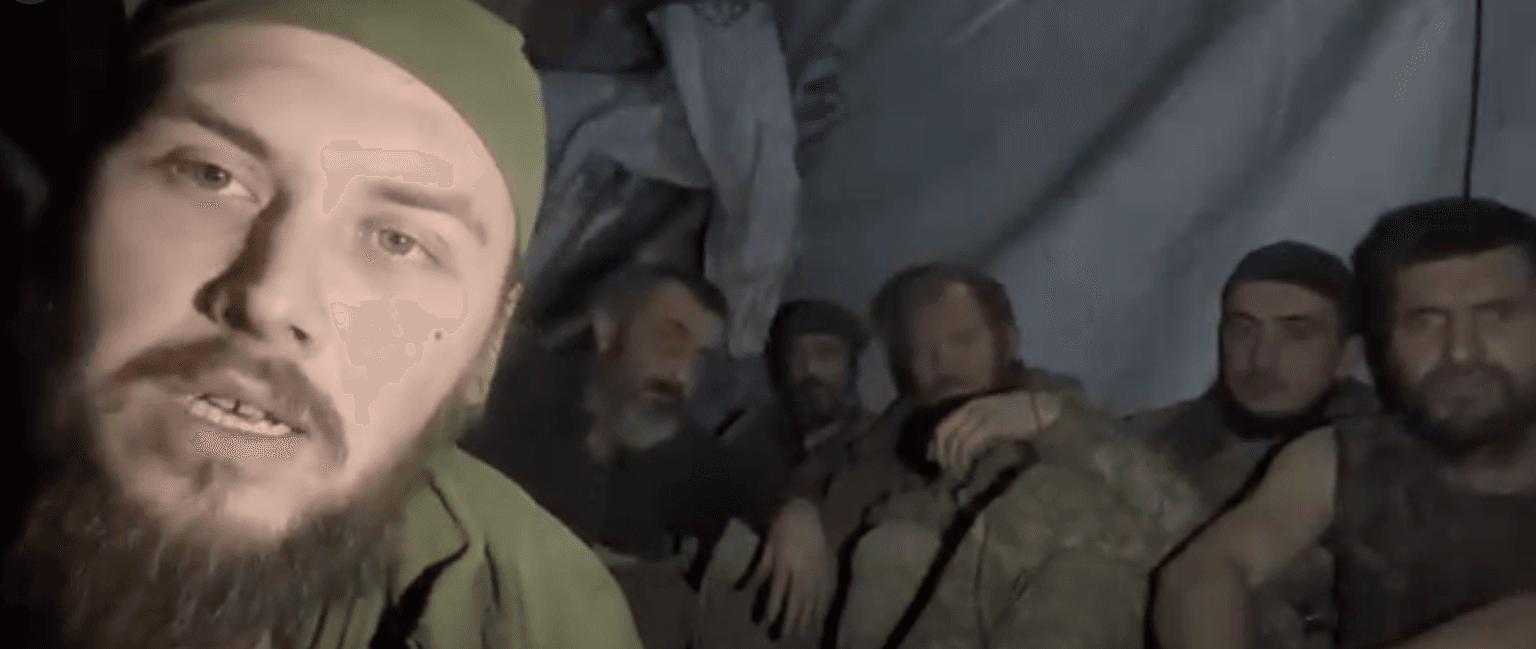
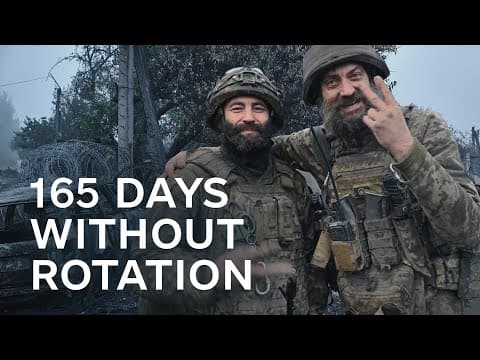
Service members of Ukraine's 121st Territorial Defense Brigade in Zaporizhzhia Oblast said they had gone four months without rotation and faced persistent food and water shortages, while their command pledged to withdraw them when "the security situation allows."
The heavy presence of drones, which constantly monitor the battlefield, has made movement to and from positions one of the most dangerous aspects of infantry service. Under the constant threat of drone attacks, soldiers can be forced to remain in foxholes for months, waiting for a safe opportunity to leave their positions. While deployed there, they receive supplies exclusively by drone, as the positions are inaccessible to other troops.
The soldiers posted the appeal on Facebook on Aug. 9. Platoon Commander Anatolii Syshchuk said his unit arrived at the position in April to relieve troops who had been stationed there for eight months without rotation. Their deployment was initially expected to last one month, he said.
Syshchuk said the soldiers were facing shortages of food, drinking water, and medical supplies. Food deliveries could be delayed by three days to a week, while on one occasion, no food was delivered for 12 days, he added.
The unreliable supply chain left the soldiers in a "semi-conscious state," according to Syshchuk.
"I have decided that, under favorable conditions, my troops and I will withdraw from our positions without waiting for reinforcements. After all, we have neither the strength nor the means to remain in our positions," Syshchuk said.
"We are not refusing to serve, but we have no other choice. We are asking for safe passage out of the area and transportation for our evacuation. All the other authorities we have approached have failed to help us. You are our only hope," the commander added, addressing Commander-in-Chief Mykhailo Drapatyi.
The 121st Brigade responded on Aug. 10, saying that packages containing essential supplies are being delivered to hard-to-reach positions according to schedule. The brigade claimed that 27 packages, each weighing nine kilograms, had been delivered to Syshchuk's unit over the course of the month.
At the same time, adverse weather conditions and the actions of Russian forces meant that supplies could not always be delivered on time or in full, the statement said.
The brigade added that its commander was personally communicating with the service members about the situation and said the information presented in their video appeal "did not reflect all the circumstances."
Operational Command "South" commented on the appeal on Aug. 12, also saying that the soldiers would be rotated once the "security situation allowed," without providing a specific timeline.
Operational Command "South" said the unit was carrying out combat missions in a "complex and dynamic sector of the front" and that the situation remained "under the command's control."
"At the same time, the information presented in the video message reflects only a small part of the complex operational situation and does not convey the full context of the measures being taken," the statement said.
"Over the past 30 days, approximately 240 kilograms of food supplies have been delivered to the positions of soldiers from the 121st Separate Territorial Defense Brigade. A series of measures is currently being implemented to rotate the unit as quickly as possible."
Tetiana Kravchuk, Syshchuk's sister, who published the soldiers' appeal, said that while the troops were supposed to receive 240 kilograms of food, the actual amount may have been significantly lower.
"In our reality, it's usually the ordinary soldier who is blamed — the one who keeps the front line holding. But if even once a commander had been punished and held accountable for the lives and health of the troops, there would be no need for such appeals," Kravchuk said on Facebook on Aug. 12.
As of publication, the General Staff and Drapatyi had not yet commented on the situation involving the 121st Brigade and its service members.
In late April, then-Commander-in-Chief Oleksandr Syrskyi signed an order limiting the time military personnel could remain at their positions to two months, with rotations to take place no later than one month after that period ended.
In practice, however, the order is not always followed, as the constant threat from Russian drones often makes it impossible to withdraw troops from their positions. Soldiers are typically rotated during periods of bad weather, when drones are unable to operate effectively, but such conditions are difficult to predict.
Ukrainian soldiers often spend months at their positions, with some unable to leave for more than a year and forced to live in dugouts.