US to 'hold Iran accountable' for strikes on vessels in Strait of Hormuz as blockade resumes
 on Google
The United States military announced on July 14 that it was "holding Iran accountable" for recent strikes on commercial vessels in the Strait of Hormuz, hours after reimposing a naval blockade of Iranian ports.
The Emirati Defense Ministry reported earlier on July 14 that Iranian cruise missiles hit two of its tankers in the Strait of Hormuz, killing one crew member and injuring eight. Two Ukrainian nationals were among those injured.
The U.S. Central Command (CENTCOM) said it would hold Iran responsible for these casualties.
"Over the past seven days, Iran has intentionally targeted civilians across the region by attacking seven commercial ships, resulting in nearly a dozen civilian crew members killed, missing, or injured," CENTCOM Commander Brad Cooper said in a statement.
"Iranian forces have also launched dozens of missiles and drones toward neighboring Gulf countries. U.S. forces are holding Iran accountable for unwarranted aggression that continues to endanger innocent lives."
The statement follows four days of consecutive U.S. strikes on Iran, after U.S. President Donald Trump declared Washington's fragile ceasefire with Tehran over. Trump also ordered U.S. forces to resume a blockade against ships going to and from Iranian ports. The blockade went into effect again the evening of July 14.
The U.S. also launched another round of strikes at military targets near the Strait of Hormuz and along the Iranian coast, the military said.

The Strait of Hormuz is a major chokepoint carrying about one-fifth of global oil and liquefied natural gas (LNG) trade. Iran declared a blockade of the strait in the wake of U.S.-Israeli strikes on Feb. 28, with the U.S. later imposing a simultaneous blockade of Iranian ports.
While Trump on June 14 announced that Iran and the U.S. had reached a deal to end hostilities and reopen the strait, that ceasefire now lies in tatters.
In a return to form, Trump threatened Iran with large-scale attacks on critical infrastructure during an interview on July 14.
"We're going to hit them very hard tomorrow night," he told Fox News. "We're going to hit them very hard the night after, and then next week it gets really bad for them, because next week comes the power plants. Next week comes the bridges. We're going to knock out all their power plants. We're going to knock out all their bridges unless they get to the table and negotiate."
In the wake of the ceasefire's collapse, Gulf nations have also reported threats from Iranian drones as Tehran launches strikes at U.S. military assets in the Middle East.
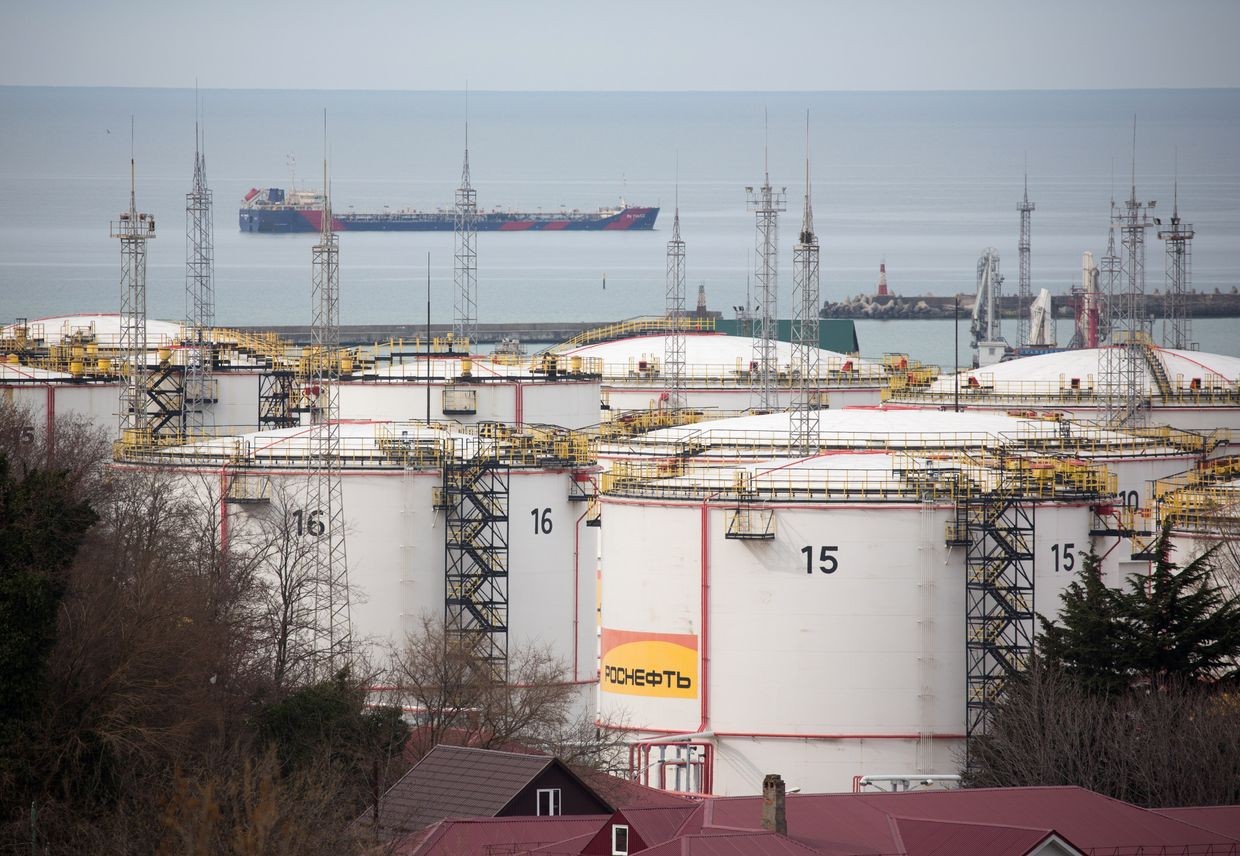
The revived hostilities and closure of the Strait of Hormuz come on the eve of the expiration date for the price cap on Russian oil. The price cap (currently set at $44.10 per barrel) is set to lapse on July 15.
The window for the European Union to reach an agreement on extending the cap is narrowing, increasing the chances that Russia will soon be able to sell oil at market prices — significantly higher than the current cap due to disruptions in global energy markets triggered by the U.S.-Israeli war against Iran.