Most key Russian ballistic missile manufacturers circumvent sanctions as Ukraine faces interceptor shortage, Zelensky says
 on Google
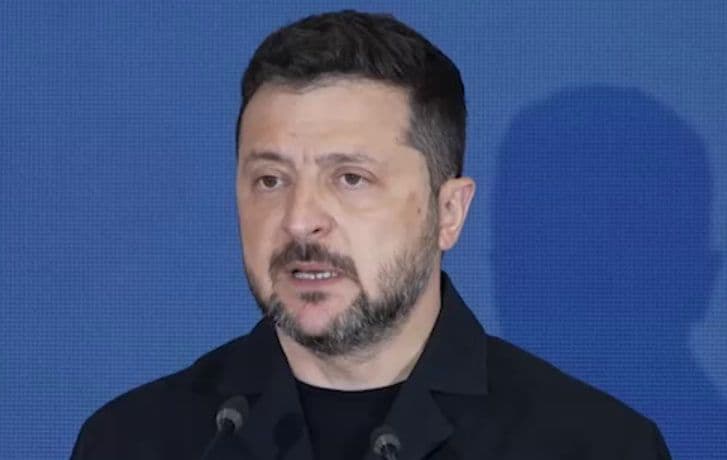
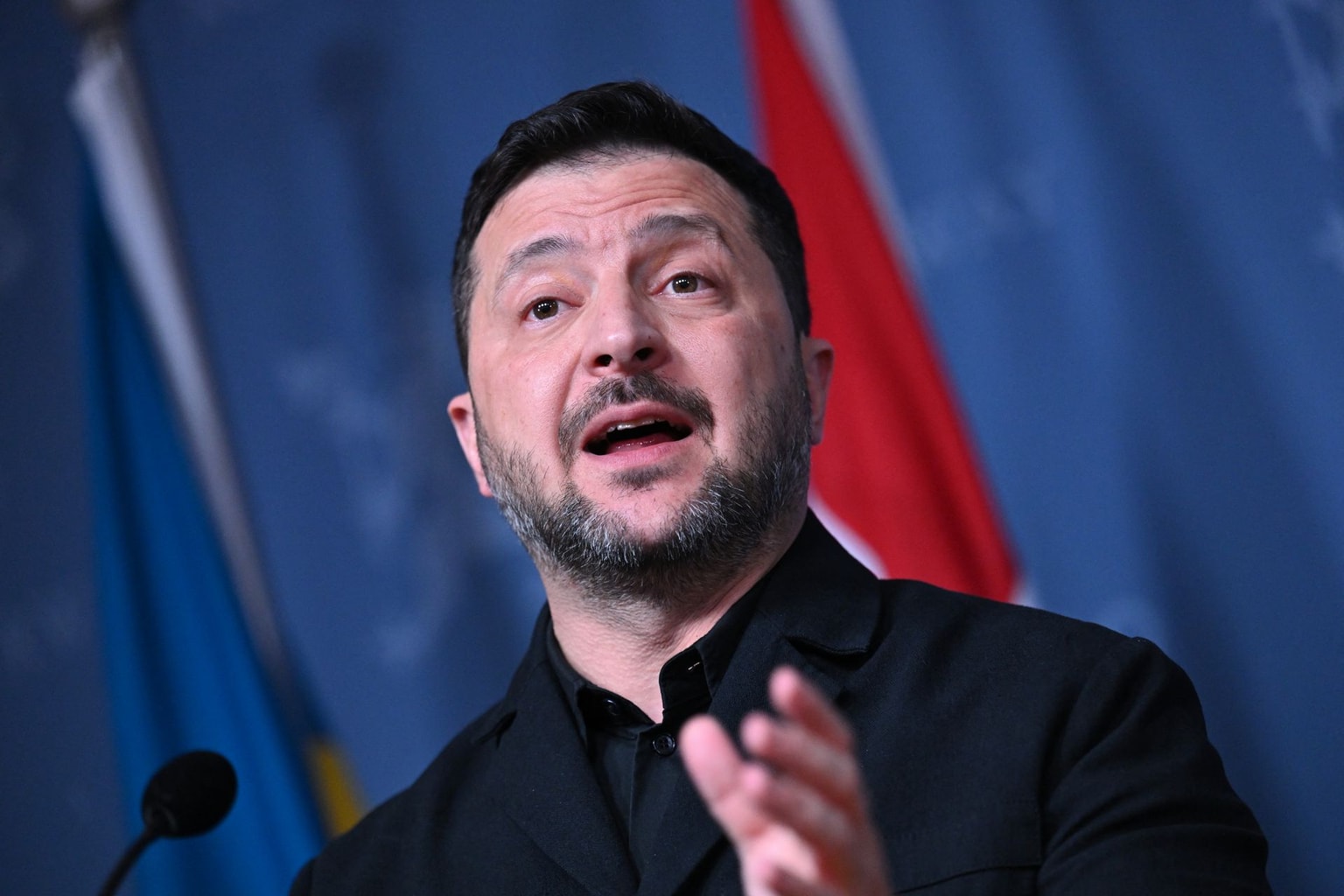
Most of the 17 key Russian companies producing ballistic missiles can evade sanctions by operating through foreign jurisdictions, President Volodymyr Zelensky said at an annual meeting of the heads of Ukraine's diplomatic missions on Aug. 3.
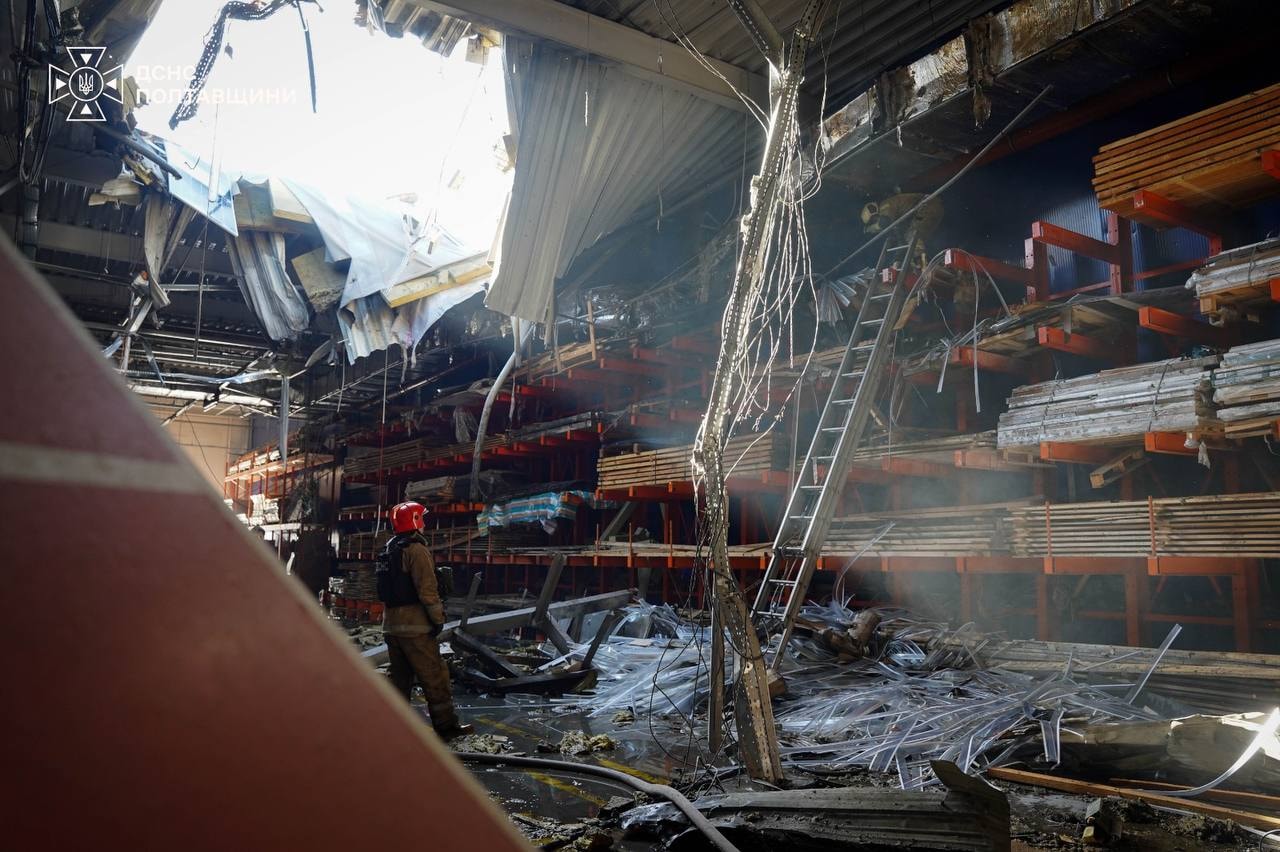
Closing these loopholes is particularly urgent as Ukraine faces a shortage of missiles capable of intercepting Russian ballistic weapons. During Russia's recent large-scale attack on Aug. 1, Ukrainian air defenses shot down only one of 27 ballistic missiles due to a shortage of Patriot interceptors.
At the meeting, Zelensky called for closer coordination of sanctions among partner countries, saying this would allow them to impose secondary sanctions on banks and other financial institutions that help Russia pay for supplies for its defense industry, a Kyiv Independent journalist reported from the event.
"Some key Russian enterprises involved in ballistic missile production are not under sanctions imposed by the U.S., the U.K., Japan, Switzerland, and other jurisdictions," Zelensky said.
According to Zelensky, some of these institutions operate through offshore jurisdictions with fewer restrictions on international transactions, as well as through China, which has not joined Western sanctions against Russia.
Zelensky also mentioned Freya, a Ukrainian equivalent of the Patriot air defense system that Fire Point is building in cooperation with European partners.
The president said the new anti-ballistic system could become a shared European project providing "integrated protection."
"Ukraine is capable of manufacturing both the missile itself and the launcher," Zelensky said.
"The decisive factor is cooperation with those European countries and companies that have the radars, sensors, and everything else required for an effective anti-ballistic system."
The president said both the Freya project and the Anti-Ballistic Coalition, launched in Paris on July 13 and now comprising 10 member states, are open to additional participants that can make a meaningful contribution to Europe's security.
Fire Point, the Ukrainian defense company, released a video on June 3 showing a test launch of its FP-7.X missile, intended as the basis for an anti-ballistic interceptor within the "Freya" system. Co-owner and chief designer Denys Shtilierman said in late May that the first in-flight interception could take place by the end of 2026.
But the project remains largely undisclosed, with observers questioning whether it can provide meaningful protection against Russian attacks.
With no immediate solution to counter Russia's increasingly frequent ballistic missile attacks, Zelensky has sought a license from U.S. President Donald Trump to produce Patriot air defense missiles in Ukraine.
While Zelensky said Washington had agreed to grant the license, Trump later said the White House had not yet made a final decision.