As pressure on Crimea heats up, Sea of Azov enters Ukraine's crosshairs
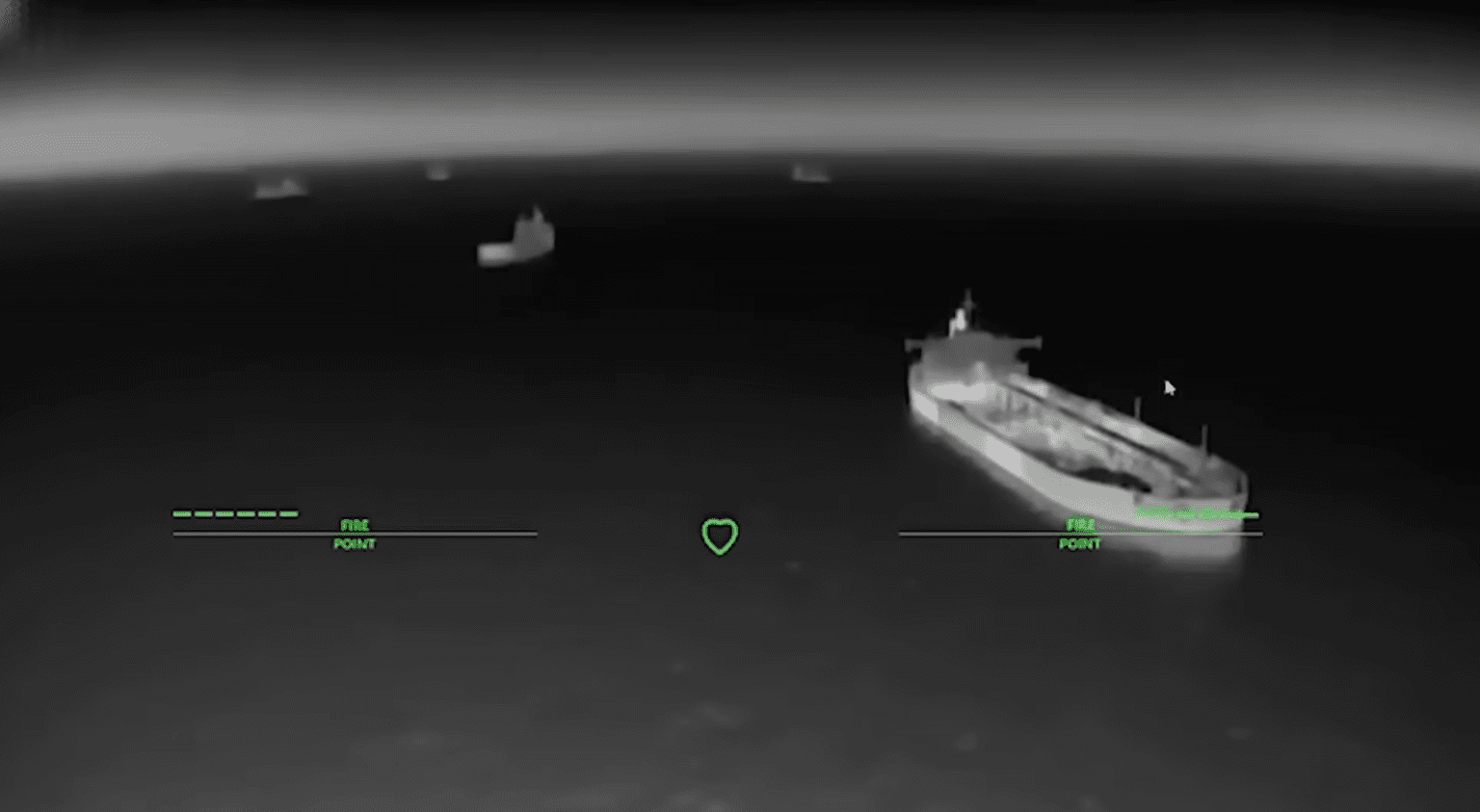
Eleven Russian ships were struck overnight on July 14, bringing the total to 116 vessels targeted in nine days sustained drone campaign against Russian shipping in the Sea of Azov during Operation "MoLoCHKa." (YouTube / Robert "Madyar" Brovdi)
 on Google
Over the past nine days, Ukraine has launched a sustained drone campaign against Russian shipping in the Sea of Azov, opening a new front in its effort to "isolate Crimea" and disrupt Moscow's military logistics and export routes.
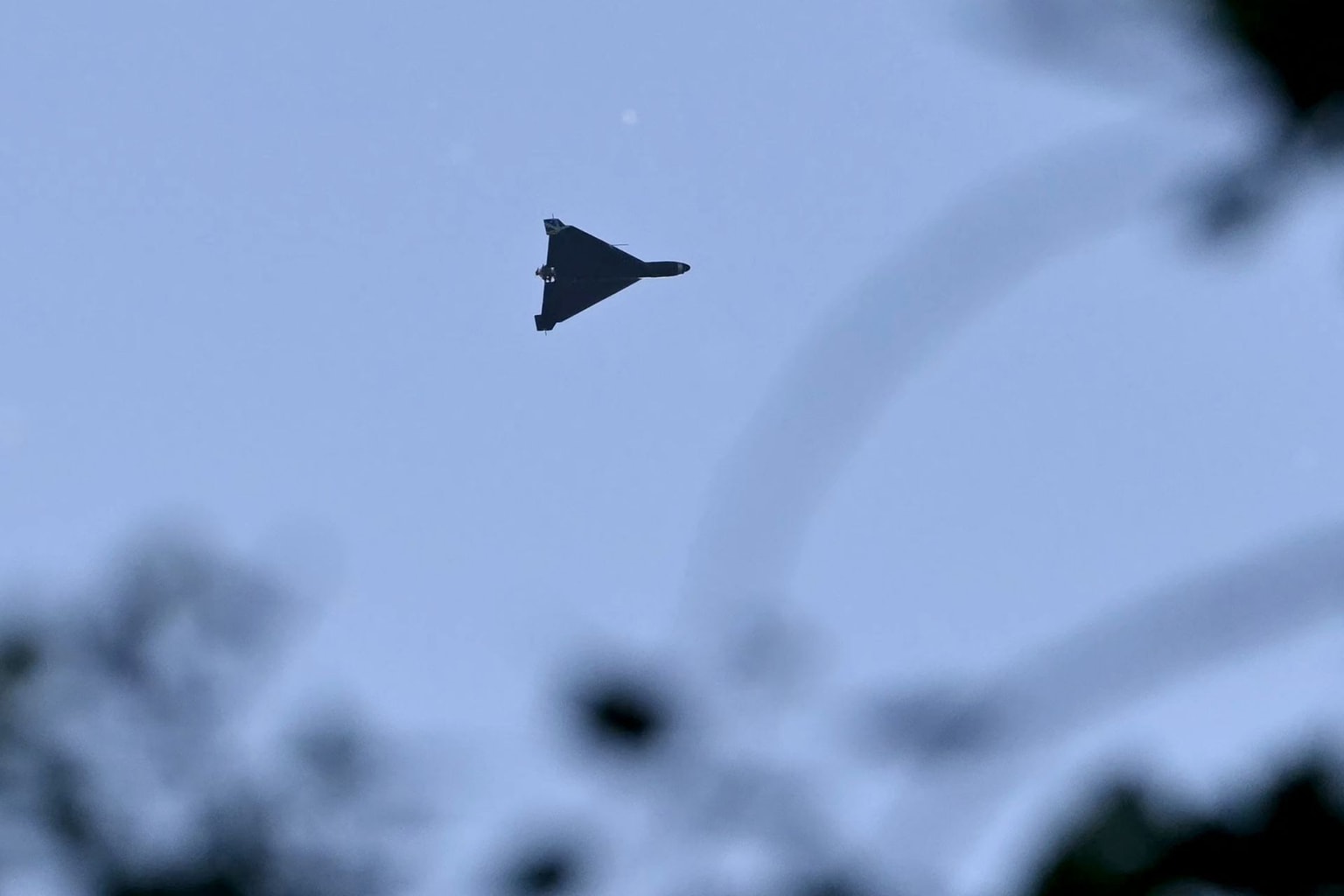
The operation, led by Ukraine's Unmanned Systems Forces and dubbed "MoLoChKa" by its commander, Robert "Madyar" Brovdi, targets Russian military and commercial vessels. Oil tankers linked to Russia's so-called shadow fleet, dry cargo vessels, ferries, and tugboats operating along one of Russia's key maritime corridors have been hit. As of July 14, Brovdi said Ukrainian drones had attacked 116 vessels.
Early signs suggest the campaign is already affecting Russian maritime traffic, according to shipping data and analysts tracking activity in the region.
What are the targets?
Unlike Ukraine's earlier campaign against Russia's Black Sea Fleet, which focused primarily on warships, the new operation targets the commercial vessels that keep Russia's maritime logistics running.
According to Brovdi, one of the operation's main objectives is Russia's fleet of small- and medium-sized feeder tankers. These shallow-draft vessels, typically around 140 meters long with a deadweight of roughly 7,000 tonnes, transport oil from Russian terminals through the Volga-Don Canal and the Sea of Azov to larger oceangoing tankers waiting offshore in the Black Sea.
"The paralysis of Russia's feeder fleet essentially makes it impossible to export 'black gold' from Russia's oil terminals through the Volga-Don Canal and the Sea of Azov."
Because many Russian ports are too shallow to accommodate larger tankers, oil must first be transferred onto feeder vessels before being loaded for export. Brovdi argued that disabling those smaller ships could effectively halt oil exports along this route, noting that a single oceangoing tanker is typically loaded with cargo from 12 to 15 feeder vessels.
"The paralysis of Russia's feeder fleet essentially makes it impossible to export 'black gold' from Russia's oil terminals through the Volga-Don Canal and the Sea of Azov," Brovdi said.
The operation also targets dry cargo ships, ferries, and tugboats that support Russia's wider maritime transport network. Tugboats are essential for port operations, maneuvering large vessels and assisting damaged ships, while ferries continue transporting vehicles, cargo, and supplies between occupied Crimea and Russia.
Why the Sea of Azov?
The Sea of Azov forms a critical maritime corridor linking southern Russia with the Black Sea through the Kerch Strait. It connects Russian ports to the Volga-Don Canal, which in turn links the Caspian basin to global shipping routes.
The waterway is used to transport oil, grain, steel, and other commodities to international markets, while also serving as an important supply route for Russia's military presence in occupied southern Ukraine, including Crimea.
The campaign has already disrupted maritime traffic. Reuters reported on July 10 that Russia temporarily suspended navigation through the Don-Azov Canal following the attacks, interrupting one of the country's key export routes. Industry analysts estimate that roughly a quarter of Russian wheat exports normally pass through the Sea of Azov before entering the Black Sea.

What is Ukraine trying to achieve?
The strikes form part of Ukraine's broader effort to isolate occupied Crimea by disrupting the military and commercial infrastructure that sustains the peninsula.
Anton Zemlianyi, a senior analyst at the Ukrainian Center for Security and Cooperation, described the attacks in the Sea of Azov as one element of a wider campaign that has already targeted Crimea's logistics network. Rail and vehicle ferries serving the peninsula have previously been damaged, fuel storage facilities have been struck, and commercial vessels are increasingly being targeted while anchored outside Crimean ports or before transiting the Kerch Strait.
"As a result, fuel supplies to the peninsula have become more difficult, affecting not only economic activity but also military operations," Zemlianyi told the Kyiv Independent.

But Crimea is only part of the objective. Zemlianyi said targeting commercial shipping in the Sea of Azov also seeks to impose wider economic costs by disrupting one of Russia's key export corridors.
"We are effectively attacking Russian ships in the Sea of Azov, which Russia considered an internal sea after occupying southern Ukraine," he said. "This also affects the level of Russian exports, causing additional economic losses."
He cautioned that it remains too early to judge the operation's long-term effectiveness. However, if the current pace of strikes continues, he said the attacks could gradually reduce Russia's shipping capacity by forcing damaged vessels into lengthy repairs and eventually limiting the number and size of ships operating in the Sea of Azov.
Is it working?
Independent verification remains difficult, but available shipping data suggests the campaign may already be changing Russian maritime activity.
George Barros, team lead for the Russia and Ukraine portfolio at the Institute for the Study of War, said an analysis of Automatic Identification System (AIS) data, based on transponder signals that commercial vessels are generally required to transmit, points to a sharp decline in traffic across the Sea of Azov.
Comparing AIS data from June 30 and July 11, Barros observed roughly a 55% decrease in the number of vessels broadcasting their positions. The ships that remained also appeared to be operating differently, clustering closer to ports and coastlines rather than crossing the open waters of the Sea of Azov.
"It's not just that there are fewer ships broadcasting AIS," Barros told the Kyiv Independent, adding that the remaining vessels were hunkering in littoral areas close to ports rather than in the open deep waters of the sea.
Barros cautioned that AIS data have important limitations. AIS transmissions can be disrupted by electronic warfare or spoofed, while crews can deliberately switch off transponders to avoid detection, despite international regulations requiring ships to keep them active.
But going dark offers limited protection in practice, he said, because vessels can still be detected by synthetic aperture radar (SAR) satellite imagery — including commercially available systems that Ukraine is known to use. In a sea as small as the Azov, "it's not difficult to find vessels, even if the AIS is gone."
"I've not personally observed any effective countermeasures yet besides reducing the volume of traffic," Barros said.