Exclusive: Inside Ukraine's 2-year effort to secure Patriot missile production
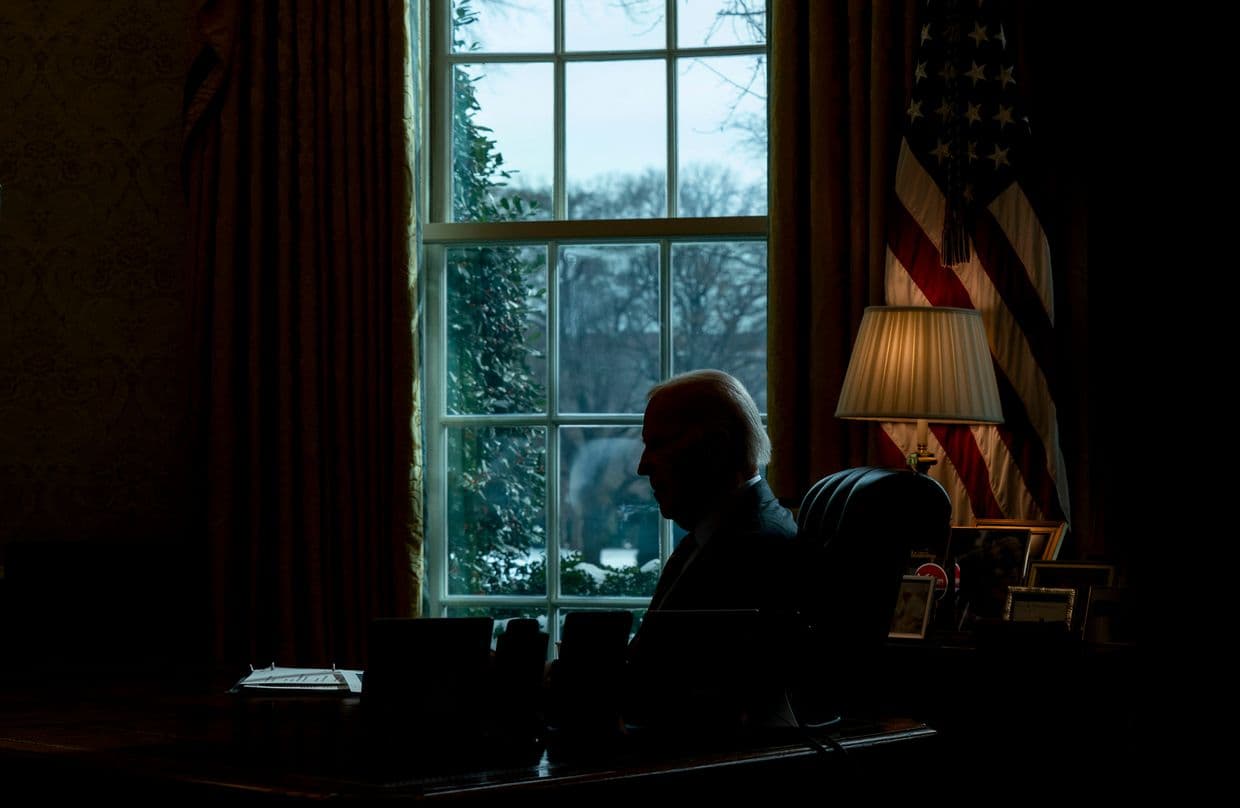
U.S. President Joe Biden in the Oval Office of the White House in Washington, DC, US, on Jan. 10, 2025. (Leigh Vogel/UPI/Bloomberg via Getty Images)
 on Google
As U.S. President Donald Trump backs away from giving Ukraine licenses to produce Patriot air defense missiles, Ukrainian officials say Kyiv had a chance to solve the problem years ago — but Washington rejected the idea back then as well.
The Ukrainian side has been trying to secure the licenses for almost two years. Officials told the Kyiv Independent that if the previous U.S. administration had approved the proposal, Ukraine could already be producing the interceptors needed to defend its cities from Russia's escalating ballistic missile attacks.
"We tried to do this and suggested various options, but we were simply told 'no' without any explanation," one Ukrainian official familiar with the discussions said.
Kyiv saw the problem coming
Long before Patriot missiles ran out, Kyiv was already searching for a way to reduce its dependence on U.S. deliveries.
As former U.S. President Joe Biden's administration entered its final months, Ukrainian negotiators feared that Donald Trump's return to the White House could reshape Washington's support for Kyiv. Rather than waiting to see what would happen, they tried to build a long-term safety net.
One of the proposals was to allow Ukraine to produce Patriot interceptor missiles under license, either domestically or jointly with European partners.
Patriot interceptors are the only weapons capable of reliably destroying Russian ballistic missiles. Ukrainian officials believed relying entirely on future American deliveries carried obvious risks.
Senior negotiators pitched the proposal directly to then-U.S. Defense Secretary Lloyd Austin and then-National Security Advisor Jake Sullivan.

What Ukrainian officials received in response was a simple "no."
"No explanations — they didn't tell us anything," the Ukrainian official said.
The Kyiv Independent contacted both Austin and Sullivan, but received no response.
Years later, the same conversation
Nearly two years later, Ukraine has returned to exactly the same request — only now under far more difficult circumstances.
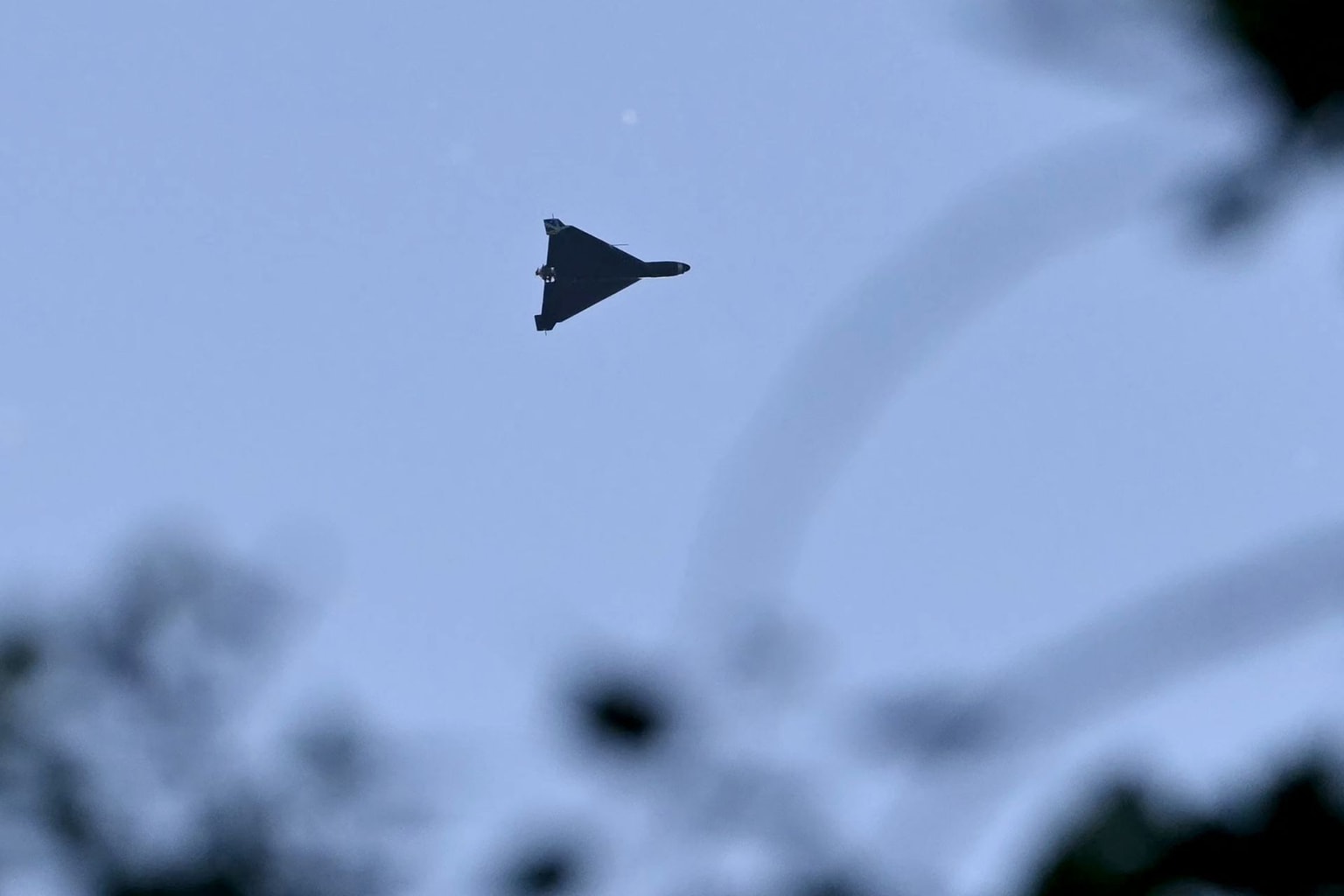
Russia has dramatically intensified missile attacks against Kyiv and other cities, while Ukraine faces a critical shortage of Patriot interceptors.
The urgency was on full display during Russia's Aug. 1 attack. According to Ukraine's Air Force, Moscow launched 35 missiles, including 27 ballistic missiles. Most of the missiles targeted Kyiv. Ukraine intercepted only two of them.

The renewed push for production licenses came just as Trump appeared to retreat from earlier signals that he might approve them.
The U.S. president said on July 31 that the White House had not made a final decision on allowing Ukraine to manufacture Patriot missiles.
Weeks before, Trump said he would grant Ukraine its request to produce Patriot missiles. The comments also marked a notable shift from President Volodymyr Zelensky's account of their July 28 meeting at the White House, after which the Ukrainian leader said Trump had "accepted that he will give us licenses (for Patriots)."
Even buying missiles has become harder
The licensing issue has become even more pressing because obtaining Patriot interceptors through existing channels is no easy task.
Ukraine can still receive missiles through the NATO-led procurement mechanism, but officials say deliveries have slowed significantly.
Washington's military campaign against Iran has depleted U.S. stockpiles, making the White House increasingly reluctant to transfer additional interceptors to Kyiv.
During his July 28 meeting with Trump, Zelensky told the U.S. president that Ukraine would need at least 300 Patriot missiles before winter to prevent Russia from crippling the country's energy infrastructure.

According to Ukrainian officials familiar with the talks, Trump stopped short of committing to provide them.
A decision that still echoes
For officials in Kyiv, today's shortage is not just the result of limited production or shifting U.S. priorities. They see it as the consequence of a decision made years earlier.
Had Washington approved the proposal when it was first presented, they argue, Ukraine would already have an independent supply of Patriot interceptors and Russia's campaign of ballistic missile terror would have far less leverage.
"By now, we would be producing as many missiles as we need and wouldn't have this problem," one Ukrainian official said.