Mr. Putin, where is the gas?
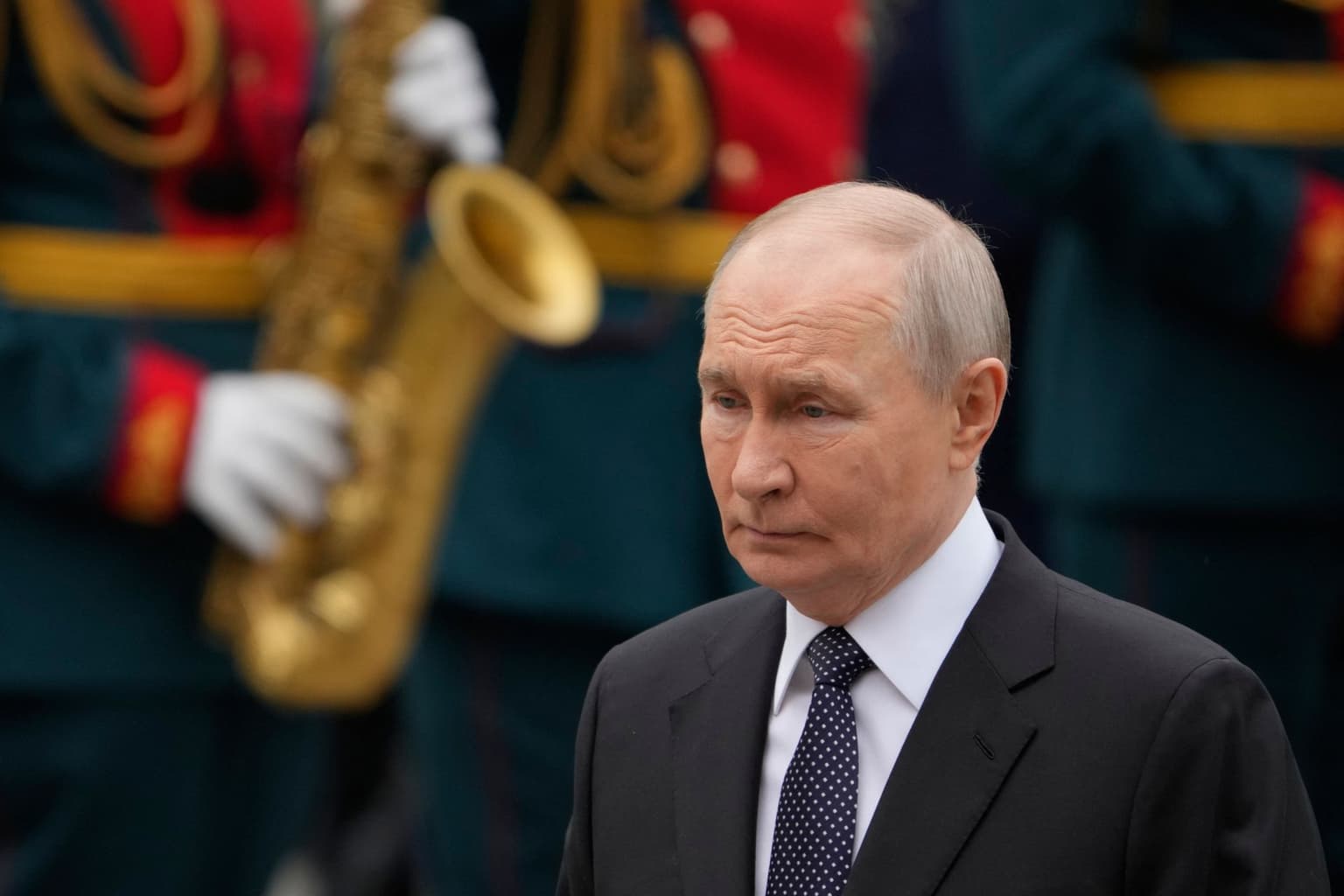
Russian President Vladimir Putin in Moscow, Russia, on June 22, 2026. (Pavel Bednyakov / Pool / AFP / Getty Images)
 on Google
Liubov Tsybulska
Director of Join Ukraine
"If you put the Russian authorities in charge of a desert, a sand shortage would break out — and they'd have to import sand from abroad."
That's one of the most upvoted comments we found this June, as we monitored thousands of Russian social media groups and communities. Difficult not to agree, we must say — because this June, Russia, of all countries, ran short on gasoline.
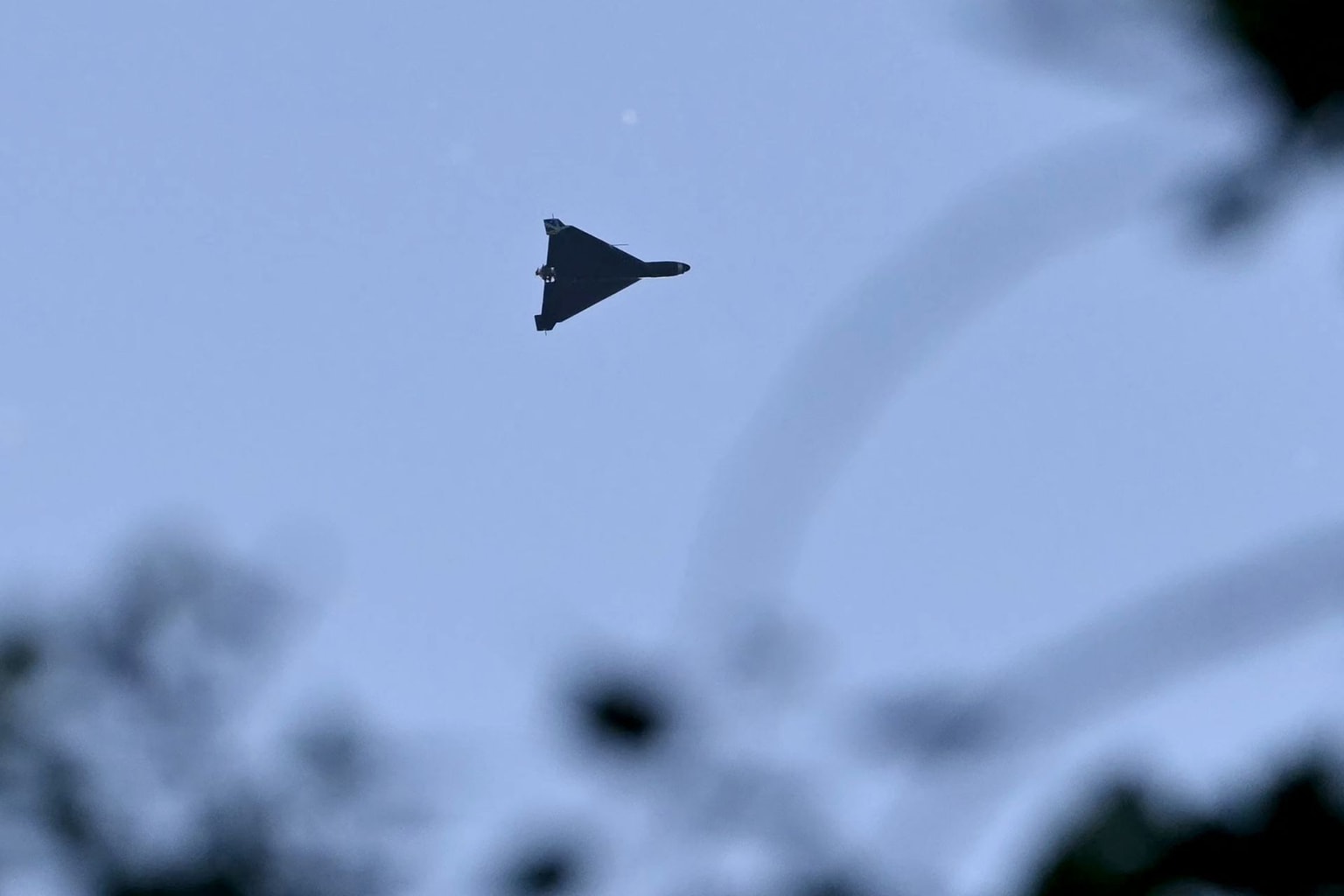
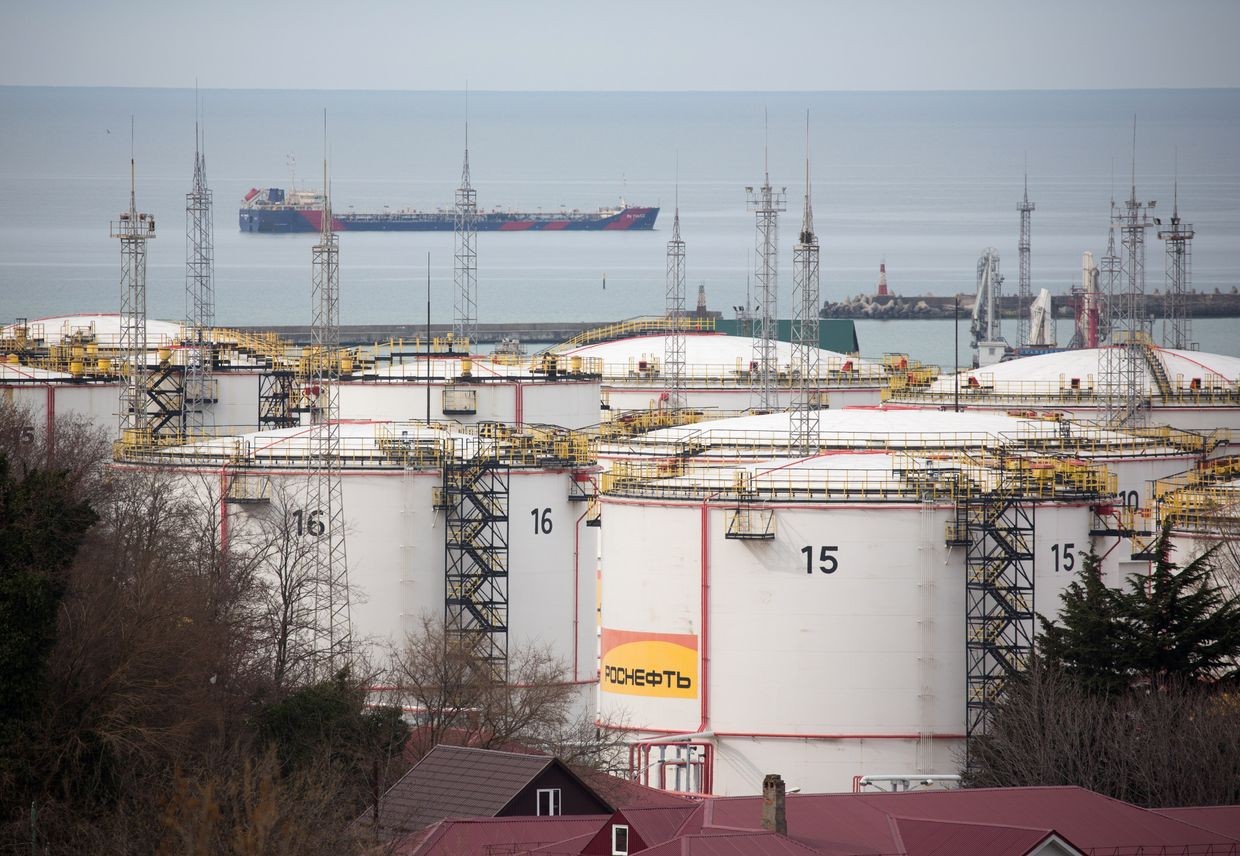
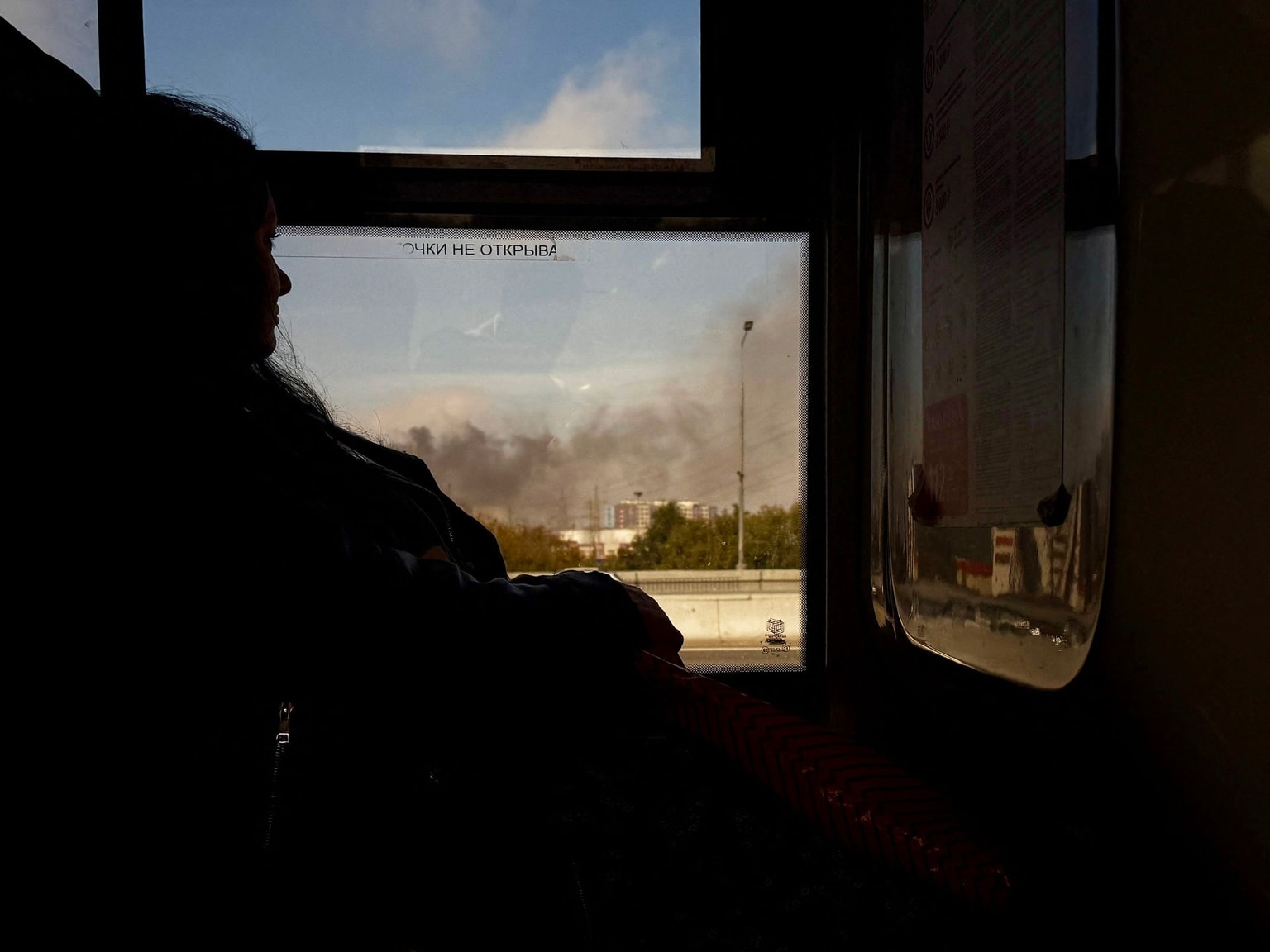
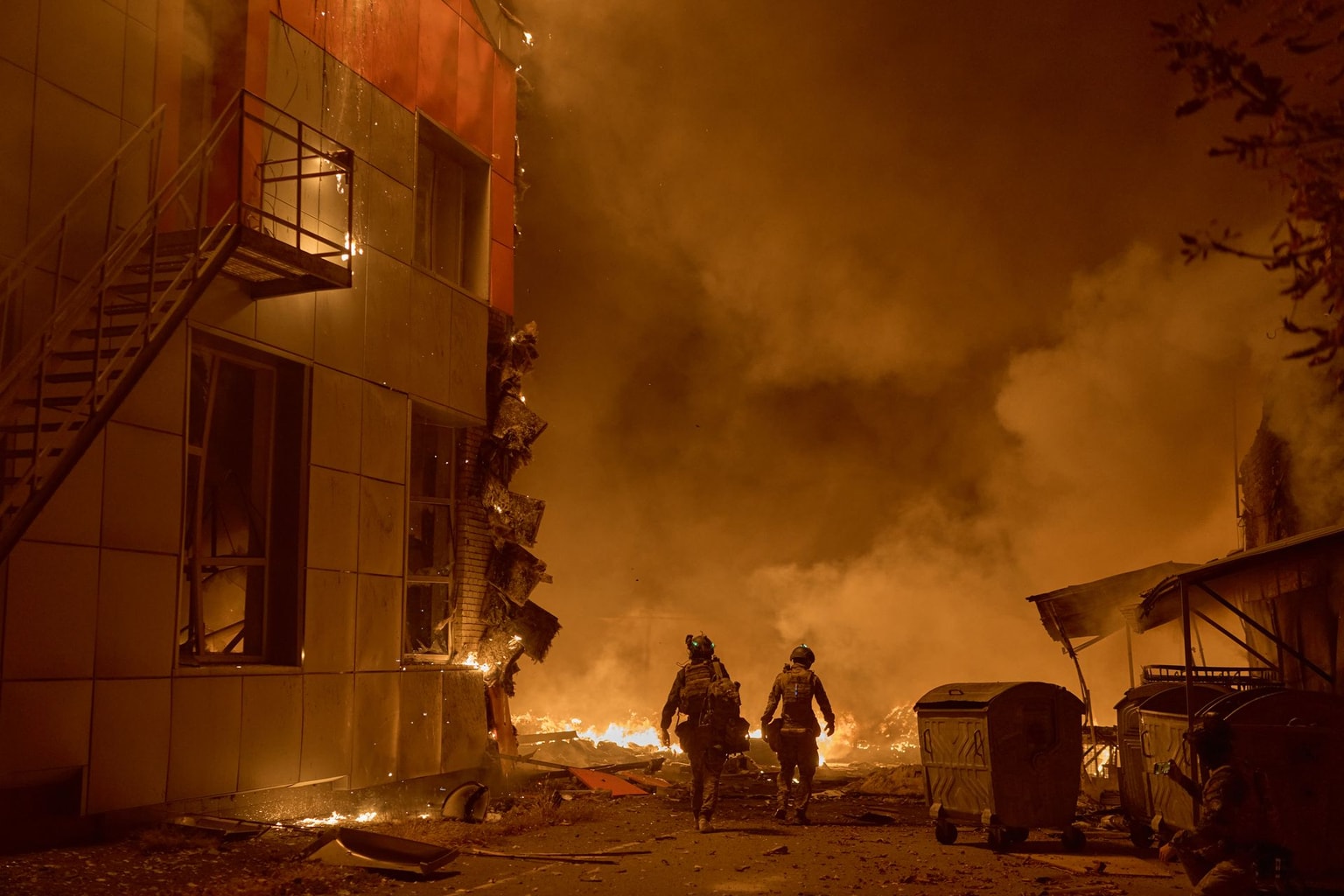
Throughout the month, Ukraine actively struck Russian oil refineries, fuel depots, and other oil infrastructure facilities. This led to significant restrictions on gasoline sales, and even the Russian authorities, who traditionally prefer not to admit any problems, were forced to concede cautiously that the situation was difficult.
Vladimir Putin acknowledged on June 28 that there were queues at gas stations and that the required grades of gasoline were not available everywhere, though he called the shortage "non-critical."
At the same time, the queues at those stations that still had fuel could stretch for several kilometers.
Another sign that the situation is clearly not simple: in addition to export restrictions on gasoline and diesel, Russia began shipping gasoline by sea from India. Meanwhile, farmers and industry analysts began discussing the threat of a disruption to the harvest campaign due to a diesel shortage.

Jokes about the "gas station country" have lost all relevance.
Similar to our previous analysis, this time we took a closer look at the most successful and high-profile strikes by Ukraine's Armed Forces in June 2026.
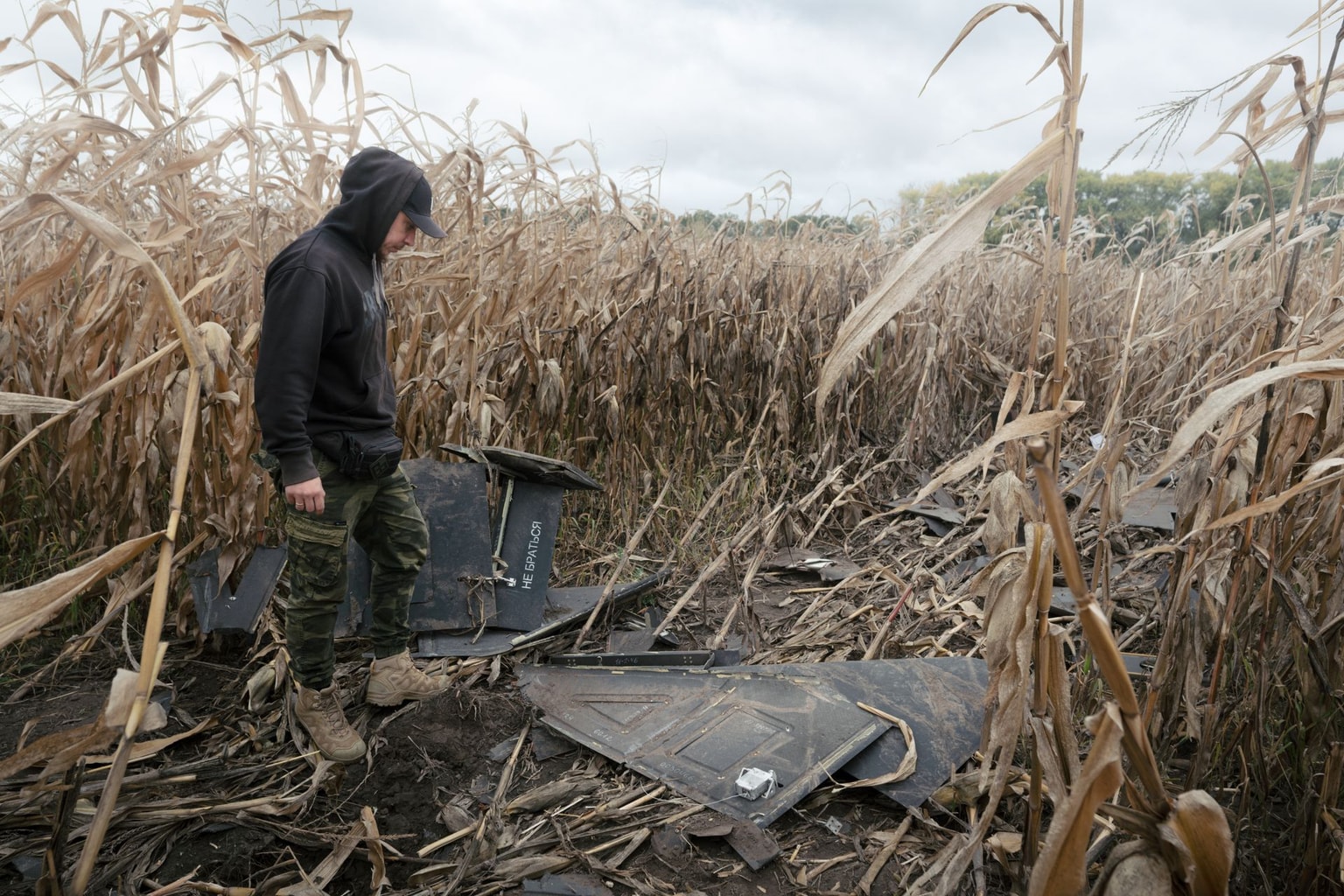
Briefly, here they are. On June 3, the opening day of the St. Petersburg International Economic Forum, Ukrainian drones hit the St. Petersburg Oil Terminal and, according to the Unmanned Systems Forces and the Security Service of Ukraine, the corvette Boikiy in a dry dock in Kronstadt. Smoke billowed over the city while forum organizers reassured guests that nothing out of the ordinary had happened.
That same night, drones attacked the Kstovo district near Nizhny Novgorod, home to Russia's fourth-largest oil refinery — that time, according to local authorities, without damage. On the night of June 24, the drones returned to Kstovo, this time more successfully, halting the refinery's operations with the strike.
On June 13, strikes hit oil refining and pumping infrastructure in Volgograd Oblast. On June 16 and 18 — twice within three days — the Moscow Oil Refinery in Kapotnya, the largest fuel supplier for the capital and the surrounding oblast, came under attack: the plant halted refining, Moscow airports restricted flights, and repairs, by Reuters' estimate, will take at least half a year.
On June 20, drones reached Tyumen — more than 2,000 kilometers (about 1242 miles) from Ukraine: the Russian authorities claimed the attack had been repelled, while Zelensky said that the refinery had been hit.
The physical damage there, judging by open-source data, is limited, but the range itself is a result in its own right: Siberia now needs air-defense cover too, and that stretches Russian air defenses even thinner.
And refineries were not the only targets: two days later, on June 22, according to the General Staff of Ukraine, long-range weapons struck a Voronezh plant making electronic components for Iskander and Kh-101 missiles.
The full scale of the damage is unknown: Russia discloses neither its extent nor the pace of repairs. In late June, an independent energy consultant estimated the offline capacity at roughly one-third.
On June 22, Carnegie wrote more cautiously: if the damaged refineries cannot restore production quickly, the loss of capacity could reach 28% compared with previous years. Not a collapse, but substantial. We will leave the detailed study of this question to OSINT analysts; instead, let's talk about something else — the mood and actions of the population.
Got an opinion on anything you've read in the Kyiv Independent so far?
and it may appear in our Letters section.

We tracked how these stories were covered and discussed on Russia's two largest social media platforms: Telegram and VKontakte.
Our regular monitoring covers about 1,000 regional communities on Telegram and VKontakte combined — from Pskov to Khabarovsk.
In these communities, Russians mostly discuss non-political and non-military topics: housing and communal services problems, quarrels with petty officials, and complaints about clinics.
Against the usual backdrop of complaints about leaky pipes, local bureaucrats, and overbooked clinics, this time, 2,000 posts discussed the June strikes.
The reaction split almost evenly, and both sides were angry: some demanded harsher retaliation, urging Russia to "ask Iran how to fight a war" and launch "180 missiles and a thousand Gerans at Kyiv," while others turned on their own authorities, complaining that "they fly around Rublyovka as always — scared, apparently," that "Vova is sitting in his bunker," and asking, "why do we even need such a president."
What united both camps was disbelief that "this is even possible." As one woman from near Novgorod wrote, "If someone had told me before that the capital of a nuclear power would be getting hit, I wouldn't have believed it. The world has gone mad."
The most widely covered event on the list was the strikes on Moscow. Russians in regional groups take little interest in what happens in neighboring regions. But when it comes to events in the capital, interest is noticeably higher.
Some lament, some shrug, and some gloat that Muscovites will now get to feel the war themselves. This is especially widespread in the regions bordering Ukraine.
To quote some of the commenters: "When Kursk gets hit, Muscovites are reluctant to write about us. Let them understand that things are not sweet for us either," and "Relatives in Moscow used to say: it's your war, not ours. Now let them get a taste of it."

In addition, we examined nearly 7,000 posts about the fuel shortage. Even these figures alone show that gasoline problems affected Russians far more than the discussion of the Ukrainian strikes themselves. The most massive behavioral pattern of the month was fuel panic.
In regional Telegram channels, the number of posts about fuel shortages grew from 50–100 per week in late May to more than 2,000 in the last week of June; on VKontakte, the dynamics are similar.
But more important than the statistics is the geography: queues appeared not only in the regions that were attacked but also in places no drone had ever reached. Fuel was mostly still available there, but people started doubting it would be there tomorrow.
The moment the Russian state repeats "everything is under control" like a mantra, people drive off to fill up their tanks just in case.

It is also telling whom Russians blame for the queues. In the fuel discussions, Ukraine appears mostly as a statement of fact — "all this fuel frenzy started after the attack on the Moscow refinery" — while the anger looks for culprits at home.
Some scold their neighbors for panicking: "Just stop buying up gas like fools, and prices won't rise! Remember the buckwheat." Others blame resellers: "Thanks to the wheeler-dealers who are stocking up like it's the last time in their lives."
Still others blame the Russian authorities. "The country richest in oil — and it's going to buy from others. Shame on Putin's gang," reads the most upvoted comment.
All these comments gathered hundreds (and sometimes thousands) of likes from other users. The neighbor with a jerrycan, the "profiteer," the governor, the government — Russians are looking for someone inside to blame.
To sum up: panic buying happens in any country where a product disappears, and in itself, it is not a political stance. Restored capacity, stock redistribution, imports, and rationing may ease the shortage. Queues at gas stations do not mean the regime's collapse is near, however much we might wish it, and social media discussions are not a forecast of protest.
But the Ukrainian strikes on Russia's oil refinery in June did change something. Trust in the authorities is declining not just in words but in deeds as well. Russians look for those responsible for the situation mostly within their own country and try to find more reliable information from anywhere but officials.
And the Russian political regime increasingly faces a problem: despite its enormous propaganda resources, the population's behavior is shifting in a direction unpleasant for the authorities. The main reason is that Ukraine's Armed Forces are bringing more of the war into the Russians' lives. The very war that Russia unleashed against Ukraine four and a half years ago.
Editor's note: The opinions expressed in the op-ed section are those of the authors and do not purport to reflect the views of the Kyiv Independent.