EU fails to agree 21st sanctions package, making Russian oil windfall more likely
 on Google
BRUSSELS, Belgium — EU foreign ministers failed to finalize the bloc's 21st sanctions package on July 13, but with no agreement, there is a risk that Russia could be freed of price controls on its oil exports if a last-minute agreement is not cobbled together within two days.
The 21st sanctions package included a whole suite of new ambitious measures, previously left undiscussed because with the former Hungarian Prime Minister Viktor Orban's standing veto, EU ministers knew it was a non-starter.
However, those measures, which included restrictions on Russian fish, an entry ban on Russian soldiers, and a freezing of the oil price cap so that Moscow could not benefit from recently spiking oil prices, have been challenged, principally by southern EU countries.
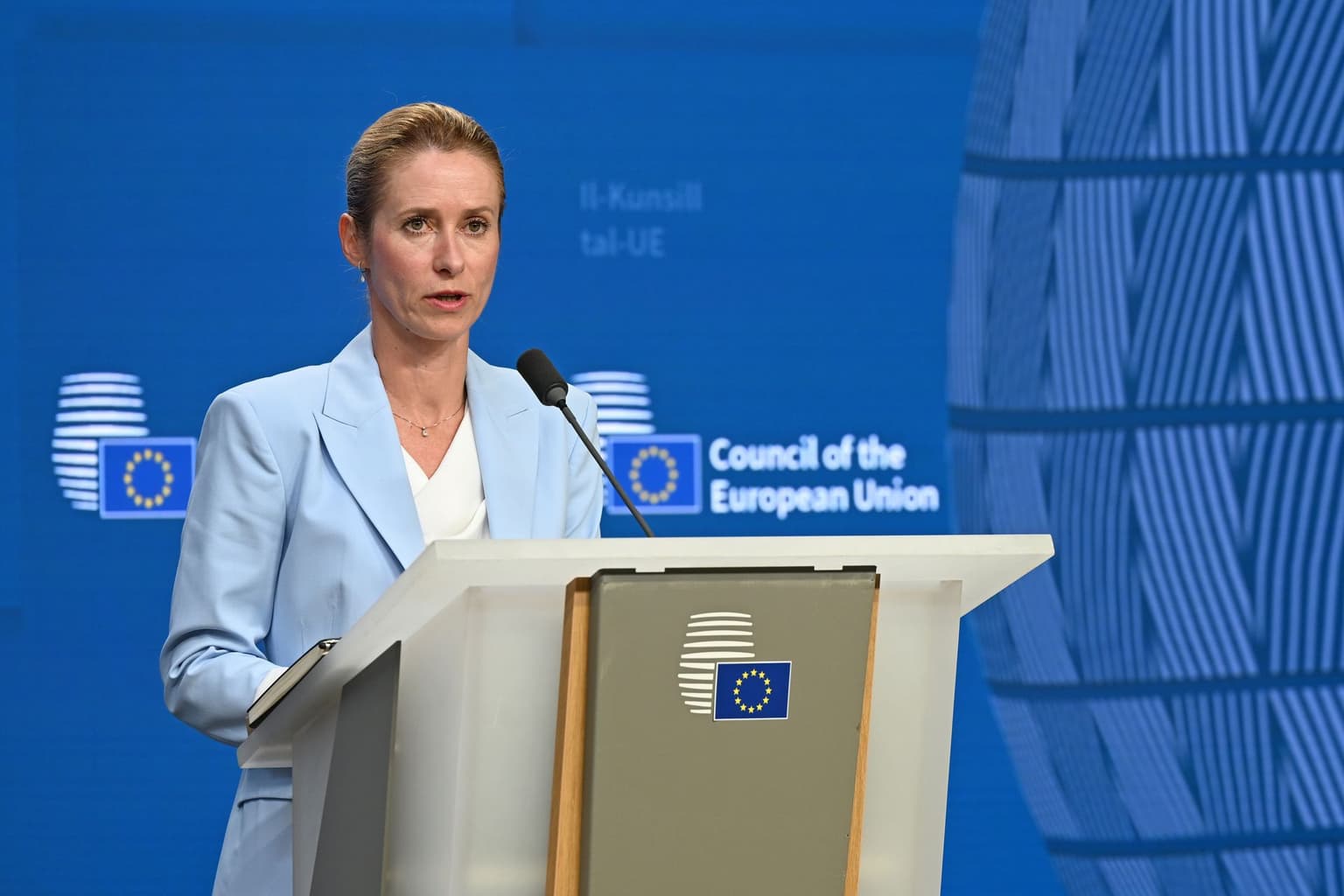
"I can't offer you any guarantees," the EU's top diplomat Kaja Kallas replied to the Kyiv Independent at a press conference when asked if she can offer any guarantee that the oil price cap will be frozen in place after the current lapse date of July 15.
"My wish is that this package is strong, because of the continued attacks on civilians really targeting the (Ukraine's) most populated areas," Kallas continued.
"If we don't have agreement, then we start to work on Plan B. But right now, we work on Plan A for Wednesday," Kallas said.
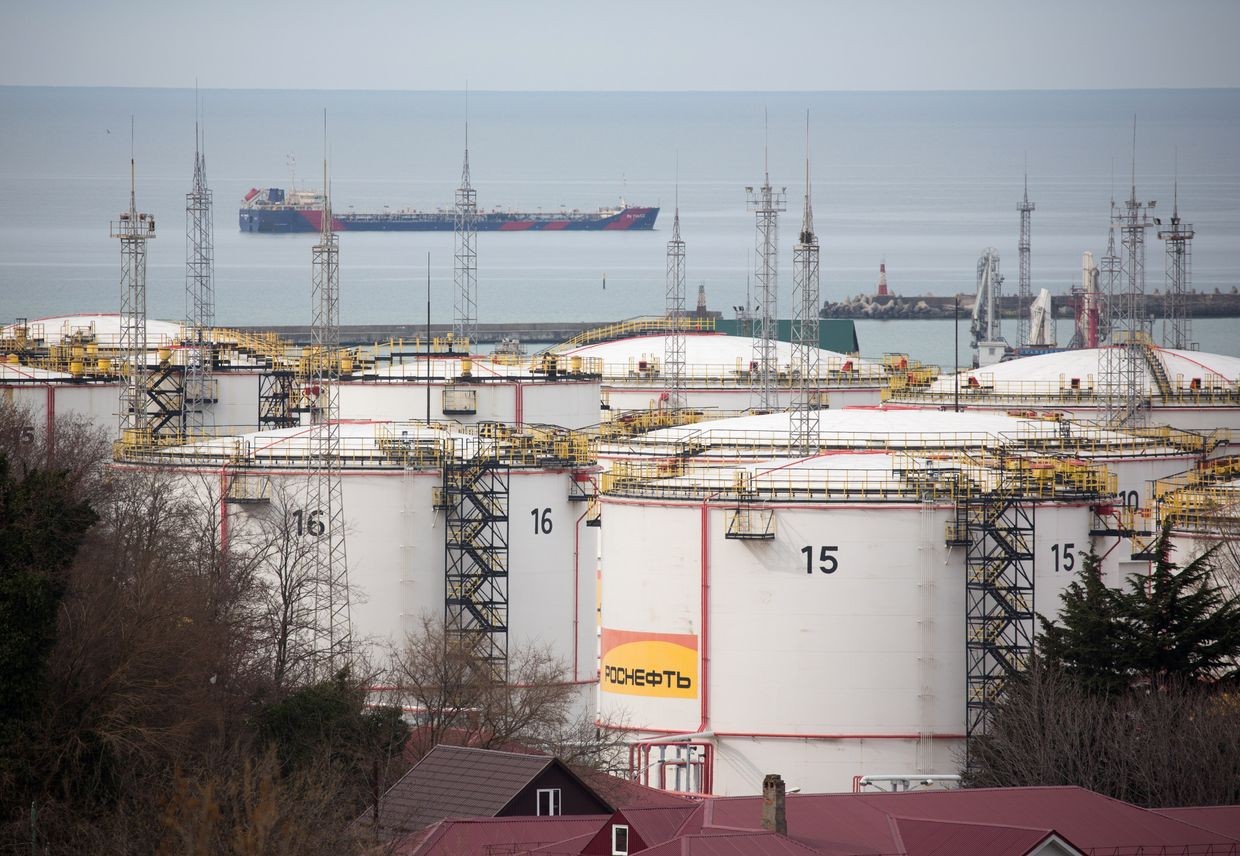
If the oil price cap lapses on July 15, it means that Russian oil can be sold at prices significantly higher than the $44.10 per barrel at which prices are currently capped.
That would all be new revenues for the Russian government, which can be invested into its war effort against Ukraine.
Immediately following the press conference, a senior EU official familiar with the talks explained on condition of anonymity that there are still decent chances the worst can be avoided.
"A vast majority of the package is agreed," they said, adding that "there's a high chance of three months," meaning agreement to freeze the price cap at its current level until October, denying Russia the ability to profit from the oil price surge that followed U.S. President Donald Trump's attacks on Iran.
For the other proposed measures, the path forward is less clear.
On fish, after Kallas quipped "that before I was in this job, I didn't know that fish are so geopolitical," she explained that in all proposed sanctions packages, some ideas end up getting removed.
But on the proposed ban of Russian soldiers into the EU, Kallas said "the work will continue on this because clearly this is a risk to our own security and we should not let these people into Europe."
The senior EU official who spoke after the press conference explained that there was agreement on the principle of banning combatants who have served in the Russian military from 2022 onwards, but the mechanism for doing so remained a matter of debate.
Discussions will return to the level of EU ambassadors on July 14 with the aim of carving out a consensus position on the 21st package, which could then be voted on by ministers.
"I regret that we don't have agreement on the 21st package, although I must say that we are quite close," Kallas said.