US, Iran agree to peace deal, Strait of Hormuz to reopen upon signing, Trump says
 on Google
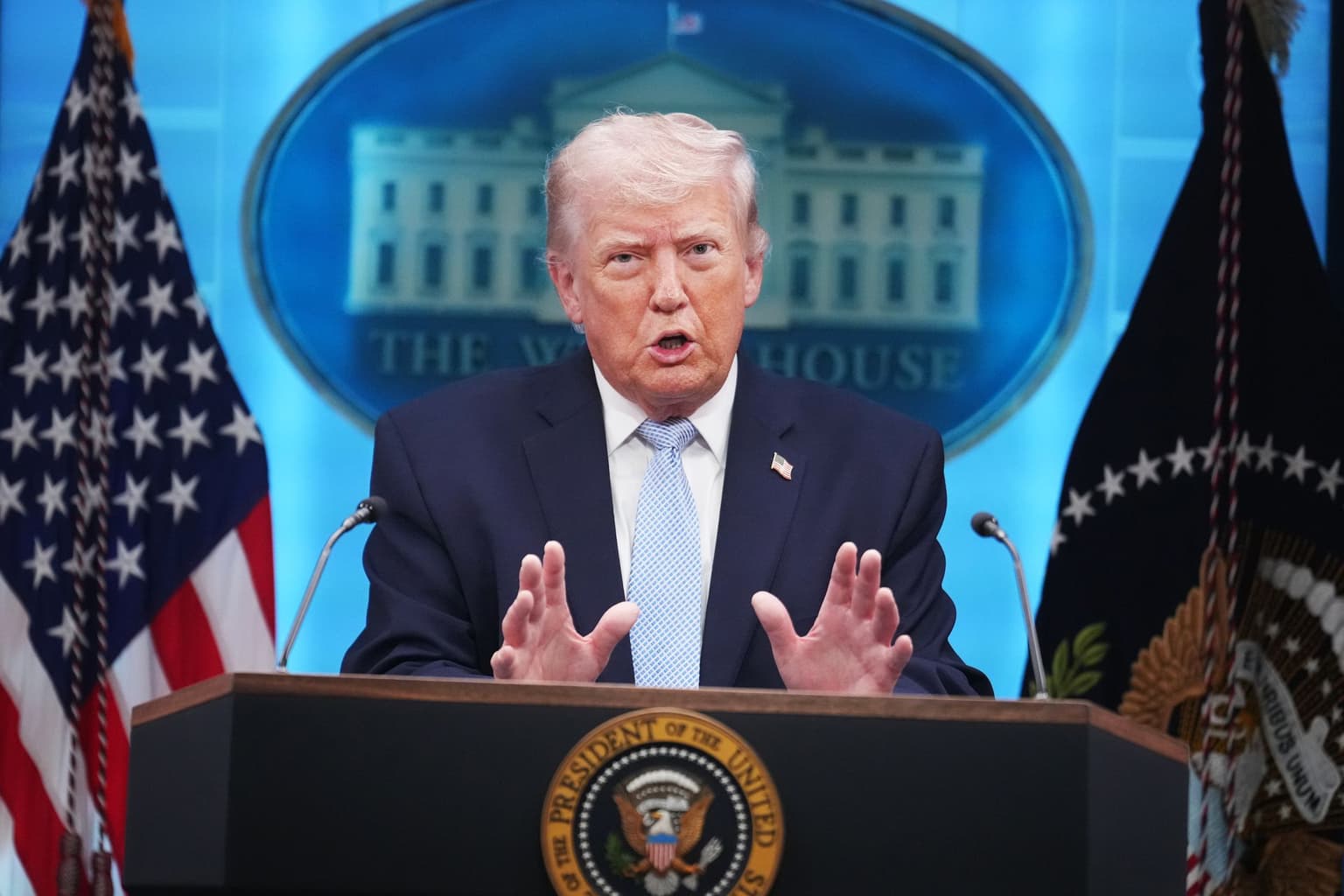
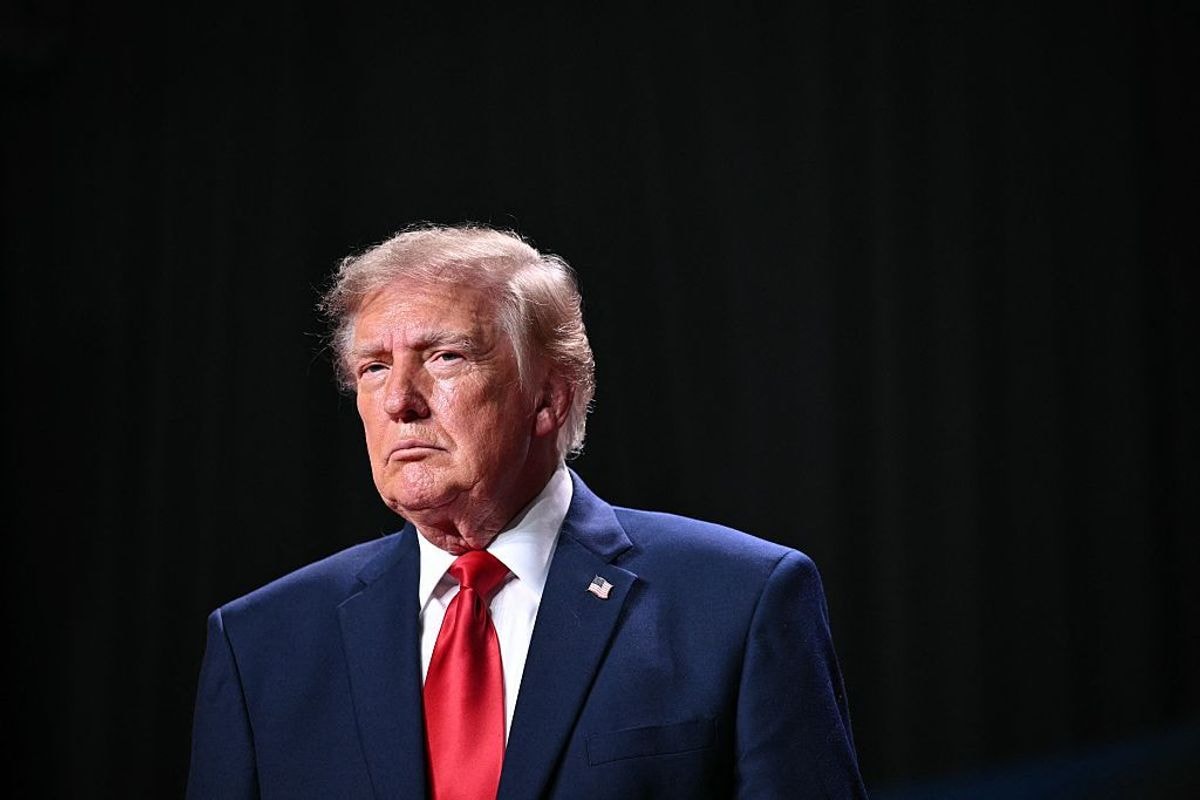
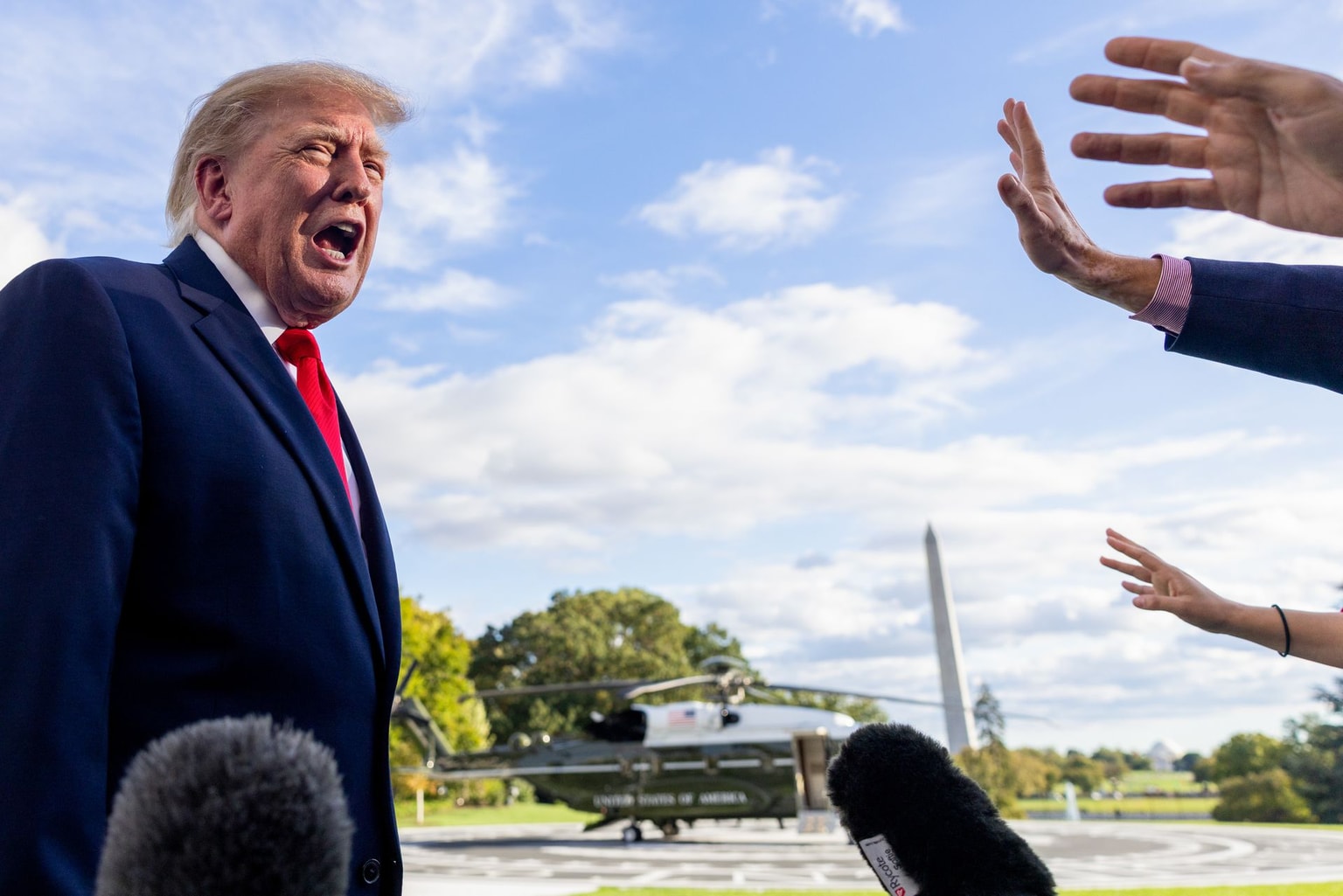
The United States and Iran have reached a peace agreement to end ongoing hostilities as well as a planned reopening of the Strait of Hormuz, U.S. President Donald Trump announced on June 14.
"The Deal with the Islamic Republic of Iran is now complete," Trump wrote on Truth Social. "Ships of the World, start your engines. Let the oil flow," Trump added, referring to the closure of the Strait of Hormuz.
Pakistan's Prime Minister Shehbaz Sharif, an intermediary in the peace talks, echoed Trump's remarks in a post on X, noting that "both sides have declared the immediate and permanent termination of military operations on all fronts, including in Lebanon."
Sharif wrote that signing ceremony will be held in Switzerland on June 19. Trump added that the Strait of Hormuz will reopen upon its signing.
The agreement will commence a 60-day negotiation period between Washington and Tehran on constraining Iran's nuclear program. The beginning of further negotiation is contingent on Washington's release of billions of dollars in frozen assets, Iranian officials said.
The full details of the peace agreement were not immediately available.
The governments of the United Kingdom, France, Germany, and Italy welcomed the agreement in a joint statement issued on June 15.
"This is a moment of opportunity to restore regional stability and stabilise the global economy. It is now vital that the detailed negotiations are concluded and this agreement is implemented rapidly and comprehensively. We are ready to support that effort," the statement read.
The U.S. first launched its strikes on Iran in late February, killing Iran's Supreme Leader, Ayatollah Ali Khamenei. In response to the attack, Tehran imposed a blockade of the Strait of Hormuz, leading to volatility in global oil prices. Roughly one-fifth of global oil and liquefied natural gas shipments transit the strait daily, making disruptions there a major concern for international energy markets.
Tehran and Washington previously announced a fragile 60-day ceasefire amid negotiations for a peace deal that was plagued with multiple violations.
The conflict in the Middle East and the closure of the Strait of Hormuz contributed to volatility in global energy markets and prompted Washington to grant a sanctions waiver allowing purchases of Russian oil loaded onto vessels during a specified period.
The surge in oil prices has benefited Russia, boosting revenues from oil and gas exports as Moscow continues its full-scale war against Ukraine.
Amid the ongoing war in Iran, negotiations on a U.S.-brokered peace deal in Ukraine have stalled. Russian President Vladimir Putin dismissed on June 5 President Volodymyr Zelensky's open letter calling for the immediate reopening of peace negotiations.