Updated US Russia sanctions bill eases tariffs on Russian oil, gas buyers
 on Google

Editor's note: The story has been updated with the latest details
A bipartisan group of U.S. senators on July 14 unveiled the latest version of a sanctions bill targeting countries that buy Russian oil and gas, aiming to choke off Moscow's revenues amid its war against Ukraine.
The updated bill emerged from negotiations between the White House and Republican Senator Lindsey Graham, who said he had secured the administration's backing shortly before his death from a sudden illness on July 11.
The U.S. lawmakers backing the bill aim to push it quickly through Congress, arguing it would provide the Trump administration a tool to push Russia to end its war.
Unlike the initial version of the long-delayed legislation, the bill scales down a blanket 500% tariff on imports from countries that buy Russian oil or natural gas to a maximum 100% tariff on the top five buyers.
It applies the same tariff rate to the top five countries that facilitate Russian oil sanctions evasion.
The top five purchasers would be re-evaluated every 180 days, according to the draft. Countries that import less than 15% of Russia's total natural gas exports and actively work to reduce those imports are exempt.
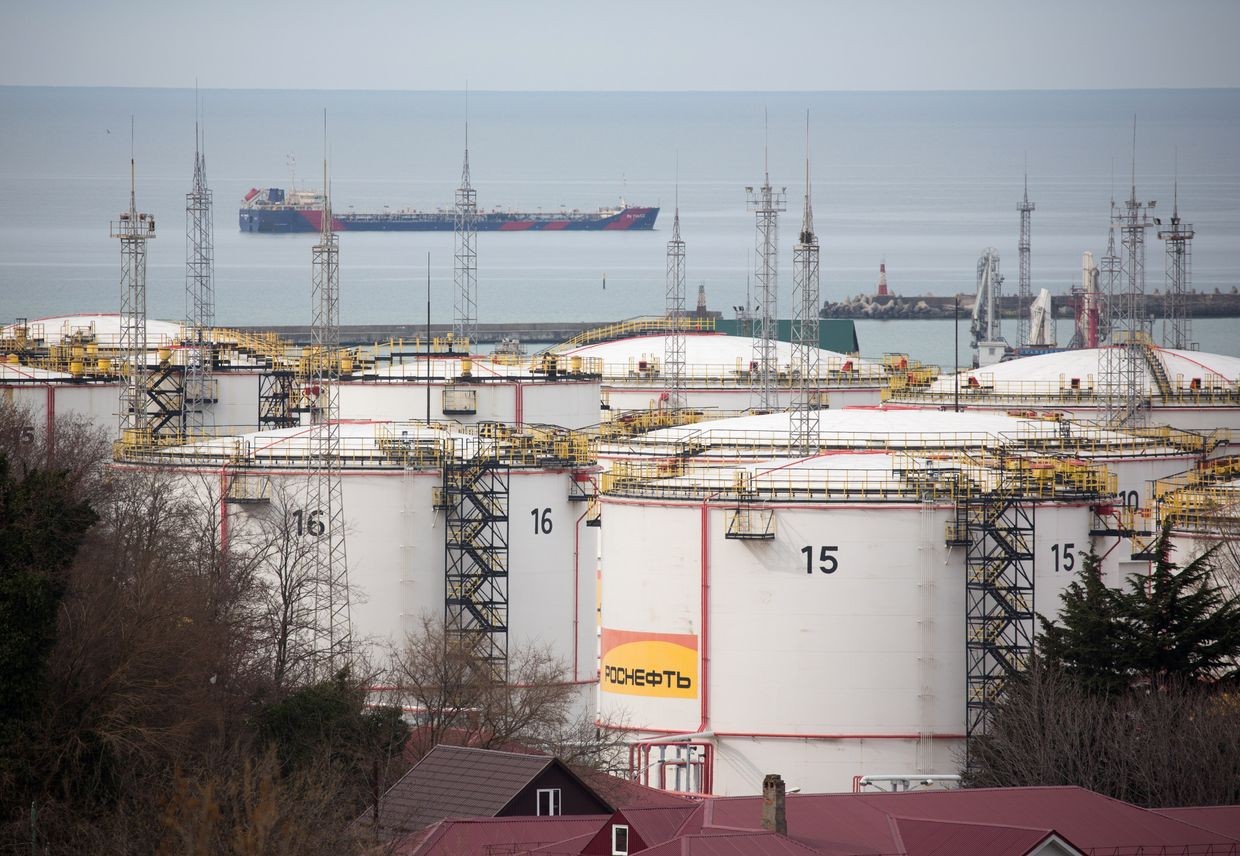
China, India, and Turkey are the world's leading buyers of Russian oil, while the EU, China, and Turkey top the ranking in natural gas purchases.
The bill would, however, grant the U.S. president the authority to waive any sanctions "upon a justification and certification to Congress that the waiver is in the national interest of the United States."
read also
The legislation has been stuck in Congress since April 2025 amid U.S. President Donald Trump's shifting approach to the Russia-Ukraine war and bipartisan disagreements.
There appears to be new momentum, however, as Ukraine has slowed Russian advances with midrange drone strikes and struck Russian refineries deep in the rear, and Trump's stance seems to be tilting in Kyiv's favor.
In recent days and weeks, Trump agreed to grant Ukraine a license to produce Patriot interceptors and privately urged President Volodymyr Zelensky to act "more boldly" against Russia.
"I know that Lindsey wanted it very badly," Trump told reporters on July 14 when asked about the sanctions bill, referring to the lawmaker long seen as both an ally of Ukraine and Trump.
"There is a good chance it gets done."
A U.S. official told the Kyiv Independent on July 13 that "Trump supports Graham's Russia sanctions bill as a tribute to him."
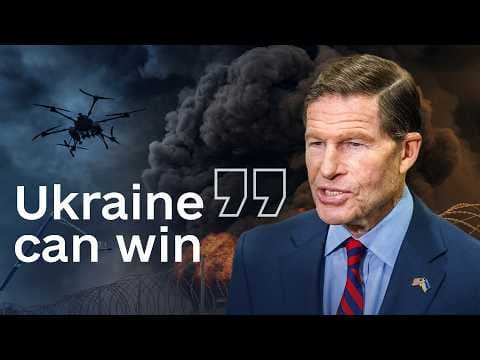
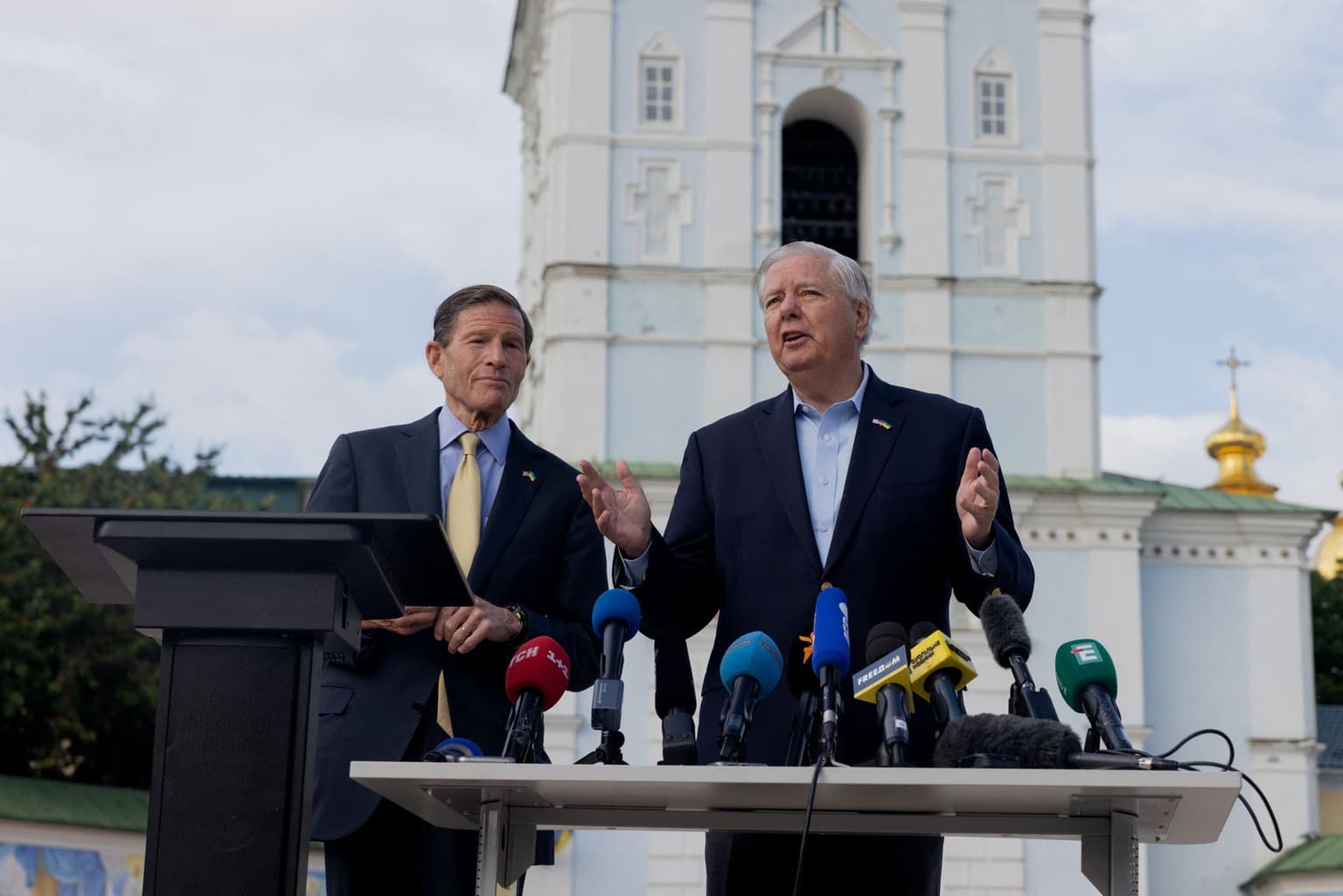
While Trump publicly floated including sanctions against Iran and Hezbollah in the package, Democratic Senator Richard Blumenthal, one of the main advocates of the bill, pushed back.
"With all due respect to the president, he has approved this bill, and we should move forward with this bill rather than opening it," the senator said.
"If there are other bills that he wants to propose, we'll consider them."
The Russia sanctions bill would further include mandatory sanctions on Russian President Vladimir Putin and other senior leaders, Russian banks — including the Central Bank, Sberbank, and Gazprombank — state-owned companies, foreign entities propping up Russia's defense industrial base, and state energy projects such as Yamal LNG and Arctic LNG 1, 2, and 3.
The legislation also incorporates bipartisan measures targeting Russia's shadow fleet and China's support for Russia's defense industry and reinforces financial and export restrictions.
"Ukraine is at a critical crossroads — and we must meet this pivotal moment with a powerful sanctions bill," Blumenthal said in a statement shared with the Kyiv Independent.
"Now is the time to push Russia toward peace. Ukraine is gaining net territory and reaching deep into Russia with its drones and missiles," he noted, calling the potential passing of the bill a "fitting tribute to Senator Graham's fierce support for Ukraine's freedom."
"One of the many pillars of Senator Graham's exemplary career of public service was his dedication to putting America's national security first and promoting liberty around the world," said Senator Katie Britt, a Republican backing the legislation.
Britt added that "these sanctions will provide President Trump with a critical tool to hold Russia accountable and secure a lasting peace."