Ukrainian pilots 'forced to take risks' as Russian jet-powered drones strain missile supplies
 on Google

Ukrainian pilots are being "forced to take risks and use aircraft cannons" to down Russian jet-powered drones due to a shortage of air-to-air missiles for the country's fleet of fighter jets, Yurii Ihnat, head of the Air Force communications department, told the Kyiv Independent on Sept. 10.
Russia has dramatically increased the number of jet-powered attack drones it launches in recent weeks, with Kyiv coming under particularly heavy, near-constant attack.
"Intense air battles are currently underway, as the enemy launches round-the-clock attacks with missiles and drones, leading to an increase in the consumption of air-to-air missiles and surface-to-air missiles," Ihnat said.
"In July alone, Russia launched approximately 1,500 jet-powered drones, and in August, 2,800," he added.
While Ukraine has become adept at using interceptor drones to down older, piston-engined versions of Russia's attack drones, the newer jet-powered versions that fly at around twice the speed are a new challenge entirely.
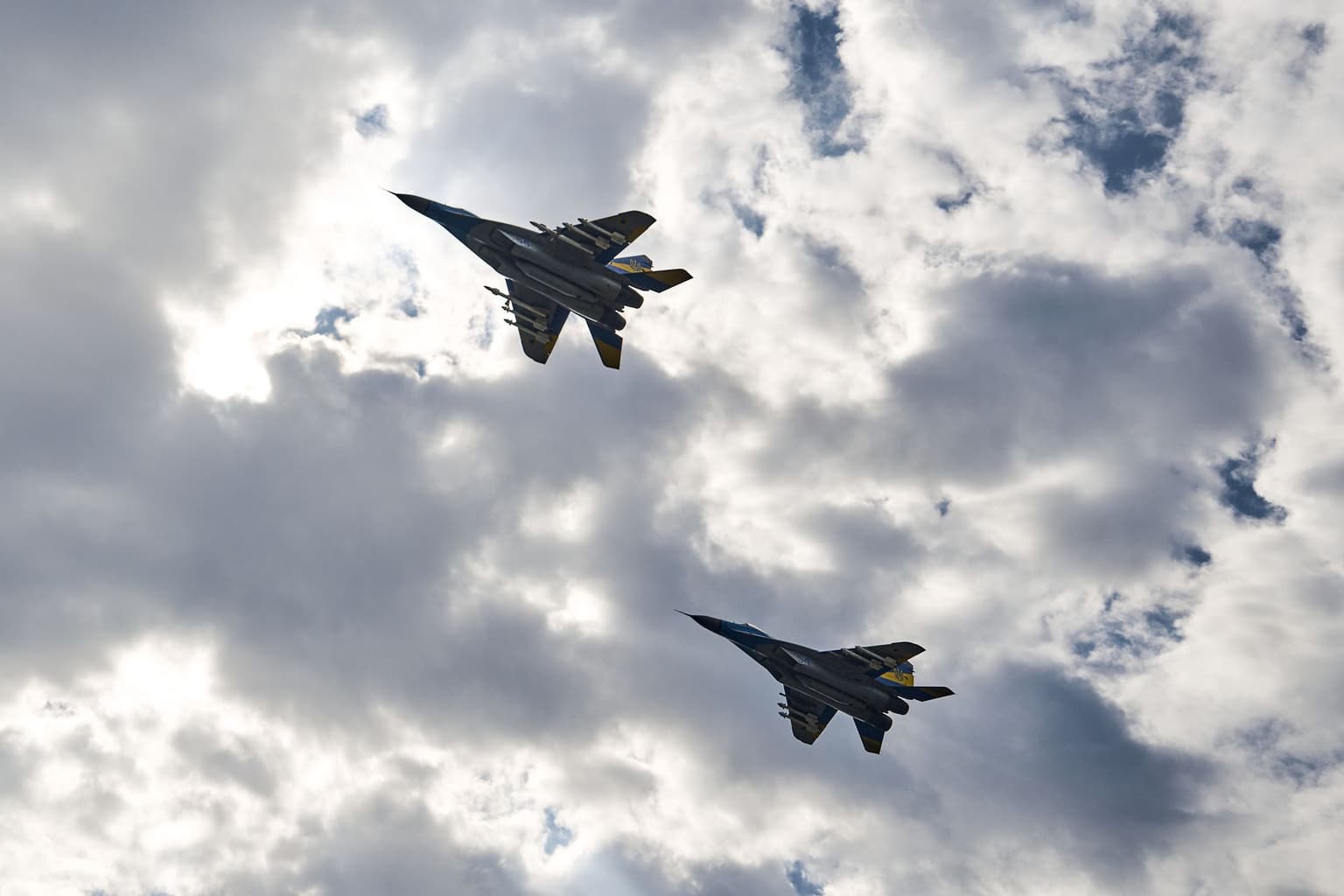
Ihnat said Ukraine is deploying its fleet of fighter jets to combat them, including its own Soviet-era MiG-29s, as well as U.S.-made F-16s, and French-made Mirage 2000s.
"Due to a shortage of missiles, Ukrainian pilots are forced to take risks and use aircraft cannons. This requires precise maneuvering, as they must find the right firing point when the target is moving at speeds exceeding 400 km/h," Ihnat said.
Russia's attacks on Kyiv resumed almost immediately after a brief pause linked to the visit of U.S. envoys Steve Witkoff and Jared Kushner to the capital.
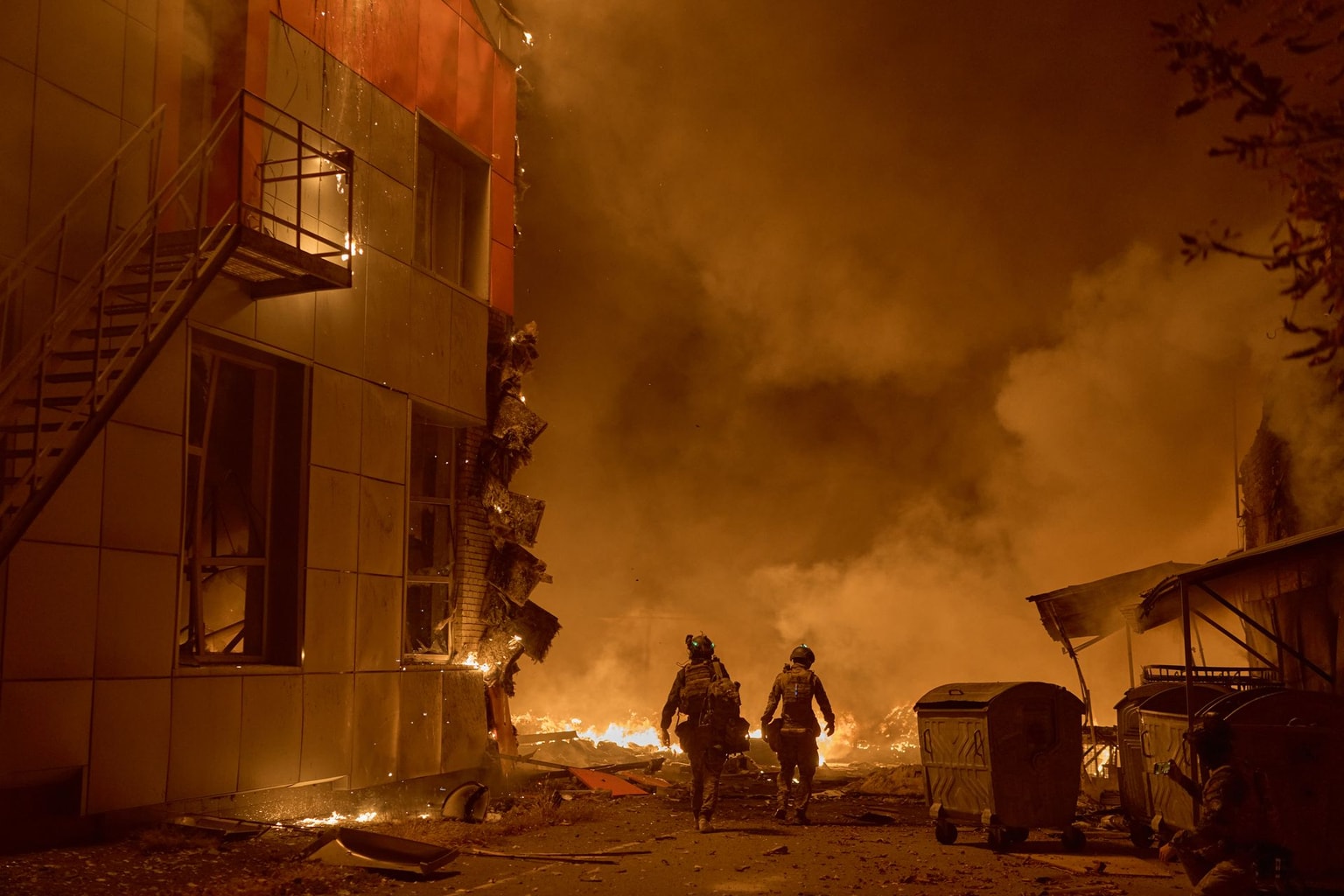
During the latest attack on Sept. 10, a jet-powered drone injuried four people and damaged a gas station in the Holosiivskyi district of Kyiv.
A day earlier, Russian jet-powered drones struck residential buildings and other sites across Kyiv, killing one person and injuring at least 17 others, including two children.
On Sept. 8, a mass Russian missile and drone attack on the capital killed five people and injured 35, while large fires broke out across the city.
Russia has previously used drone attacks on gas stations to disrupt fuel supplies and road logistics, particularly in Kharkiv, Sumy, and Zaporizhzhia oblasts. By August, the tactic had spread into central regions, with dozens of gas stations struck over the summer.