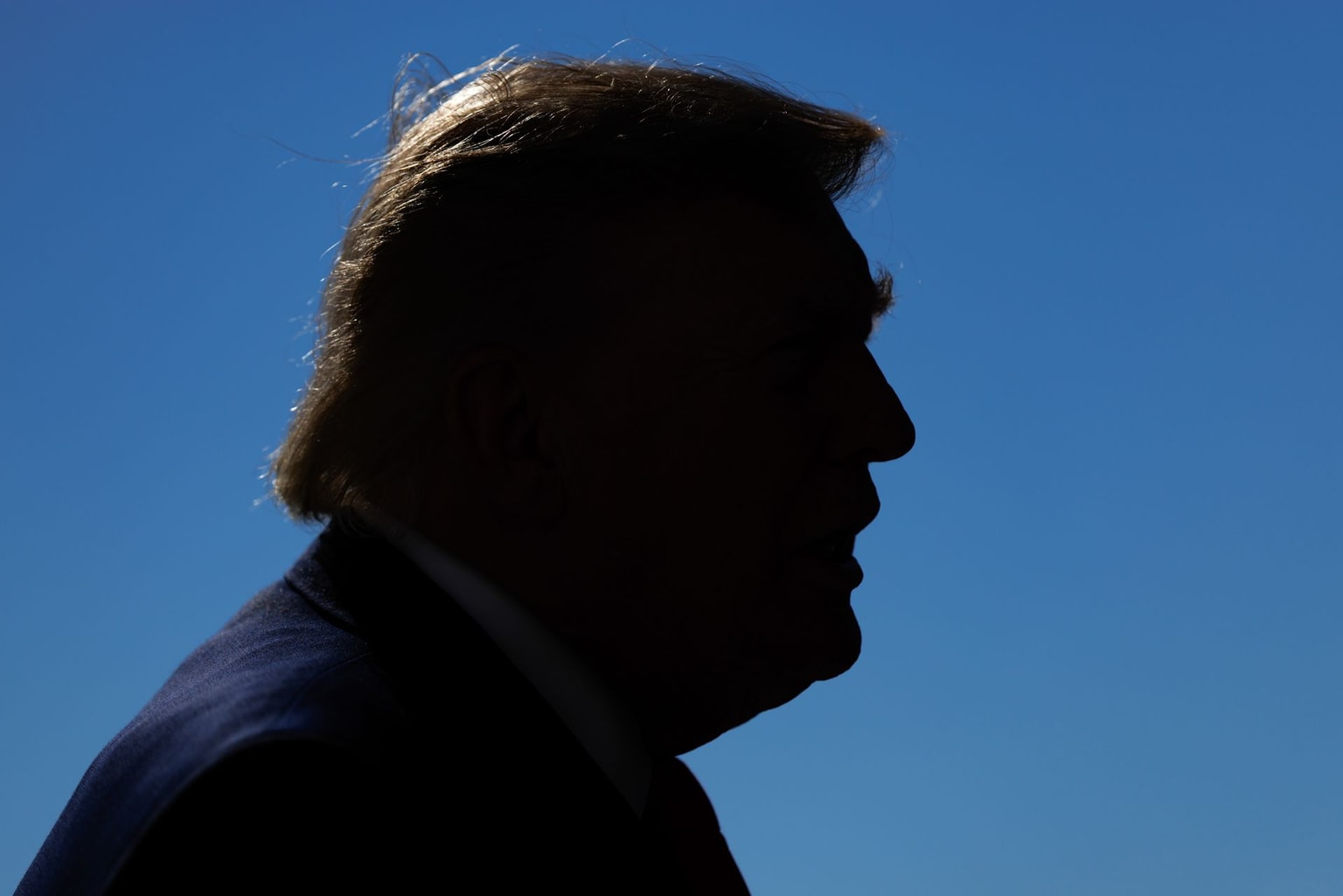
Kremlin denies Russia has political prisoners as Trump weighs sanctions relief for releases
 on Google
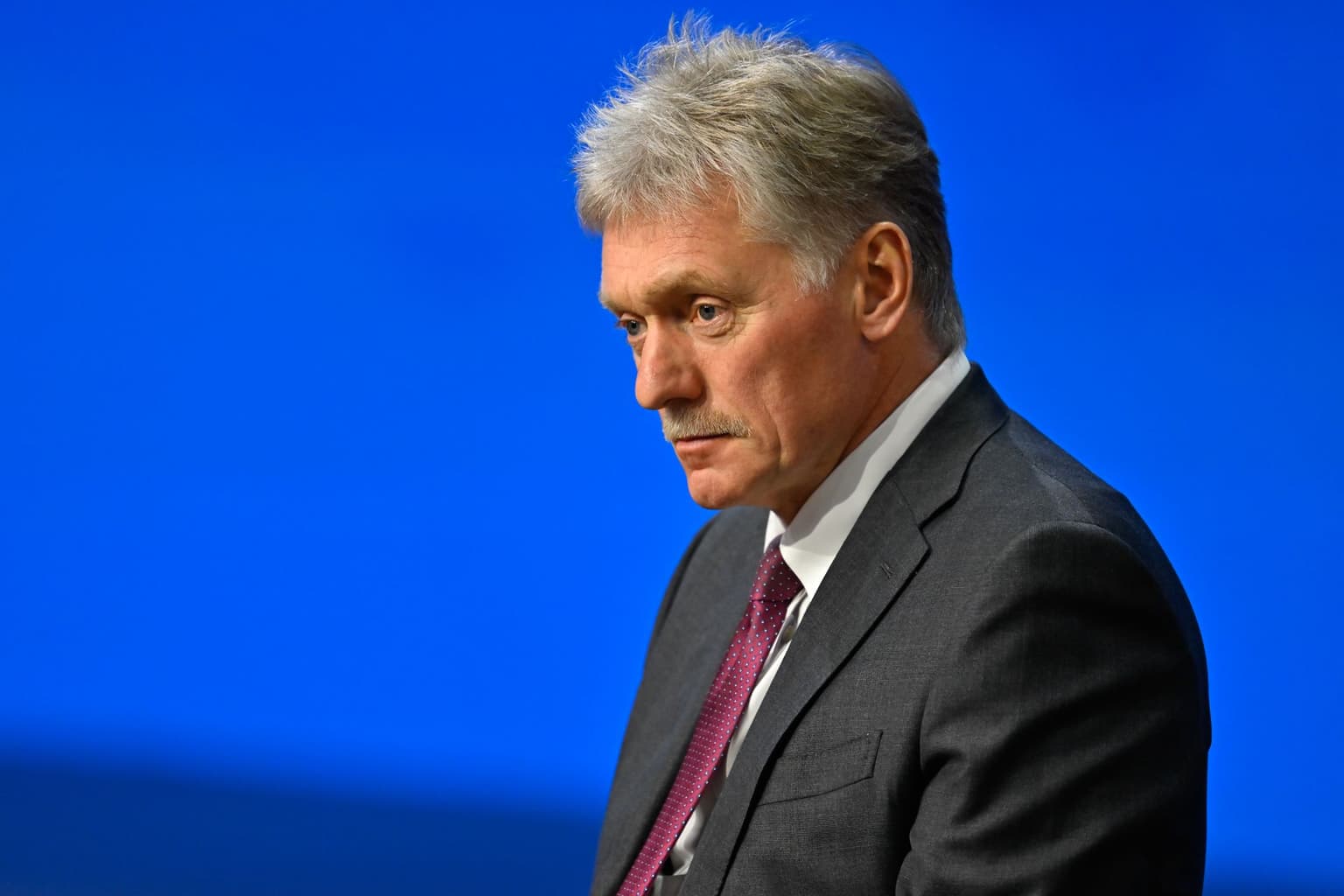
Russia is not negotiating with the United States over easing sanctions in exchange for the release of political prisoners because Moscow does not recognize the existence of political prisoners in the country, Kremlin spokesperson Dmitry Peskov said Sept. 30.
Peskov's remarks came after the Atlantic reported that the Trump administration was considering pressing Moscow to release political prisoners in exchange for sanctions relief and the restoration of some economic ties with Russia. The proposal was confirmed to the Kyiv Independent by people familiar with the matter.
"In this context, this issue was not discussed and could not be discussed, because we categorically deny the existence of any political prisoners and believe that framing the issue in this way is completely inappropriate," Peskov said.
The spokesperson added that the security services of Russia and the U.S. continue to maintain "regular contact" regarding "various exchanges."
Peskov's claim that Russia has no political prisoners conflicts with extensive documentation by human rights organizations of people imprisoned for political reasons. Some of them, like opposition leader Alexei Navalny, were killed in prisons.
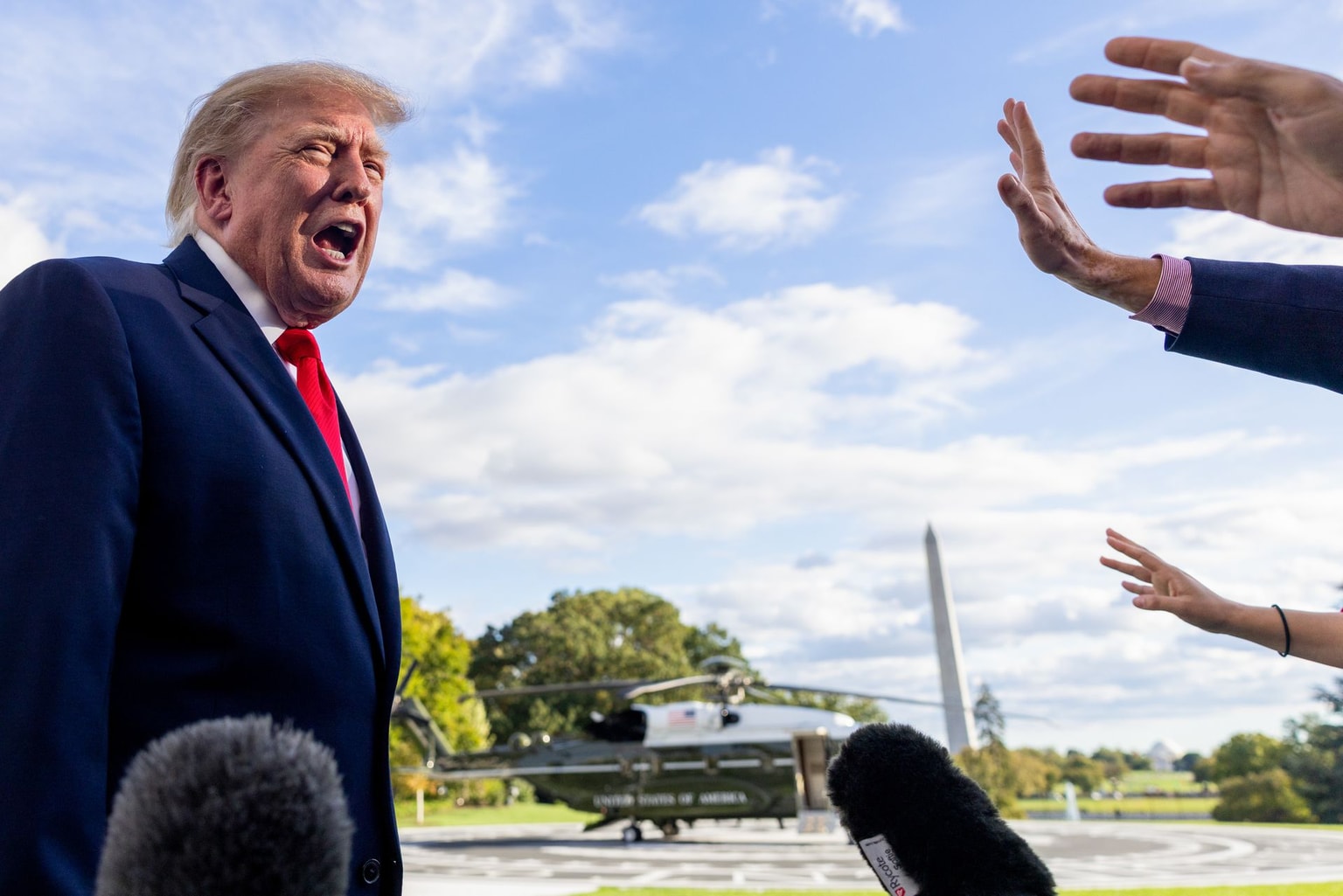
The proposal was reportedly backed by U.S. President Donald Trump and put forward by his special envoy for Belarus, John Coale. The plan would seek to secure the release of political prisoners in Russia while using sanctions relief as an incentive for Moscow.
Cole said on Sept. 23 that work on the issue had begun. On Sept. 28, the Trump administration proposed appointing him as special presidential envoy for hostage affairs.
Cole had previously said he helped secure the release of 700 political prisoners in Belarus using a similar approach. In March 2026, Cole said a broader agreement with Belarus could include sanctions relief and the restoration of diplomatic relations.
The reported Russia proposal has drawn opposition from some U.S. lawmakers. A bipartisan group of representatives urged Trump on Sept. 29 not to ease sanctions against Moscow.