Russia strikes Ukrainian pylon with steel-cutting drone for 1st time, as power outages hit 3 regions
 on Google
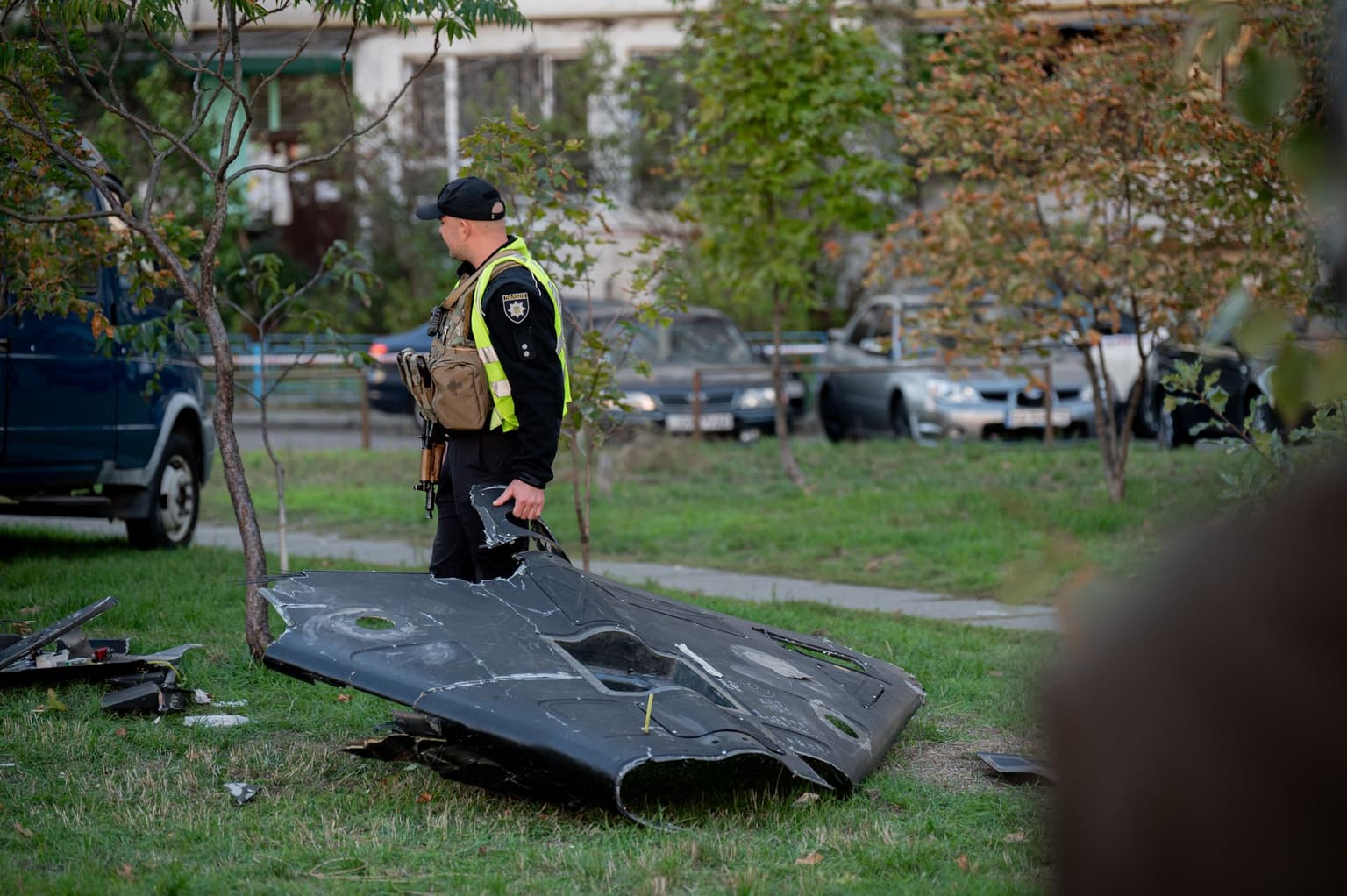
Russia has for the first time used a jet-powered drone equipped with a warhead designed to destroy high-voltage power pylons and steel bridge structures, presidential adviser Serhii "Flash" Beskrestnov said on Sept. 30.
The development comes as Moscow renews its large-scale campaign against Ukraine's energy system ahead of winter, launching its heaviest combined attack on energy infrastructure in months overnight on Sept. 30.
"Bad news. Today, the enemy for the first time used a special shaped-charge cutting warhead on a jet-powered unmanned aerial vehicle (UAV)," Beskrestnov, an adviser to President Volodymyr Zelensky on defense technologies, wrote on Telegram.
According to Beskrestnov, the warhead was developed specifically to destroy high-voltage pylons and steel bridge structures. It consists of a 40-kilogram main charge and four additional destructive modules.
"I think the enemy plans to attack important high-voltage power transmission lines," he said.
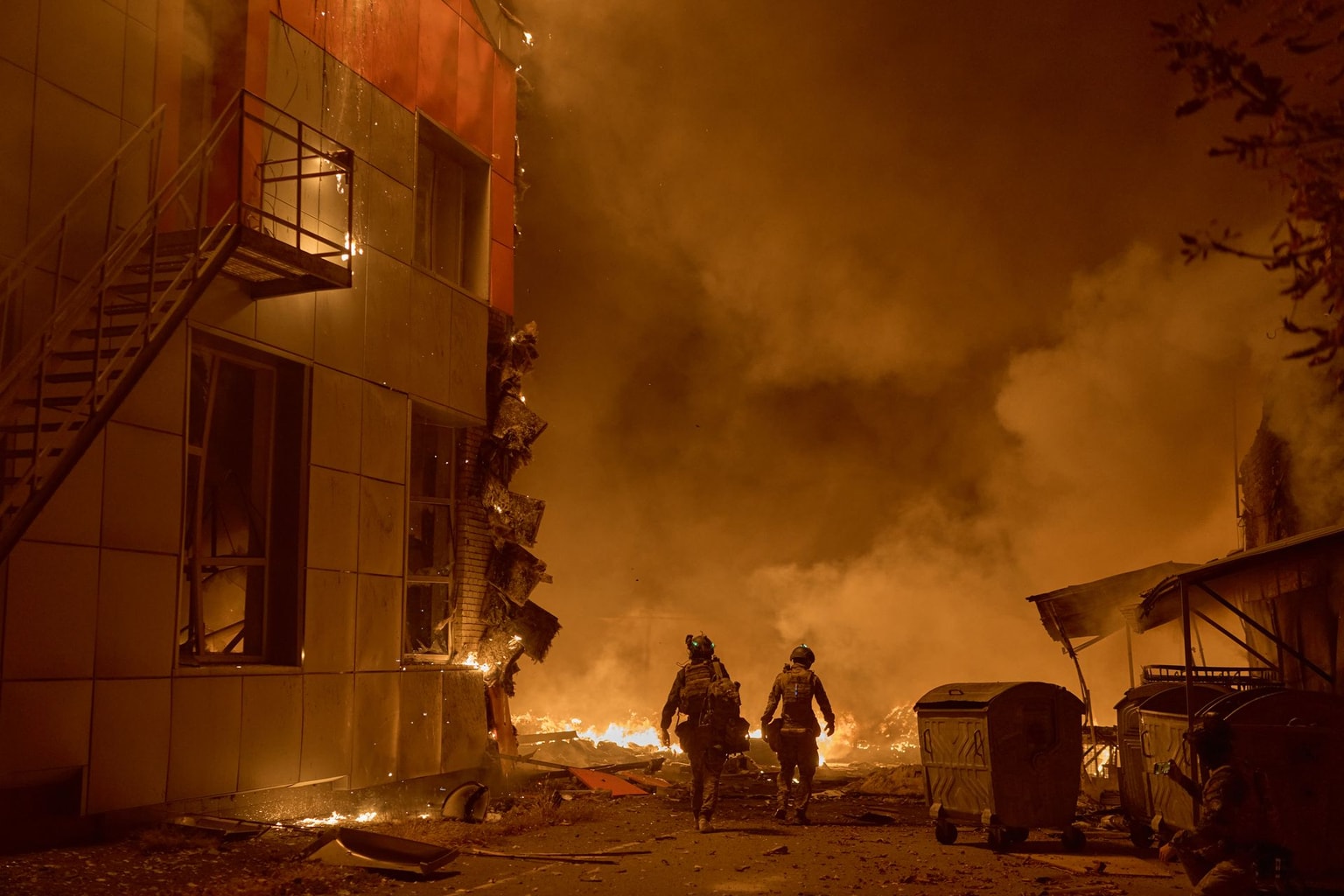
Russia's overnight assault involved nearly 190 attack drones as well as ballistic missiles, Zelensky said. Energy infrastructure in Kyiv and Kyiv Oblast was the primary target, while critical infrastructure was also struck in several other regions.
Ukraine's Air Force said that between 6:30 a.m. and 6:30 p.m. local time, Ukrainian air defenses intercepted 254 of 285 drones. Russian forces launched 174 jet-powered drones, 146 of which were intercepted by Ukrainian forces.
As of around 6:30 p.m., 10 drones remained in Ukrainian airspace, the Air Force said.
By the evening, emergency power outages had been introduced in the capital and surrounding region as well as in Chernihiv and Zhytomyr oblasts following repeated Russian attacks on energy infrastructure, according to the Energy Ministry.
Earlier in the morning, the ministry said some consumers in Kyiv and five oblasts had been left without electricity due to Russian strikes, although no nationwide restrictions were initially expected during the day.
The Sept. 30 attack marked a sharp escalation in Russia's renewed campaign against Ukraine's power system.
"Since the summer, there has been practically no day when the enemy has not attacked energy infrastructure. But such a massive and combined attack has occurred for the first time since the end of the last heating season," Prime Minister Serhii Koretskyi said following the attack.
Ukraine's electricity system was already under strain before the renewed fall attacks.
During the summer, increased demand put additional pressure on the grid during hot weather, while Russian attacks periodically caused temporary outages in different regions. Ukrenergo, Ukraine's state-owned national power grid operator, repeatedly urged consumers to reduce electricity use during peak hours.
Last winter, repeated Russian strikes severely damaged power and heating infrastructure across Ukraine, leaving thousands of homes without heat and power for prolonged periods during freezing temperatures.
Officials have warned that the upcoming winter could be even harsher than the last one. Ukraine has yet to secure funding for its 5.4 billion euro ($6.2 billion) energy resilience plan, according to previous reporting.
The renewed attacks are also coinciding with the first cold spell of the season. Ukraine's State Emergency Service warned that overnight temperatures could fall to between 0 and 3 degrees Celsius (32-37 Fahrenheit) across Ukraine from Oct. 1-3.