Missile alerts cost Ukraine $45 million for every hour businesses stop, economy minister says
 on Google
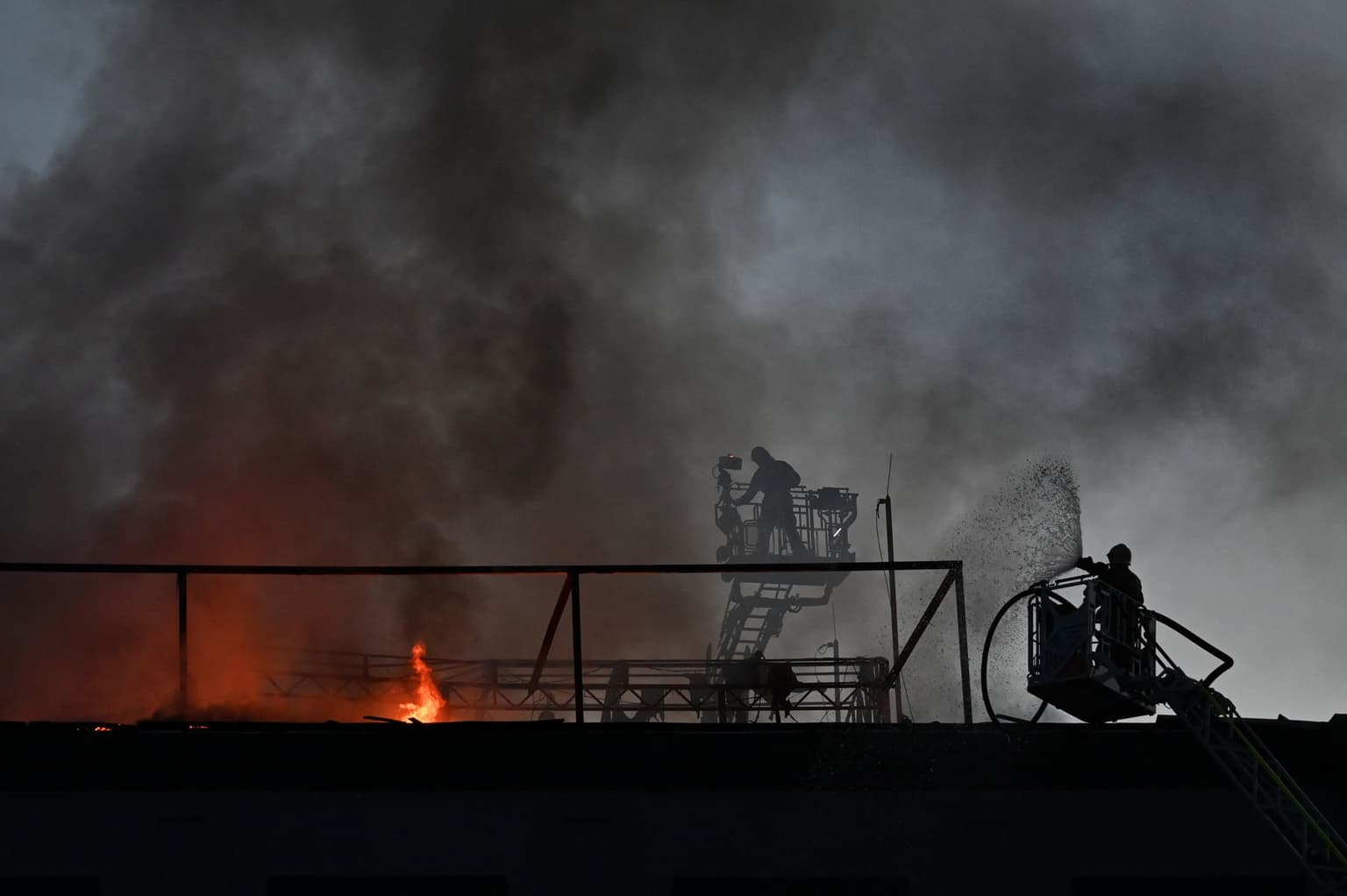
Missile alerts cost Ukraine an estimated $45 million for every hour they force businesses to stop operating, Economy and Environment Minister Oleksandr Kravchenko told the Guardian in an interview published on Sept. 30.
"If people are in a bunker, business stops," Kravchenko told the Guardian.
Kravchenko said prolonged missile alerts can bring large parts of the economy to a standstill as workers move into shelters, with some alerts lasting for hours.
Ukraine introduced a two-tier air raid warning system on Sept. 2 to reduce the economic disruption caused by prolonged alerts. Red alerts are issued when there is a missile threat and require businesses to halt operations and people to seek shelter. Yellow alerts warn primarily of drone threats and allow many businesses to continue operating.
Russia has intensified its aerial campaign against Ukrainian cities and critical infrastructure. Kravchenko said more than half of businesses continue operating during yellow alerts, but those warnings do not mean there is no danger.
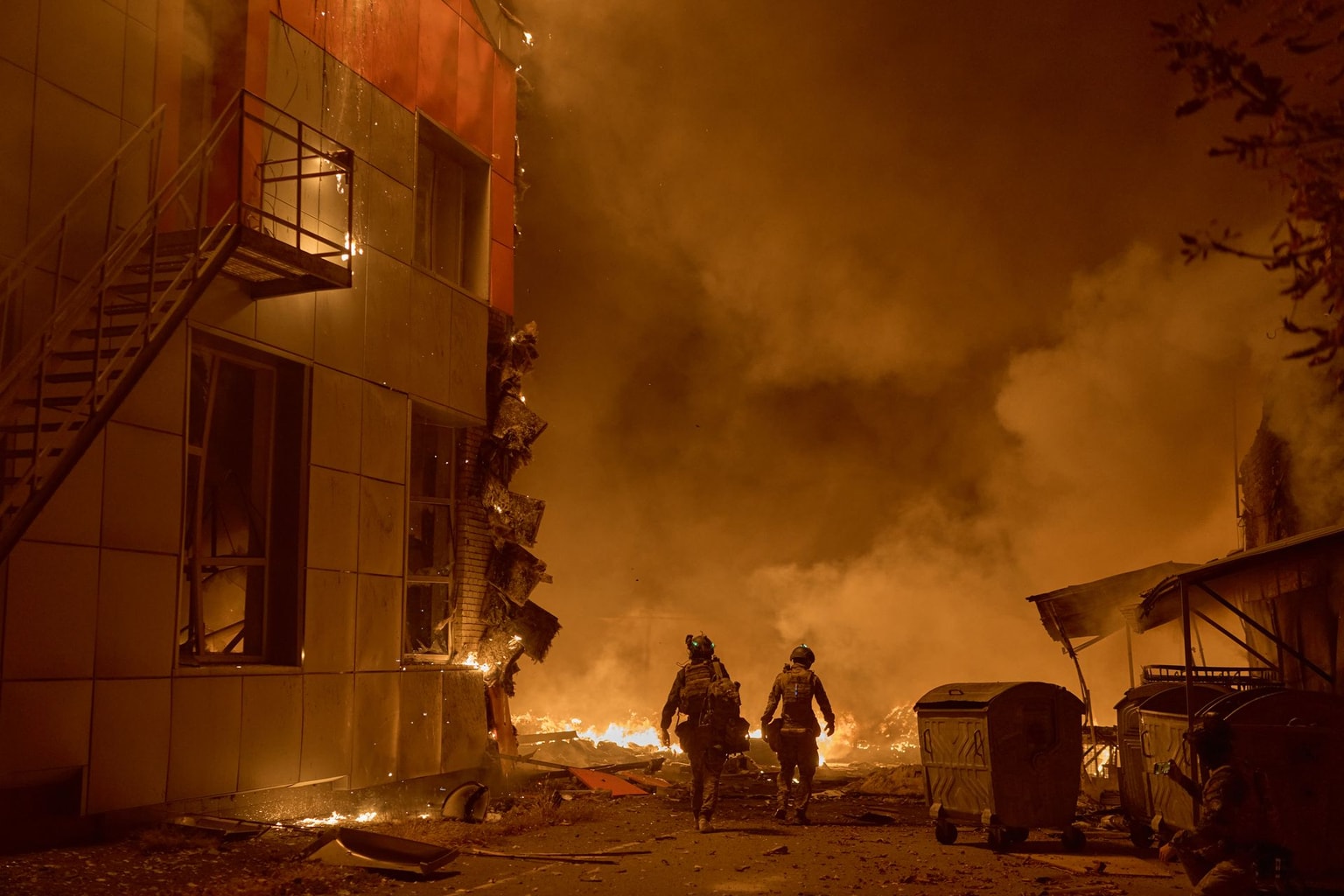
On Sept. 28, a Russian jet-powered drone struck the National Academy of Sciences building in central Kyiv during a yellow alert while employees were still inside. The attack killed an aide to former National Security and Defense Council Secretary Volodymyr Horbulin and injured others.
"What we had not fully anticipated was how quickly Russia would develop these jet-powered drones and use them to target everything," Kravchenko said.
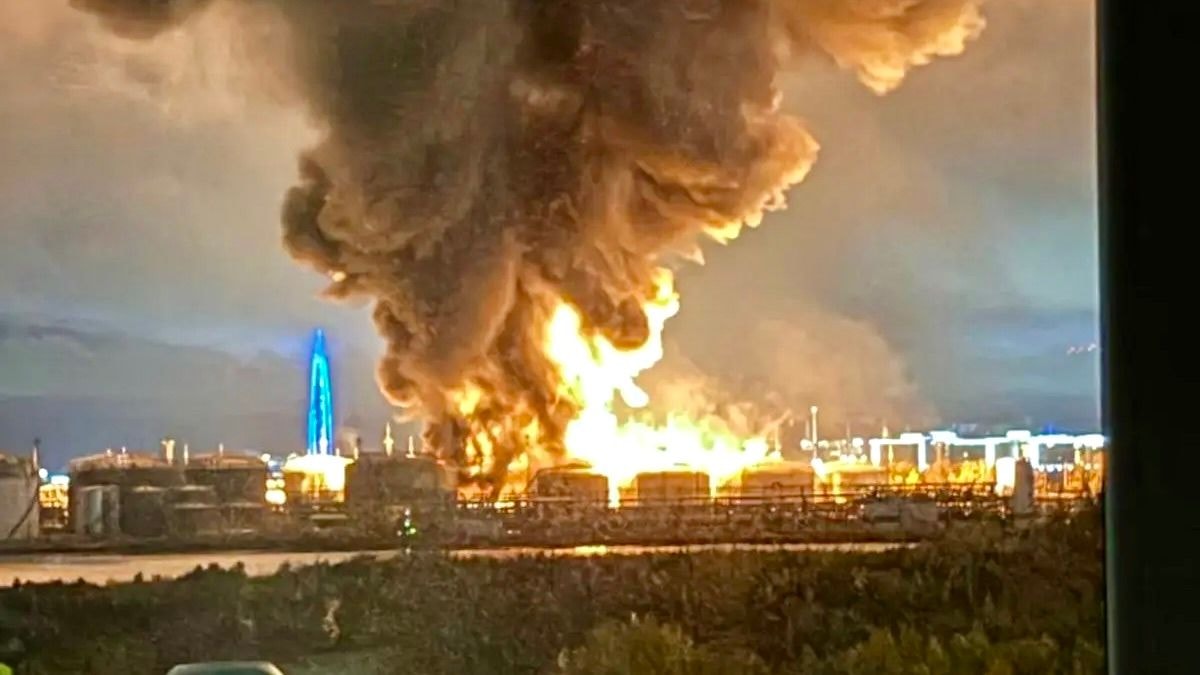
Russian attacks have caused an estimated $10 billion in damage to fixed assets in Ukraine this year alone, according to Kravchenko. Steel plants, warehouses, logistics hubs, and data centers have all been hit as Moscow increasingly targets infrastructure supporting the country's economy.
Russia has also stepped up attacks on Ukraine's Black Sea ports and maritime export infrastructure, adding pressure on one of the country's main trade routes.
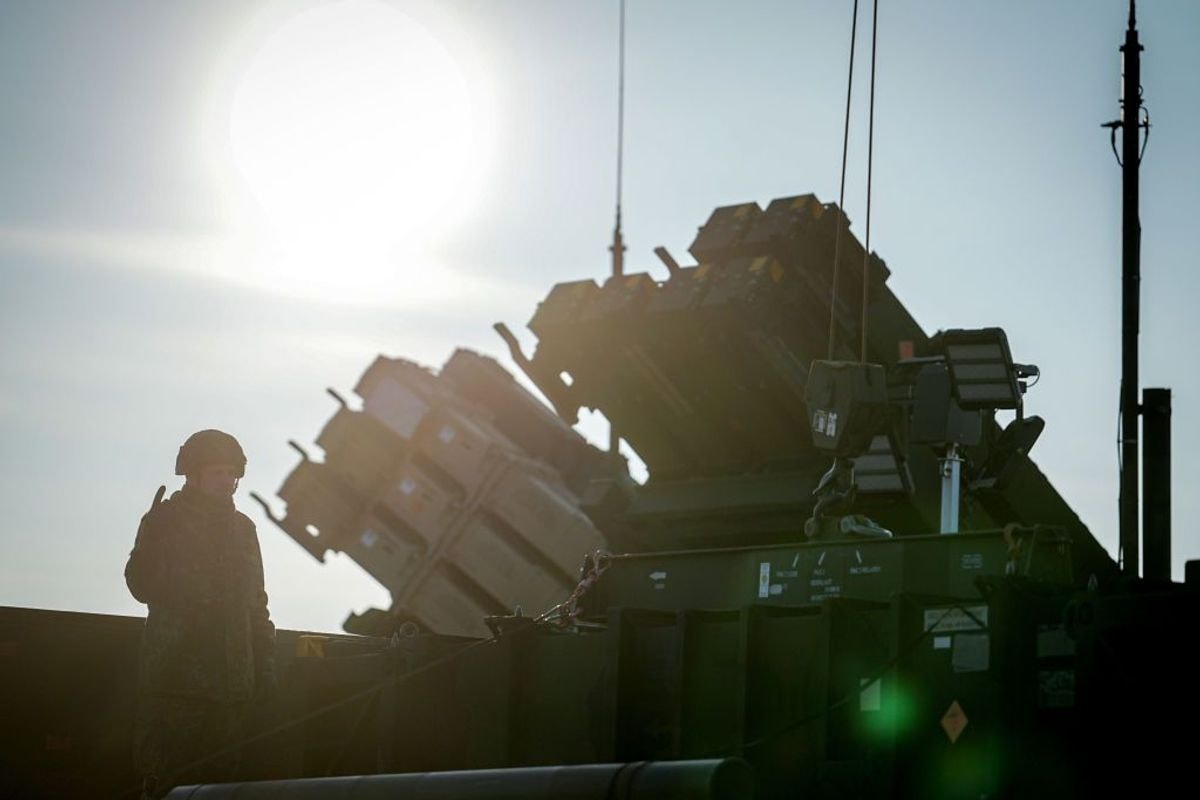
The government is now discussing ways to allow more private companies to purchase Ukrainian air-defense systems to better protect their facilities, Kravchenko said, while acknowledging that businesses cannot fully shield themselves from Russian missiles and drones.
The continuous damage is compounding pressure on Ukraine's state finances. Kravchenko said the government had reduced an estimated $27 billion budget shortfall this year to around $20 billion through spending cuts and additional domestic resources.
Kyiv seeks further support from the EU, Japan, Canada, and the U.K., including potentially bringing forward financing originally planned for next year.
"The cost of war is simply increasing," Kravchenko said, pointing to growing spending requirements for air defense and interceptor drones capable of countering Russia's newer jet-powered weapons.
Ukraine's external financing needs for 2027 are estimated at $52.6 billion, of which around $20 billion have been secured so far, according to the minister.