Russian troops confiscate Ukrainian drone-delivered food in occupied Oleshky as civilians injured by mines while fleeing, officials say
 on Google
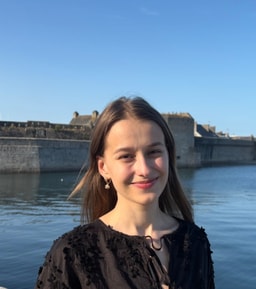
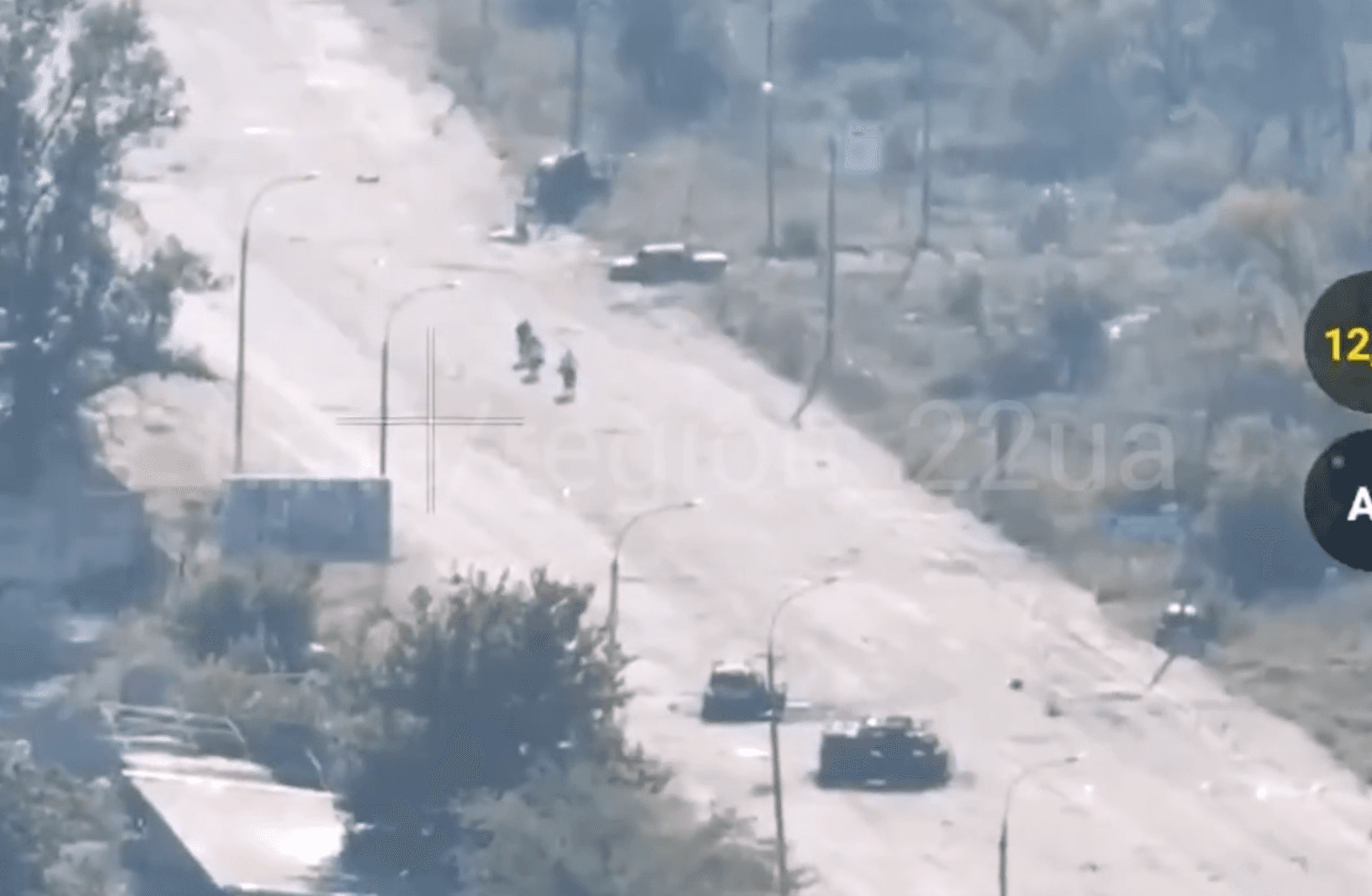
One person was killed and four others were injured by landmines in occupied Oleshky over the past day, while Russian forces confiscated food delivered by Ukrainian military drones and questioned residents found with non-Russian products, the local military administration head told the Kyiv Independent on Sept. 30.
Oleshky in Kherson Oblast has been under Russian occupation since the early days of the full-scale invasion. Residents face severe shortages of food, water, and electricity, while mines, constant drone attacks, and interrogations by Russian troops at checkpoints make it impossible to evacuate safely.
Tetiana Hasanenko, exiled head of the Oleshky City Military Administration, confirmed reports circulating on Telegram that four civilians were injured and one was killed by landmine explosions around Oleshky over the past day.
Hasanenko told the Kyiv Independent that four people were attempting to leave the town when they stepped on a mine and were injured, while a man collecting nuts was killed by another mine. The incidents occurred along routes used by civilians to leave the occupied town.
"These people left Oleshky at 6 a.m. and must have failed to spot something before stepping on a landmine. One woman suffered a back injury and injuries to her limbs. She was taken to the hospital on a bicycle. The others were transported in garden trolleys," Hasanenko said.
The local hospital, which is operating without basic medical supplies, electricity, or running water, is also struggling to function, Hasanenko said. Four doctors, all elderly former hospital staff, continue to work there, she said.
"But there are absolutely no medical supplies. The only thing they can do is stop the bleeding. There are no medicines," Hasanenko said.
Since Russia destroyed the nearby Kakhovka Dam in 2023, the hospital has had to rely on generators for electricity, but fuel supplies have also become increasingly difficult to obtain, according to Hasanenko.
Ukrainian forces had carried out food drops for residents several times this year, with the latest delivery totaling around four metric tons, Kherson Oblast Governor Oleksandr Prokudin said on Sept. 27.
Some Oleshky residents confirmed they found the packages in messages sent to Oleshky evacuation volunteer Kseniia Arkhipova.
At the same time, Hasanenko confirmed to the Kyiv Independent that some residents received packages while others did not. She added that Russian troops had taken some of the food delivered to residents.
According to Hasanenko, Russian forces also question residents found with products that were not manufactured in Russia, treating possession of such goods as possible evidence of cooperation with the Ukrainian military.
"They ask immediately: 'Where did you get this from?'" Hasanenko said. "And then they say: 'If the Armed Forces of Ukraine are dropping food to you, then you are cooperating with them.'"
Hasanenko also said residents continue to disappear in the occupied town after being detained by Russian forces.
"We have a family that disappeared without a trace. We don't know where they are. They were taken to a basement, and that was it. Whether they are alive or not is unknown," she said.
Kherson Oblast Governor Oleksandr Prokudin said Russian forces have attempted to disrupt the deliveries, including by shooting down the drones carrying food. The governor also accused Russian forces of confiscating or reselling humanitarian supplies and detaining residents who receive aid.
"The occupiers are detaining residents of Oleshky for receiving humanitarian aid parcels, throwing them 'into the cellar', beating them brutally and resorting to violence," Prokudin said.

The reports came amid a worsening humanitarian crisis in Oleshky. Ukraine's Foreign Ministry said that around 2,000 people, including nearly 50 children, remained in the occupied town with severely limited access to food, drinking water, electricity, and other basic services.
The U.N. Human Rights Monitoring Mission in Ukraine said no food supplies had reached the occupied town between May 26 and June 24.
Foreign Minister Andrii Sybiha said on Sept. 30 that Ukrainian intelligence had information that Russia was preparing to stage dozens of videos in occupied Oleshky, in which local residents would allegedly be forced to say they were "happy, well-fed, and grateful to Russian forces."
Sybiha said the planned videos were part of a weeks-long Russian propaganda campaign aimed at denying the humanitarian crisis in Oleshky. He called on international organizations to increase pressure on Moscow and demand immediate humanitarian access to the town.
On Sept. 25, Council of Europe Commissioner for Human Rights Michael O'Flaherty raised concerns about the worsening humanitarian situation in Oleshky. O'Flaherty said civilians, including children, were struggling to access food, medicine, medical care, clean water, and electricity, warning that some could face a serious risk to their lives.
O'Flaherty said international humanitarian law requires occupying authorities to ensure civilians have access to food and medical supplies and to facilitate the delivery of humanitarian aid.