How Ukraine angered South Korea — and why it matters
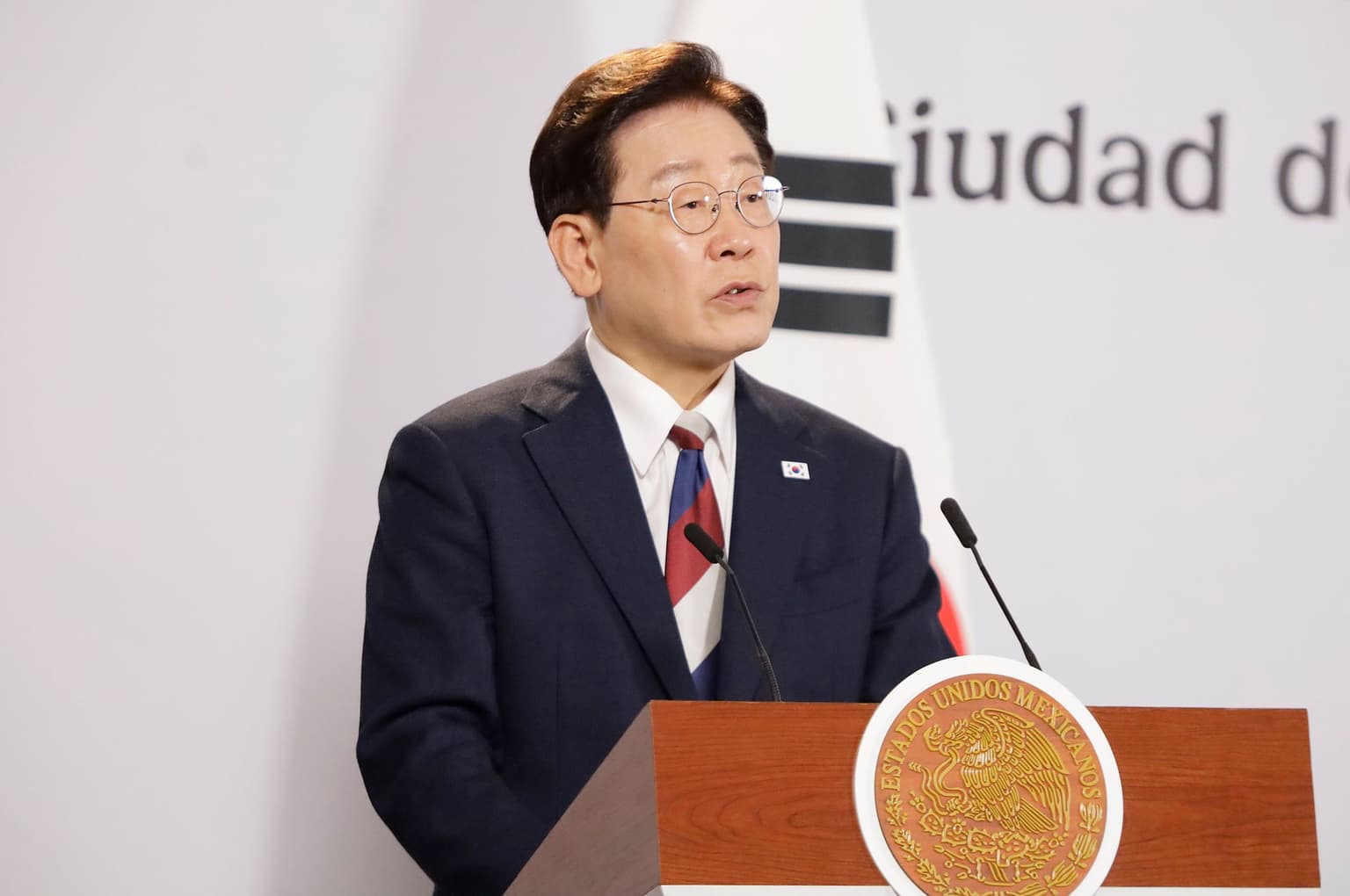
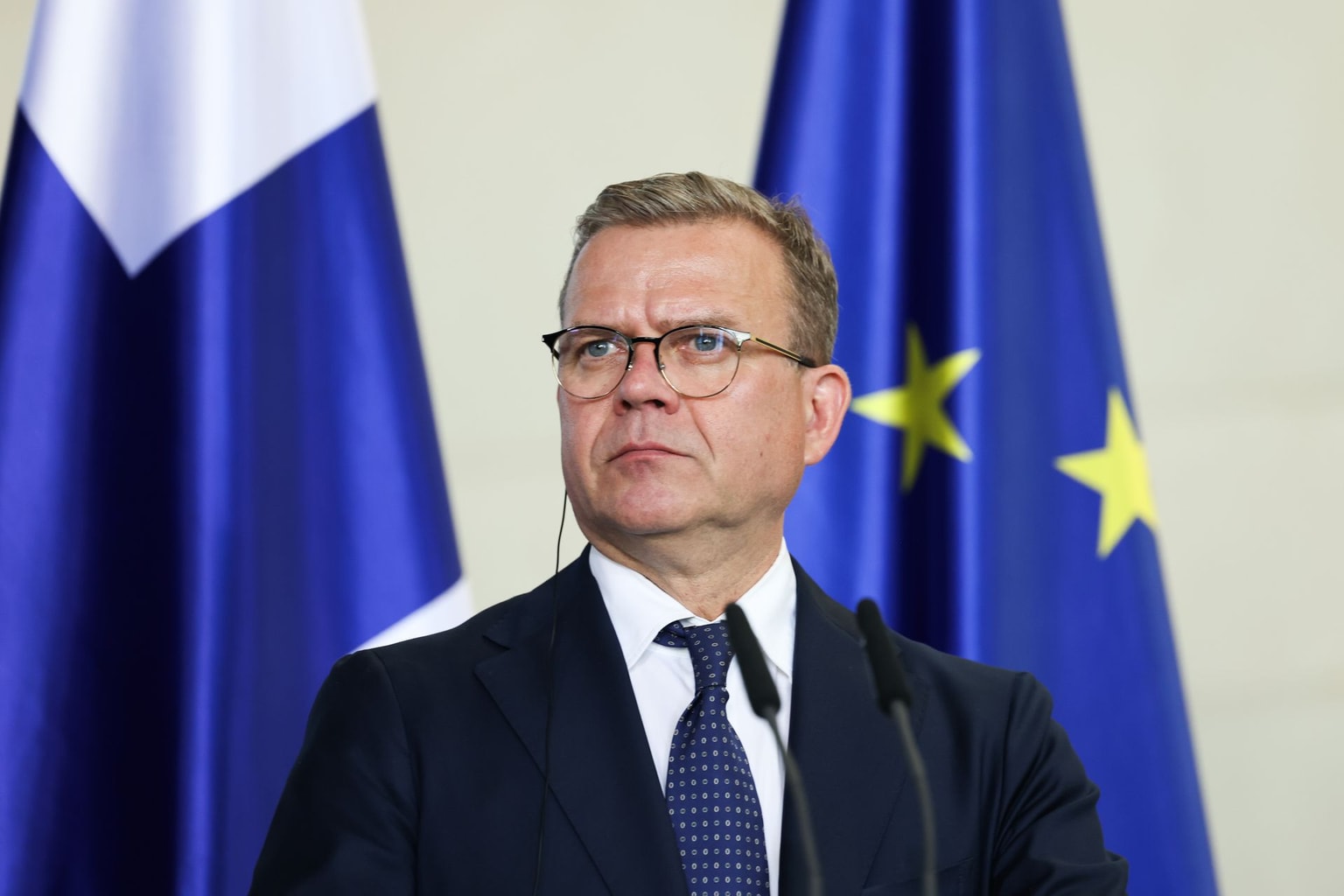
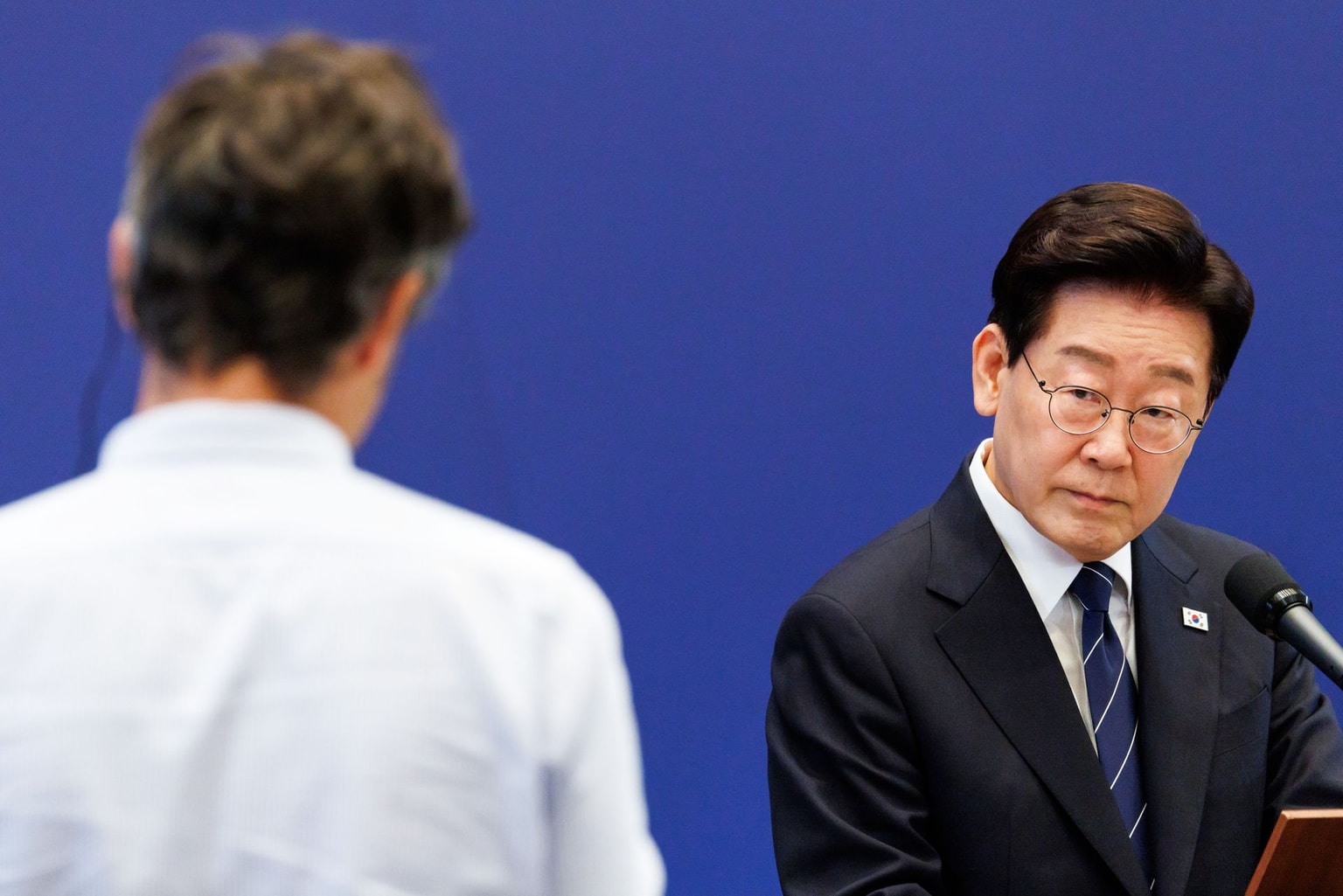
Lee Jae-myung, president of South Korea, holds a press conference at the National Palace in Mexico City, on Sept. 24, 2026. (Gerardo Vieyra/NurPhoto via Getty Images)
 on Google
Ukraine just angered another partner — one sitting on an arsenal of weapons that Kyiv wants.
President Volodymyr Zelensky’s Sept. 23 announcement at the U.N. General Assembly that Ukraine’s two North Korean prisoners of war (POWs) were sent to South Korea was not well received in Seoul.
"It was appropriate in every aspect not to disclose, considering the many problems it may cause when disclosed, and (we) had agreed to do so," South Korean President Lee Jae Myung responded, claiming that Kyiv broke a non-disclosure agreement.
South Korea’s Foreign Ministry stepped up pressure on Sept. 28 by summoning Ukraine's envoy to issue a protest.
Officials in Seoul have warned that revealing sensitive information about the POWs transfer could have security and diplomatic ramifications — and threaten the captives’ families.
As South Korea demands an apology and an explanation, the episode adds to a string of diplomatic mishaps that are marring Ukraine’s relations with international partners amid the Russian invasion.
It also comes a little over a month after Zelensky made another overture for South Korean weapons — this time, for air defenses that would protect Ukraine from Russian ballistic missiles.
Why is South Korea angry?
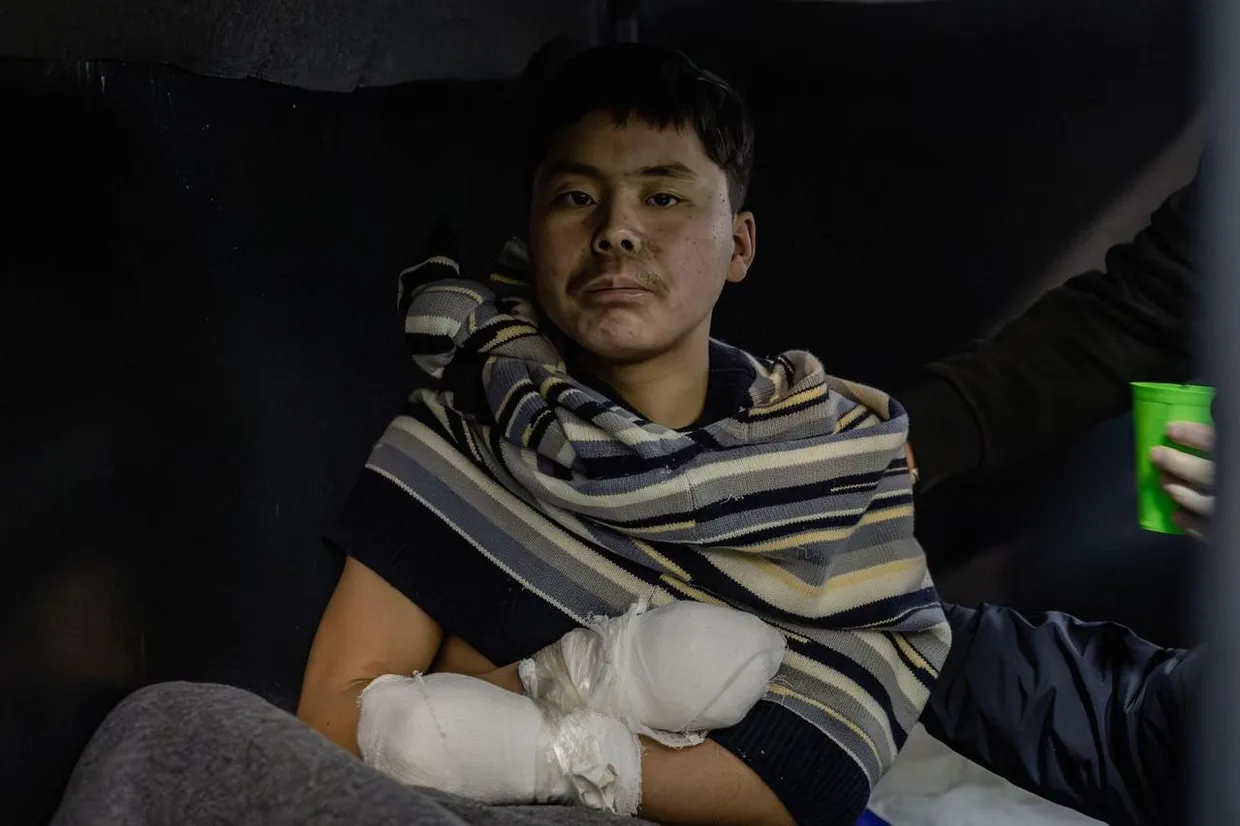
Kyiv announced in January 2025 that it had captured two North Korean soldiers during battles in Russia's western Kursk Oblast.
The two were among the many thousands dispatched by North Korean dictator Kim Jong Un in 2024 to bolster Russian forces in the border region, making North Korea the only country to send its serving forces to fight on Moscow’s side to date.
The POWs have reportedly expressed a desire to defect to South Korea, and the Ukrainian and South Korean leaders agreed in July to handle the matter in accordance with the captives’ wishes and humanitarian principles.

Yet Seoul has kept a tight lid on the details, previously declining to confirm whether they had arrived in South Korea, citing potential risks to their families.
The Kim regime views families of defectors as suspect, rendering them targets of harsher repression, surveillance, and forced relocation, according to media and NGO reports.
In addition to the personal safety of those involved, Lee raised concerns about potential diplomatic and security ramifications for the Korean Peninsula.
Seoul and nuclear-armed Pyongyang have been locked in a bitter rivalry since the 1950-53 Korean War, leaving the peninsula divided between two heavily armed states.
Zelensky’s announcement came mere days after North Korea launched two ballistic missiles off its eastern coast, not long after it issued threats over the joint U.S.-South Korea military drills.
Tensions in the region remain high even as U.S. President Donald Trump and his South Korean counterpart seek to de-escalate — with Lee even urging Washington to ease sanctions in exchange for the "freezing" of North Korea’s nuclear program.
The incident with Ukraine also left Lee, from the liberal Democratic Party (DPK), open to criticism from the domestic opposition.
Park Sung-hoon, a lawmaker from the conservative People Power Party (PPP), demanded that the South Korean administration explain why the transfer was kept confidential and what agreements Kyiv has breached.
"One side claims an agreement was violated, while the other maintains that no such agreement existed," Park said, as reported by South Korean media. "Instead of pointing fingers, the government must first disclose the actual details of the agreement to the public."
Crossed diplomatic wires
It remains unclear what the origin of the diplomatic confusion was, with both sides offering a different account.
"There was no such agreement (to keep the transfer a secret)," Dmytro Lytvyn, Zelensky’s advisor, said on social media on Sept. 25.
In later comments for the Kyiv Independent, Lytvyn added that it would be "strange to simply quietly send these people somewhere."
"From the whole story — and it is a long and detailed one — we only reported the fact that they had been sent to (South Korea)," Lytvyn said.
There are signals that South Korea was not completely in the dark about Zelensky’s planned announcement.
An undisclosed South Korean presidential official told the Korea Times that Kyiv has informed Seoul of its intention — but allegedly only in vague terms, without detailing how the transfer would be presented.
South Korea’s government blasted the Ukrainian denial of a non-disclosure agreement as a "falsehood… (that) seriously undermines trust between the two governments and is an action that can cause problems for friendly ties."

This is not the first time in recent months that steps or communication from Zelensky’s office has led to a diplomatic faux pas or an outright clash with Ukraine's partners or neighbors.
Earlier this month, Zelensky unveiled a new regional forum called Carpathian Eight, supposedly including eight EU and non-EU countries sitting next to the Carpathian Mountains.
Hungarian Prime Minister Peter Magyar, whose country was meant to be one of the "eight," promptly corrected Zelensky, saying that Budapest is not taking part in the initiative.
A more serious rupture appeared between Ukraine and Poland in the summer, when Zelensky granted a military unit a name in honor of the World War II-era Ukrainian Insurgent Army (UPA), an underground organization that fought against Soviet rule.
The step sparked a sweeping condemnation in Poland, where the UPA is seen chiefly as an organization that took part in the 1943-45 Volyn massacres — mass killings of Polish civilians in what is now western Ukraine, then under Nazi occupation.
Poland’s right-wing President Karol Nawrocki stripped Zelensky of Poland’s highest state order, and even Ukraine-friendly Polish Prime Minister Donald Tusk criticized Kyiv’s move, albeit trying to contain the fallout.
read also
Poor signal for military aid
Owing to the unending tensions with its northern neighbor, South Korea boasts one of the largest arms arsenals in the world.
The Stockholm International Peace Research Institute (SIPRI) names South Korea the world’s ninth-largest arms exporter, accounting for 3% of global arms sales between 2021 and 2025.
For Ukraine, this makes Seoul a tempting source of materiel needed to fend off Russian aggression.
After warning in August that Russia may ask Pyongyang for tens of thousands of fresh troops, Zelensky called upon South Korea to provide Ukraine with air defense systems.
Kyiv’s reasoning is simple — North Korea’s deepening ties with Moscow help it gain valuable combat experience for its soldiers, as well as ballistic missile technology, thus threatening security of the peninsula.
The best response on Seoul’s part would be deeper cooperation with Kyiv, Zelensky argued.
South Korea’s military operates Patriot air defense systems, which are also a key line of Ukraine’s defense against Russian ballistic missiles. Patriot interceptors are in high demand worldwide as the U.S.-Iran war has depleted much of the American stockpile.

The Asian country is also rolling out its homegrown air defenses, known as Cheongung-II, which can shoot down short- and medium-range ballistic missiles.
On top of that, South Korea boasts an arsenal of K9 self-propelled 155 mm howitzers and shells, rocket launchers, tanks, and other weapons that would likely be useful on the Ukrainian battlefields.
But South Korea — yet again — turned down Zelensky’s request for arms.
The country maintains that selling weapons to an active conflict zone is against its law, and has limited its assistance to Ukraine to humanitarian and other non-lethal aid.
Nevertheless, reports from earlier in the war suggest that workarounds are possible.
The Washington Post reported in December 2023 that South Korea indirectly supplied large quantities of artillery shells to Ukraine through a behind-the-scenes agreement with the U.S.
The latest diplomatic spat and the apparent breach of trust are unlikely to bring a similar clandestine agreement any closer, however.
Tim Zadorozhnyy contributed reporting.