Ukraine war latest: Crimea now 'zone of constant losses' SBU says, after strikes on Russian air defenses, military airfields
 on Google
Key developments on June 24:
- Crimea now 'zone of constant losses' SBU says, after strikes on Russian air defenses, military airfields
- Russia redeploys air defenses to Moscow, Kerch Bridge as Ukrainian strikes intensify, military intelligence says
- Belarus halts equipment used to guide Russian strikes, Zelensky says, after Ukraine's ultimatum
- Skelia assault regiment under investigation following report of 26 noncombat deaths, alleged abuse
- Moscow Oil Refinery unlikely to resume operations this year, Reuters reports
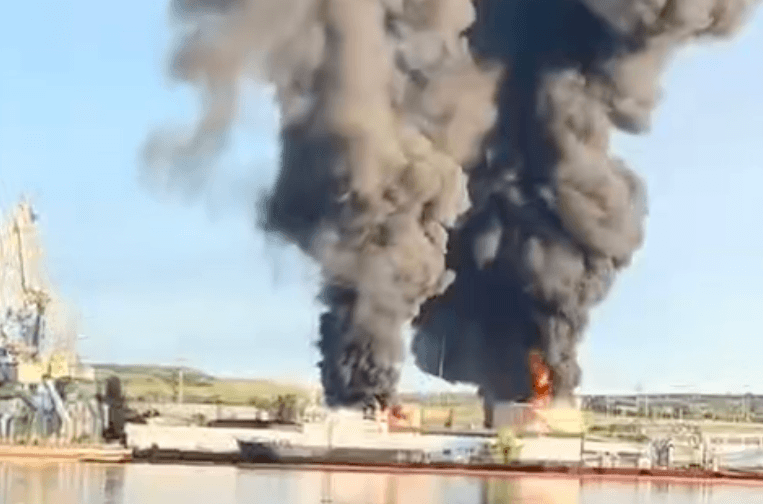
Ukraine struck Russian air defense systems and military airfield infrastructure in occupied Crimea, as well as strategic industrial facilities in Russia's Orenburg Oblast, the Security Service of Ukraine (SBU) and the Special Operations Forces said on June 24.
Drone operators from the "Alpha" Special Operations Center carried out strikes on infrastructure in the Kerch Strait area, as well as at the Saky and Hvardiiske military airfields, the SBU said.
The operation damaged four aircraft storage hangars at the Saky military airfield. Near Kerch, Ukrainian forces also struck two components of a Russian S-400 air defense system and two Pantsir-S1 air defense systems.
"Russian occupiers are losing control of Crimea's skies," the SBU said.
The confirmation follows overnight reports of explosions and widespread power outages across occupied Crimea. Monitoring channels also reported strikes against energy infrastructure on the peninsula and a gas processing plant in Russia's Orenburg Oblast.
Power outages followed after explosions were recorded at the Simferopol Power Station, according to Telegram news channel Exilenova Plus.
Meanwhile, Sevastopol's main electric substation was struck several times, leaving the entire city without power, pro-Ukrainian Telegram news channel Crimean Wind reported.
The attack comes as Russian-installed authorities said widespread power outages have left about half of the peninsula without electricity.
Gas stations in occupied Crimea have also been instructed to fully suspend fuel sales to civilians from June 21 as Ukraine steps up drone strikes on energy infrastructure across the peninsula.
"The SBU will continue methodically turning Crimea into a zone of constant losses for Russian forces until they leave the Ukrainian peninsula," the agency said.
read also
Russia redeploys air defenses to Moscow, Kerch Bridge as Ukrainian strikes intensify, military intelligence says
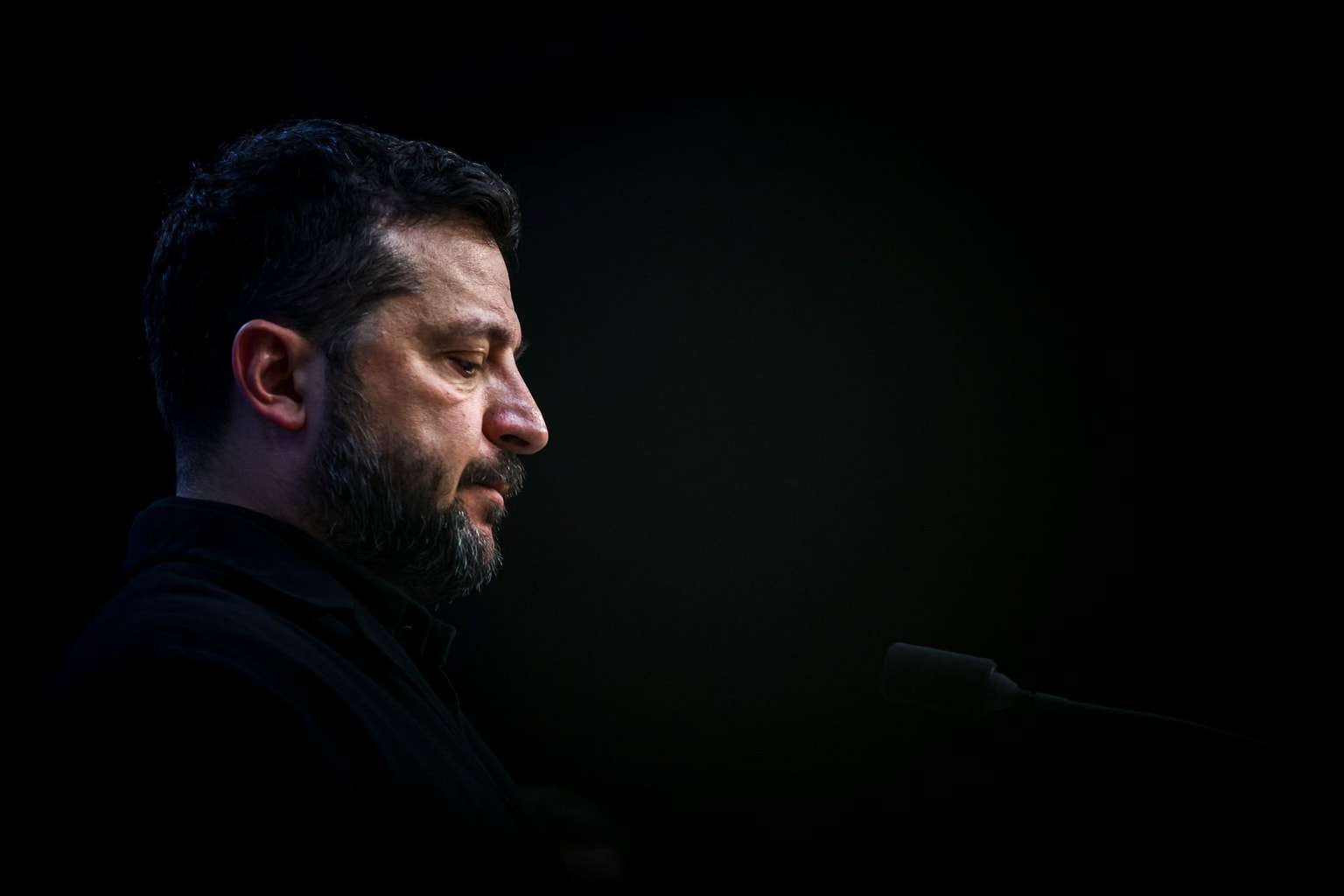
Ukraine's long-range strike campaign has forced Russia to redeploy air defense systems to protect Moscow and the Kerch Bridge, weakening coverage in other Russian regions and occupied territories, President Volodymyr Zelensky said on June 24, citing military intelligence (HUR).
"In practice, these are the two areas the Russians have been ordered to defend at the expense of weakening other sectors of their territory and the temporarily occupied territories of Ukraine," Zelensky said after a meeting with Ukraine's military intelligence chief Oleh Ivashchenko.
The statement came after Ukraine launched two attacks on Moscow within a week, damaging a local oil refinery, and stepped up strikes on occupied Crimea as part of its plan for a "logistical lockdown."
The Kerch Bridge, also known as the Crimean Bridge, previously suffered heavy damage in Ukrainian attacks in October 2022 and July 2023.
Despite these strikes, Russia has worked to maintain the bridge's operational status due to its strategic and symbolic importance. Yet the bridge, vital for supplying provisions and fuel to Russian forces, has been repeatedly disrupted by recent Ukrainian strikes.
Belarus halts equipment used to guide Russian strikes, Zelensky says, after Ukraine's ultimatum
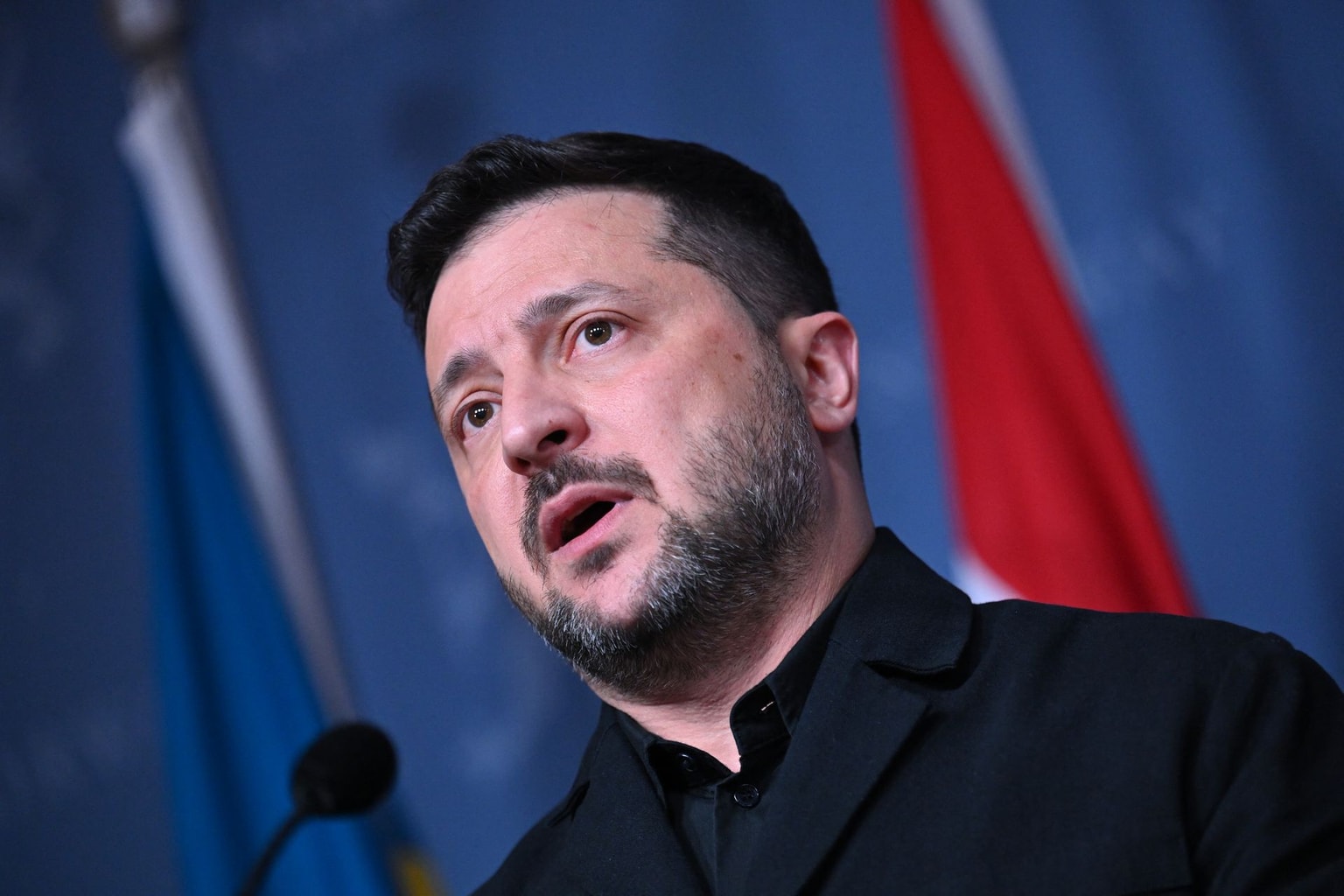
Communications equipment that Ukraine says was helping support Russian drone strikes from Belarusian territory has stopped operating, President Volodymyr Zelensky told reporters on June 24, days after issuing an ultimatum to Belarusian ruler Alexander Lukashenko.
The development follows Zelensky's warning to Minsk that Belarus had one week to remove the equipment or face unspecified action from Ukraine.
"According to the information I received... the equipment stopped operating on the Belarusian territory as of June 22," Zelensky said. "Whether it has been dismantled or not, I honestly don't know yet."
"The fact is that, as of today, the equipment is no longer operating."
The Ukrainian president previously said the systems consisted of relay equipment mounted on communications towers and were being used to support Russian drone attacks against Ukraine.
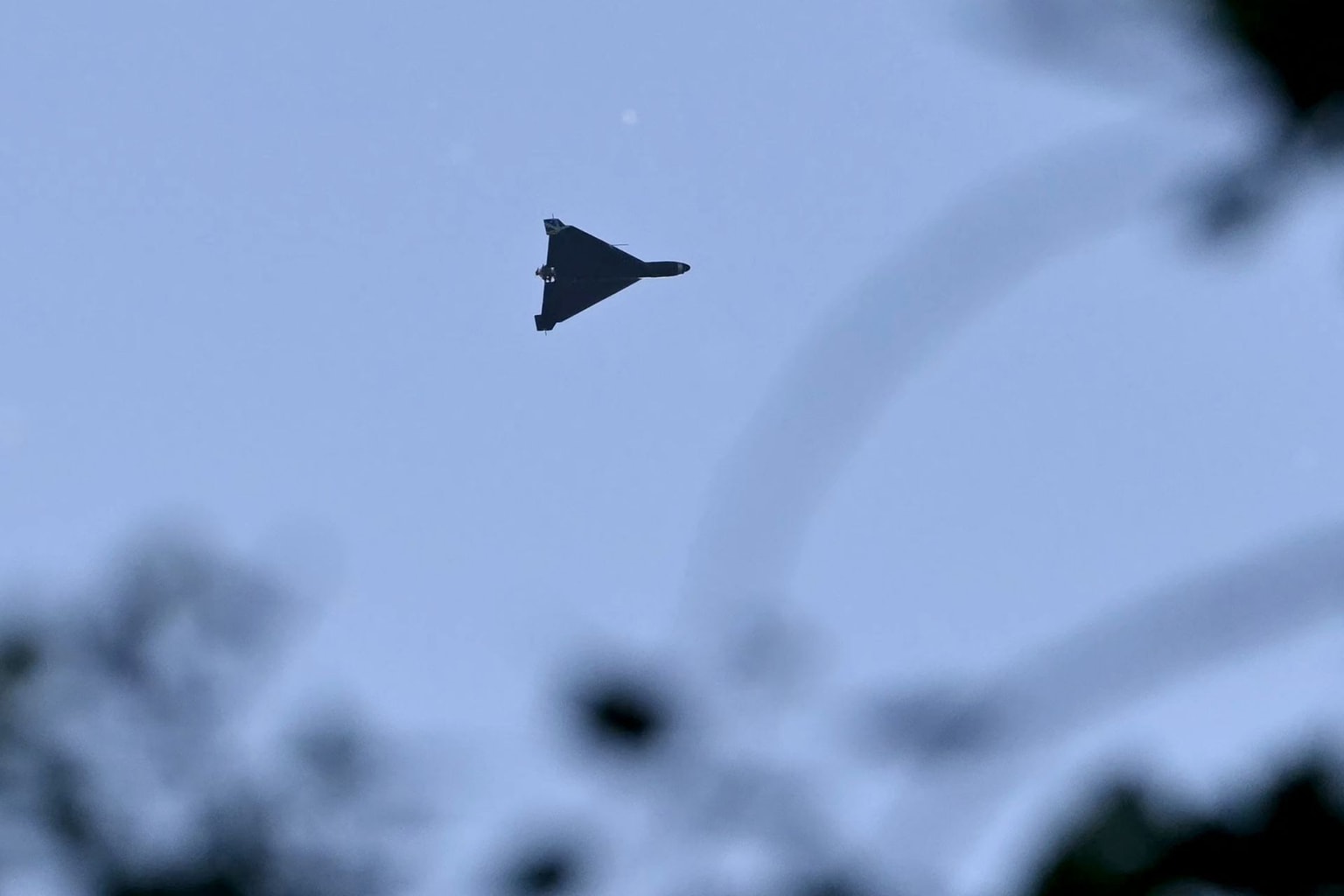
Russia's Shahed-type attack drones are known to rely on radio communications networks and ground-based infrastructure to navigate during long-range strikes.
Ukrainian border guards have recorded a drop in the number of Russian attack drones entering northern Chernihiv Oblast, while large Shahed drone raids along the Belarus-Ukraine border have ceased, State Border Guard spokesperson Andrii Demchenko said on June 24.
Lukashenko, who has ruled Belarus since 1994, remains one of Moscow's closest allies and has provided political and military support to Russia throughout its full-scale war against Ukraine.
ollowing Zelensky's ultimatum, Kremlin spokesperson Dmitry Peskov accused Kyiv of displaying "aggression" and violating Belarus's sovereignty.
The Kremlin also said on June 22 that Russian President Vladimir Putin and Lukashenko planned to meet in the near future to discuss Zelensky's warning to Minsk.
Skelia assault regiment under investigation following report of 26 noncombat deaths, alleged abuse
Ukraine's State Bureau of Investigation has launched a pre-trial investigation into the 425th Separate Assault Regiment, known as Skelia, following allegations of abuse within the unit and at least 26 noncombat deaths among recruits, the agency said on June 24.
The development follows an investigation published by Ukrainian outlet Babel on June 23, which cited testimonies from current and former soldiers, relatives of mobilized service members, as well as medical records, court documents, and forensic examinations.
Skelia is one of Ukraine's largest assault formations, with more than 10,000 personnel. Expanded as part of an effort by Commander-in-Chief Oleksandr Syrskyi to build specialized assault units, the regiment receives a large share of newly mobilized recruits and is regularly assigned high-risk assault operations.
According to the investigation, at least 26 service members died between late 2025 and spring 2026, many shortly after mobilization and training. Relatives and former soldiers alleged that the regiment was plagued by inadequate medical care, coercion, and physical abuse.
The State Bureau of Investigation said it is verifying the allegations cited in the report and examining whether military officials exceeded their authority and official powers under martial law, resulting in serious consequences.
Ukraine's Human Rights Commissioner Dmytro Lubinets said he had also requested that the SBI and the Specialized Defense Prosecutor's Office conduct a "full, objective, and impartial investigation" into reports of possible rights violations within the regiment.
"My position is clear: any violations of human rights, especially under martial law, are unacceptable and require an immediate response," Lubinets said.
Moscow Oil Refinery unlikely to resume operations this year, Reuters reports
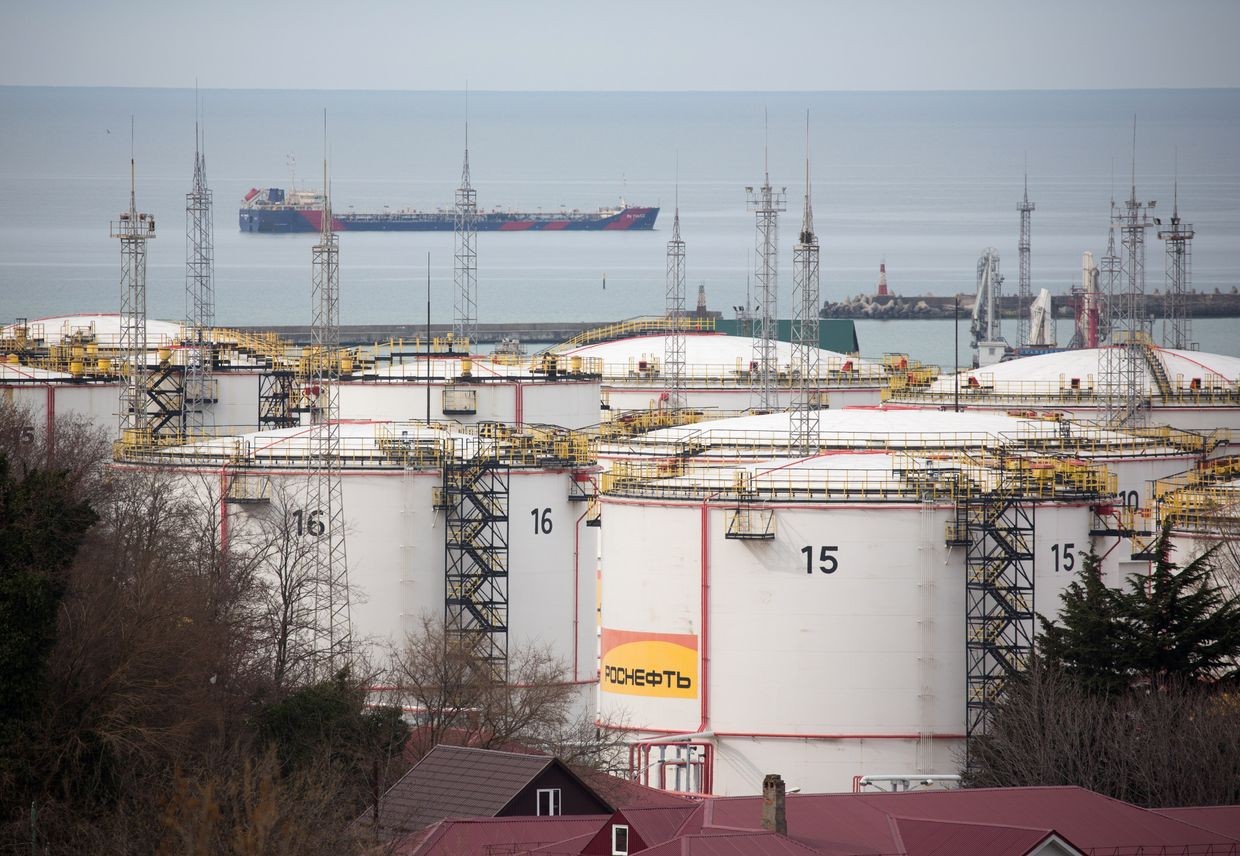
Moscow's largest oil refinery is unlikely to resume production this year after suffering extensive damage in recent Ukrainian drone attacks, Reuters reported on June 24, citing industry sources.
Located in Moscow's Kapotnya district, the Moscow Oil Refinery is the primary supplier of gasoline and diesel fuel to the Russian capital and the surrounding Moscow region. The facility was struck twice by Ukrainian drones earlier this month, forcing it to halt operations.
According to two sources familiar with the matter, repairs at the refinery are expected to take at least six months, potentially keeping the facility offline through the end of 2026.
"It will take at least half a year to repair," one industry source told Reuters.
The Moscow Oil Refinery is operated by Gazprom Neft, one of Russia's largest oil companies. According to the latest available data, the facility processed 11.6 million metric tons of crude oil in 2024. It also produced 2.9 million tons of gasoline and 3.2 million tons of diesel fuel, making it one of Russia's most important refining facilities.
The outage is expected to add pressure to Russia's fuel market, which has already experienced shortages, rising prices, and supply disruptions following repeated attacks on refining infrastructure across the country.