Putin comments on Ukrainian strikes for first time since attacks on Moscow
 on Google
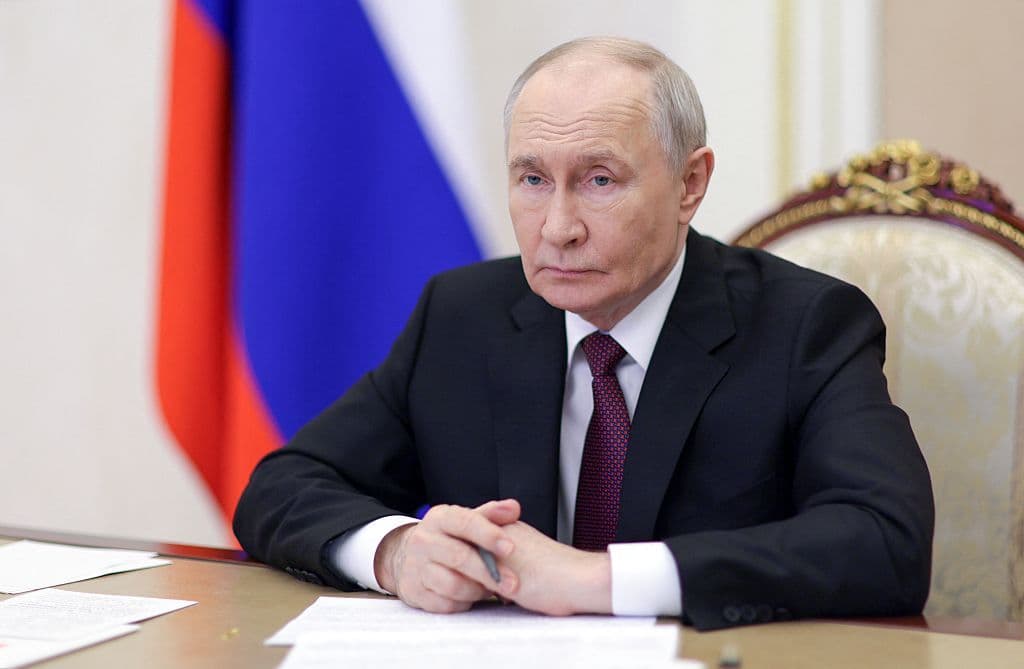
Russian President Vladimir Putin spoke publicly about Ukraine's attacks on infrastructure during a Kremlin briefing on June 23.
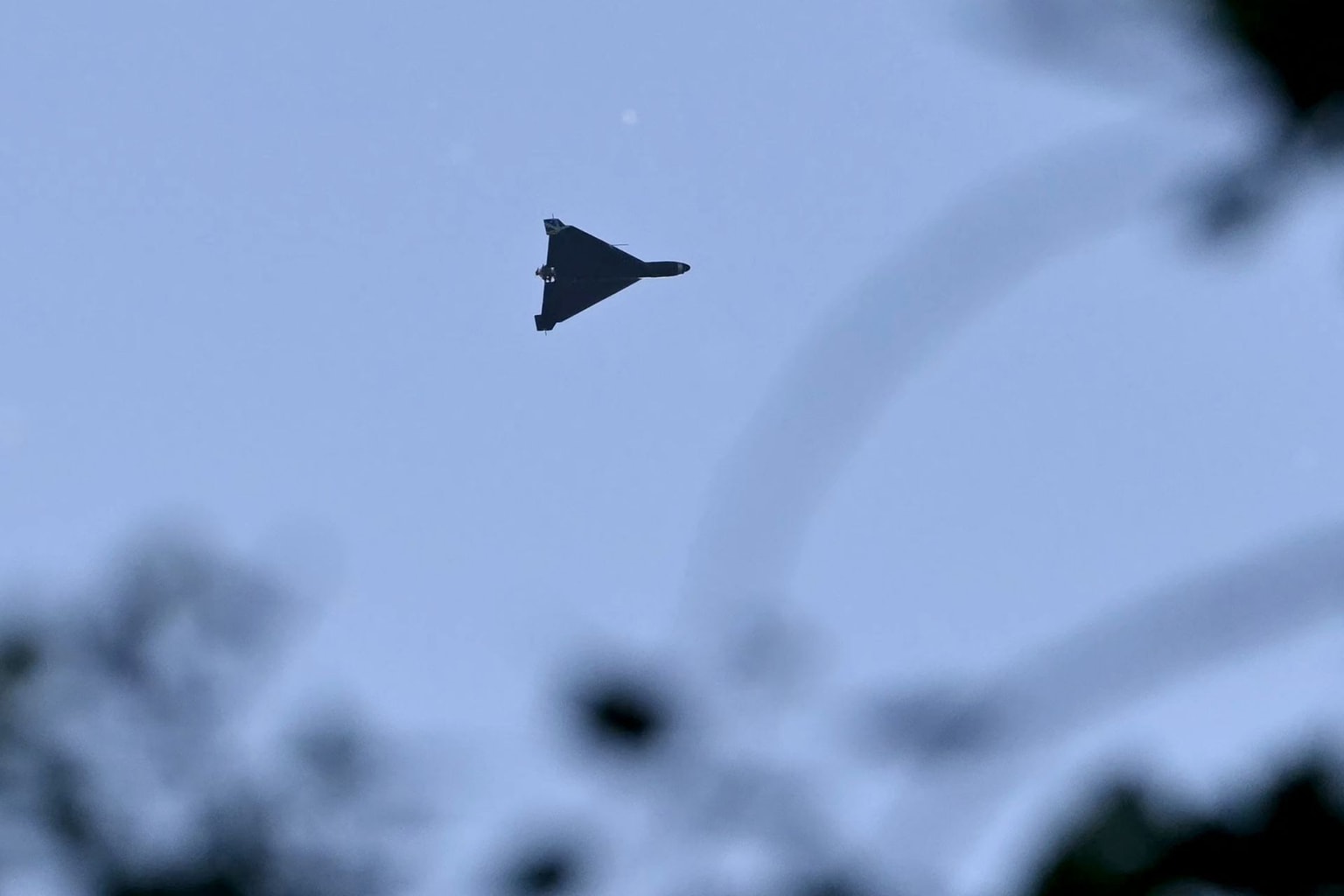
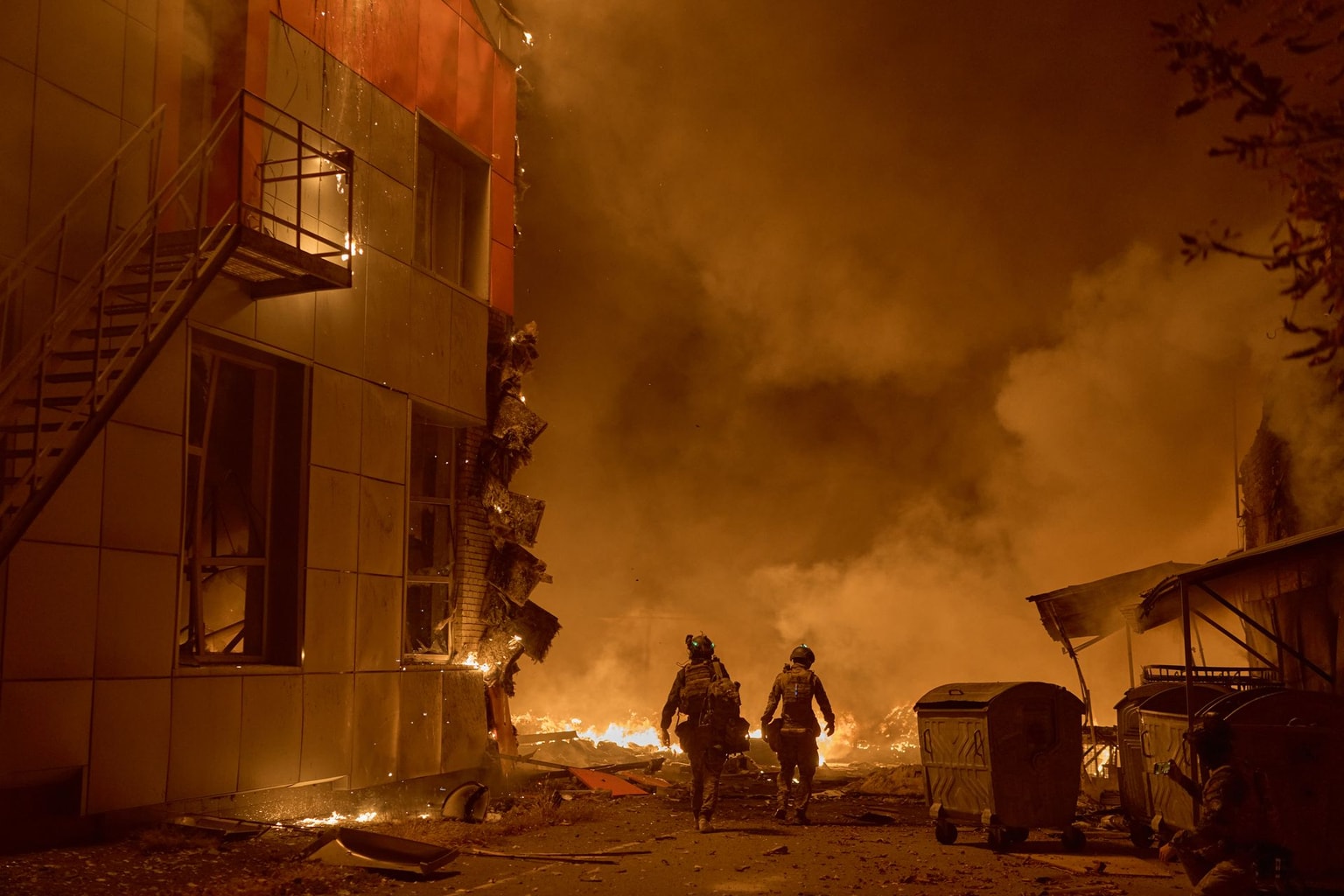
The statement marks the leader's first comments on the matter since Ukraine launched dramatic back-to-back strikes on the Moscow Oil Refinery on June 16 and 18. The June 18 strike was the largest drone attack on Moscow since start of Russia's full-scale invasion.
"Before we move on to the main agenda, I would like to say a few words about matters that are not directly related to today's specific agenda items," Putin said at the beginning of a government video conference that ostensibly focused on Russian healthcare, transportation, and education.
The conference comes as Putin faces mounting political pressure at home, with Ukrainian strikes, fuel shortages, and internet shutdowns intensifying the impact of the war on life in Russia.
Even so, Putin did his best to frame Ukraine's increasing success at hammering Russian energy facilities as a victory for Moscow.
"We are aware — and can see — that as the situation at the front rapidly deteriorates for the Kyiv regime, and as the adversary loses territory after territory while our troops capture one settlement after another, the regime has adopted a tactic of striking our civilian targets and infrastructure," he said.
"They are attempting to disrupt energy supplies and impact the tourism season — intentions they have openly communicated to us through various channels."
Putin's claims both exaggerate Russian troops' momentum on the battlefield and minimize the effects Ukrainian deep strikes have already had on Russian society.
Russia's 2026 spring offensive was largely a failure, with Ukrainian Defense Minister Mykhailo Fedorov reporting that 35,203 Russian soldiers were "eliminated or seriously wounded" during April. In exchange for these steep losses, Russia only managed to occupy an additional 141 square kilometers of Ukrainian territory, according to the monitoring group DeepState.
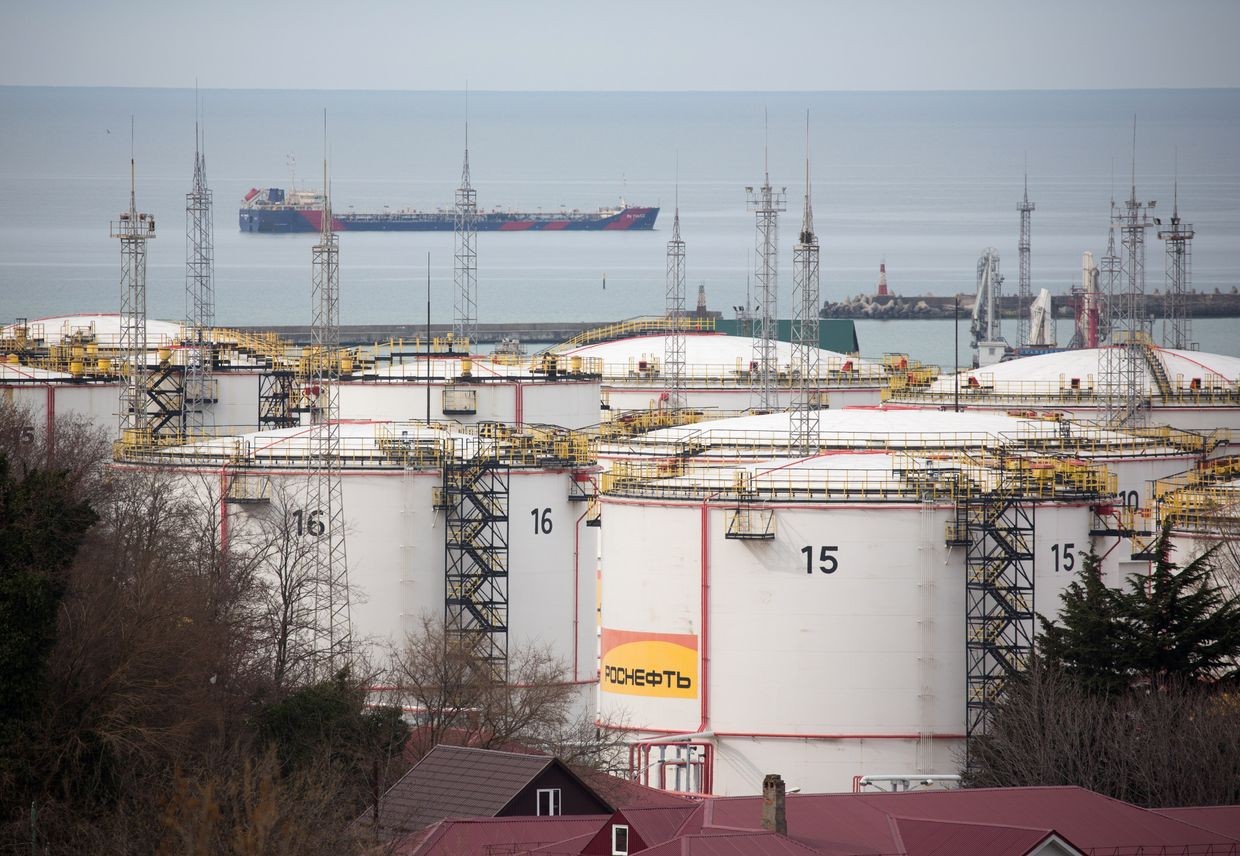
Meanwhile, Ukraine's strikes have shut down operations at multiple Russian refineries, exacerbating a fuel crisis that has led to restrictions on gasoline sales in several regions. Deputy Prime Minister Alexander Novak also said on June 23 that Russia is considering an export ban on diesel products due to the shortage.
Putin did not discuss these consequences in detail. Instead, he said he was ordering the government to take additional steps to minimize the consequences of Ukrainian strikes. He did not say what those measures would entail.
"Naturally, the primary responsibility for countering these threats rests with the Defense Ministry and other security agencies," he said. "At the same time, the government of the Russian Federation must also take additional measures to minimize — or completely eliminate— the consequences of such actions."
Putin's approval ratings have taken a hit in recent weeks, dropping to a wartime low as Ukraine's attacks on Russia have altered the balance of the war. Analysts say these results may point to a growing rift among the Kremlin's political elite.