At least 26 noncombat deaths, alleged abuse reported in Skelia assault regiment, Ukrainian media investigation finds
 on Google
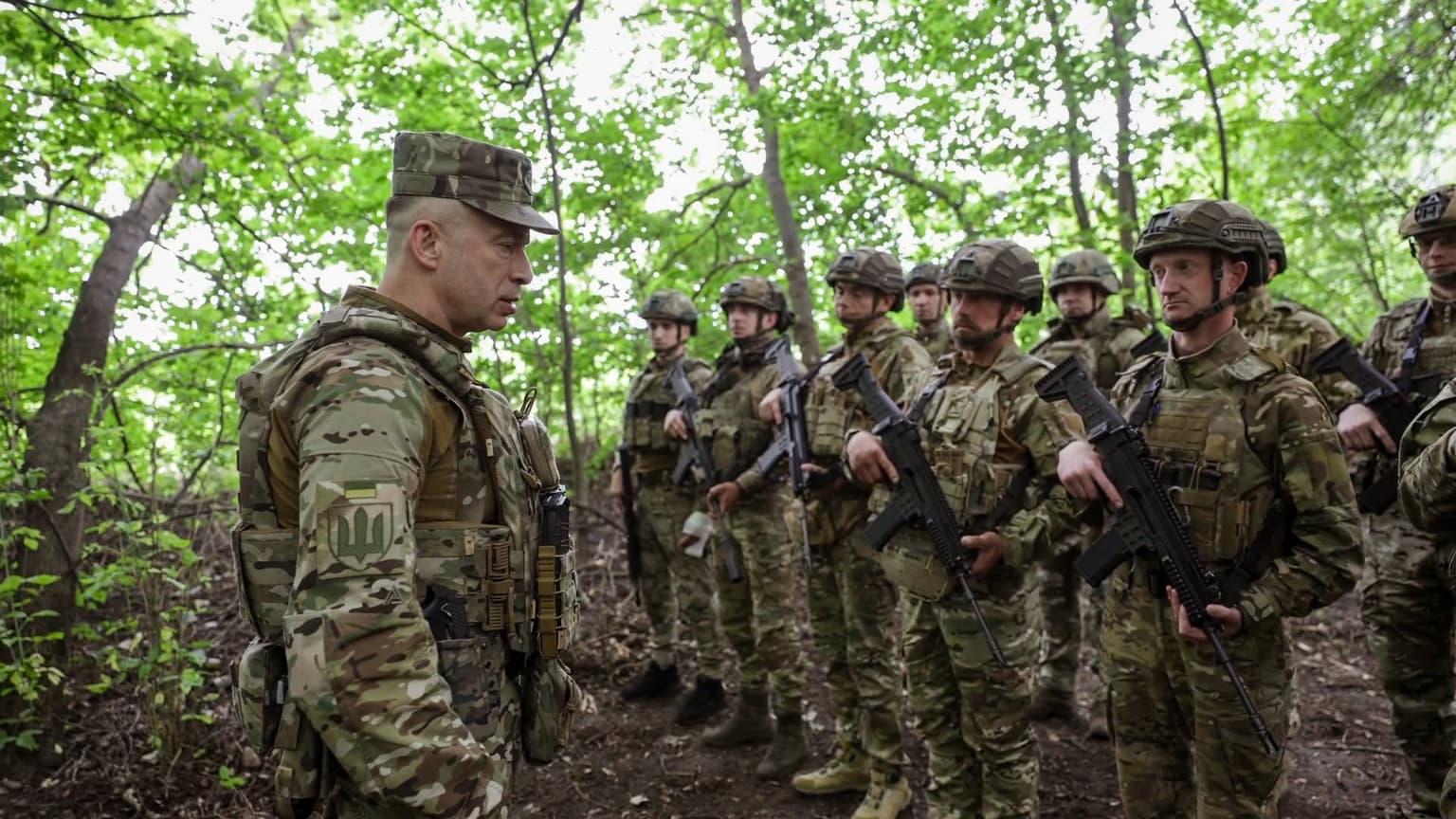
At least 26 recruits died of noncombat causes in Ukraine's 425th Separate Assault Regiment, better known as Skelia, between late 2025 and spring 2026, according to an investigation published by Ukrainian media outlet Babel on June 23.
The investigation, built on the testimonies of current and former service members in the unit, as well as relatives of mobilized soldiers, details widespread violent abuse, coercion, and inhumane conditions, especially at training bases.
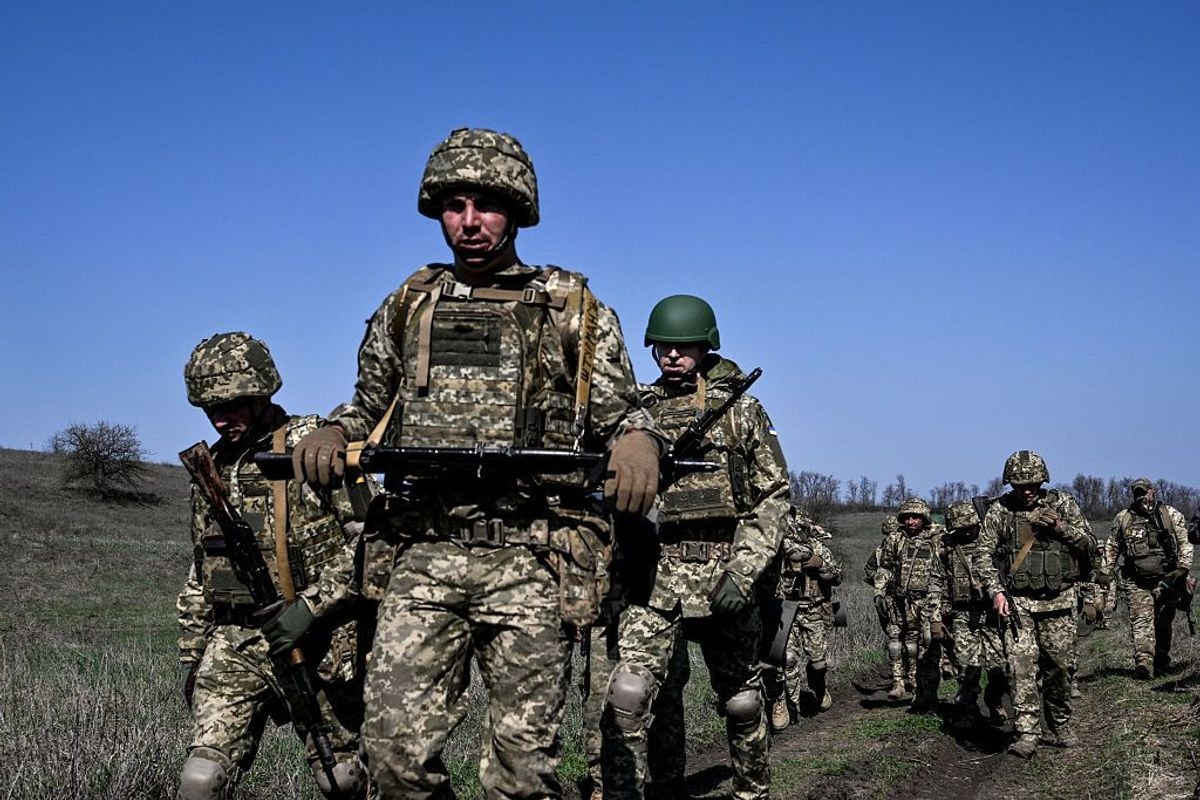
Skelia is one of Ukraine's largest assault units, with more than 10,000 personnel, and is responsible for conducting assaults and rapid reaction clearing missions across the front line.
The regiment, expanded as part of Commander-in-Chief Oleksandr Syrskyi's push to build specialized assault formations, the regiment consistently receives far more of Ukraine's newly mobilized recruits than any standard maneuver brigade.
Because of the frequency and intensity of its assault missions, Skelia has become known in Ukraine for higher-than-average battlefield losses, as well as brutal conditions inside the unit.
The deaths, which occurred shortly after mobilization and training, have prompted allegations from relatives and former servicemen of inadequate medical care and, in some cases, physical abuse within the unit. The regiment's commanders have rejected accusations of systemic wrongdoing.
According to Babel, most of the deaths were attributed on paper to illnesses such as pneumonia, cardiovascular disease, and other medical conditions that developed shortly after recruits were mobilized.
The outlet identified 26 deceased servicemen and based its findings on interviews, medical records, court documents, and forensic examinations.
Several families told Babel they believe their relatives did not receive timely medical treatment despite severe symptoms. Representatives of Ukraine's Military Ombudsman's Office also told the outlet that inspections uncovered problems related to medical support within the regiment.
The investigation additionally documented several cases in which relatives and witnesses alleged recruits had been subjected to violence during training.
Babel reported several other cases in which forensic examinations recorded rib fractures, chest trauma, or extensive bruising. In some instances, relatives have sought additional forensic examinations or criminal investigations.
The investigation also reported that the base where Skelia received new draftees was heavily guarded, with fresh recruits being escorted at gunpoint around the facility, which was also surrounded by landmines.
Skelia press officer Andrii Surai told Babel that inspections conducted with representatives of Ukraine's Ground Forces found no evidence of systemic violations. While acknowledging that incidents of violence can occur in military units, Surai rejected claims that abuse was widespread or encouraged by commanders.
Officials from the Military Ombudsman's Office said the regiment appeared to have a higher proportion of noncombat deaths than other units, although they stressed the difference was not dramatic. The office also told Babel that Skelia accounted for 5.1% of the more than 9,000 complaints submitted by service members, the highest share attributed to a single military unit.
Babel noted that the true number of non-combat deaths in the regiment remains unclear. The figure of 26 includes only cases journalists were able to independently identify, while ombudsman representatives indicated the actual number may be higher.
The Kyiv Independent could not independently verify the allegations detailed in Babel's investigation.
In response to the article, Skelia acknowledged that it brought up "a number of serious issues that require careful examination and verification."
"Our position is simple," the post read, "each case must be considered individually. All conclusions must be based on established facts, documents, the results of investigations and official procedures."
Nonetheless, the unit claimed that the larger picture painted by the article was a "generalisation," adding that 18 of the 26 deaths occurred "in hospital or on the way."
The allegations are not the first controversy involving Skelia.
In April, footage of a failed mechanized assault near Pokrovsk triggered criticism of the regiment's tactics.
Military officials at the time argued that units such as Skelia are routinely assigned high-risk missions in some of the most heavily contested sectors of the front.
Balancing out the division of new draftees between units has been a task on the radar of the president's office since last year, as announced in December by presidential advisor Pavlo Palisa, but so far, there has been little evidence of progress.
Solving the manpower crisis has also been a priority of Defense Minister Mykhailo Fedorov, who earlier this month announced lucrative new contracts for infantry and assault forces.
Fedorov, whose adviser, Ukrainian volunteer Serhii Sternenko, publicly clashed with Skelia, has previously called for an audit of battlefield losses. He is understood to be at odds with Commander-in-Chief Oleksandr Syrskyi over the latter's leadership of the Armed Forces.