Russia exploits ceasefire to mask military movements, General Staff says
 on Google
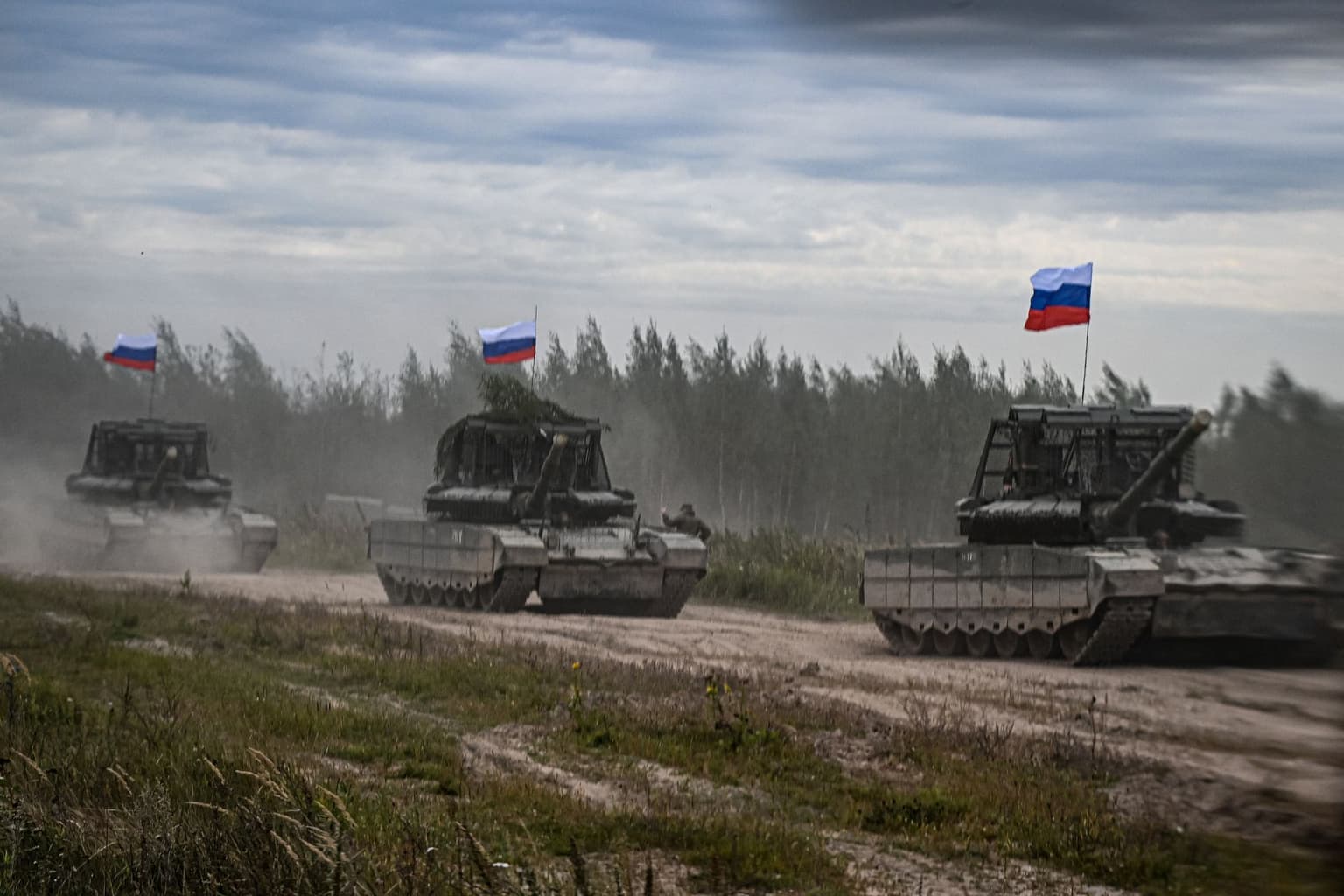
Russia used the humanitarian ceasefire in Oleshky to rotate soldiers, improve fighting positions, expand anti-drone netting on key logistics routes, and resupply soldiers with ammunition, Ukraine's General Staff said on Nov. 2.
The statement came after a temporary ceasefire in Kherson Oblast, agreed between Russia and Ukraine to allow for the evacuation of residents from Russian-occupied Oleshky.
"During the regime of silence, the rotation of Russian units, strengthening of positions, expansion of anti-drone means on the roads and the increase in logistics, in particular the delivery of ammunition, were recorded," the General Staff said in a statement.
British outlet Sky News also reported Russian soldiers using the ceasefire as cover for military operations, broadcasting Ukrainian drone footage showing Russian forces using heavy armored and logistics vehicles to reinforce positions and reposition soldiers.
None of this was related to the humanitarian mission, Ukrainian soldiers of the 34th Separate Marine Brigade, interviewed by Sky News, claimed.
Russia has a history of using humanitarian ceasefires as cover for a renewed increase in offensive operations, one Ukrainian military source told the Kyiv Independent.
"As part of the ceasefire introduced for the humanitarian operation in Oleshky, units of the Ukrainian Defense Forces ensured compliance with the regime of silence and acted exclusively within the framework of the agreements reached," the General Staff claimed.
The ceasefire, brokered with the help of U.S. first lady Melania Trump to facilitate the evacuation of civilians, lasted from 3 a.m. on Oct. 27 until 11 p.m. on Nov. 1. Neither Ukraine nor Russia reported any violations of the ceasefire during that period.
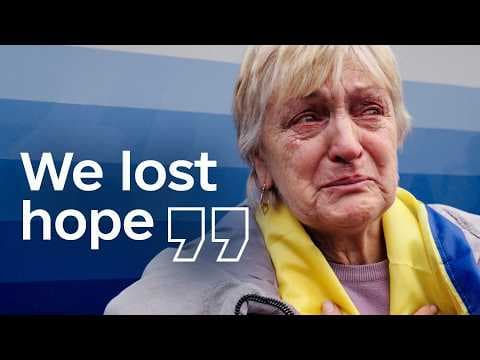
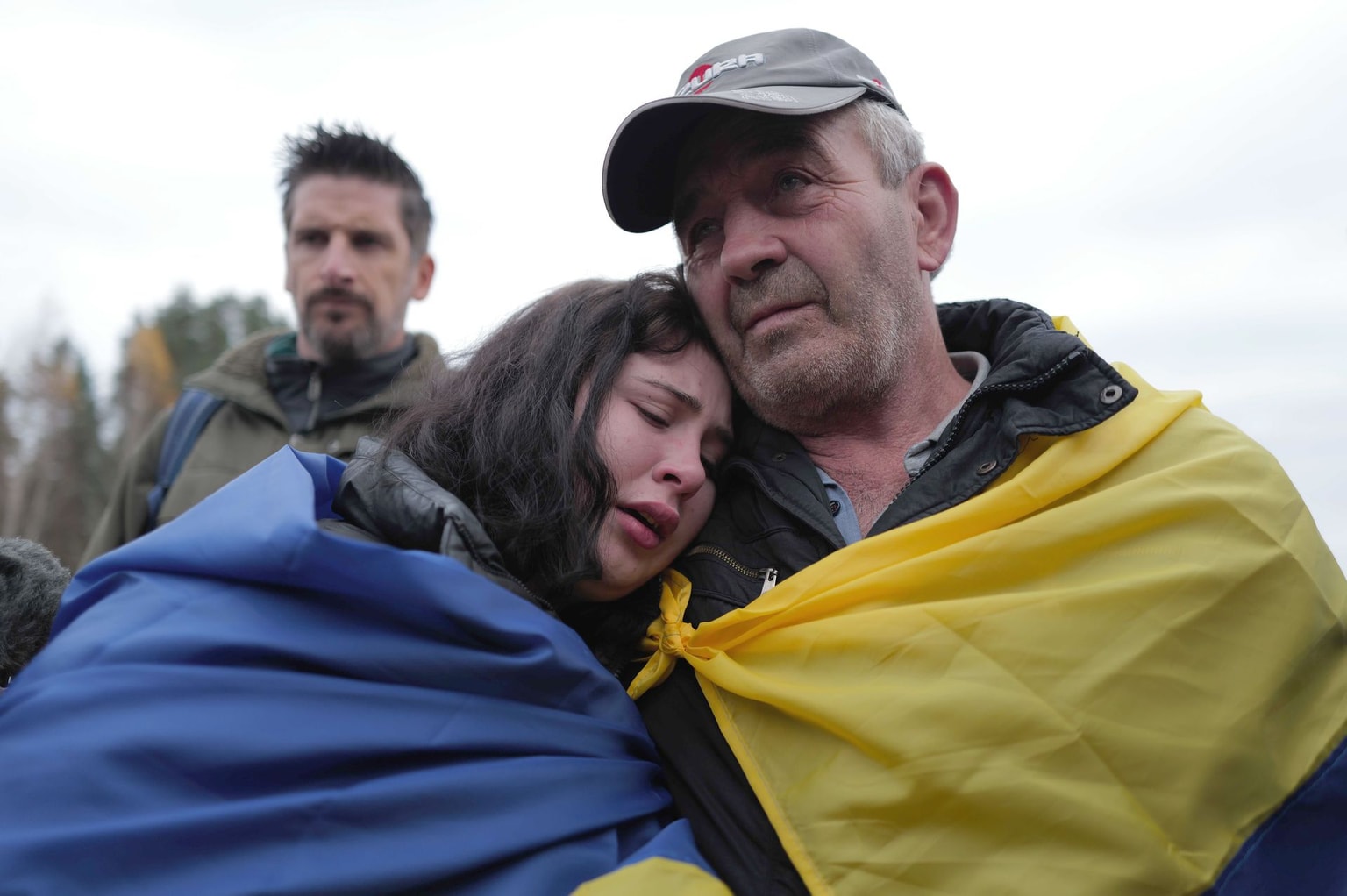
Ukraine's Ombudsman Dmytro Lubinets said 25 buses with a total capacity of 750 passengers had been prepared for the evacuation. Melania Trump said on Nov. 2 that nearly 800 people were evacuated during the humanitarian operation.
Residents were given the option of choosing whether to evacuate to Ukraine or Russia, but the exact number of people who left for each country remains unclear.
According to Lubinets, he and Russian Human Rights Commissioner Yana Lantratova are exploring ways to continue similar humanitarian efforts.
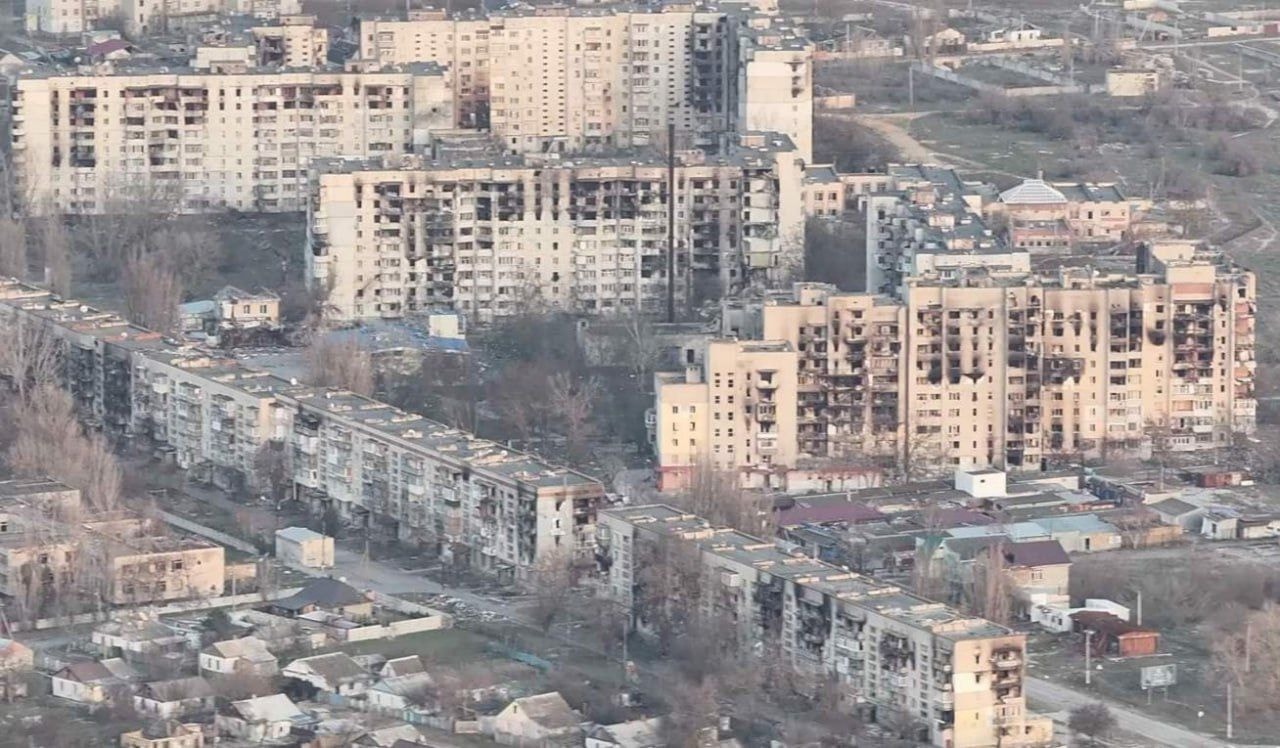
Oleshky has been under Russian occupation since the early days of Russia's full-scale invasion. Located across the Dnipro River from Kherson, the city has been effectively blockaded by Russian forces, which have prevented humanitarian aid from reaching residents.